.jpg?alt=listing)
Published
Sep. 11, 2026 1:19 PM
In the 1970s, pop artists sang about the environment as a cause they could win. Today, the songs are more about anxiety and powerlessness.
In the 1970s, pop artists sang about the environment as a cause they could win. Today, the songs are more about anxiety and powerlessness.
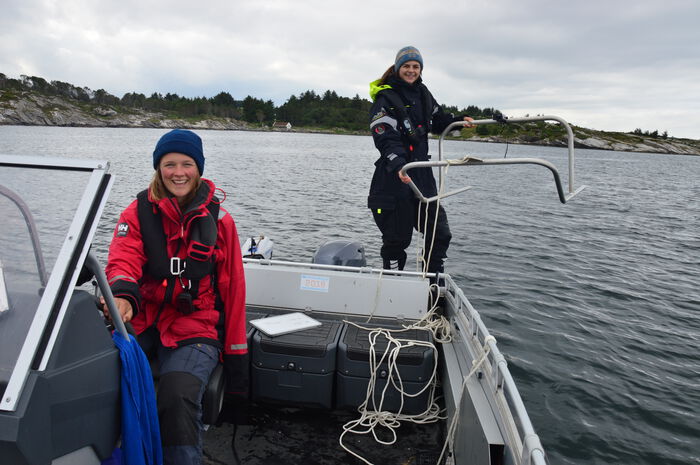
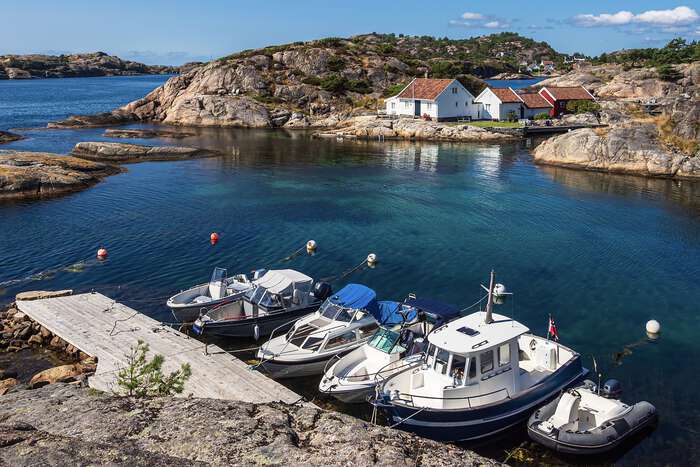
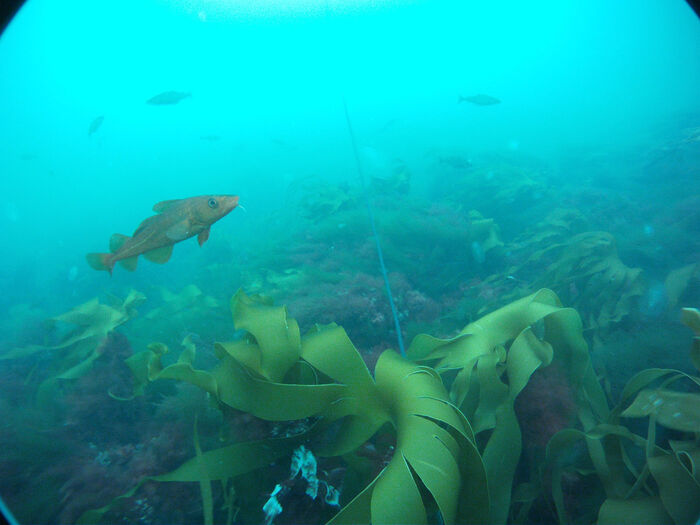
Warmer summers and intensive fishing pressure are making it increasingly difficult for young cod along the Skagerrak coast to survive.
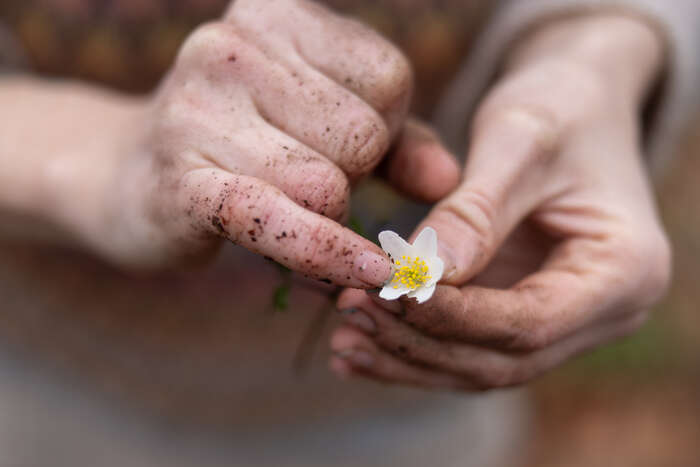
Common hepatica, European thimbleweed and lesser celandine are among the first wild flowering plants to appear in spring. This is no coincidence. They have been preparing for this since last summer.
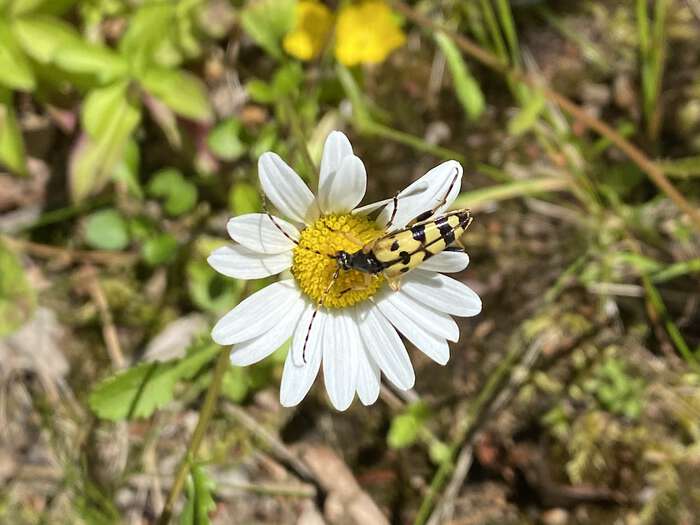
After just two years without frequent mowing, biologist Jorunn Larsen has identified just over 50 plant species in a single meadow on Campus Kristiansand.
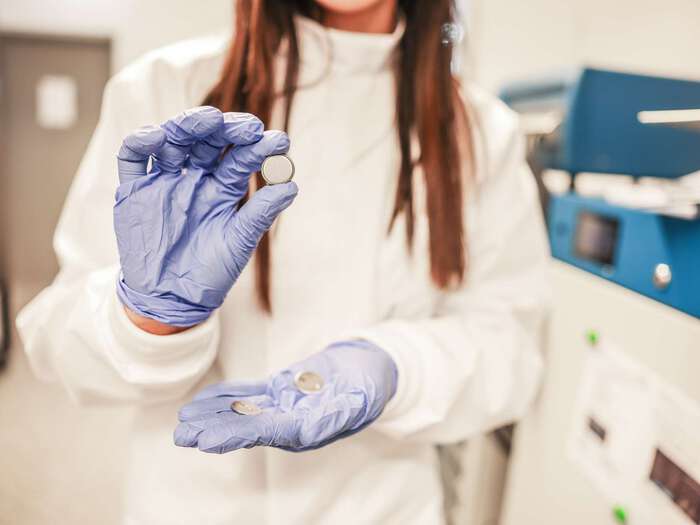
The bankruptcy of UiA’s partner Morrow has little impact on the university’s research and teaching in the field of battery technology.
The “plastification” of Norwegian coastal communities, which began some 70 years ago, brought profound change. Yet those who lived through it do not necessarily remember it that way.
Michael B. Johnson and Francesco Niosi have been awarded postdoctoral positions at University of Agder through a prestigious EU fellowship. They will study, respectively, the Dead Sea Scrolls and artificial intelligence solutions for offshore wind.
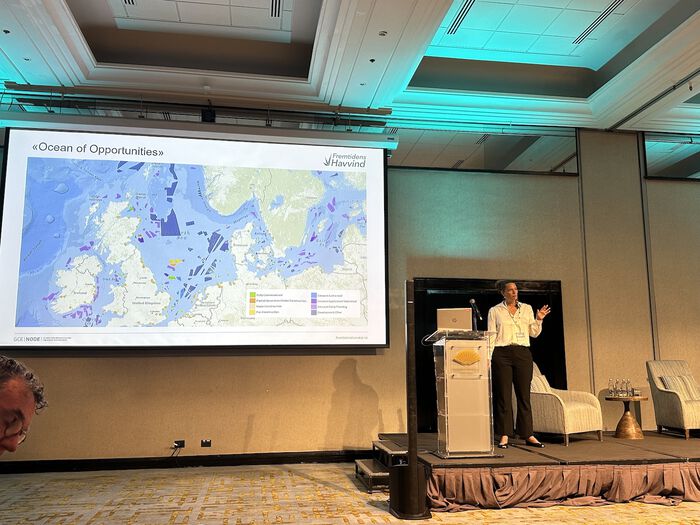
Norwegian experiences with offshore wind can help Chile avoid conflicts. That was the message when Professor Mikaela Vasstrøm from the University of Agder met the Chilean Ministry of Energy.
Fish do much more than just swim around in the ocean. They are active climate helpers, playing vital roles in storing and transporting carbon and regulating our climate.
Norway's best research communicator has been crowned!
Researchers at UiA warn that Europe's last healthy populations of flat oysters are at risk. They are now calling for better protection to safeguard these stocks.
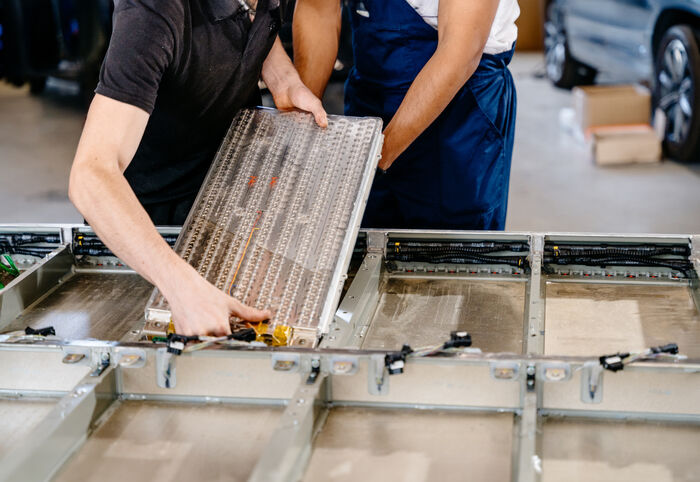
A new method aims to speed up the development of battery materials for electric vehicles. Joining the effort are Vianode, Cenate, SINTEF and the University of Stavanger.
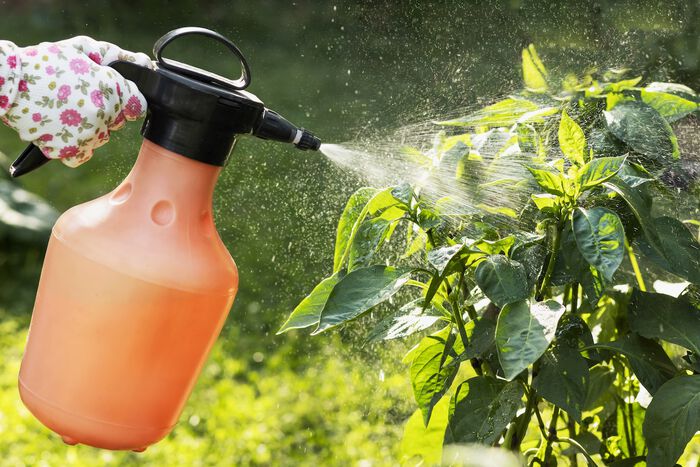
Norwegian horticulturists have been using pesticides for decades. A new doctoral study shows that many of them had mixed feelings about the poisons they used.
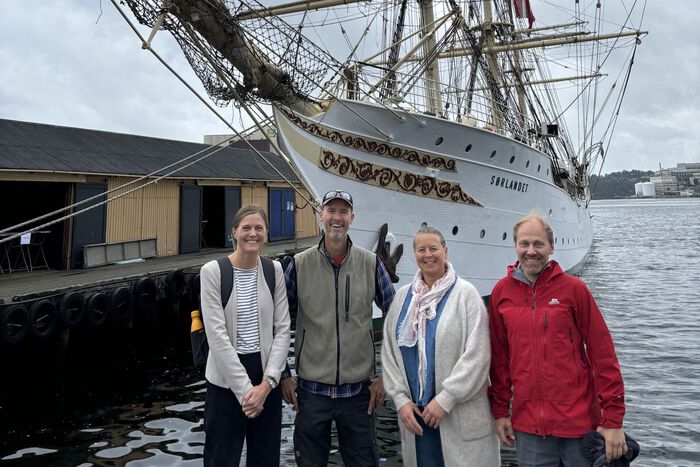
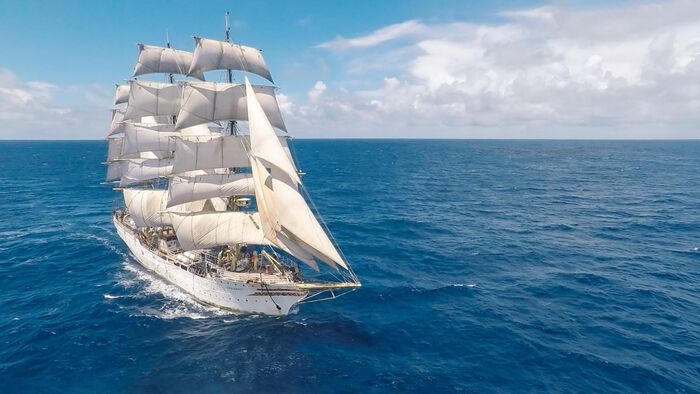
From 9 to 22 June, researchers, students and other ocean enthusiasts will sail around Skagerrak aboard the Tall Ship Sørlandet. The aim is to foster understanding and engagement with the marine and fjord environments.
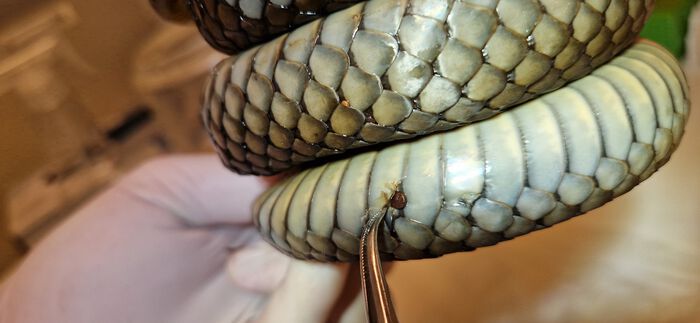
A dangerous snake fungus has been discovered in Europe. Researchers are now examining collections of dead snakes in museums to map the disease.
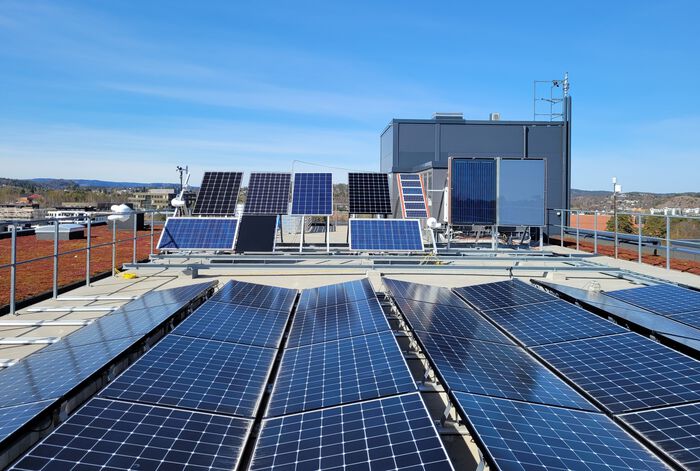
Norway needs more expertise in the design of solar power plants. UiA recently received NOK 2.8 million to launch a programme in this field.
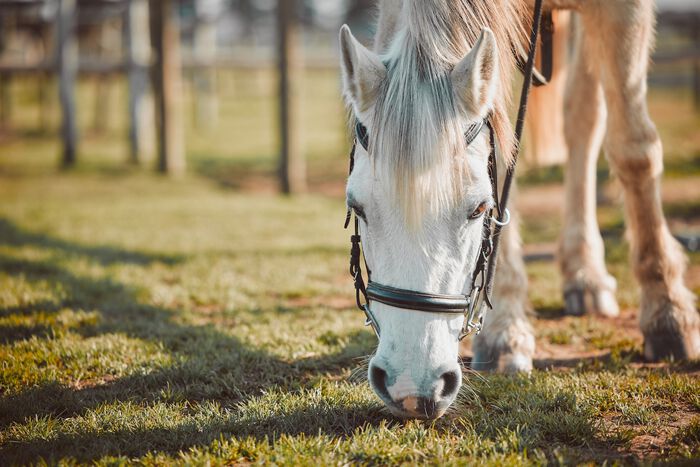
Researchers from the University of Agder found surprisingly many traces of tick-borne diseases in horses. The findings may also say something about the risk of infection for humans.
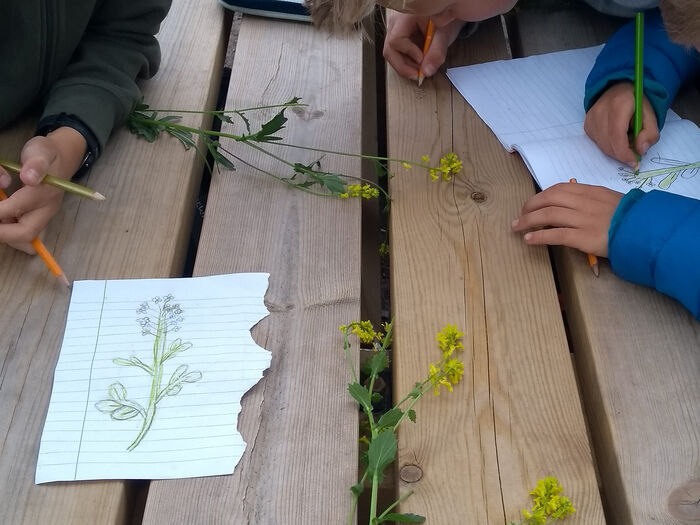
Children and young people learn more about biological diversity when they gain their own experiences observing nature, according to UiA researcher Anne Lien.
Research environments in Norway, Sweden and Denmark are joining forces to shed light on the condition of fjords and seas. In June they will sail with the full-rigger Sørlandet for two weeks to highlight challenges and solutions.
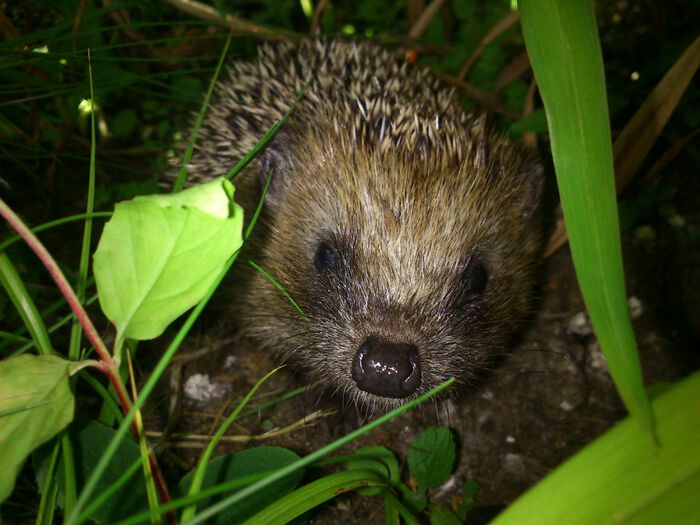
"Don't put out milk for hedgehogs."
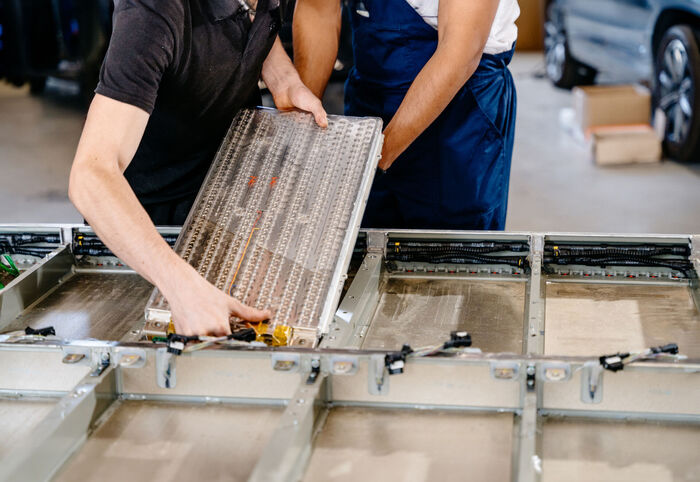
The University of Agder is participating in a major European research project aimed at revolutionizing the way we recycle batteries. The goal is to make battery recycling both more profitable and environmentally friendly.
Do you find recycling easy, or are you a bit unsure about how to go about it? Try our recycling quiz to test your knowledge and discover some simple tips!
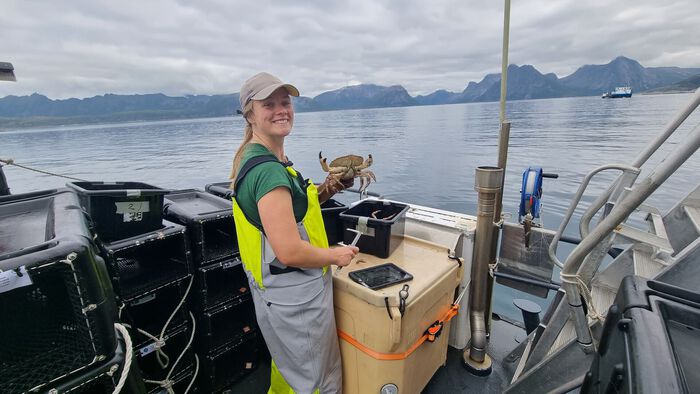
A large majority of recreational and professional fishermen, along with the fishing tourism industry in Agder, support the idea of releasing several million juvenile fish into the fjords of Southern Norway to strengthen the coastal cod population.
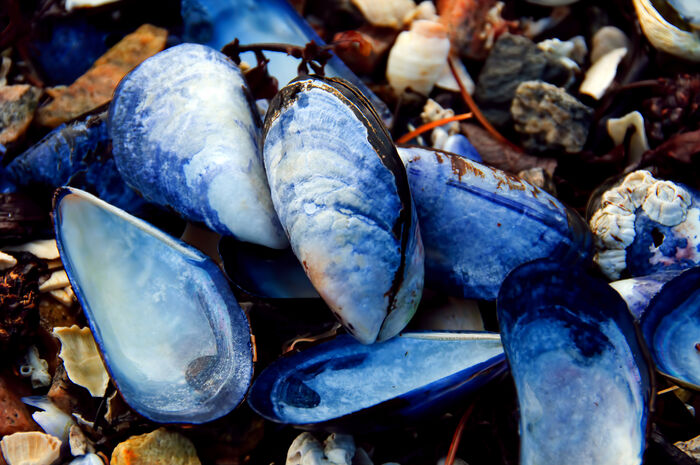
Researchers have found significant geographical variation in the genetic material of blue mussels. This means that they do not spread as widely as previously assumed.


.jpg?alt=listing)