"Skagerrak is our shared sea, and it is strongly affected by human activity. We see that ecosystems are changing due to pollution, climate change and overfishing," says Even Moland, a researcher at the Institute of Marine Research and UiA's Centre for Coastal Research.
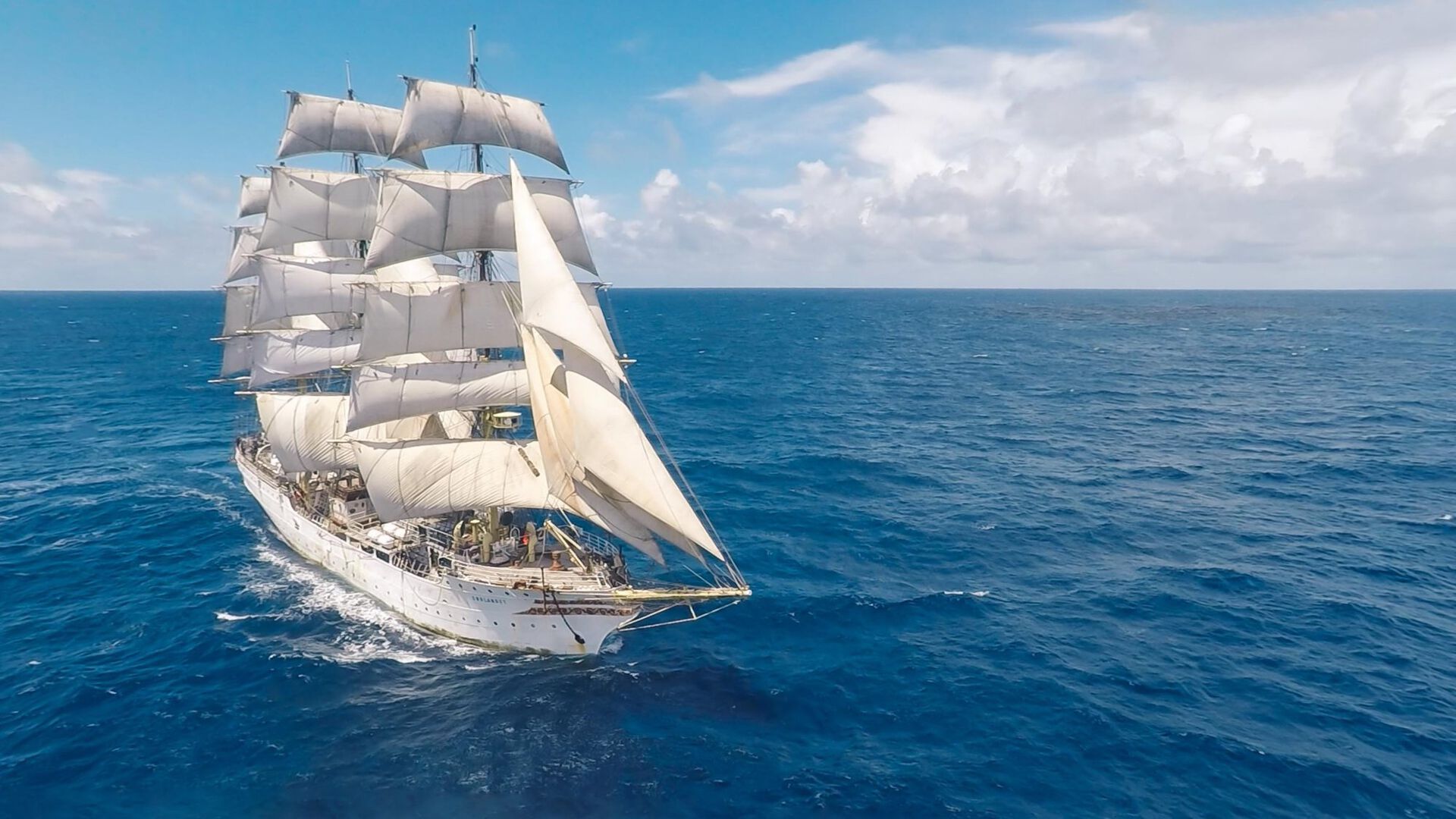
Moland is the spokesperson for the Skagerrak voyage set to take place aboard the full-rigger Sørlandet from 9 to 22 June in the Skagerrak-Kattegat-Oslofjord sea areas.
UiA and the Institute of Marine Research have brought together the Norwegian Institute for Water Research (NIVA), GRID-Arendal, the University of Oslo (UiO) and the Norwegian University of Life Sciences (NMBU) for the voyage.
The University of Gothenburg and the Swedish University of Agricultural Sciences are participating from Sweden, while Denmark is represented by DTU Aqua. Students and young researchers from all these institutions play a central role in the endeavour.
"We want to draw attention to the valuable fjord and maritime areas linked to Skagerrak and Kattegat. Here we find some of the most densely populated coasts in Scandinavia. To safeguard these areas, international collaboration is necessary," Moland says.
Marked by pollution and coastal zone degradation
The fjord and sea areas connected to the Skagerrak are important ecosystems for Norway, Sweden and Denmark. But the areas are under great pressure. Over eight million people live in these areas. The dense settlements and large agricultural zones contribute to nutrient emissions, pollution and coastal zone degradation.

At the same time, the sea is affected by climate change, including rising temperatures and marine heat waves, as well as enduring and intensive pressures from fisheries.
2021-2030 has been declared the UN Decade of Ocean Science for Sustainable Development, focusing on the management and restoration of ecosystems.
"Embarking on this voyage in 2025 is a great way to mark that we are now halfway through and that it is high time to implement the solutions already available," says Marte Sodeland, the project leader for the voyage and researcher at UiA's Centre for Coastal Research.
She points out that many measures already exist that can improve the marine environment:
"On land, we can reduce nutrient runoff from agriculture and remove nitrogen from wastewater. Cultivating seaweed, sea squirts and shellfish can improve water quality in coastal areas and create opportunities for new industries. Sustainable fisheries and environmental management will give species a better chance to adapt to climate change and ensure the future health of ecosystems," says Sodeland.
"We have solutions, but they must be implemented quickly and through collaboration between research, public sector and industry. We must ensure that future generations can continue to benefit from a healthy ocean," she says.
Aiming to inspire children and young people
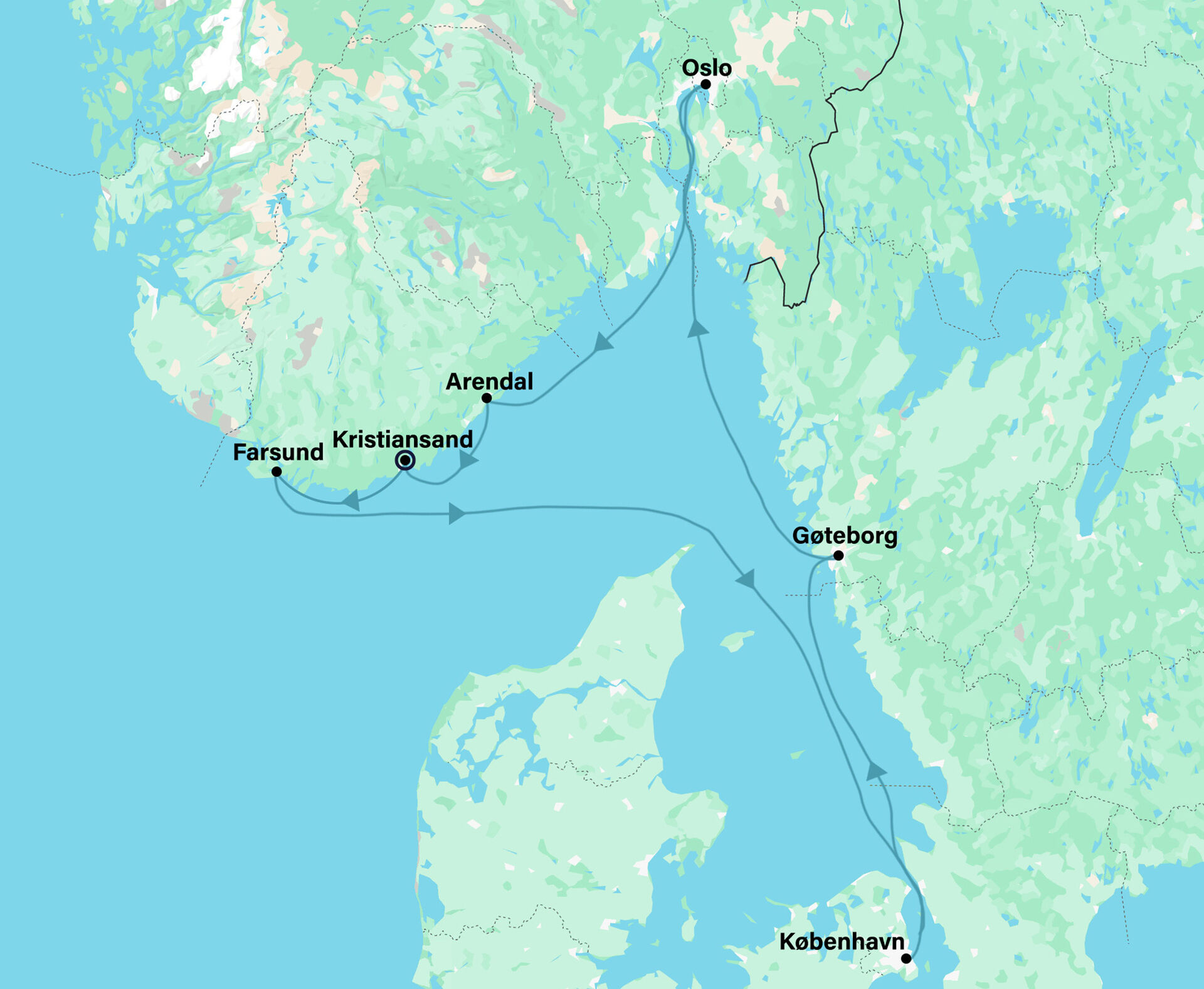
The voyage starts in Kristiansand, continues through Farsund and proceeds to Copenhagen. From Copenhagen they sail to Gothenburg, then Oslo and finally return to Kristiansand via Arendal.
In each port of call, the researchers will host events to share the latest knowledge about the conditions and solutions for the fjords and sea. Activities will be available for both children and adults. The organizers particularly aim to engage children and young people to inspire enthusiasm for marine research and biology.
"We want to show that marine research is especially meaningful when the challenges are great," says Moland.
Rector of UiA, Sunniva Whittaker, supports the initiative, stating that the voyage is important because it helps to shine a spotlight on the consequences of climate change.
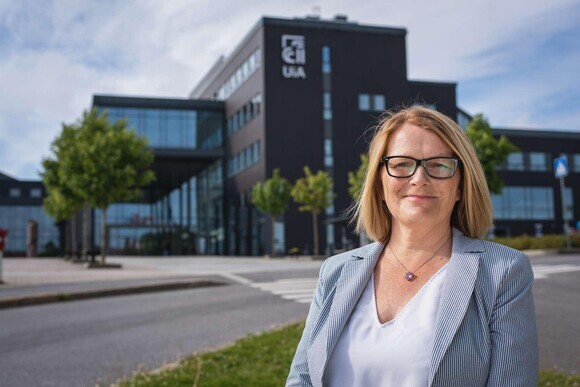
"Seeing the developments in the Oslofjord serves as a warning for all of Skagerrak. Knowledge-based dissemination like this can contribute to better decisions and foster important collaborations between various authorities and expert communities," she says.
Funding
The voyage has received financial support of NOK 600,000 from Agder County Council. In addition to this, the following provide financial or other support: UiA, the Institute of Marine Research, UiO, NMBU, NIVA, GARD, the national parks in Raet, Jomfruland, Færder and Ytre Hvaler, as well as Sørlandet Science Centre and GRID-Arendal.