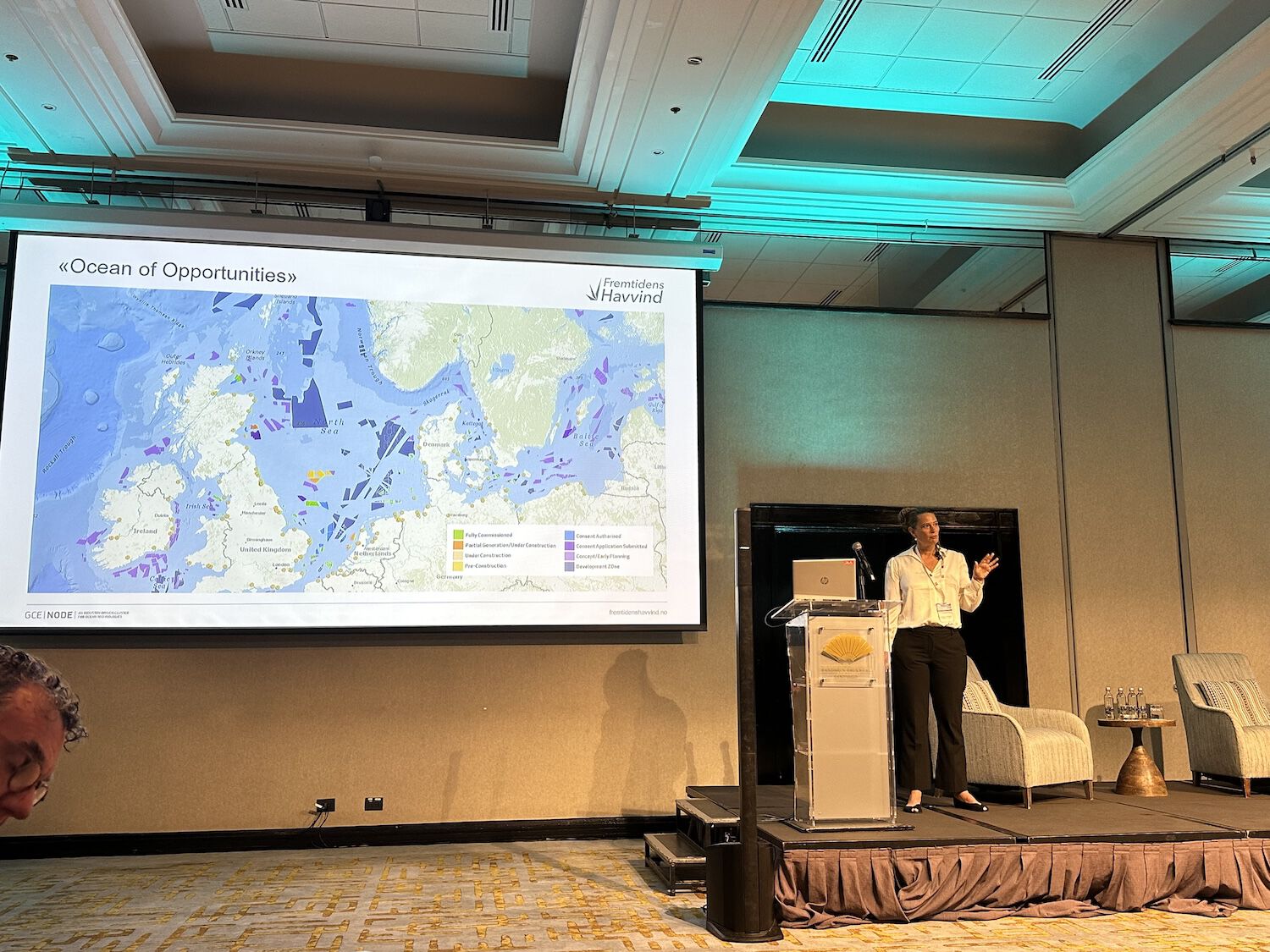
In early November there was a three-day programme on offshore wind in the Chilean capital Santiago. Those who invited were the Norwegian and Danish ambassadors, in collaboration with among others the Ministry of Energy in Chile.
Mikaela Vasstrøm was one of five invited experts who shared experiences from their home countries.
Fair frameworks
"My main message was simple. We cannot simply move wind power to sea to avoid conflicts. There are many conflicts around offshore wind development as well," says Vasstrøm.
Chile has over the past five years gone through a major energy transition and already developed much renewable energy on land.
The programme was followed by both governmental and commercial actors in Chile. There was good time for these to ask questions to the invited experts.
"I represented the social sciences, while others represented the interests of industry. I think we gave good, nuanced answers where we could complement each other," says Vasstrøm.
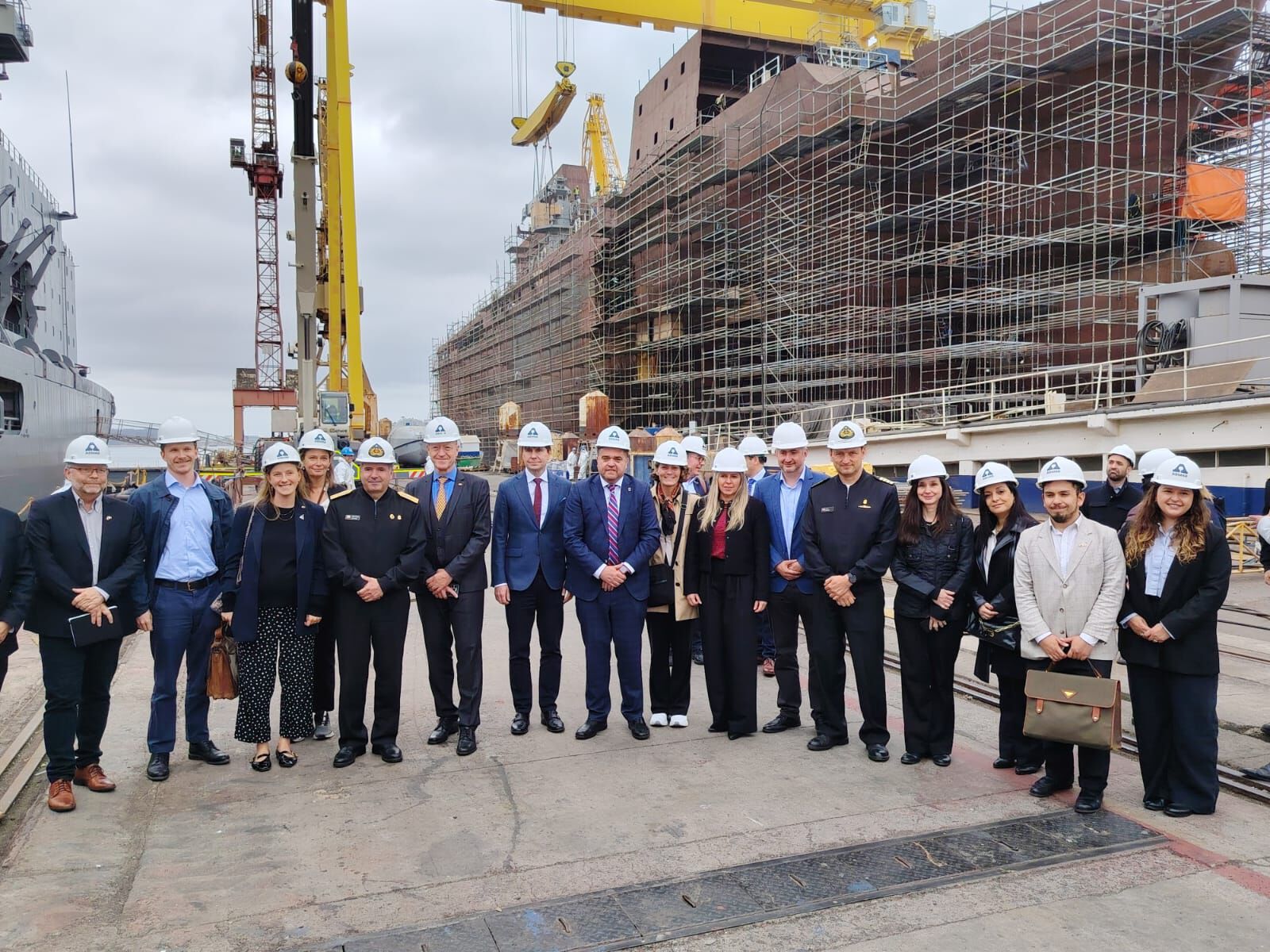
Nuanced debate
In addition to Vasstrøm the expert panel consisted of
- Sille Grjotheim from Floating Offshore Wind
- Michael Hannibal from Global Wind Energy Council
- Oskar Ernst from Green Power Denmark
- Amisha Patel from Global Offshore Wind Alliance
"We also talked about creating fair frameworks for transition. It is important to ensure that the areas where offshore wind is developed receive something in return for it," says Vasstrøm.
After the national meeting there was arranged a meeting with regional actors.
"Development of offshore wind can lead to problems on land. But it can also provide opportunities for regions that have need for energy and reindustrialisation," says Vasstrøm.
She believes all parties benefit from meetings like this.
"Offshore wind is new for all countries. We need to share experiences across borders," she says.