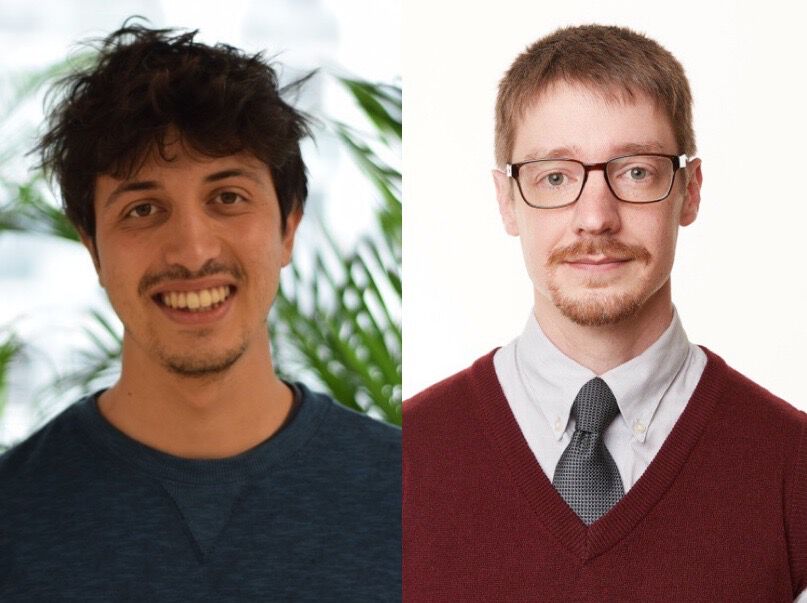
“The University of Agder has become one of the most dynamic places in Europe for collaborative research on the Dead Sea Scrolls. The university offers strong expertise in manuscript studies, excellent digital resources, and a highly collegial and interdisciplinary research culture", says Michael B. Johnson.
He is one of two new postdoctoral researchers who will conduct research at UiA with funding from the Marie Skłodowska-Curie Postdoctoral Fellowships (MSCA). This is a prestigious grant from the EU’s research and innovation framework programme, Horizon Europe.
The Dead Sea Scrolls are a collection of manuscripts discovered in caves near the Dead Sea in the 1940s and 1950s. Among other things, they contain the oldest known copies of books of the Old Testament. Who wrote and compiled them remains a matter of debate.
“I hope the project will refine how scholars and the wider public understand the scrolls – not simply as individual manuscripts, but as the complex product of a sustained scribal community of practice in the ancient world,” Johnson says.
About the projects
- The Scribes of the Maskillic Corpus: The Scribal Community of Practice behind the Dead Sea Scrolls (MASKILICCORPUS) is led by Michael B. Johnson, with Årstein Justnes as supervisor.
- The project has been awarded NOK 3.05 million.
- FLoating Offshore Wind MOORing Optimisation and Design (FLOW-Moor) is led by Francesco Niosi, supervised by Zhiyu Jiang.
- The project has been awarded NOK 3.6 million.
- The Marie Skłodowska-Curie Actions (MSCA) is a research funding scheme under the EU’s framework programme for research, Horizon Europe.
- University of Agder submitted 13 applications to MSCA, two of which were successful.
- With 23 approved applications and 115 rejections so far, UiA has a success rate of 16.7 percent in Horizon Europe.
- The approved Horizon Europe projects provide a total funding of NOK 130.6 million.
"Becoming one of the leading research environments"
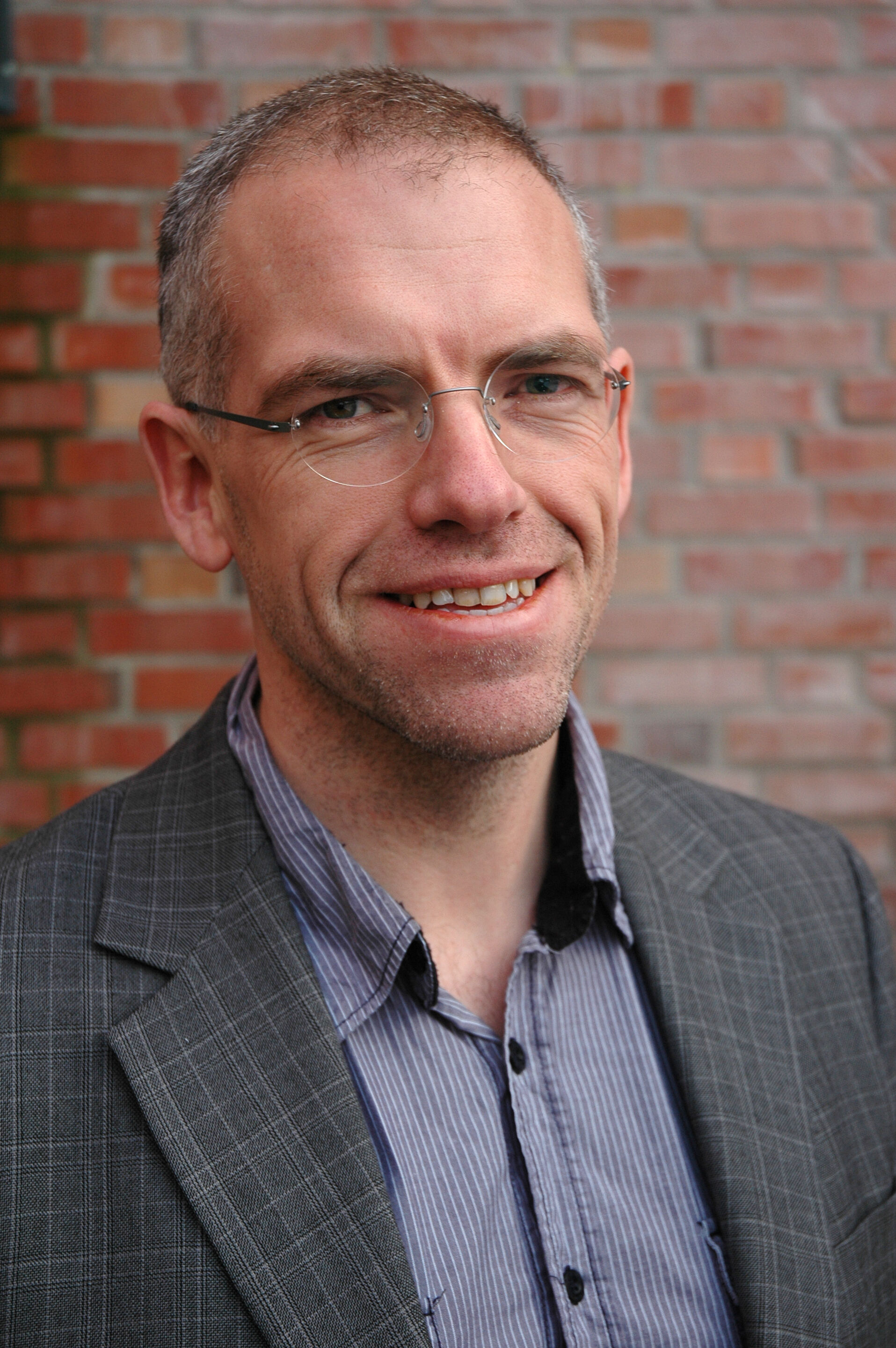
“Despite his young age, Michael is already an established scholar of the Dead Sea Scrolls, and he has already made several important research contributions. He is highly capable and an exceptionally kind and generous person,” says Årstein Justnes.
A professor in the Department of Religion, Philosophy and History, he will serve as Johnson’s supervisor. For Justnes, this marks the second time he has succeeded with a Marie Curie application.
“With Michael on board, we can without embarrassment say that we are one of the world’s leading research environments on the Dead Sea Scrolls,” says Justnes, before adding jokingly:
“The key to success is recruiting people who are more talented than yourself.”
"Aiming to create better solutions for offshore wind"
“UiA is an ideal place for my project, because it brings together top expertise in offshore structural engineering and advanced artificial intelligence,” says Francesco Niosi.
He holds a PhD in offshore wind from Politecnico di Torino and will work on designing systems to keep floating offshore wind turbines in position. The aim is to develop safer, more cost-effective and climate-resilient solutions than those currently available.
Niosi emphasises that he will collaborate with researchers in both engineering and artificial intelligence at UiA, and that this combination is exactly what he needs to produce research that is technically robust and practically relevant.
A strong and independent researcher
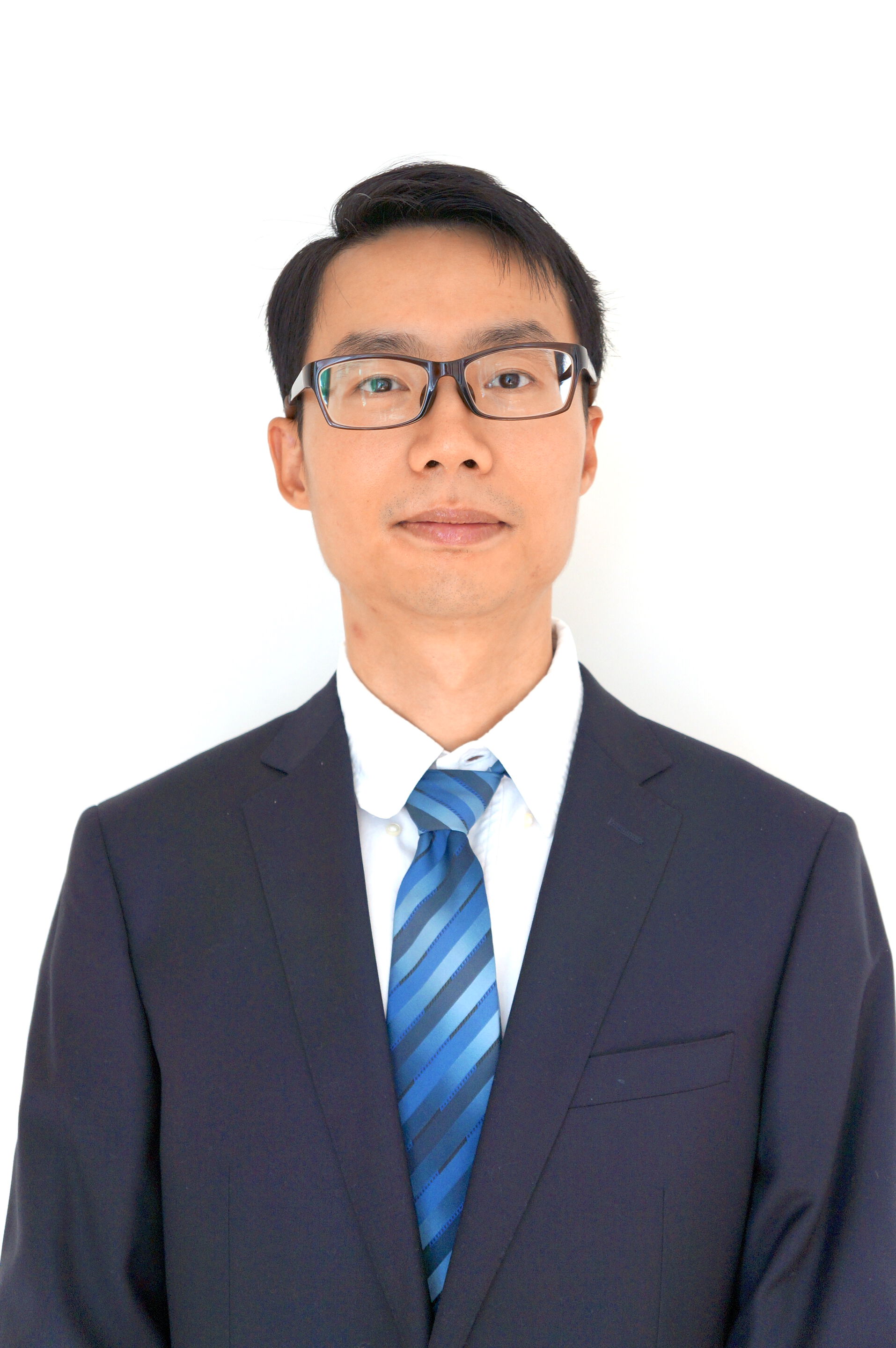
Professor Zhiyu Jiang at the Department of Engineering Sciences will be Francesco Niosi’s academic supervisor. He is very pleased that the application to the prestigious EU programme was successful.
“Francesco is a very strong and independent researcher with a solid background in offshore engineering. He combines high academic quality with a clear ability to deliver,” Jiang says.
He notes that the project aligns very well with University of Agder’s strategic priorities in offshore wind and artificial intelligence, while also strengthening the university’s international visibility and collaboration with industry.
“It is a major asset for UiA to recruit a postdoctoral researcher at this level,” the professor says.
What is the Marie Curie programme?
The Marie-Curie Postdoctoral Fellowship is an EU programme that funds postdoctoral positions for individual researchers. Applicants apply together with an academic supervisor at the institution they wish to join, and an important principle is that the fellowship should be carried out in a different country.
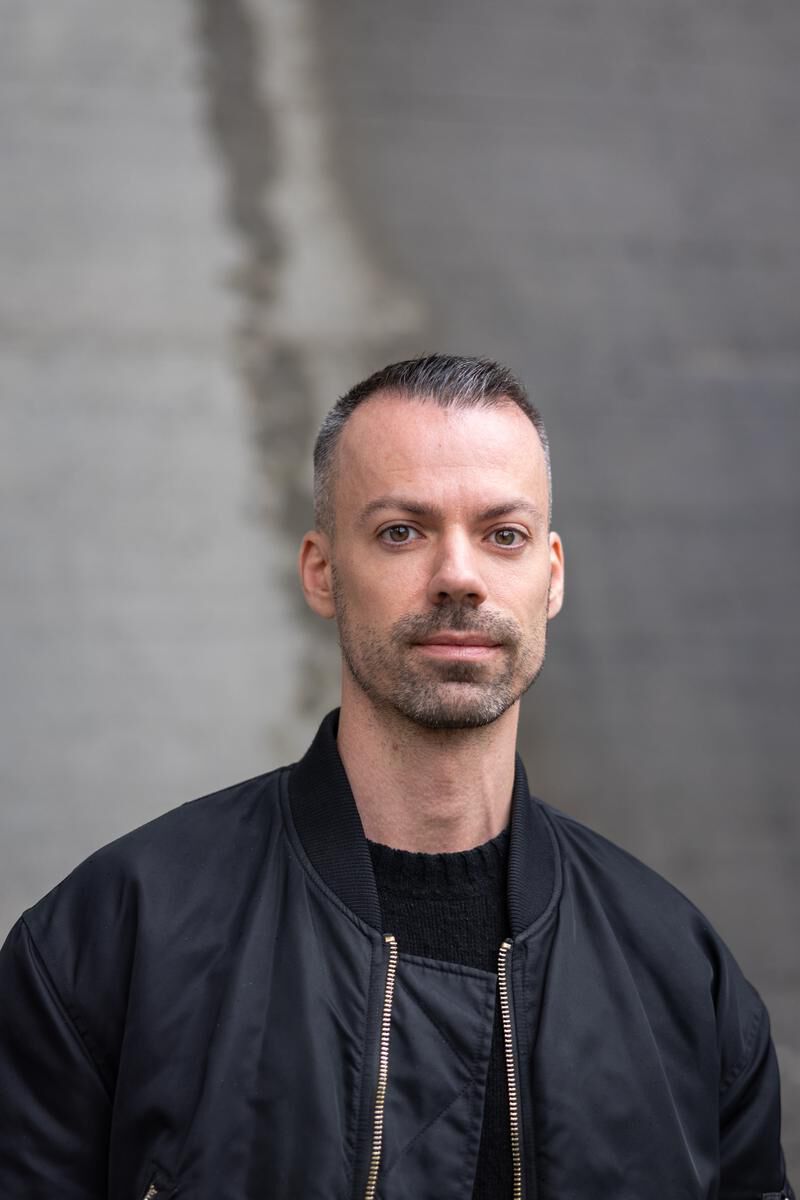
“Securing success in this programme is a strategic priority for UiA,” says Petter Zahl Marki from the Research and Innovation Department.
He lists several reasons for the initiative:
- UiA gains externally funded postdoctoral researchers, which is positive for recruitment.
- Those who make it through this highly competitive programme may become the leading researchers of the future.
- Research groups gain a postdoctoral fellow who can conduct full-time research under supervision.
- The postdoctoral researchers bring new knowledge and perspectives to UiA.
- The Marie Curie programme is well recognised and a feather in the cap for supervisors, the institution and the postdoctoral fellow alike.
Those applying as supervisors must be associate professors or full professors, and must have the capacity and willingness to act as mentors.
“Marie Curie is about both research and career development. The candidate and the supervisor should be able to learn from each other,” Marki says.
He encourages UiA staff who are interested in applying to get in touch. The next application deadline is in September 2026..