Published
June 23, 2026 2:30 PM
The University Board also held discussions with the chief union representatives at its final meeting of the semester.
The University Board also held discussions with the chief union representatives at its final meeting of the semester.
Kommuneforlaget AS and the University of Agder are now making the Norwegian-developed Tsetlin technology available as free software, a tool for explainable and secure artificial intelligence in the public sector.
The tool has been developed in collaboration with students and can save lecturers at UiA hundreds of hours.
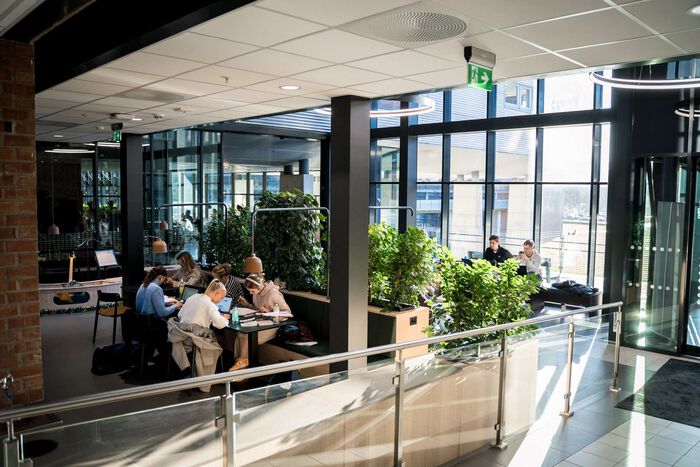
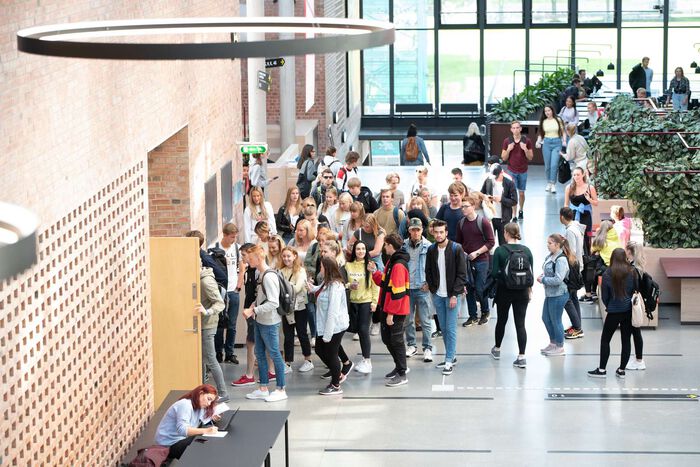
The University of Agder has once again been voted the university with the best physical learning environment, according to the Study Barometer 2025.
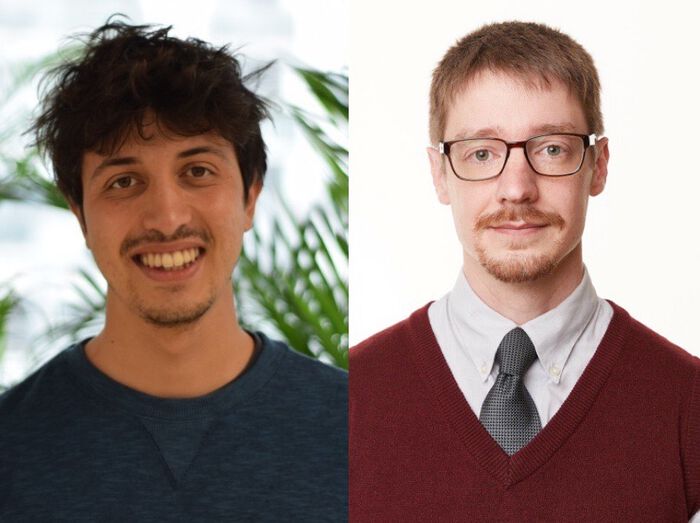
Michael B. Johnson and Francesco Niosi have been awarded postdoctoral positions at University of Agder through a prestigious EU fellowship. They will study, respectively, the Dead Sea Scrolls and artificial intelligence solutions for offshore wind.
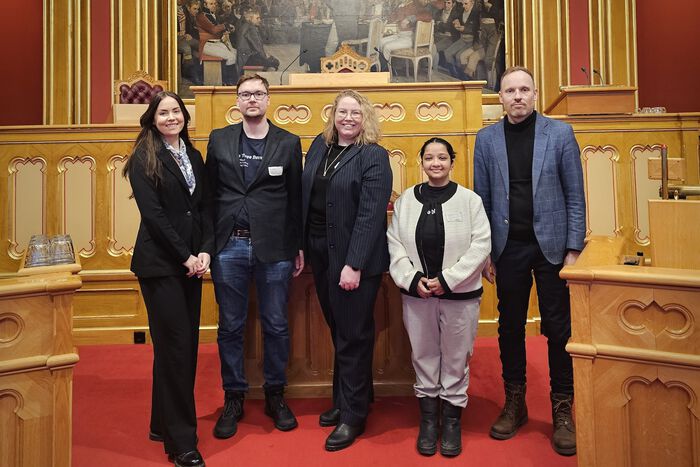
Over the past year, Rebekka Omslandseter and her colleagues have been testing the Tsetlin machine together with the administration at the Norwegian Parliament. At the end of January, they presented their results.
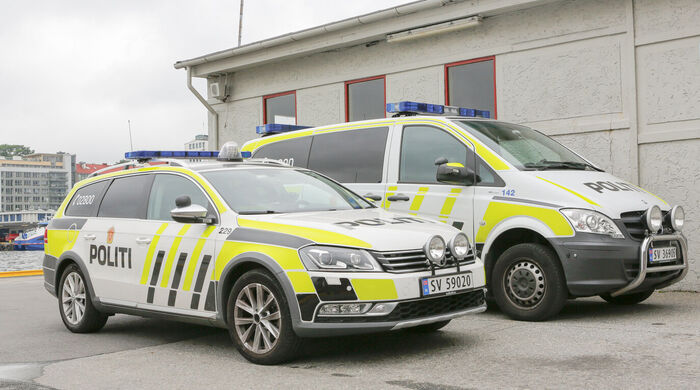
UiA professors Morten Goodwin and Jaziar Radianti have been awarded five million kroner. They will develop artificial intelligence that is secure and robust enough for the police to use the tool in their day-to-day work.
Lecturers at UiA can now get help from artificial intelligence to draft grade explanations. This allows them to spend time on things that matter more to students.
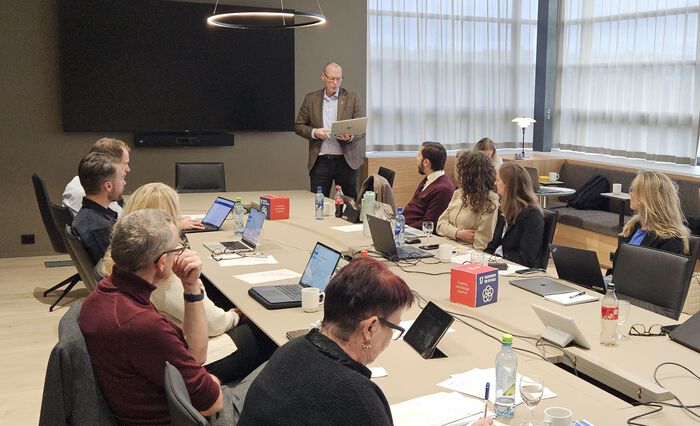
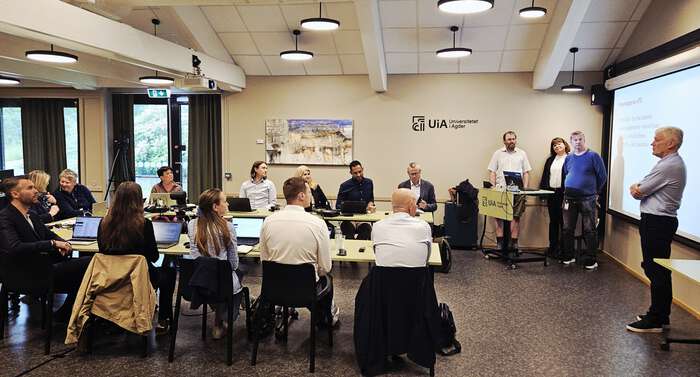
The committee on artificial intelligence in higher education convened at UiA this week, aiming to understand how AI affects professional education.
"Oceanopolis aims to promote responsible use of artificial intelligence in both public and private sectors," says Professor Morten Goodwin.
SERENE at the University of Agder will bring together the country's leading environments to develop concrete solutions for digital crisis management.
"Today, the public sector is at the mercy of the big tech giants. We aim to change that," says Professor Morten Goodwin.
The government has appointed Hilde Inntjore, Vice-Rector for Education at UiA, to the committee on artificial intelligence in higher education. The committee will advise on how AI technology will benefit students and universities.
This is how artificial intelligence will shape the world leading up to 2030, according to Morten Goodwin.
Students have voiced their opinions through the 2024 national student survey, Studiebarometeret.
The University Board has allocated substantial funds in its 2025 budget to support faculties, teacher education unit and administration in adopting new technologies and enhancing educational flexibility.
Musicians have little to fear from artificial intelligence, even if some types of jobs disappear. The most important thing is to protect the craft believes researcher Steinar Jeffs.
Artificial intelligence is advancing rapidly and is now more relevant than ever. At UiA, we offer two interdisciplinary courses that provide crucial knowledge and prepare you for the future. Sign up by 1 September
"Not too bad," says UiA Professor Stephen Seiler about the training programme created by ChatGPT.
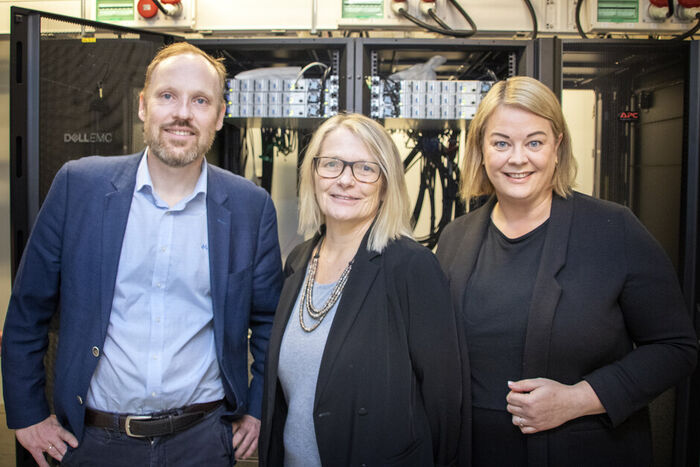
Sparebanken Sør and UiA are collaborating to develop a more equitable and environmentally friendly alternative to the artificial intelligence technology used by major tech companies. Leading this initiative is Professor Ole-Christoffer Granmo from UiA, who was named the Norwegian AI researcher of the decade.
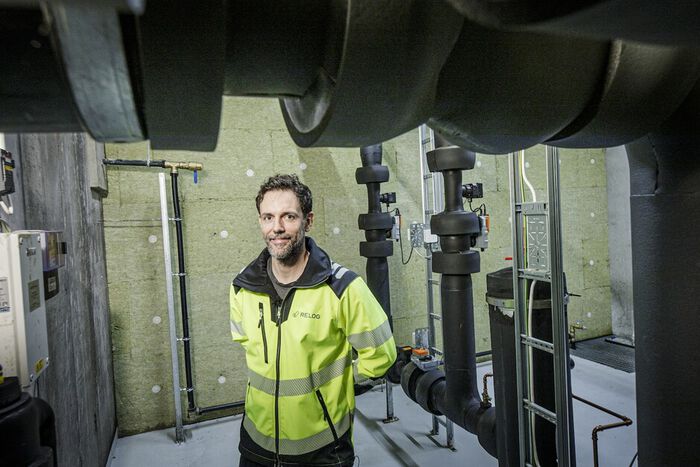
Industrial buildings can save up to half of their energy consumption by entrusting thermostats to artificial intelligence.
What the banks’ artificial intelligence (AI) knows about you can lead to unfair discrimination. A new doctoral dissertation shows how this can be avoided.
Arms race, unemployment, cultural revolution, and AI in government - join us as researchers from the University of Agder's Centre for Artificial Intelligence Research unveil their crystal ball.
The Research Council has awarded the University of Agder NOK 15 million for new research on cyber security.
Researchers at UiA have developed a framework to ensure that artificial intelligence (AI) supports all users equally.