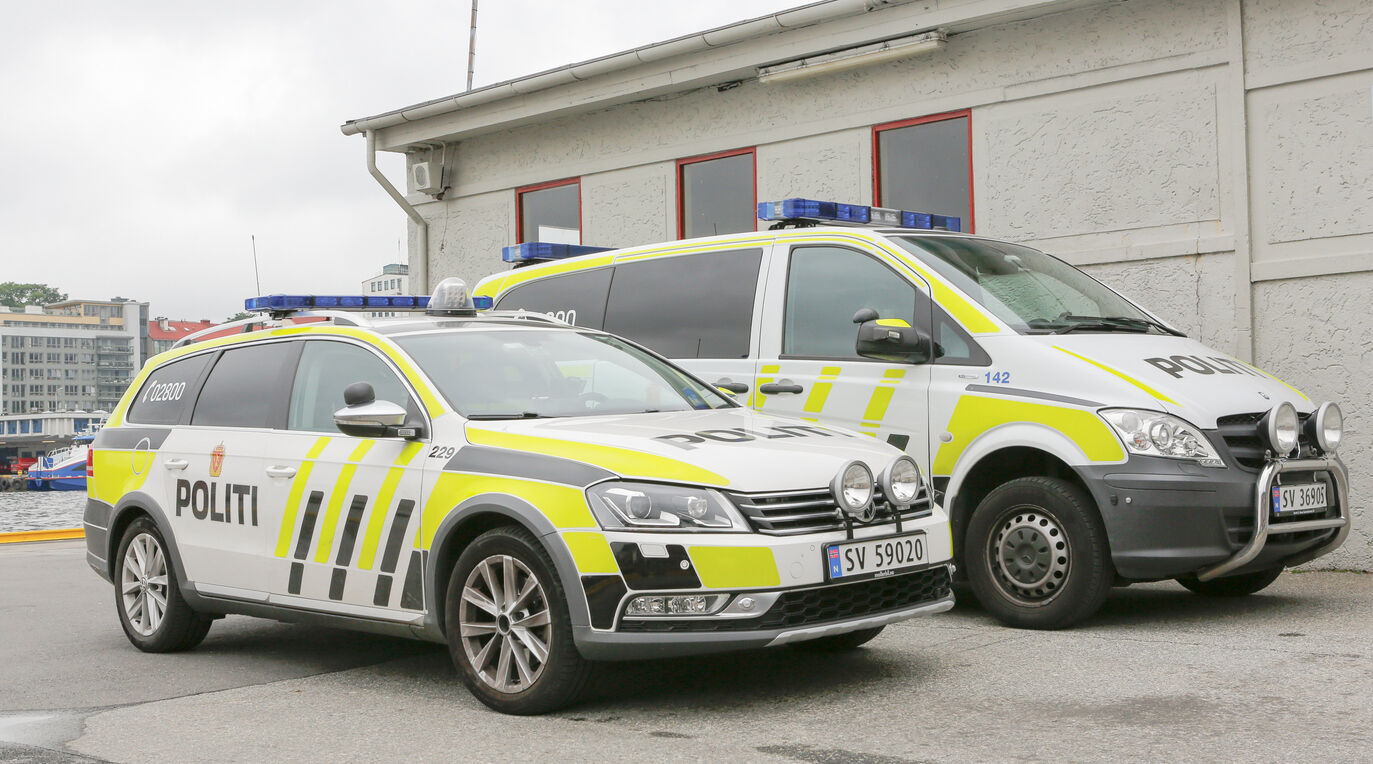
The research project is led by the industry partner Davidhorn, with research partners including inFuture, the Norwegian University of Science and Technology (NTNU), the University of Liverpool, and the University of Agder (UiA).
Other partners include the Oslo Police District, the Norwegian Police Security Service, and the police unit for war crimes in Ukraine.
The total budget for the project is NOK 42 million. The Research Council of Norway is contributing NOK 16 million, of which NOK 5 million will go to UiA.
Efficient and robust AI
“This will strengthen the police’s capacity and improve efficiency in crisis management and investigations,” says Morten Goodwin, Professor at UiA and Deputy Director of UiA’s Centre for Artificial Intelligence Research (CAIR).

Morten Goodwin is the project leader for UiA’s contribution and has primary responsibility for developing artificial intelligence (AI) that the police can use to become more effective.
Legal safeguards for all involved
The AI will also ensure legal safeguards for all parties involved. It is therefore important that the artificial intelligence is trained in crisis management and public safety. Professor Jaziar Radianti is also involved in the research. She leads UiA’s Centre for Integrated Emergency Management (CIEM) and will have special responsibility for this aspect.

“At CIEM, we have extensive experience in developing solutions for the police, fire services, and other emergency response actors. This involves integrating information from various sources to ensure that those responsible make the right decisions during crises,” says Radianti.
Fast and accurate searching
“We will develop AI that ensures the correct information is extracted from large and complex data sets. A key part of this is helping multiple parties understand complex information in the same way,” says Goodwin.
He highlights the collaboration between command centres and operational units as an example.
The AI will also be able to transcribe oral conversations in real time, search quickly and accurately through large databases, support interrogations, assess interviews, and assist in police interview and interrogation training.
The project will start in January 2026 and run until 2029.