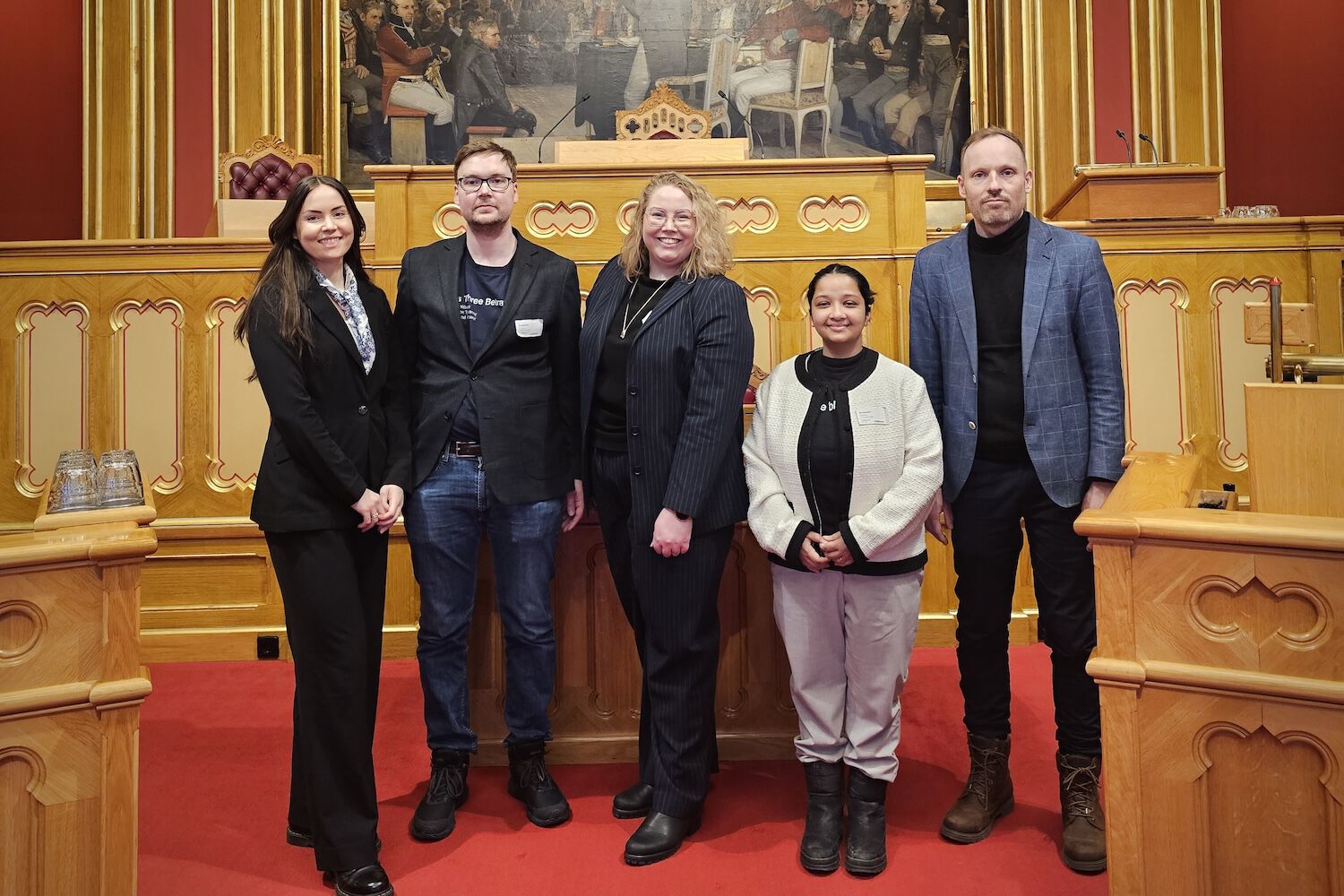
“Many AI models, especially deep neural networks, are complex and difficult to interpret. This can make it challenging to understand how decisions are made,” says Frode Rein, Head of the IT Strategy and Innovation Section at the Norwegian Parliament.
Rein explains that this was the reason the Parliament wanted to gain more experience with artificial intelligence that is open, explainable, and verifiable.
“This is particularly interesting for anything related to use within democracy and the Parliament’s work processes. We will then assess whether this is a path to pursue further,” he adds.
Good results
The Tsetlin machine is a code for training artificial intelligence on a computer, developed by UiA Professor Ole-Christoffer Granmo.
Unlike the dominant AI technology, it is not based on deep learning but on logic. This makes the Tsetlin machine more efficient, while also making its decisions easier to understand.
“The Tsetlin machine is not a language model. It doesn’t have a website where you can chat with it. It is an open and accessible technology, but you need programming skills to use it,” says Rebekka Omslandseter, Associate Professor at the University of Agder.
Since April 2025, UiA researchers have been experimenting with the Tsetlin machine at the Norwegian Parliament. The goal has been to see whether it can be used to assign keywords to the reports produced by the various parliamentary committees.
“The results have been very good. The Tsetlin machine has been more accurate than the methods we have compared it with,” says Omslandseter.
Open and Norwegian
For the Norwegian Parliament, it has been important that the Tsetlin machine is both Norwegian-developed and open.
Frode Rein describes the results as interesting. He explains that large language models naturally take up much of the Parliament’s focus on AI at the moment, but that makes the Tsetlin project particularly valuable in providing important knowledge.
“We need to understand which technology is suitable for which types of tasks. The insights we have gained about more transparent and explainable models will guide us going forward. We also share this knowledge with other parliaments through our international networks,” he says.
Granmo’s introductory book on the Tsetlin machine has been published online for free use.
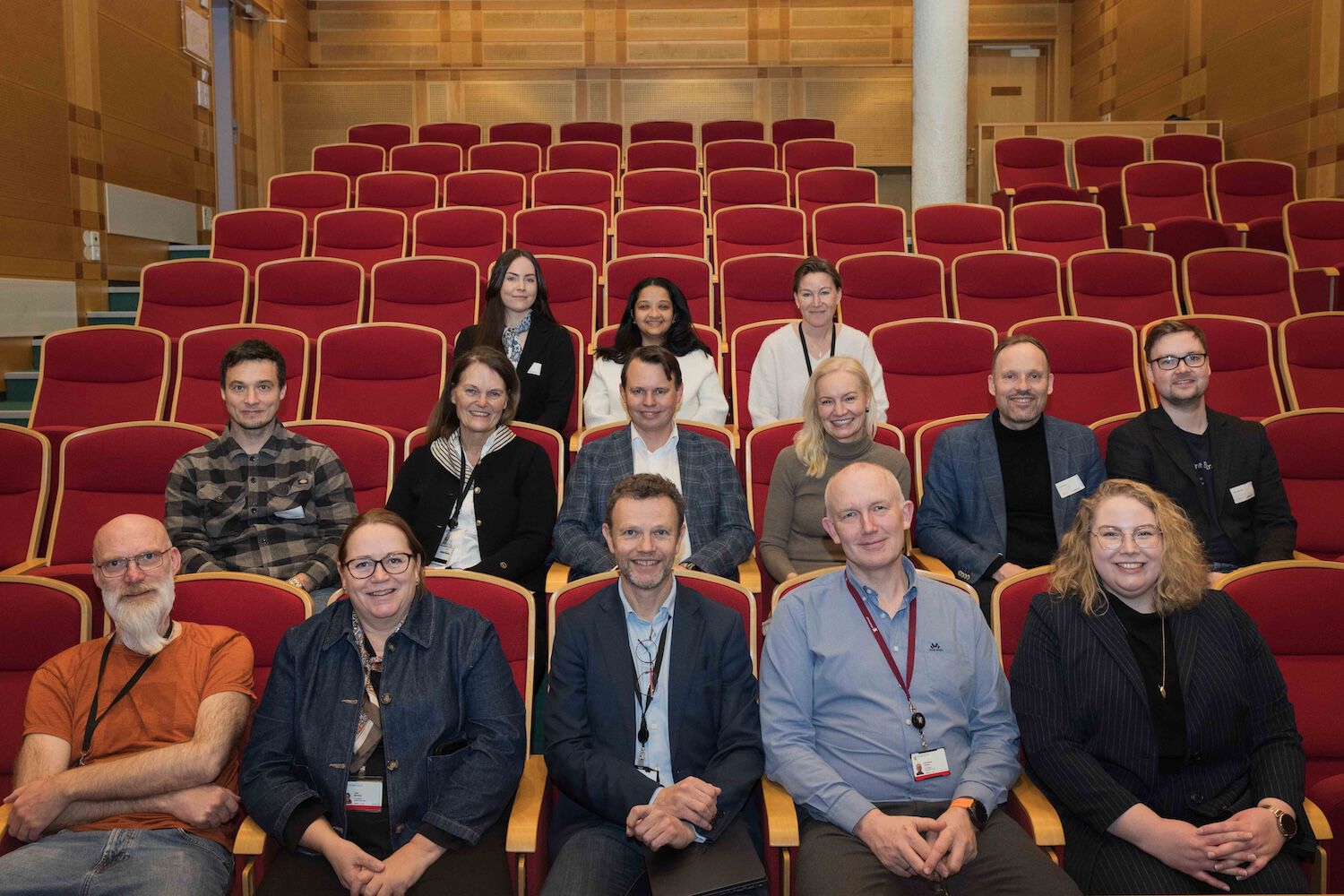
In addition to Omslandseter, Runar Helin, Rupsa Saha, Ylva Grønningsæter, and Ole-Christoffer Granmo participated from the University of Agder. Norway’s Supreme Court, Bouvet, and KnowIT have also been part of the project.