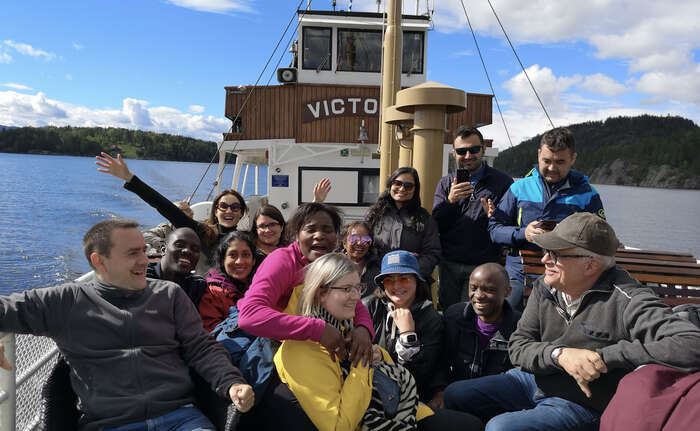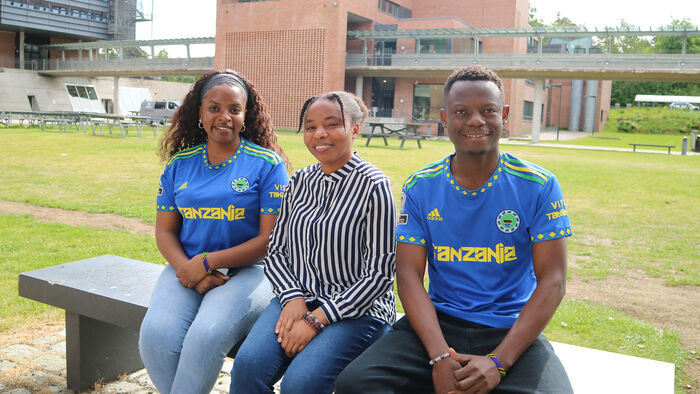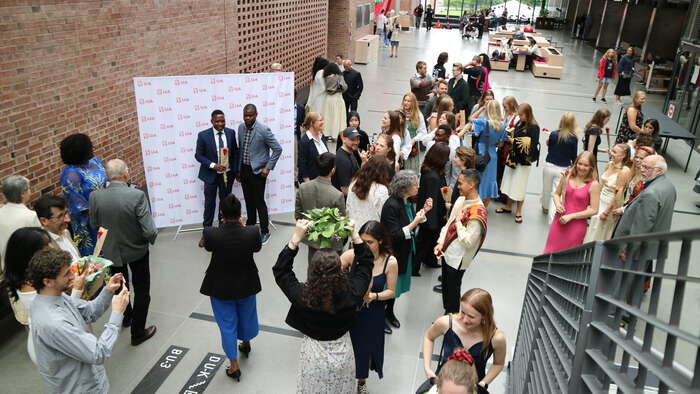
Completing a bachelor's or master's degree is a big milestone. That's why the Department of Global Development and Planning invited students from both its international programmes to a joint ceremony at the end of the semester, to celebrate this year's graduates.
News
The information systems research community at the University of Agder is the best in Norway and ranks fifth in Europe. "This is the result of long-term efforts spanning several decades", according to the head of department.
In a world marked by increasing conflict, shrinking aid and rising barriers between countries, the University of Agder is educating people to do the opposite: collaborate across borders. After 20 years, the programme is more relevant than ever.
With close to 1.8 million kroner in funding, the University of Agder will ensure that current and future leaders know more about Europe's second largest country.
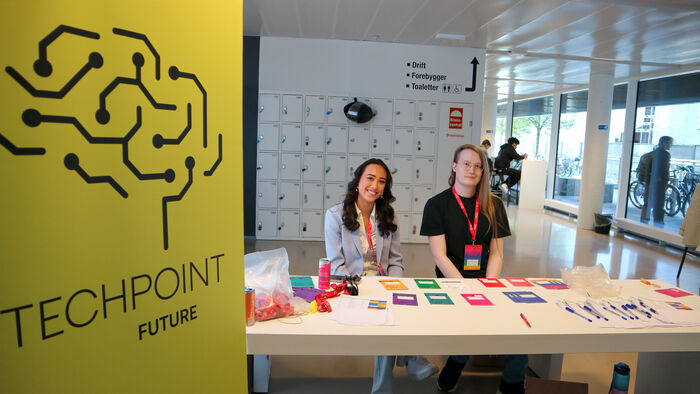
University of Agder students and staff teamed up with businesses again this year for the Techpoint Future conference at Tangen Upper Secondary School, where students can try out new technology on real work challenges.
Norwegian municipalities know too little about how to be good employers for teachers and school leaders. A new study from the University of Agder reveals significant gaps in the research on municipalities' role as local school authorities.
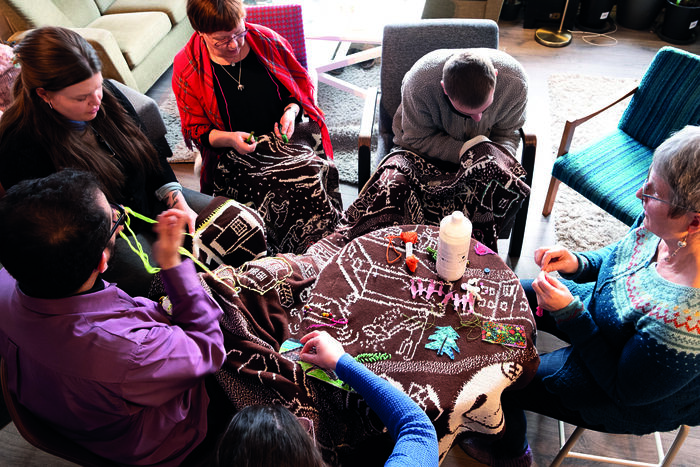
A powerful story from Trastad in Northern Norway has found its way to the international architecture biennale in Venice in the form of a tapestry. Behind this stands Ph.D. candidate Eduardo Cassina.
Nordic experiences can help Ukraine and other countries with gradual association with the EU.
For nearly six years, UiA has collaborated with partners in Rwanda, Uganda, and Tanzania to strengthen research and capacity in social work. Through local fieldwork students have become more aware of their important role as social workers.
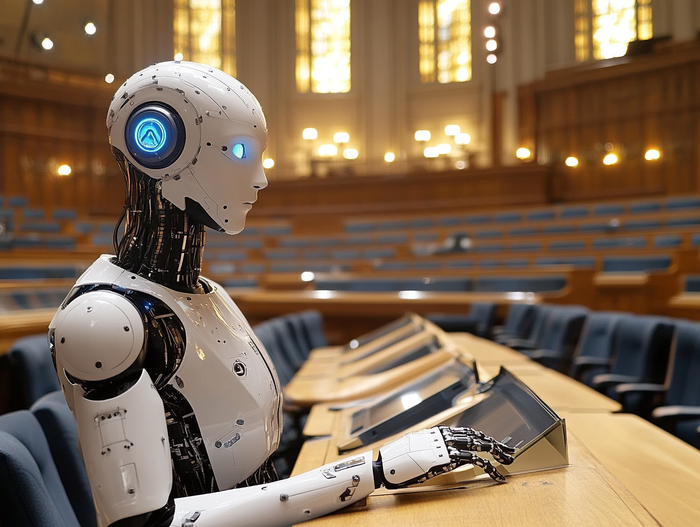
Norwegians trust that public authorities will use artificial intelligence responsibly. Now researchers have developed 12 principles to ensure that this trust is not abused.
"There is a concerning lack of political disagreement about artificial intelligence," says researcher.
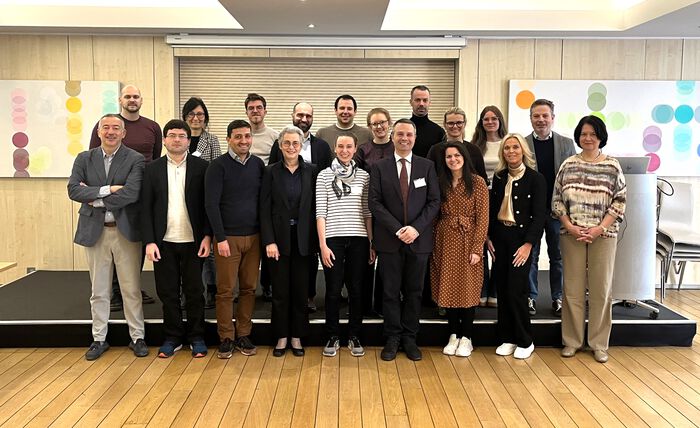
The University of Agder is leading a new three-year EU project aimed at improving Europe's largest researcher training programme.
Tourists are a vulnerable group that is not sufficiently considered in contingency plans, warns a researcher.
When the pupils could spend a few hours a week on a farm, they felt seen and experienced a sense of achievement. "There's a need for change in schools, especially at the lower secondary level," says a researcher.
Professor Jarle Trondal says that the new digital resource will be a quantum leap for social science research. The Research Council is providing funding for the development for the next five years.
A new European project has secured NOK 36 million to analyse the handling of some of the most important challenges facing the world today.
Human rights violations do not only occur outside the Nordic region, says Beate Goldschmidt-Gjerløw. She is a co-editor of a new book on how human rights are taught in schools.
Eric Kimathi has conducted research on tensions that may arise between immigrant parents and kindergarten staff.
Schools that succeed have middle managers who are willing to be educational leaders, while schools that fail have middle managers who are pressured to do other tasks, according to a new report.
Volunteer work requires personal involvement, but it should not become a personal development project.
Countries across the world generate a vast amount of data while reporting on their initiatives to address climate issues. This presents both challenges and opportunities.
What happens on land if offshore wind is established? That is the question social scientists at UiA want to find an answer to.
Social scientists Laura Tolnov Clausen and Mikaela Vasstrøm at UiA will find out how offshore wind projects can create new opportunities for regional development in Agder.
“We cannot truly understand democracy unless we simultaneously grasp how bureaucracy functions,” says Professor Jarle Trondal.
“The findings are astounding. I understand well why many are leaving the profession,” says Professor Morten Øgård.