When the master’s programme in Development Management was established at the University of Agder in 2005, both its subject and format were innovative. It was the first online master’s programme in Scandinavia, developed in close collaboration with partners in the Global South.
Today, the programme is called Global Development, Crisis and Change, and it is more relevant than ever.
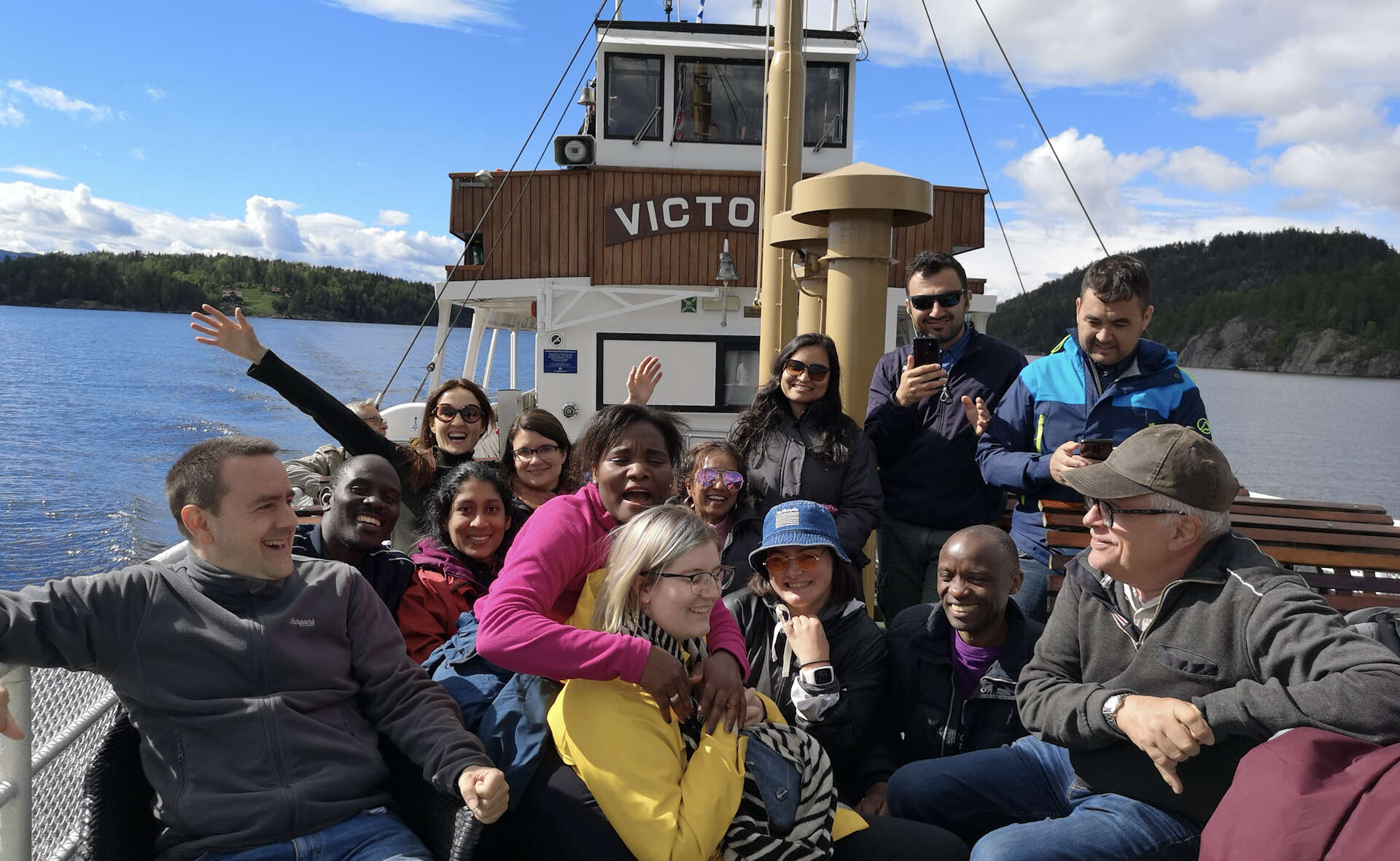
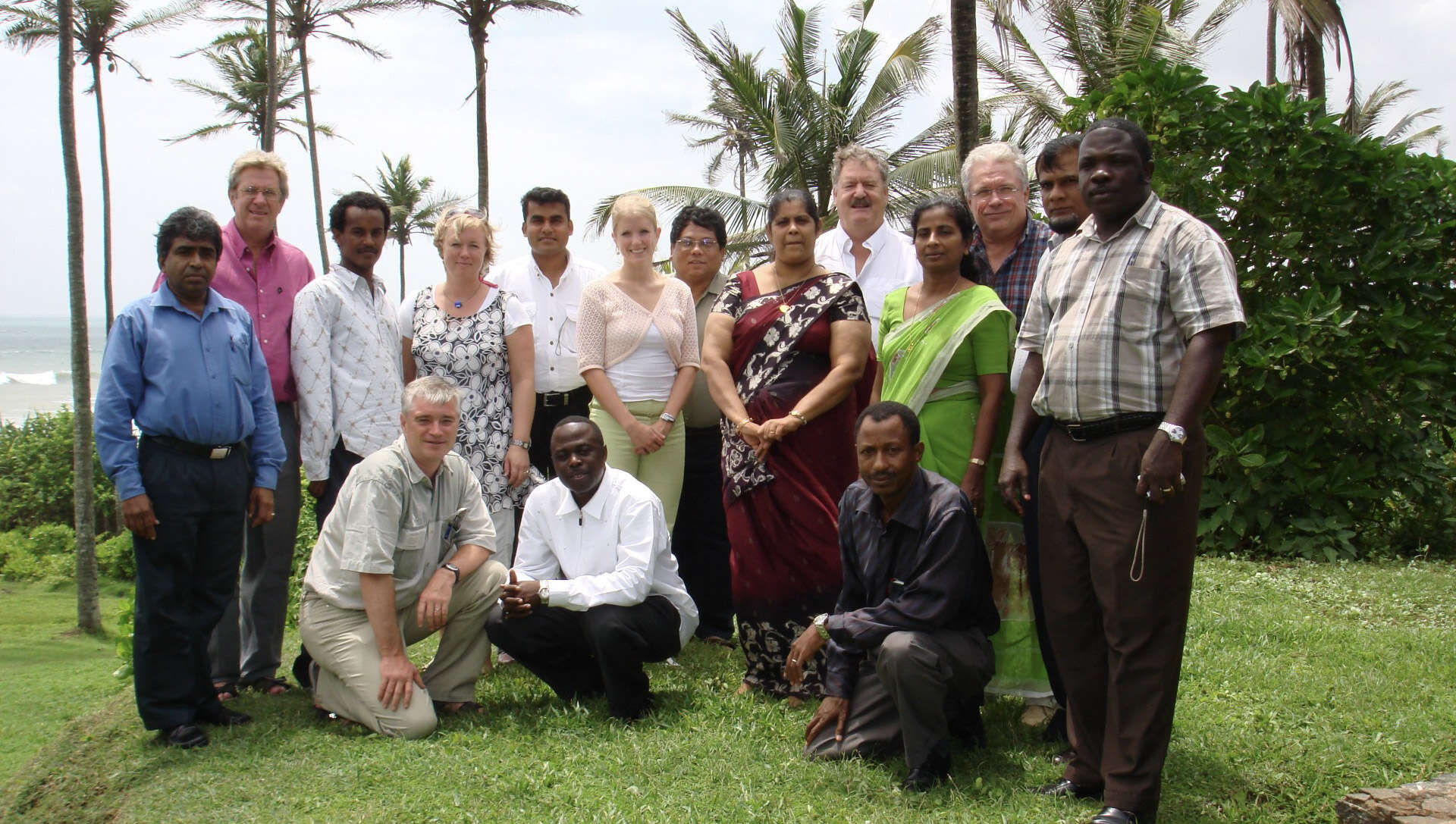
Since its inception, the programme has combined asynchronous digital learning with physical gatherings at the University of Agder and at partner universities to create a “global classroom”. Students from countries such as Tanzania, Ghana, Ethiopia, Uganda, Bolivia and Sri Lanka meet Norwegian students—not only in the same virtual classroom, but in discussions about the world’s most pressing challenges. Over time, the programme has graduated 422 master’s students, around half of whom are from the Global South.
Expanding access to education
“In the beginning, the most important goal was to create a broad international academic environment around the programme, and to help more women in the Global South gain access to higher education,” says Arne Olav Øyhus, one of the founders of the master’s degree.
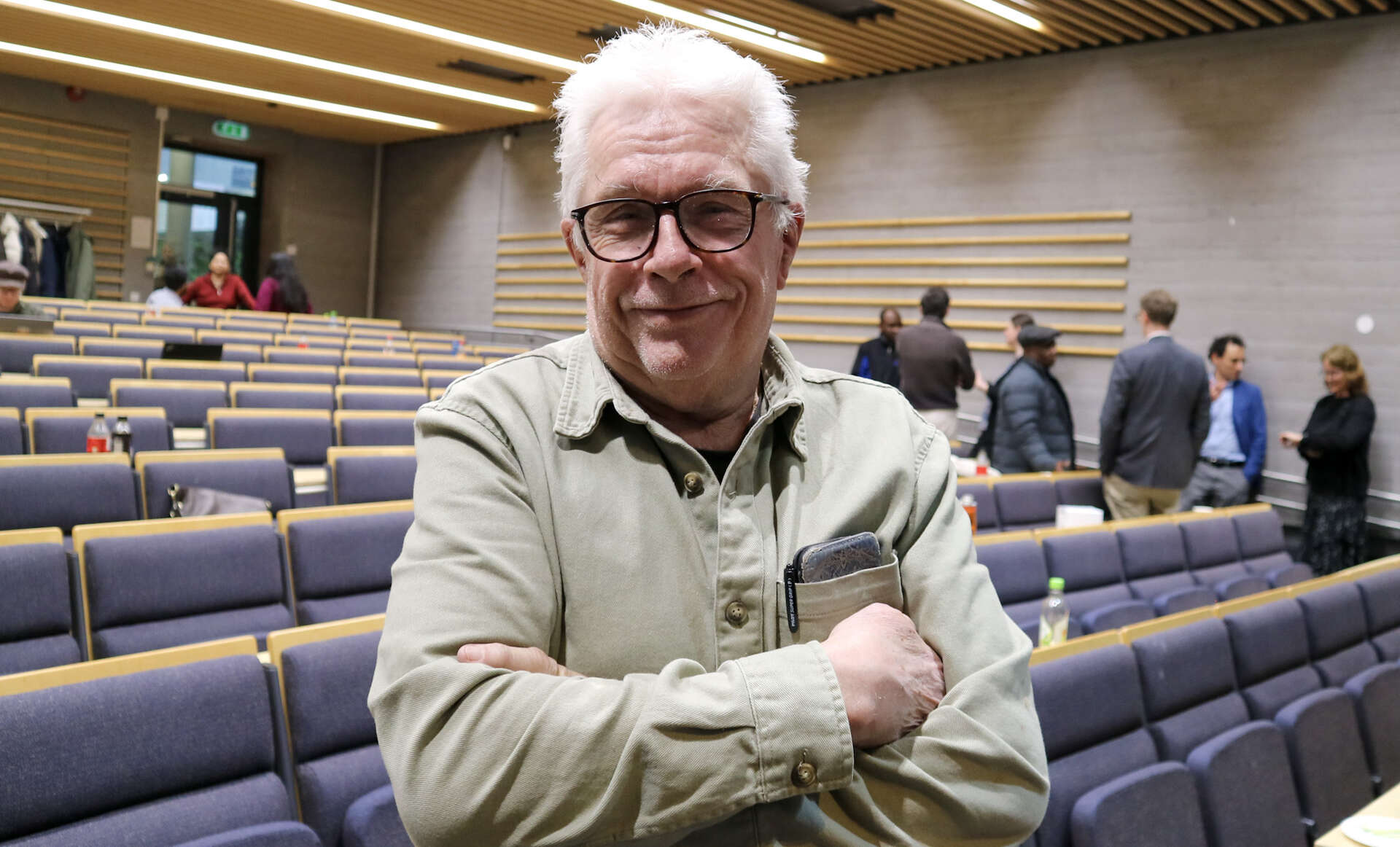
“The aim was to connect students across the world so they could share knowledge, perspectives, and become agents of social change. The master’s programme stood out because it was built on e-learning, and as it was online, students could study without having to move. This created opportunities especially for more women who would otherwise have found it difficult to pursue traditional studies. Many of the graduates would likely not have continued into higher education without an online offer,” says Øyhus.
Although the programme was digital, physical meeting places were still important: three weeks at the University of Agder at the start of the programme and four weeks midway through at the University of Ruhuna in Sri Lanka.
Today, the programme remains popular for the same flexibility, but also because it allows students to study alongside people from all over the world.
Collaboration itself is part of the curriculum
An important part of the programme is not only what students learn, but who they learn with.
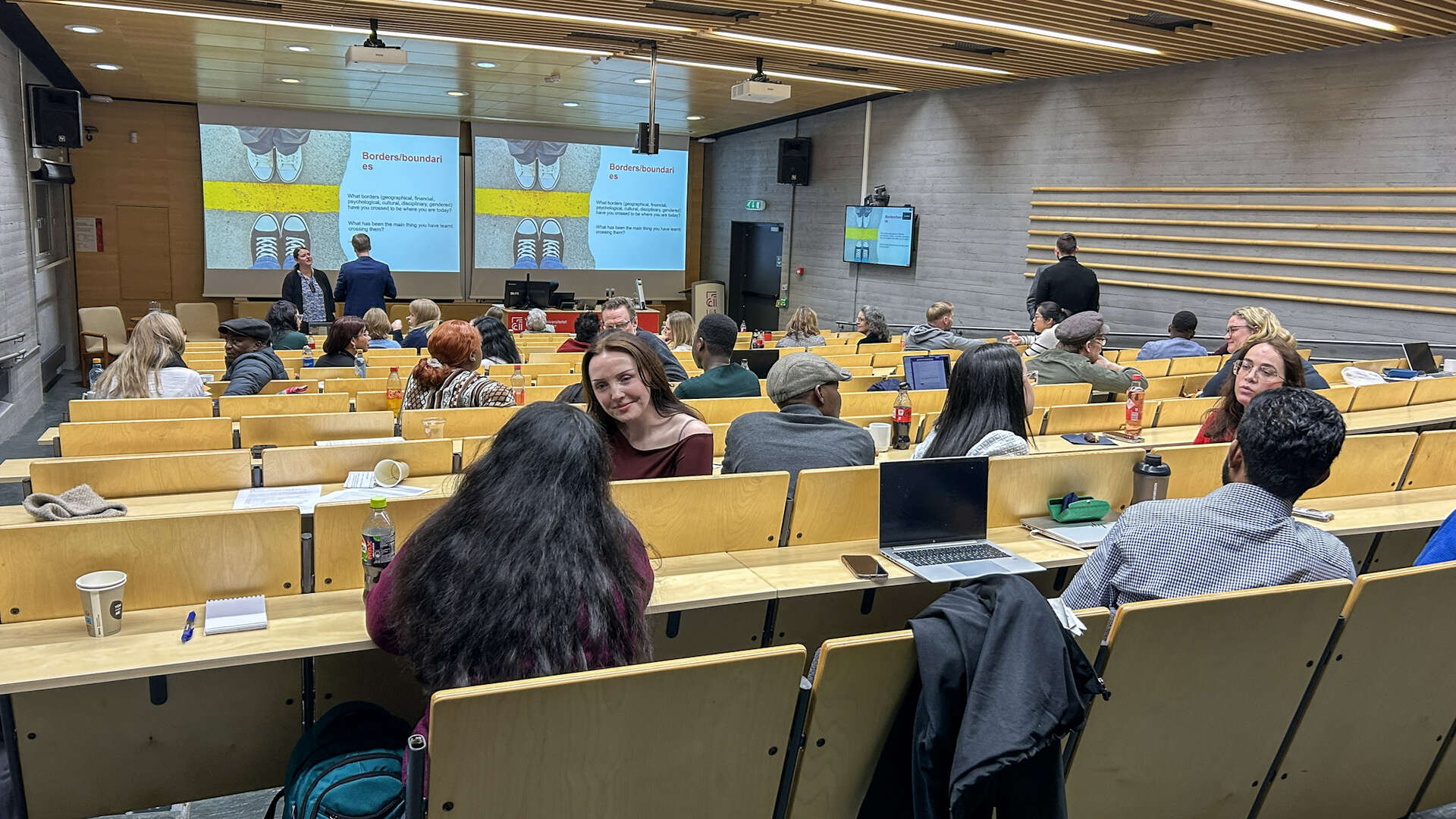
“We take time to make students aware of how to collaborate and co-create knowledge. Different experiences and perspectives on the world contribute to richer learning and understanding. When students from many different countries come together—for example, when a student from South Africa discusses climate policy with one from Norway, or one from Uganda analyses aid cuts with one from Colombia—something happens that cannot be learned from a textbook. They bring their own experiences into the room, and that is part of the education,” says programme director Astrid Bredholt Stensrud.
A topic that is increasingly relevant
As the Department of Global Development and Planning marks the 20th anniversary of the master’s programme, it does so against a serious backdrop. The climate crisis is hitting hardest in many of the countries where the students come from. Democracy is under pressure in large parts of the world.
The United States has made major cuts to USAID, the most significant single change in global aid in decades. International cooperation is weakening, and Norway has introduced tuition fees for students from outside the EU/EEA.
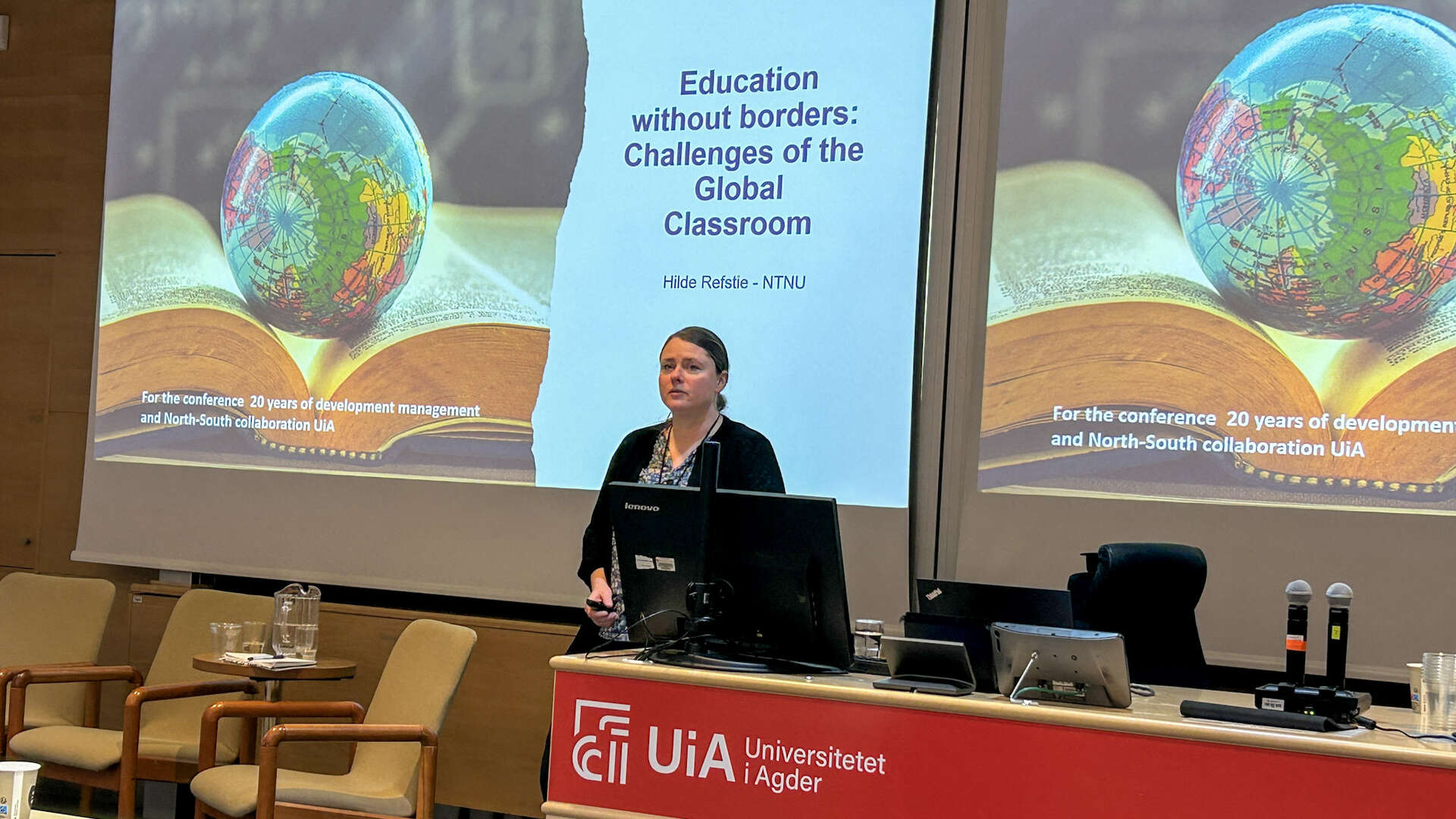
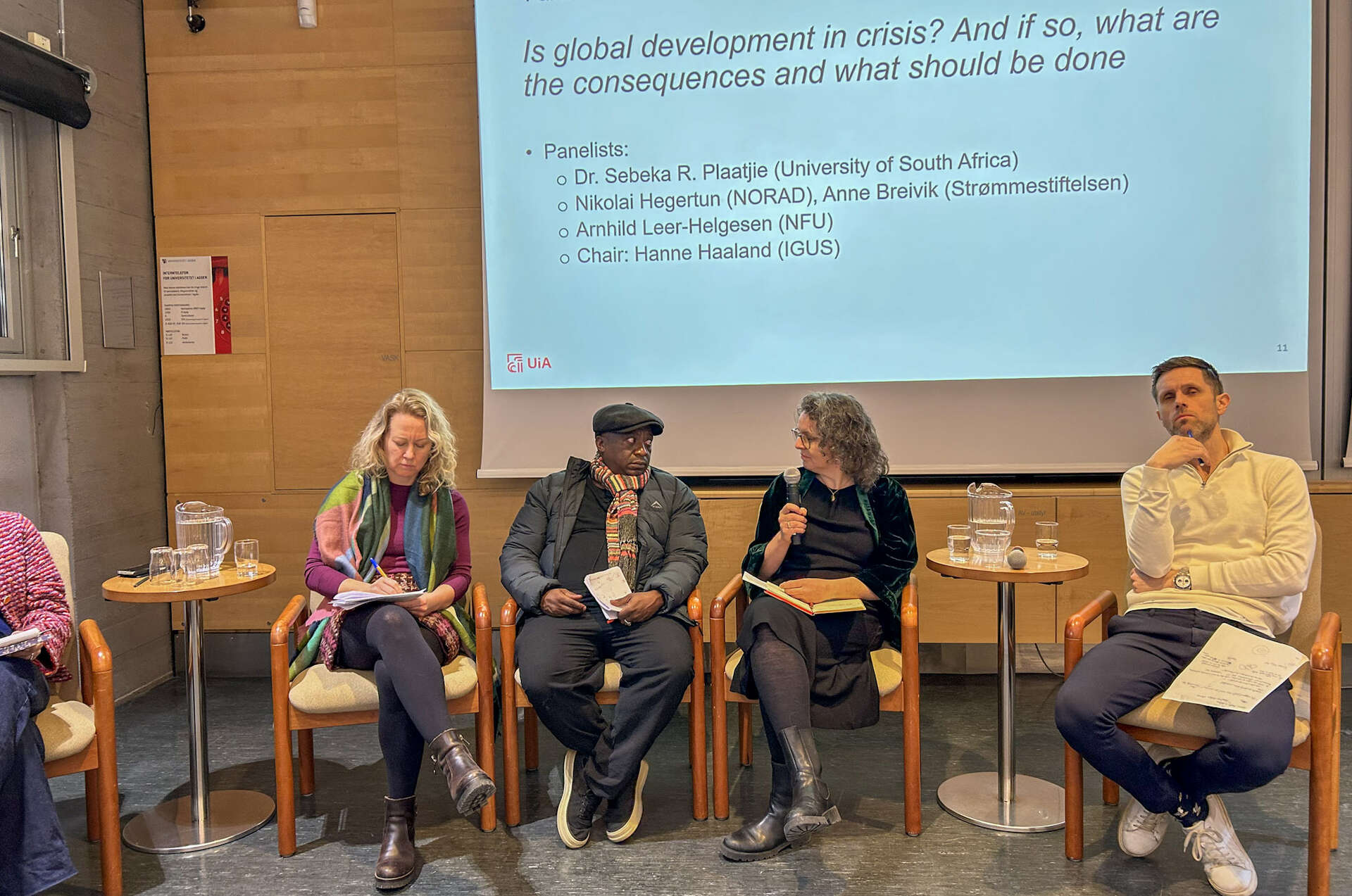
For the anniversary celebration, former students and partners from academia and the aid sector gathered to discuss the new challenges facing the “global classroom.”
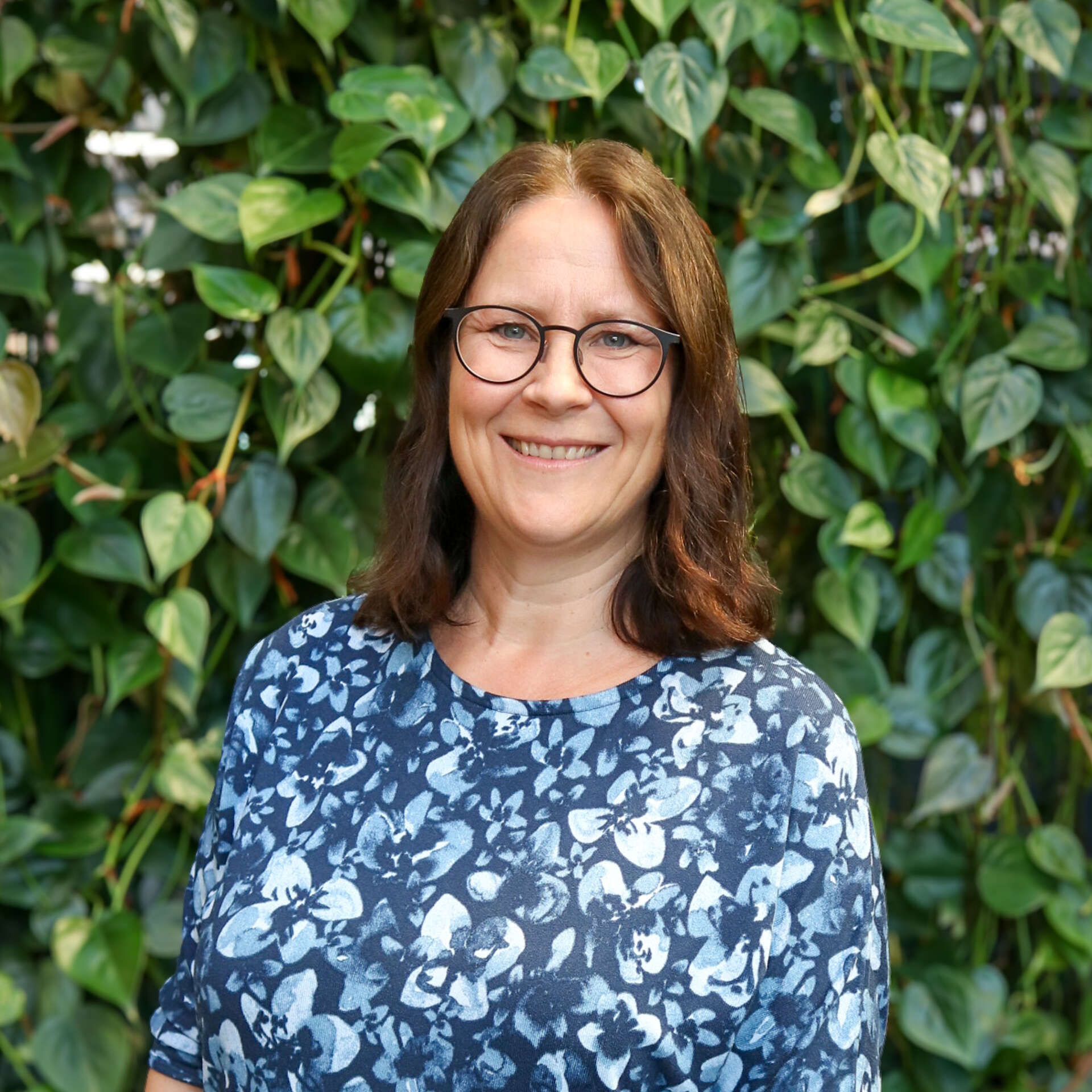
“Today’s crises and wars are global, with far-reaching consequences across borders, and therefore require global solutions. At the same time, we are seeing growing nationalism, authoritarian regimes and closed borders. That is why there has never been a greater need for educational programmes that promote international cooperation for a sustainable future. The relationships we have with our partners in the Global South are absolutely essential; together with them, we create the understanding and knowledge needed to drive change in the world,” says Stensrud.
Graduates who make a difference
Former students have gone on to roles in aid organisations, the UN system and government agencies around the world. Many of the earliest students were staff at the institute’s partner universities and have continued their academic careers there.
“We have provided many with strong academic competence, and a large proportion have gone on to do a PhD. This has contributed to lasting relationships between academic institutions internationally, relationships of great mutual value,” says Øyhus.
Several alumni remain in contact with the department and their fellow students. In this way, the programme has become a platform for long-term university collaboration, not just a study programme.
Øyhus says many of the partner countries have developed similar study programmes themselves.
“Our aim was to create knowledge and competence in the field. The teaching offer was completely open and developed in collaboration with our partners, and anyone could use the courses, or the entire programme if they wished. As a result, we now see that Ghana, Uganda and Sri Lanka, among others, have used the material to establish their own programmes. Through the spread of expertise, we also influence international cooperation,” says Øyhus.
Tuition fees threaten the programme’s foundations
When the master’s programme was established, it was funded by the Ministry of Foreign Affairs, Norad, the former Ministry of Education and Research, and the Norwegian Centre for International Cooperation in Higher Education. The former NOMA programme funded scholarships for students from the Global South, as well as travel grants for students and staff.
Over the past few years, the framework for cooperation with the Global South has become increasingly constrained. The NOMA scheme was discontinued in 2013, and the Quota Scheme—a scholarship programme for students from developing countries, among others—was phased out in 2016.
In 2023, tuition fees for students from outside the EU/EEA were introduced. This led to an 80 per cent drop in the number of international students in Norway. The Norwegian government has promised to ease the requirement, but the legislative change has not yet been implemented. For a programme in which students’ diverse experiences are a central part of the education, this is a difficult loss to quantify.
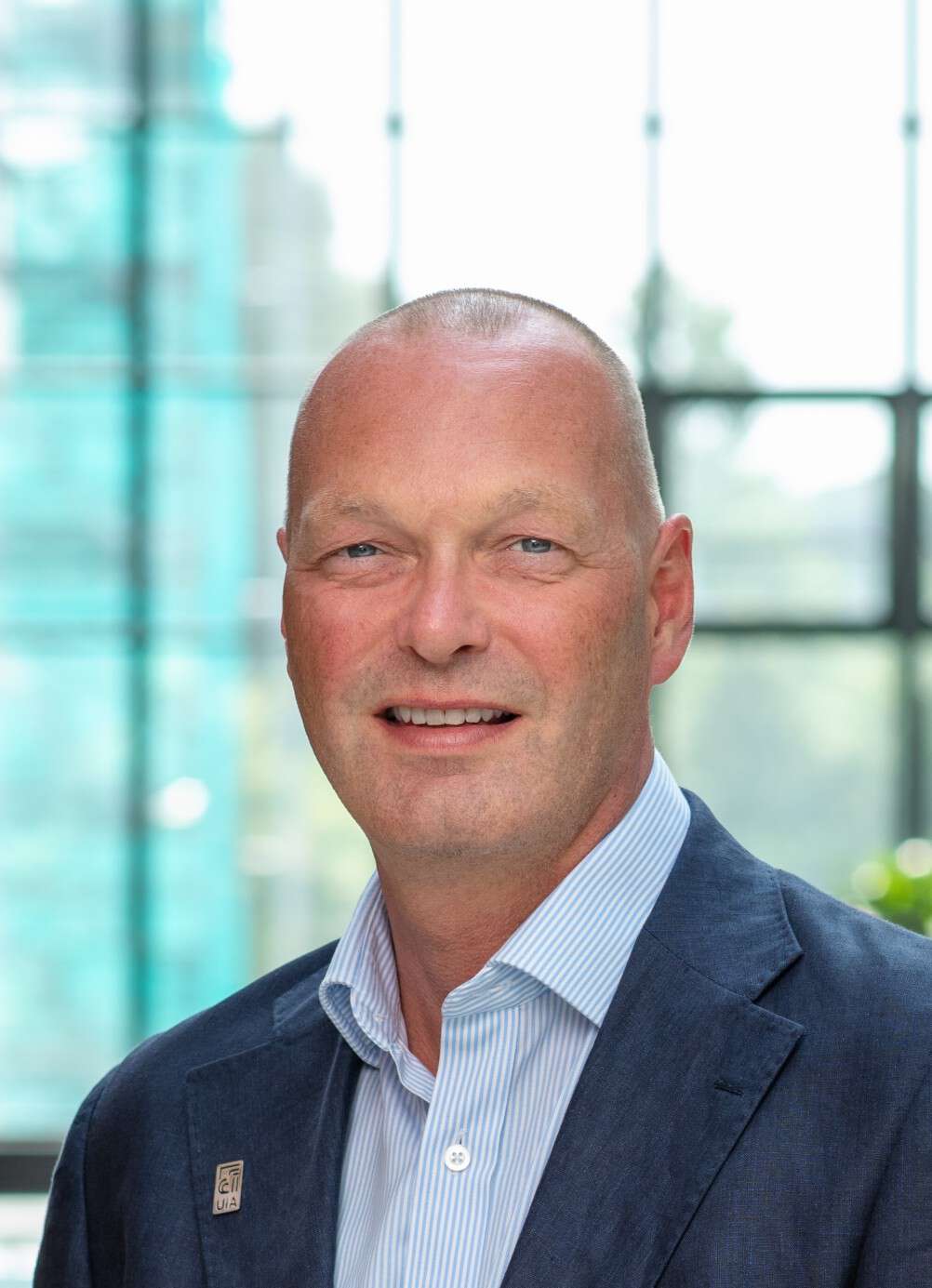
Vice-Rector Hans Kjetil Lysgård has taught on the programme himself and says that international diversity is essential.
“This programme has brought together students and staff from different backgrounds and created a learning environment in which diverse perspectives are crucial. Through fieldwork, collaborative research and student-active learning methods, the programme has shown how knowledge becomes stronger when it is developed collectively, together with students, partners, local communities and institutions around the world. Norway benefits from giving more people access to learning about global development, and we are especially enriched by the expertise that international students bring to our academic environments,” he says.