The NORAD-supported RESILIENT project started in 2021 and will last until 2026. Experiences and research will be presented at a concluding conference in Kampala, Uganda, in June. The project includes collaboration partners at the University of Rwanda (Department of Social Work), Makerere University in Uganda (Department of Social Work and Social Administration), Institute of Social Work in Dar es Salaam, Tanzania and University of Agder, Norway. Through the project, 26 master scholarships have been awarded to students, and 8 Ph.D. candidates have been funded, two of whom will graduate in June and defend their degrees after the closing conference. Several research articles are underway, and the collaboration has impacted both research and teaching at the various institutions.
Community social labs
Project leader Ann Christin Eklund Nilsen explains that the project has aimed to achieve capacity building at universities so they are better equipped to work with local communities.
– Students associated with the project are working more directly with communities than they have been used to. They need to become familiar with culture and practices, creating through their presence a dialogue about these practices. Many have found that this dialogue provides space to discuss and address challenging and sometimes topics that are often silenced. The goal is to develop methods to solve problems that people in the community experience, she says.
The stories the students tell are included in the book Community Social Labs, which will be published next year. This is also the name of a methodology within social work developed in the project. A "community social lab" practically means a place for social innovation in rural areas, where the university engages together with the community to find local solutions to extensive societal problems.
More about Community Social Labs on the project's website.
Youth Unemployment
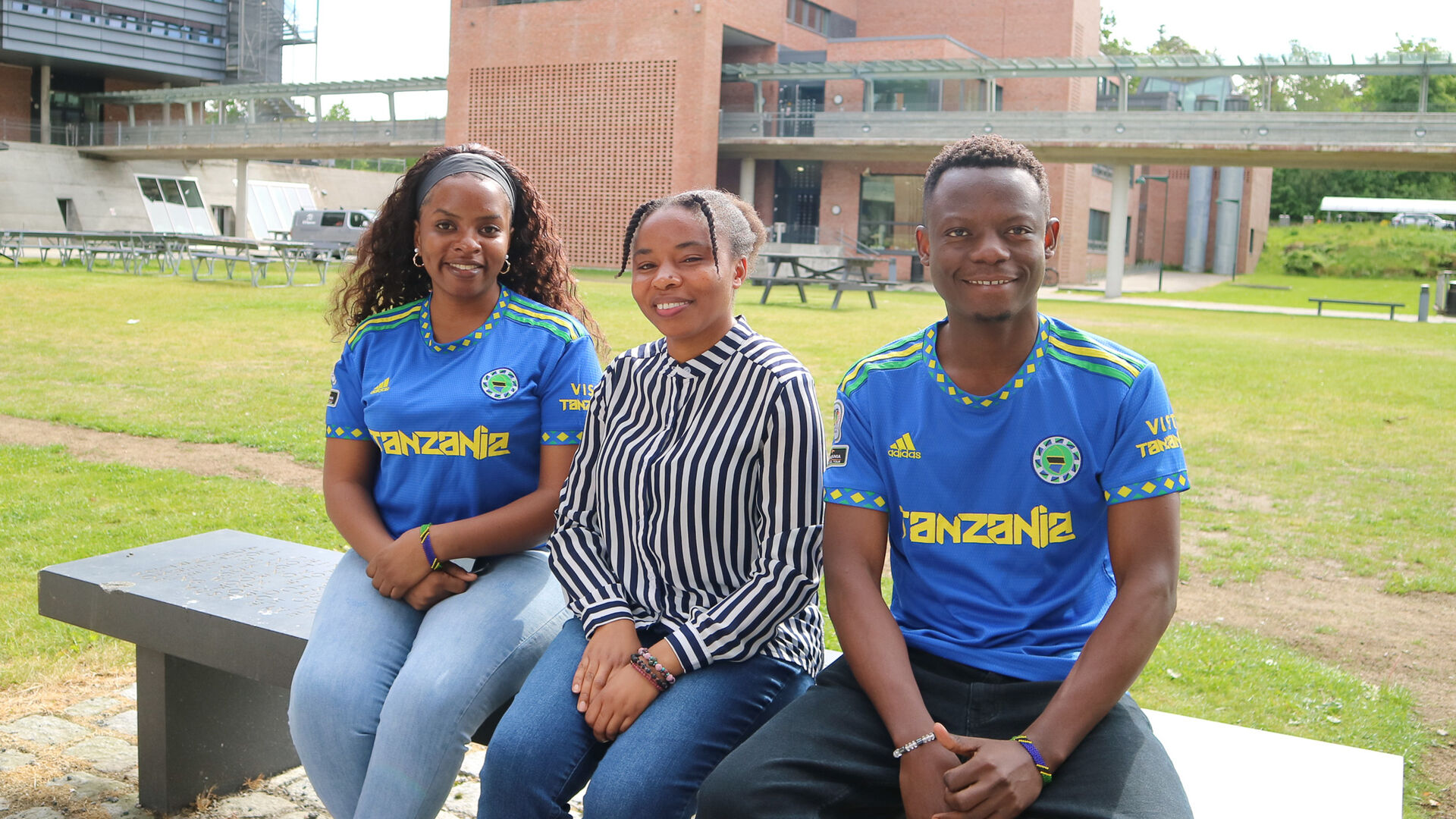
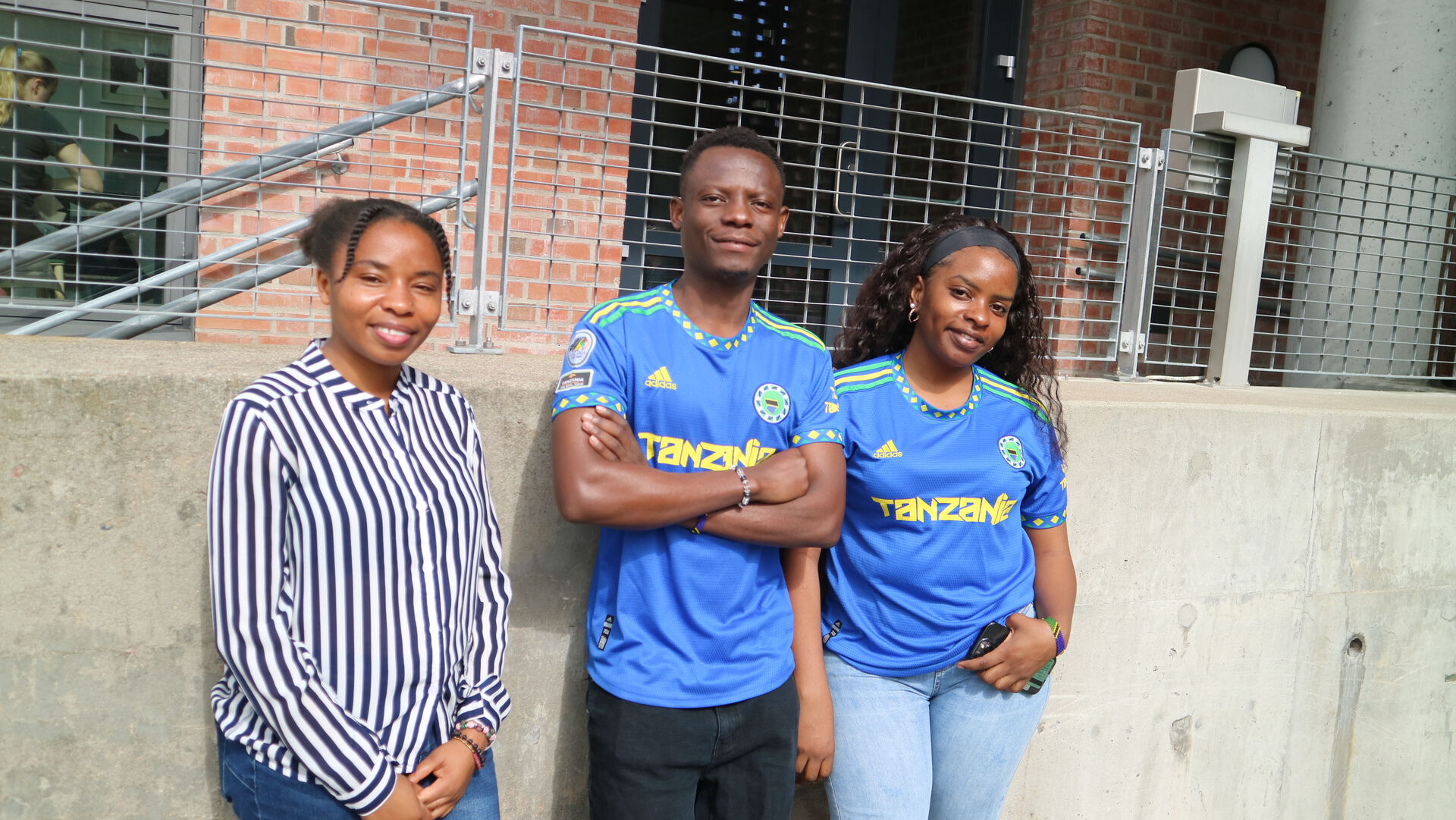
Master students Naomi Kapinga, Daniel Kabuka and Martha Niyigena have received scholarships for a master degreee and engage in an exchange program at UiA this semester. They all study at The Institute of Social Work in Dar es Salaam, Tanzania.
Niyigena conducted fieldwork in her home country Rwanda, a country with an unemployment rate of 19,6 percent. Unemployment is a significant problem in her community too, and she chose to focus on young teenage mothers struggling to find jobs. Although there are jobs available, the women often lack the skills or experience needed, and they lack connections. She approached the topic with an analytical and theoretical attitude but found herself becoming engaged in the challenges she encountered.
– When you talk to people about the challenges they face, you feel a need to do something practical – something that can help, says Niyigena.
Started jewelry production
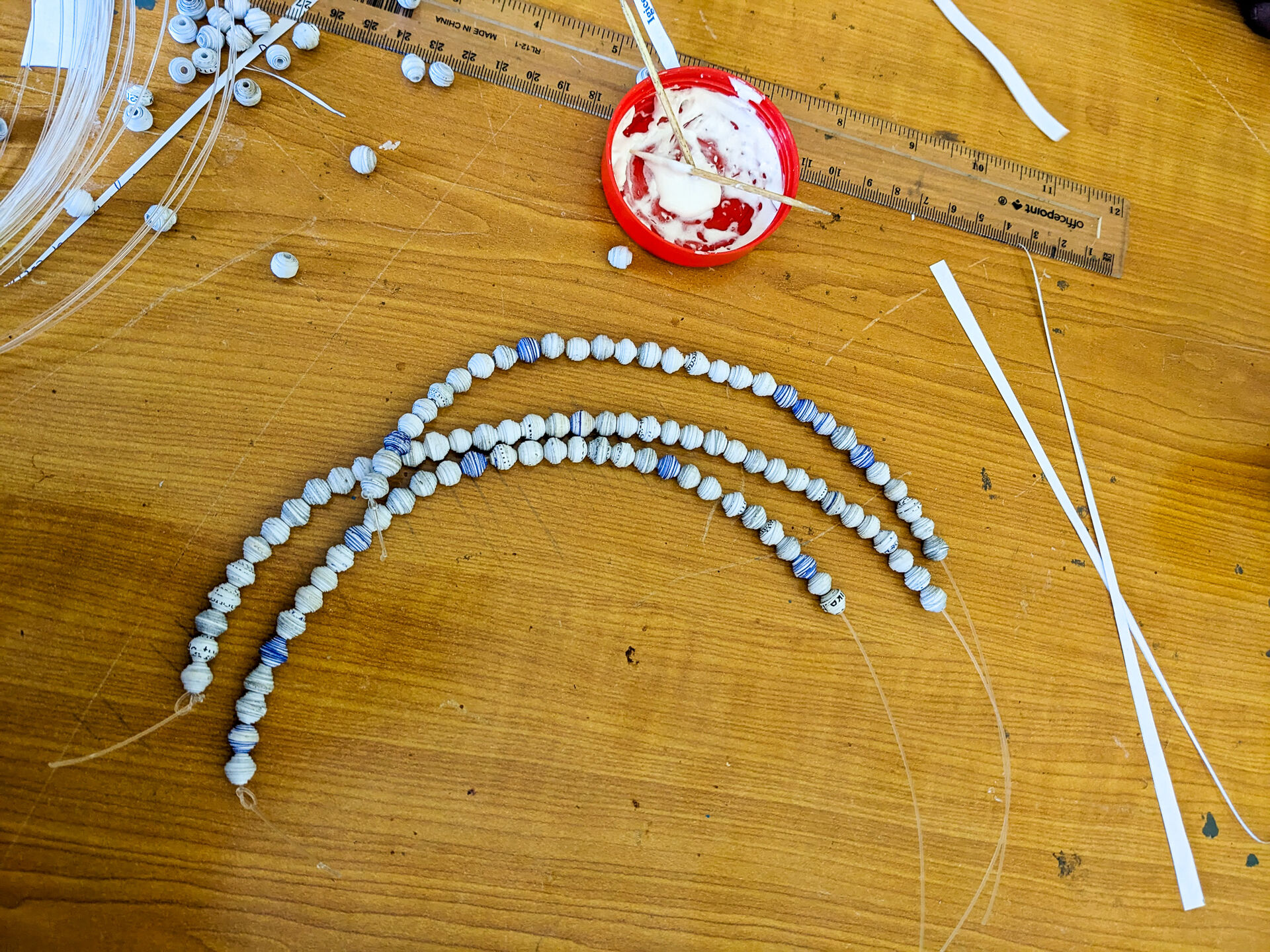
A practical skill of her own became the key to developing an activity for the women: making bracelets from paper waste. By teaching the women the technique and developing a plan together with them, Niyigena helped them establish a small business. They received paper material scraps for free from companies, and by pooling a small amount of money from each woman, they were able to buy scissors, paint, and cover transportation costs of the goods. The jewelry was sold, and the women made a small profit.
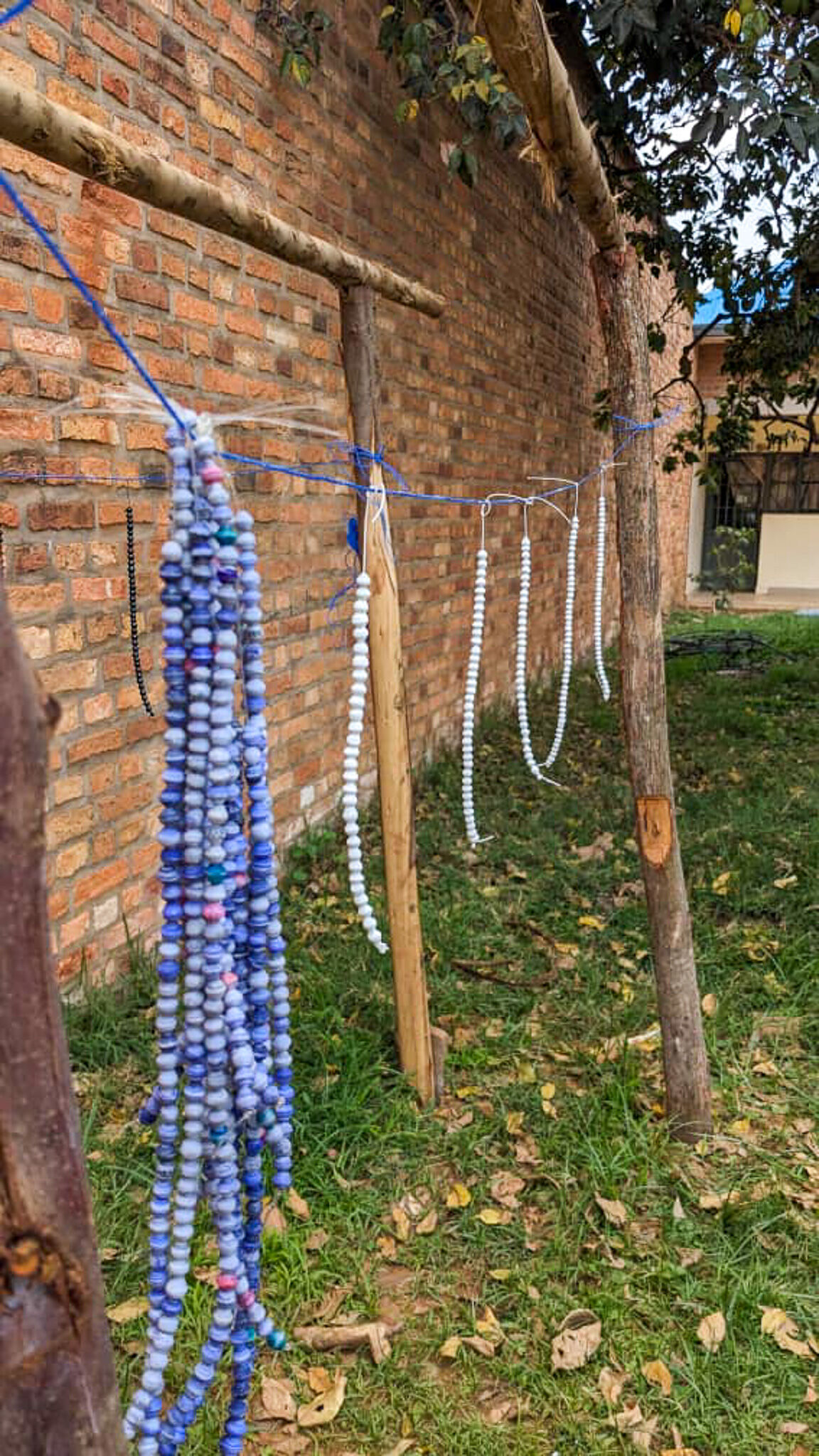
– Although the project is not large, we see that it continues, and it gives the women an opportunity to earn some money. Not least, it's a meaningful activity because they learn through experience: they must contact and speak with others, they must sell the bracelets and organize the work, says Niyigena.
She explains that it's a problem that many innovative projects come to a standstill when the students leave. Therefore, it was important for her to involve and hold local leaders accountable so they follow up and guide the work further.
– The RESILIENT project has made me see social work in a new way. Social work in Rwanda is still a young field that people do not know well. By studying this, we bring in perspectives and theories that help people understand what social work is – and why it is important, says Niyigena.
Investigating services for the elderly
Naomi Kapinga is planning her master's project, where she will explore how elderly people perceive the quality and accessibility of free health services. She will conduct her research in the Masasi District of Tanzania, a rural area with few established health services. She has previously conducted fieldwork at the same location together with Daniel Kabuka, who investigates the experiences of elderly beneficiaries of cash transfer programs.
They explain that the majority of the elderly in Tanzania fall under the poverty line.
– This age group is increasing day by day not only in Tanzania but all over the world. Looking to Tanzania elderly care remains under critical discussions because elderly people live predominantly in rural areas, where poverty and lack of basic infrastructure are prevalent. Family disintegration also has eroded the traditional helping system and caregiving of elderly people who live in rural areas, says Kabuka.
Kapinga emphasizes the importance of involving local leaders in the process and getting them to continue working together with the community when students are not there. The opportunity to do this type of fieldwork has meant a lot to her.
– I am passionate about working with marginalized groups, I enjoy talking to them and listening to their experiences. Getting the chance to do fieldwork has expanded my knowledge and perspectives. Social work is about helping people find solutions and working together with them on this, says Kapinga.
Social Work – locally and globally
During the project period, partners at the various institutions met several times and developed a strong sense of companionship. Fieldwork and teaching collaboration are crucial in the project, but the collaboration is equally a research partnership, Ann Christin Nilsen explains.
– As a sociologist, I am interested in understanding how knowledge is created, and through international collaboration, I have become even more concerned with the question "what is knowledge really?". We need to be more globally oriented in both sociology and social work, and generally, there is great potential in looking more to Africa and Asia for collaboration, also in the university sector. Working with communities allows us to see the connection between what people struggle with in their daily lives and the societal structures around them. Opportunities are vast for social scientists here, says Nilsen.
The next issue of the journal "Comparative Social Work" will feature articles primarily from RESILIENT participants. The book "Community Social Labs" will also be published by Routledge in 2026.
RESILIENT
Six-year research project (2021-2026) funded through the Norwegian Programme for Capacity Development in Higher Education and Research (NORHED). The aim is to strengthen research and capacity building within social work in Rwanda, Tanzania, and Uganda.
The project focuses especially on:
– inclusion of marginalized and excluded groups
– strengthening North-South and South-South cooperation by facilitating employee and student exchanges, joint supervision, and publication
– enhancing the education's fieldwork in rural and low-income areas to make the education more locally relevant.
More information at the project's website.