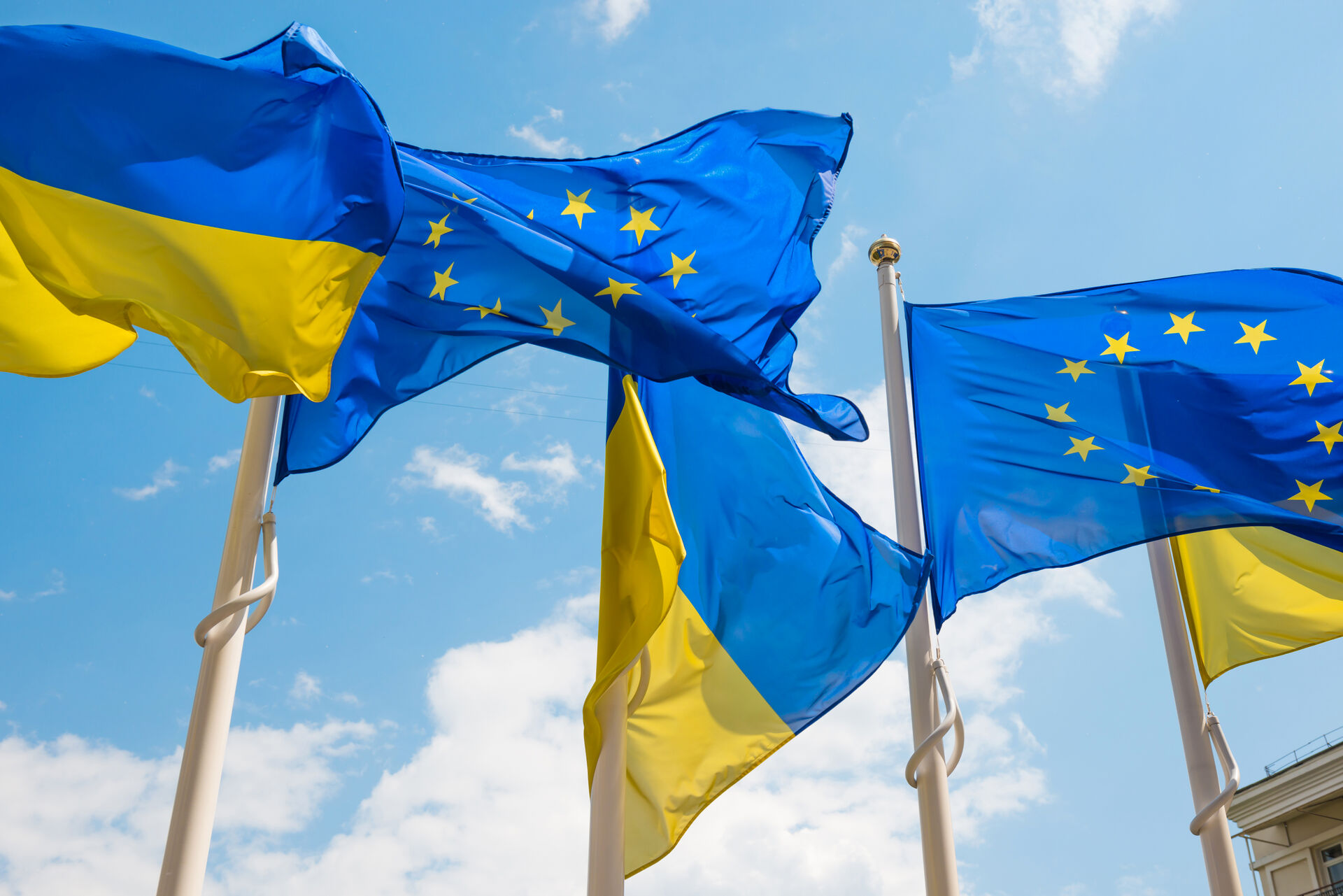
Ukraine and other countries aiming to join the EU can learn much from Nordic experiences, according to researcher Anne Pintsch at the University of Agder.
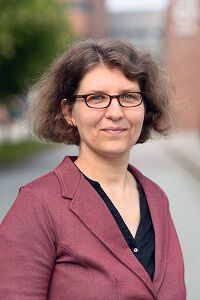
She is one of the editors of a new book on the cooperation between the EU and the Nordic countries.
"The Nordics have been a laboratory for flexible EU cooperation for many years," she says.
Freedom in cooperation
Flexible cooperation is referred to in research articles as 'differentiated integration'. It means that countries inside and outside the union can cooperate with the EU in various ways.
"Just think of Norway. We're not in the EU but cooperate closely through the EEA agreement. That's an example of flexible cooperation," says Pintsch.
Not all EU countries need to participate in everything. They can choose to stay outside parts of the cooperation.
Denmark is a member but has opted out of the euro. Sweden is a member but does not use the euro. Finland is a full member and uses the euro.
"Research shows that different solutions can work well," says Pintsch.
EU as a flexible community
The flexibility allows the EU to expand without forcing everyone into the same mould. This can make room for new member countries. But it also poses challenging political and legal issues.
"Different forms of cooperation have nevertheless been typical for the EU," says Pintsch.
With war in Europe and new countries wanting to join, there will likely be more agreements that lead to gradual integration. Here, the Nordics can show the way. In the new collection of articles, researchers evaluate how cooperation between the EU and the Nordic countries functions in practice.
"We've looked at both what works and what doesn't. It provides valuable insights for researchers and politicians," says Pintsch.
When it works - and when it doesn't
Flexible defence cooperation between the Nordic countries has worked well over the past decade.
"It has been marked by trust that's been built over time," she says.
The EEA agreement has also proven stable. However, some areas are not as easy to collaborate on as others.
"Pensions and minimum wages are examples of areas where cooperation is challenging," she says.
An EU at different speeds
But the flexibility also has a downside.
Flexible cooperation means that member countries have different conditions and agreements. Some participate fully. Others have exceptions. As a result, the EU is not a fixed structure but a network of different forms of cooperation.
"The advantage is that more can join but at different levels and at different speeds," says Pintsch.
The downside of countries developing at different speeds is that it can weaken unity within the EU.
"Flexible cooperation offers freedom of choice but also challenges. It can lead to unequal treatment among countries and create more rules to adhere to for individuals," she says.
The issue with numerous rules is that it becomes difficult to grasp matters. Then people may become uncertain about what to vote for or against.
"It is a democratic problem if people don't understand the consequences of what they're voting on," says Pintsch.
Nordic model cannot be copied
The Nordic countries have a high level of trust in one another. That makes flexible solutions stable in our countries.
Furthermore, Nordic countries like Norway have voluntarily chosen flexible integration into the EU via the EEA agreement. Ukraine, on the other hand, is struggling to achieve full integration into the EU.
"The Nordic model cannot be copied directly to the rest of Europe. We also need more research on how Nordic experiences can be applied to other countries," says Pintsch.
The articles in the book offer new and relevant insights now that the EU is rapidly evolving.
"Countries like Ukraine need knowledge on how gradual integration can take place. Politicians and others can find that knowledge in this book," she says.
The book Differentiated Integration in a Nordic Perspective is aimed at researchers, politicians and students in political science, economics and law.
Reference:
Anne Pintsch, Tor-Inge Harbo, Lars Oxelheim (eds.)