The latest PISA results show that Norwegian 15-year-olds are weaker readers than they were ten years ago. Language expert Magnhild Selås has some tips on good reading habits for those who want to learn to read well.
News
In the 1970s, pop artists sang about the environment as a cause they could win. Today, the songs are more about anxiety and powerlessness.
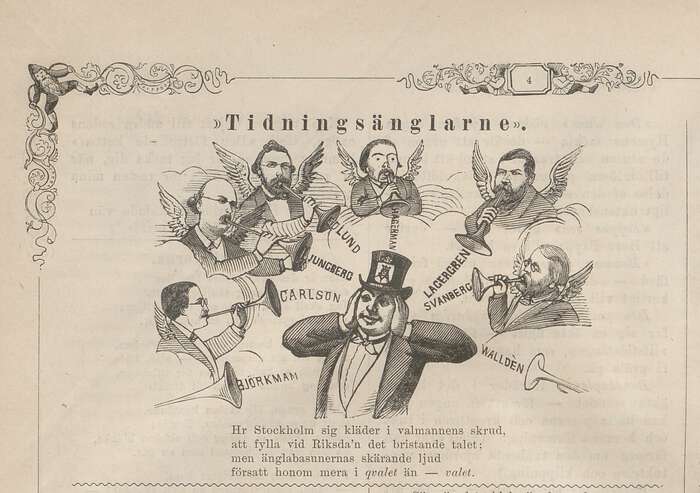
With the Constitution came freedom of the press, and with freedom of the press came a steady stream of new newspapers. In them, they wrote at length about what a newspaper should be, but above all they wrote in order to gain political influence.
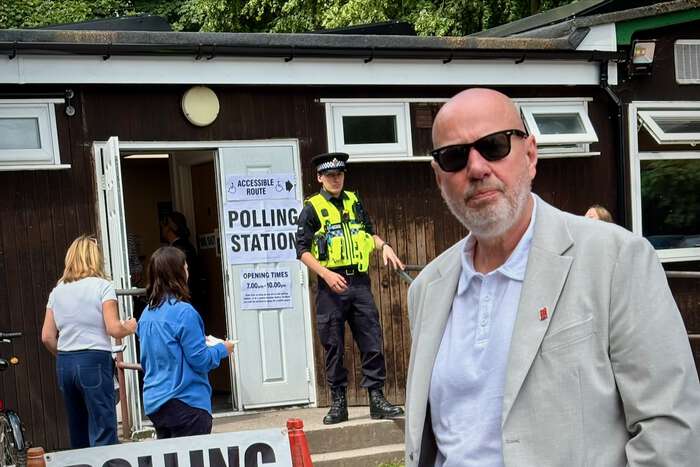
Andy Burnham won the by-election in Makerfield yesterday, Thursday 18 June. He is now in a position to challenge Keir Starmer and become Prime Minister of the UK before the end of the year.
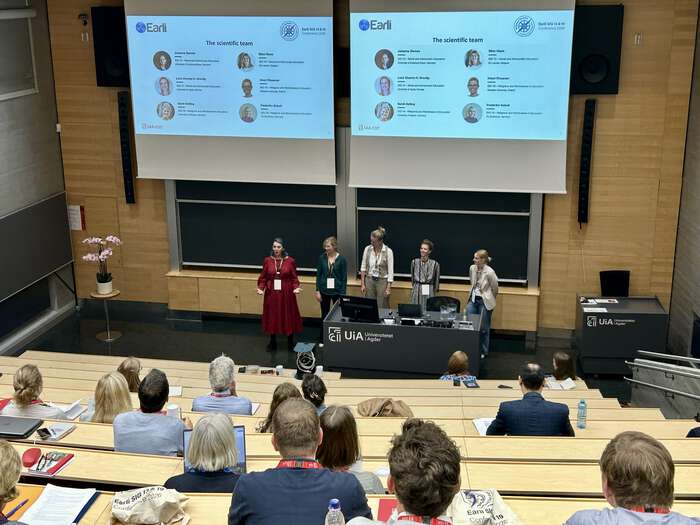
This week, researchers from around the world gather in Kristiansand to discuss how education can help counter polarisation and strengthen democracy.
It’s on the tip of your tongue, but you just can’t seem to say it. This experience becomes increasingly common as we get older. A new study shows that aerobic exercise can help alleviate this problem.
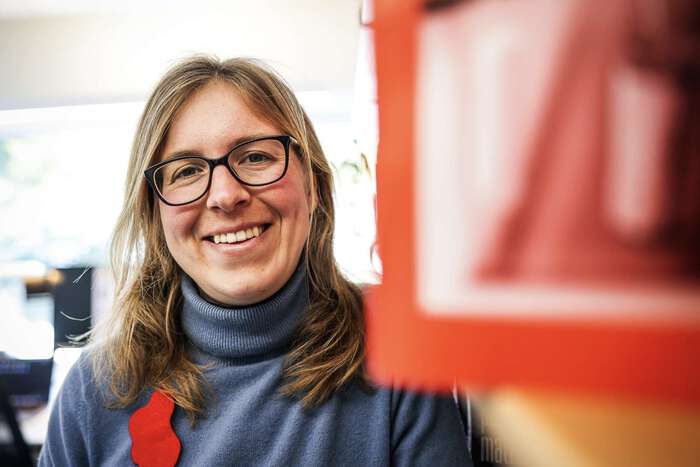
Camilla Mørk Røstvik at UiA is the new president of the Society for Menstrual Cycle Research. It is the first time the organisation has been led from outside the United States – and it comes at a challenging time for the field.
A biography of Astrid Lindgren by UiA professor Agnes Margrethe Bjorvand is included on the new list of recommended reading for primary school pupils proposed by the Norwegian Directorate for Education and Training.
Heidi Klockmann at the University of Agder has been named a pioneering young researcher by the Research Council of Norway. She has been awarded NOK 10 million for a four-year project investigating how words change grammatical category.
The “plastification” of Norwegian coastal communities, which began some 70 years ago, brought profound change. Yet those who lived through it do not necessarily remember it that way.
Michael B. Johnson and Francesco Niosi have been awarded postdoctoral positions at University of Agder through a prestigious EU fellowship. They will study, respectively, the Dead Sea Scrolls and artificial intelligence solutions for offshore wind.
Avoiding difficult topics is a poor choice if your aim is to create a sense of security.
Pupils prevailed in 90 per cent of complaints cases against schools. But one in five teachers is uncertain about their own knowledge of the law that is meant to ensure a safe school environment.
Joseph Scales researches Hebrew and Greek biblical texts. The Research Council considers him a groundbreaking young researcher and is giving him millions to continue his research.
– Blindness, doom and hope, answers Anne K. Gudme, professor of Hebrew Bible at UiO.
In the Lund district of Kristiansand, women found guilty of witchcraft were burnt in the 17th century.
History professor Knut Dørum thinks Norwegian politics has become muddled. There are too many parties and it's difficult to know who to vote for.
Norwegian horticulturists have been using pesticides for decades. A new doctoral study shows that many of them had mixed feelings about the poisons they used.
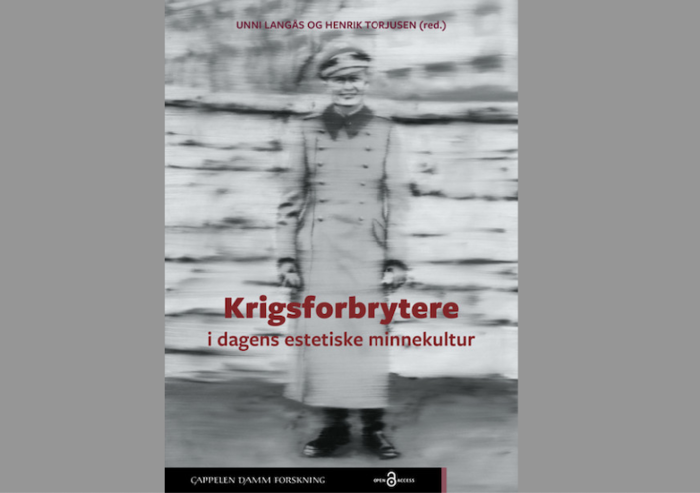
Recent art and literature challenge the traditional narrative of Second World War. Instead of portraying one-sided heroes and traitors, they paint a more nuanced picture of the war.
"It is widely agreed in research that students learn a great deal from writing together," says Jon Olav Sørhaug.
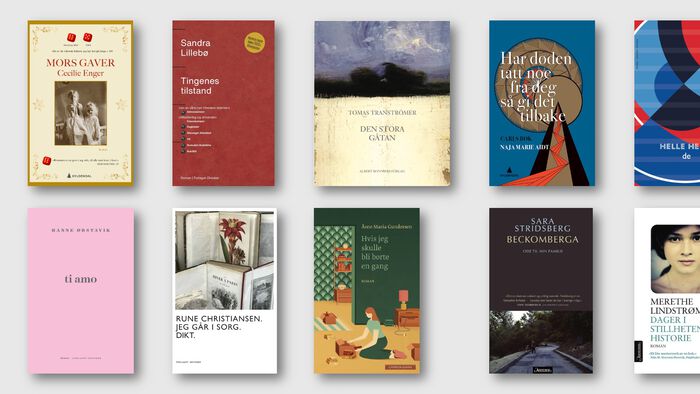
What happens when those affected by a loved one's illness take centre stage in literature? New research shows how fiction gives a voice to those living in the shadow of illness.
Professor Jan Svennevig receives a prestigious grant to research words like 'mhm' and 'okei'.
A commercial suggests that there’s little restraint when it comes to sex and violence in GTA VI. The new edition of the controversial video game is set to be released next year.
Children's home languages have a clear impact on how Norwegian children learn English, according to a new study.
Professor May-Brith Ohman Nielsen will contribute new knowledge about the interaction between humans and insects. The EU Horizon Europe programme is supporting the project for four years.