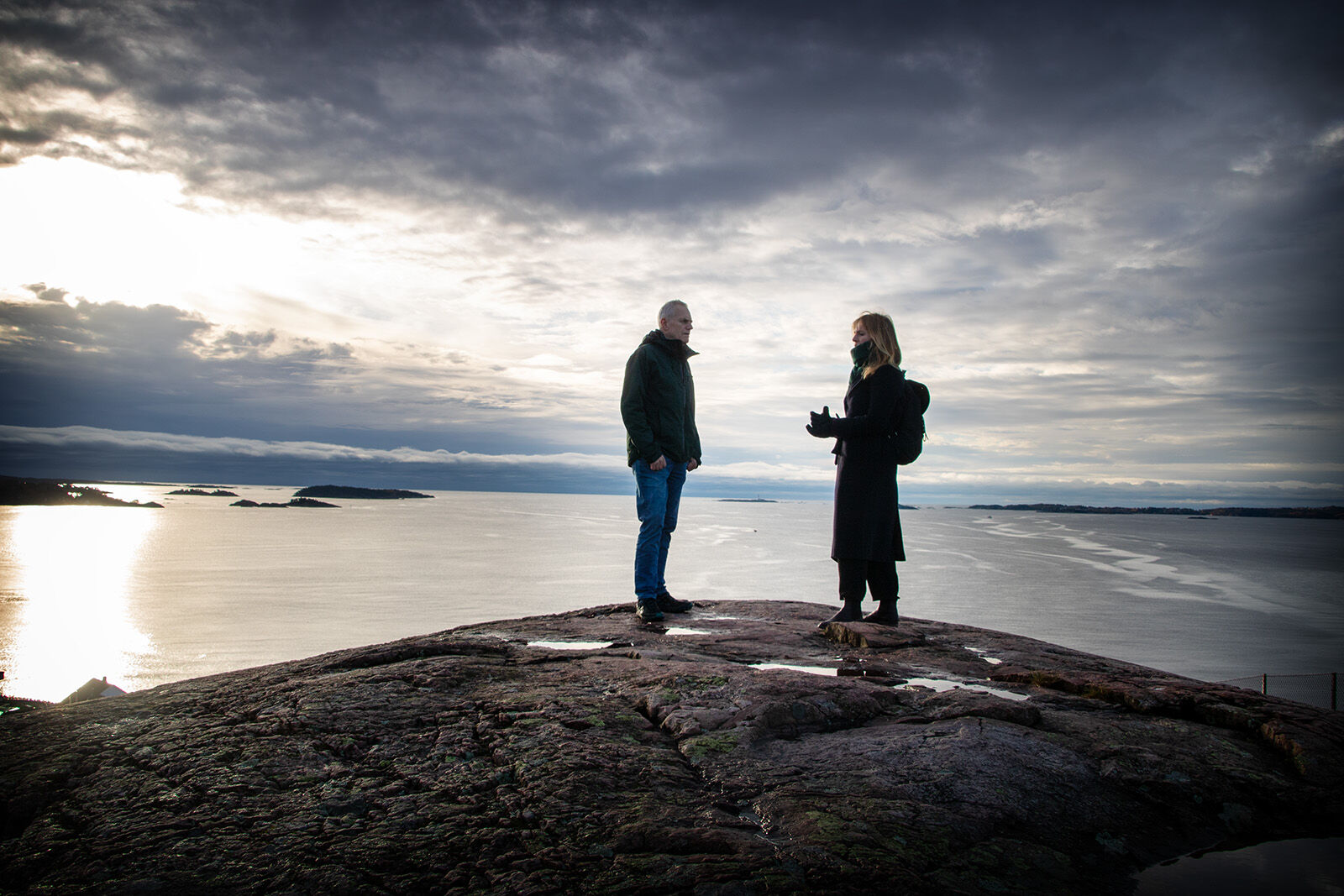
"It's clear that the authorities wanted to frighten others from witchcraft," says Associate Professor Terje Sødal at the University of Agder (UiA).
Together with Associate Professor Camilla Mørk Røstvik, he is part of a project to create a memorial for the witch trials in Agder.
"Burning someone at the stake wasn't legally sanctioned until 1687. But in this country, we burnt people before that time, because that was how witchcraft cases were resolved in neighbouring countries. Burning people at the stake is a demanding process, and it's clear that the authorities wanted to frighten others from witchcraft," says Sødal.
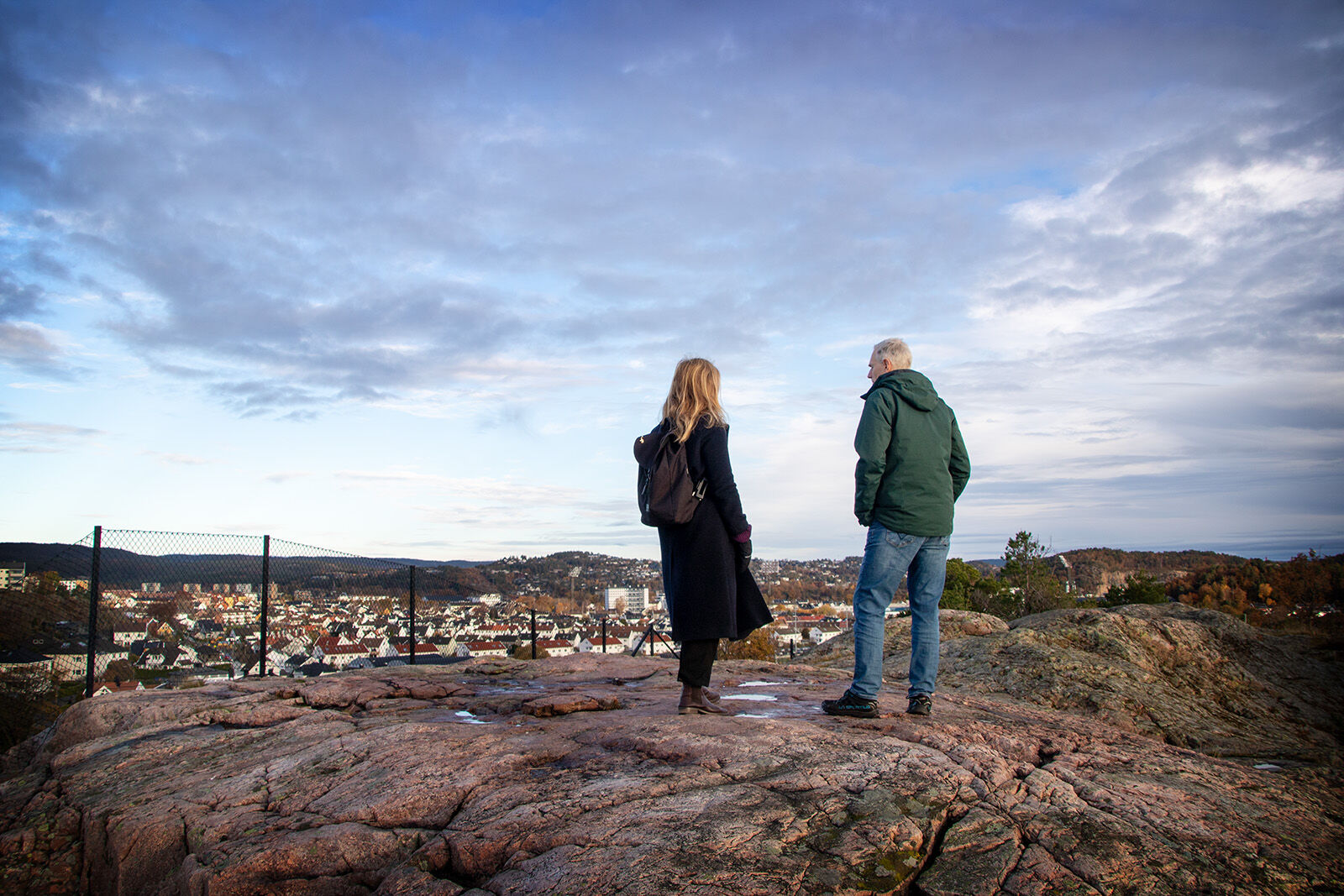
We've taken the trip to Trollkjerringheia in Lund for the occasion. Here in this area, women were burnt at the stake for witchcraft offences.
"We know that several women were burnt at the stake at or near Trollkjerringheia on Kuholmen in Lund. We don't know exactly where, but both the name and history of the place are connected to this," says Sødal.
He has previously published a book about witchcraft, capital punishment and criminality in Agder from 1550 to 1700. The book is called "Til Skræk og Exempel" and was published by Cappelen Damm.
It's documented that around 330 people were executed for witchcraft in Norway from around 1570 to 1695. The majority of these were women.
Continues to make an impression
"It's interesting to see how burning a human at the stake continues to make an impression many hundreds of years later. When we asked for input from art students about what a memorial could look like, it was the stake that kept recurring. This was probably also part of the thinking behind using this execution method," says Camilla Mørk Røstvik.
She is an associate professor at UiA's Department of Religion, Philosophy and History. Her research field includes feminist art history, medical history and studies of witches in modern times.
Together with Sødal and several other researchers and artists at UiA, she is part of the project "Remembering Witches". Last year, the project arranged a dedicated event about the lack of a memorial site for those sentenced to death for witchcraft in Agder. It was held at Kunstsilo on 6 November.
See video of the event here:
"A memorial helps to put a full stop to this story. It's important to acknowledge what has happened, document it and write it into history. That's why a memorial is important," says Røstvik.
Memorials already exist in Vardø and in Gloppen for those who were executed in the witch trials.
Separation from the devil
The goal of burning a woman for witchcraft offences was to separate her from the pact that had been made with the devil. Fire was considered the only thing that could break this pact. If the woman had confessed and repented her crimes, she could through fire gain entry to heaven.
"This is an understanding of reality that can be difficult for us to grasp. But for those who lived at that time, these were completely real powers that affected their lives. From their standpoint, burning at the stake became a logical way to punish witchcraft and clear it away," says Sødal.
Burning someone at the stake was a spectacular event, and people flocked to the execution site from far away to witness it. A priest was present, and the authorities wanted the people to get a proper example of what awaited anyone who dabbled in witchcraft.
According to sources, 20 people were executed for witchcraft in Agder between 1570 and 1695. The last witch pyres here were lit on 9 September 1670, when two women were burnt for having used witchcraft, including having caused two shipwrecks.