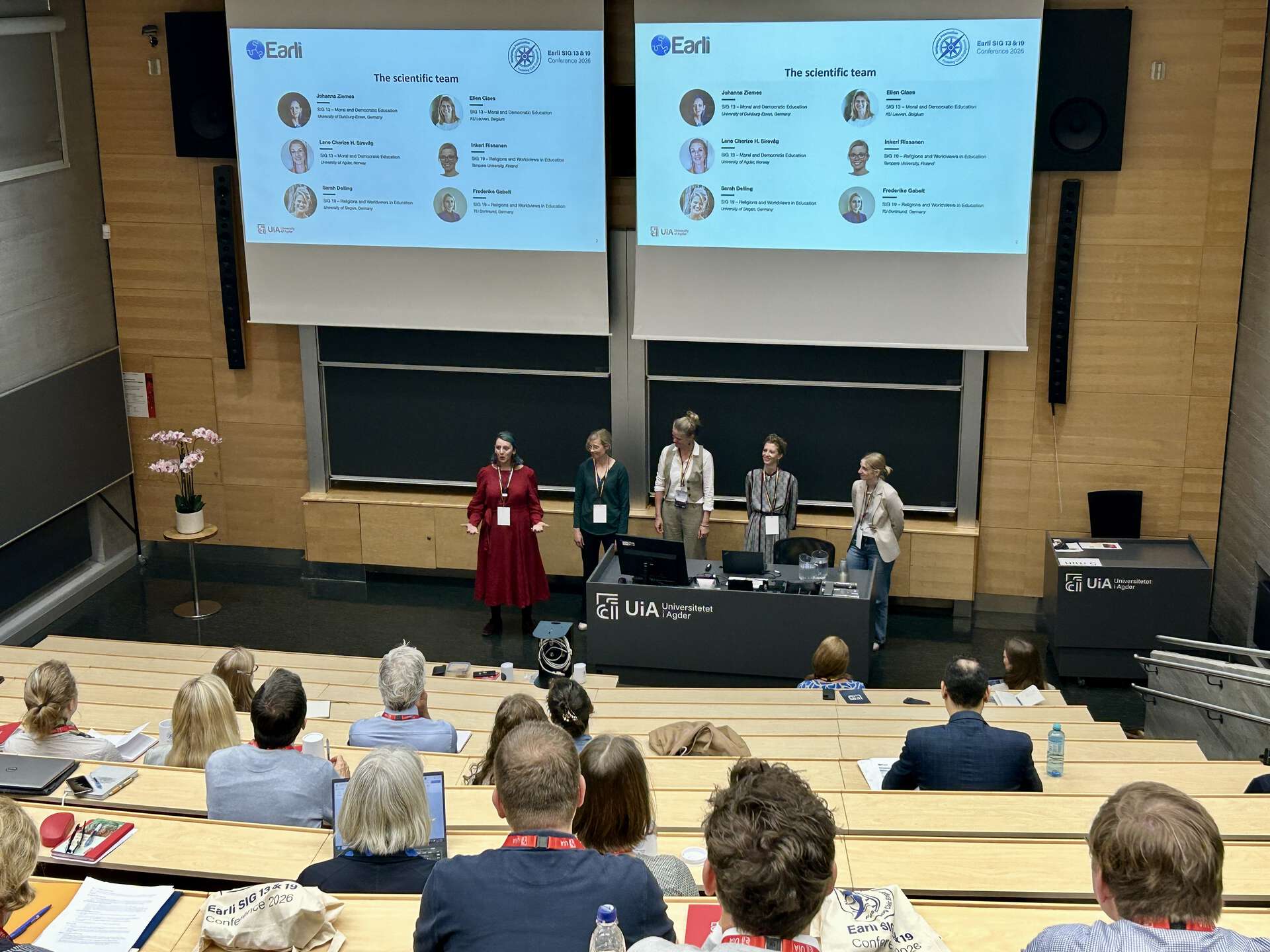
The University of Agder is hosting the SIG 13 & 19 Conference 2026: Navigating Polarisation and Fostering Civic Engagement through Education from 3–5 June. The topic is highly relevant in today’s society.
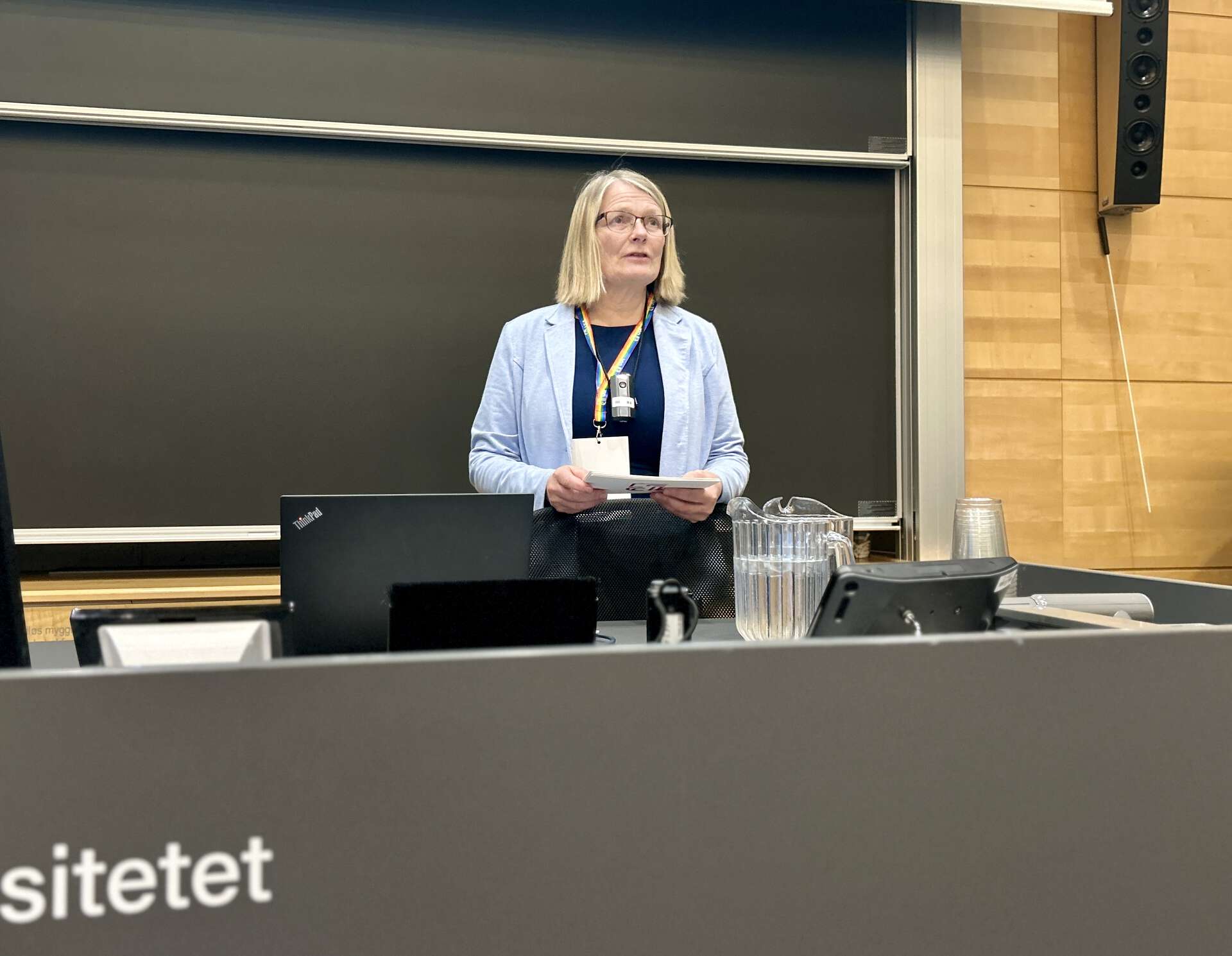
- Polarisation is shaping our societies and challenging democracy. In this situation, it is important to strengthen research and our ability to find solutions together, says Inger Marie Dalehefte, Head of the Department of Education at UiA and conference contact.
Education as a counterforce
Polarisation occurs when disagreements deepen and groups move further apart. This can lead to echo chambers, growing mistrust, and, in extreme cases, radicalisation.
At the same time, research shows that educational institutions play a key role in developing critical thinking, dialogue, and active citizenship.
“Schools and teacher education are crucial arenas for helping students handle disagreement in constructive ways. This is essential for the future of democracy. For the education research community at UiA, hosting a conference like this is especially meaningful — it allows us to contribute directly to international knowledge in an area that truly matters for society,” says Dalehefte.
The conference places special emphasis on research related to citizenship, democratic education, and religion and worldview education.
International keynotes and a broad programme
The programme spans fields such as education, political science, philosophy, and religious education, and brings together contributions from researchers worldwide.
Highlights include several international keynote speakers:
Arniika Kuusisto (University of Helsinki, Finland) opens the conference with “Cultivating Existential Resilience and Belonging in an Age of Polarisation”
Christer Mattson (University of Gothenburg / The Segerstedt Institute, Sweden) presents “Controversial Matters, Schools' Democratic Assignment, and Empathetic Curiosity”
Elisabeth Graf (TU Dortmund, Germany), recipient of the Maslovaty Foundation Prize 2025, presents “Classroom Emotions in Civic Education: the Role of Open Classroom Climate for Emotions and Civic Learning Outcomes”
Janine Kuropka (TU Dortmund, Germany) gives the JURE keynote “How Overestimating the Muslim Population Shapes Explicit and Implicit Attitudes Among Pupils”
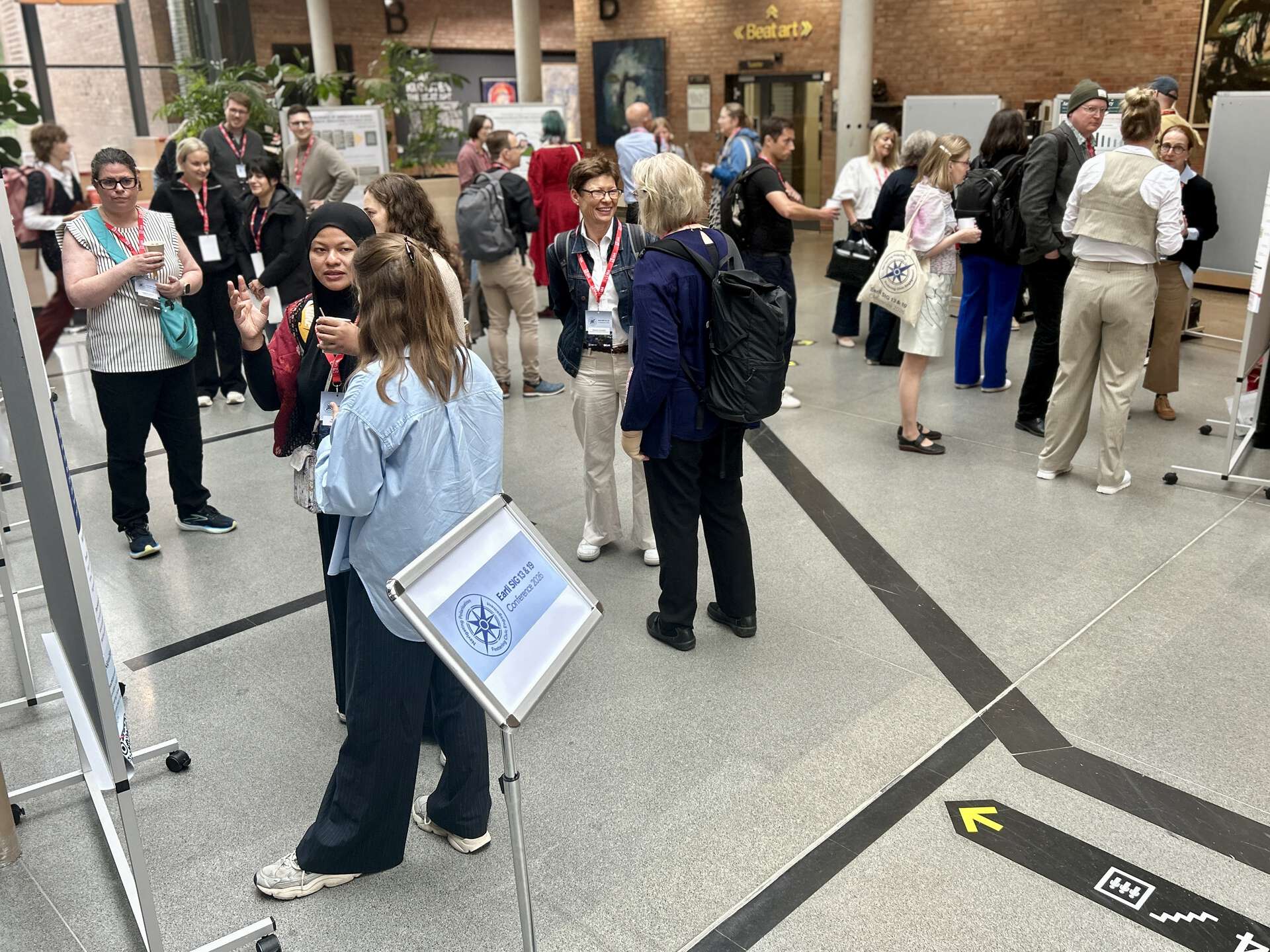
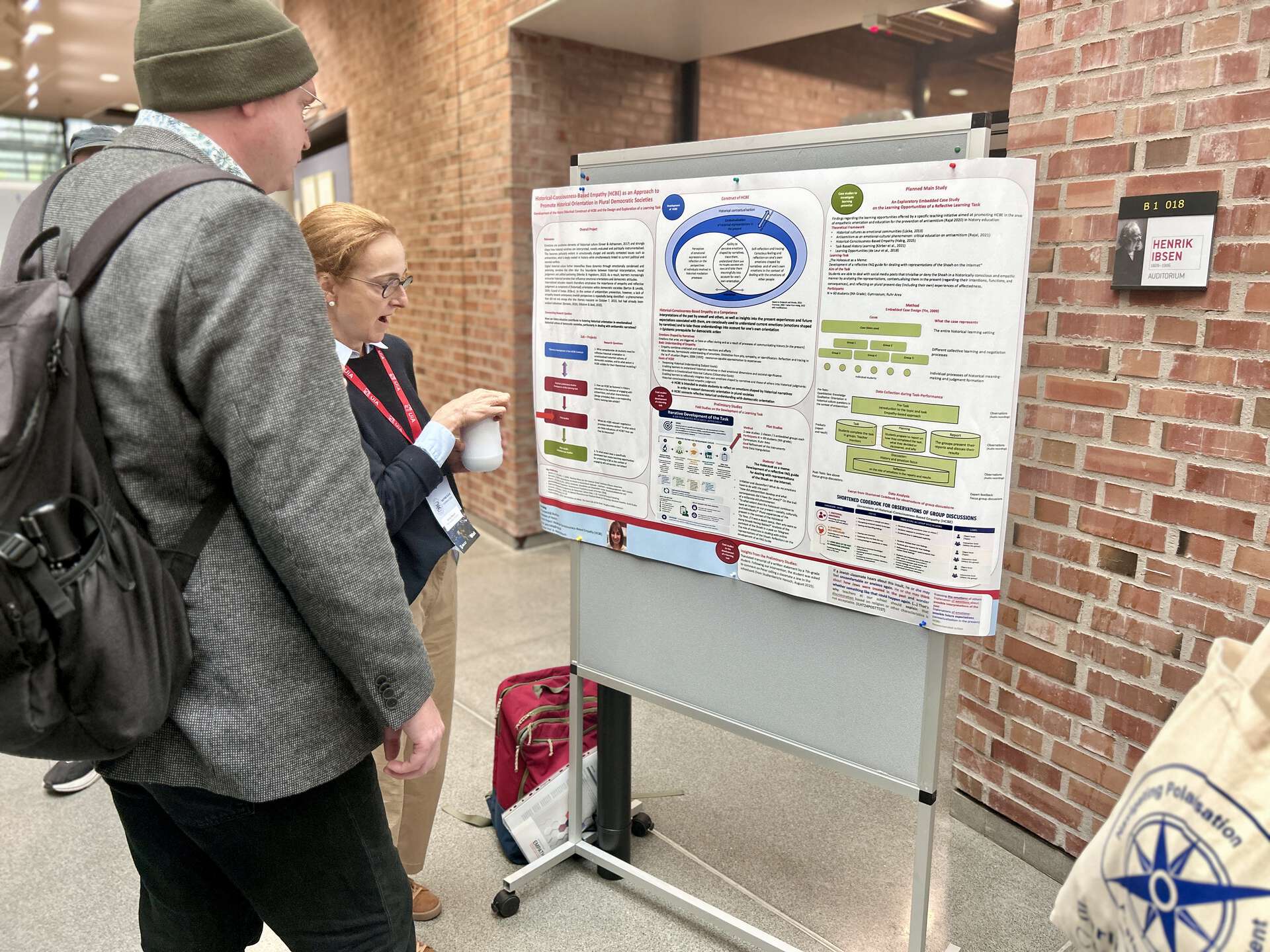
In addition, the programme includes parallel sessions, symposia, and poster presentations covering topics such as media literacy, critical thinking, controversial issues in education, and young people’s democratic participation.
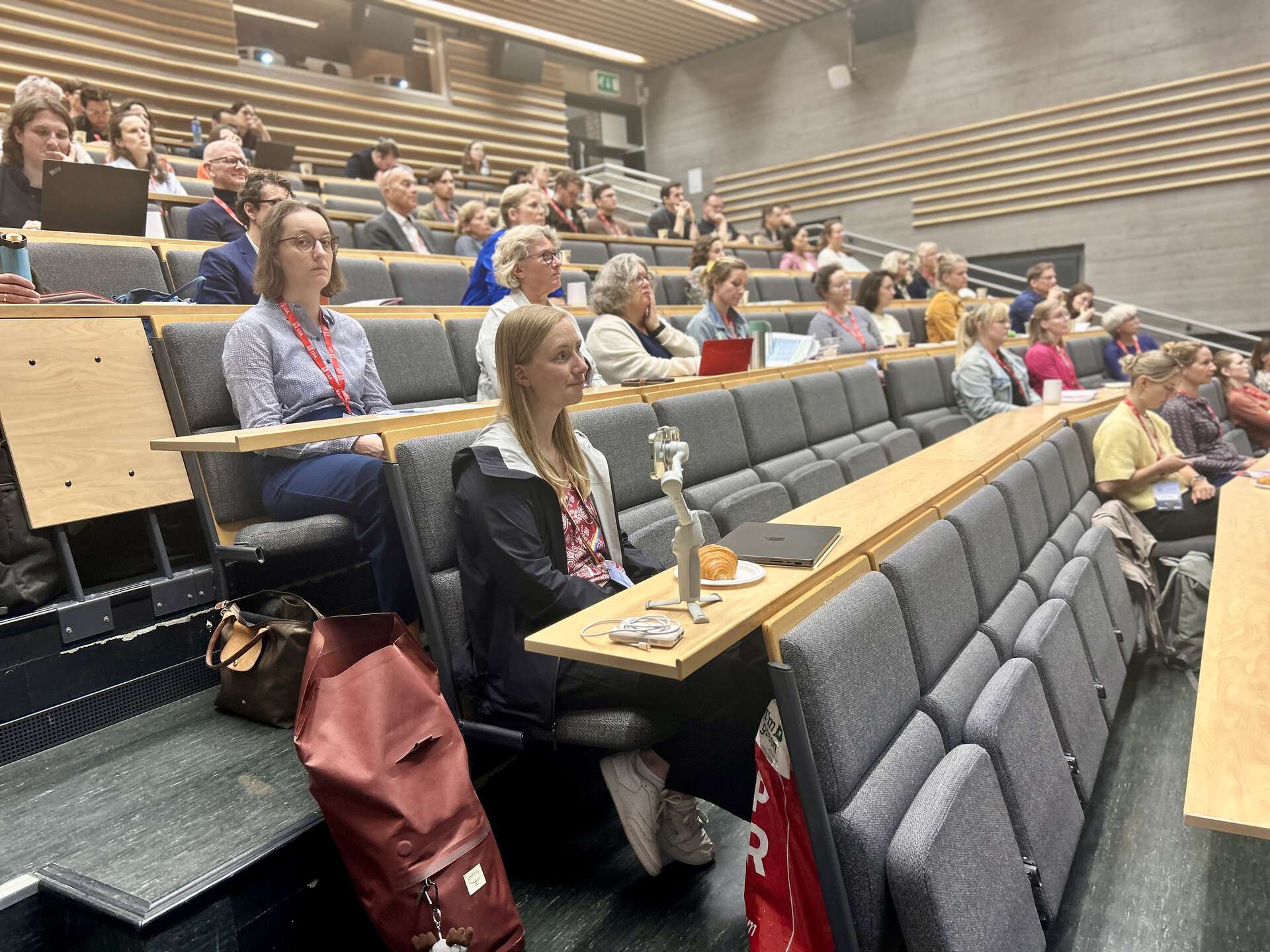
- We have heard many exciting presentations and seen new research — from both established scholars and emerging researchers bringing fresh perspectives. That breadth is exactly what makes this conference so valuable, says Dalehefte.
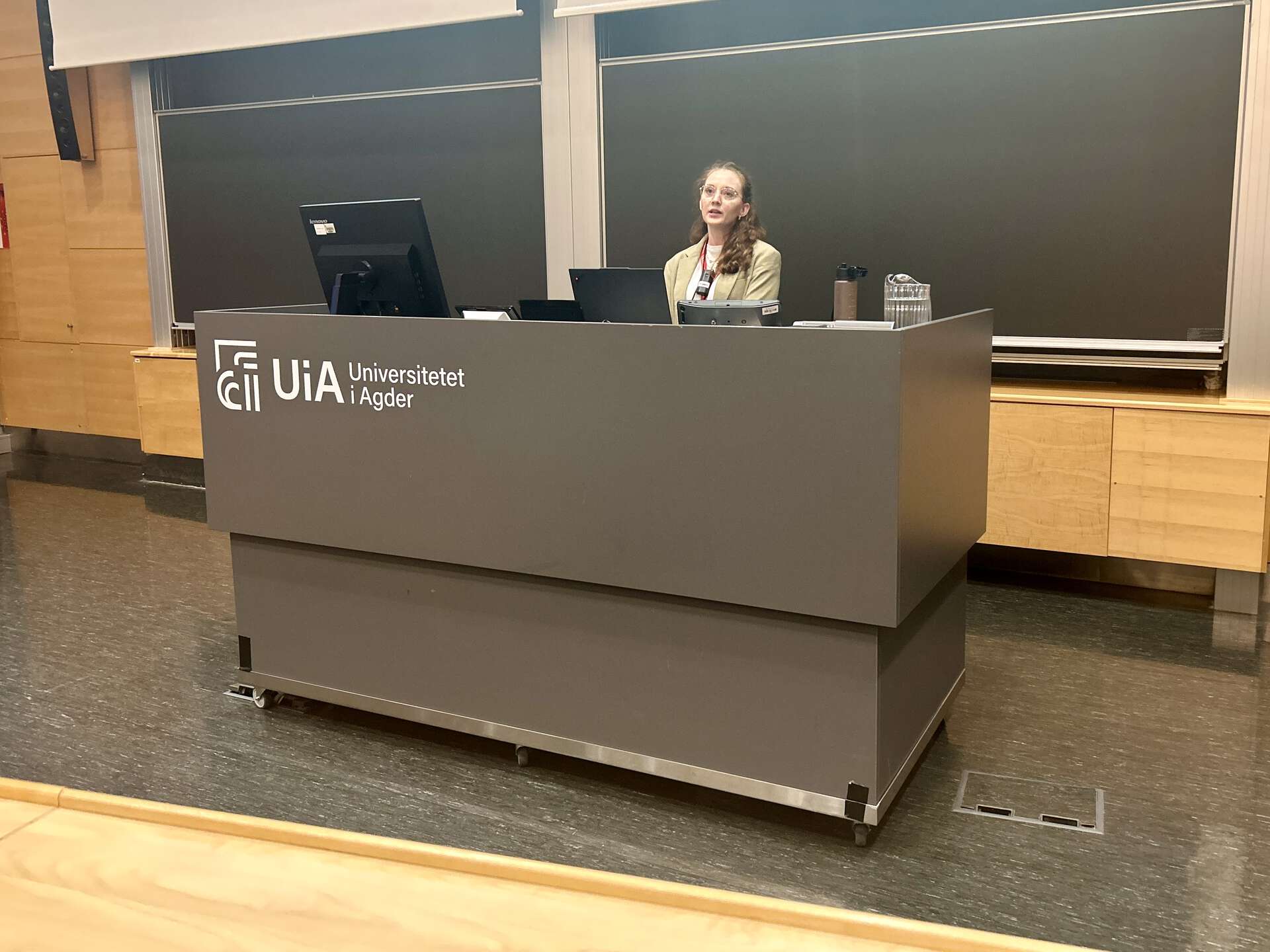
Norwegian researchers take part
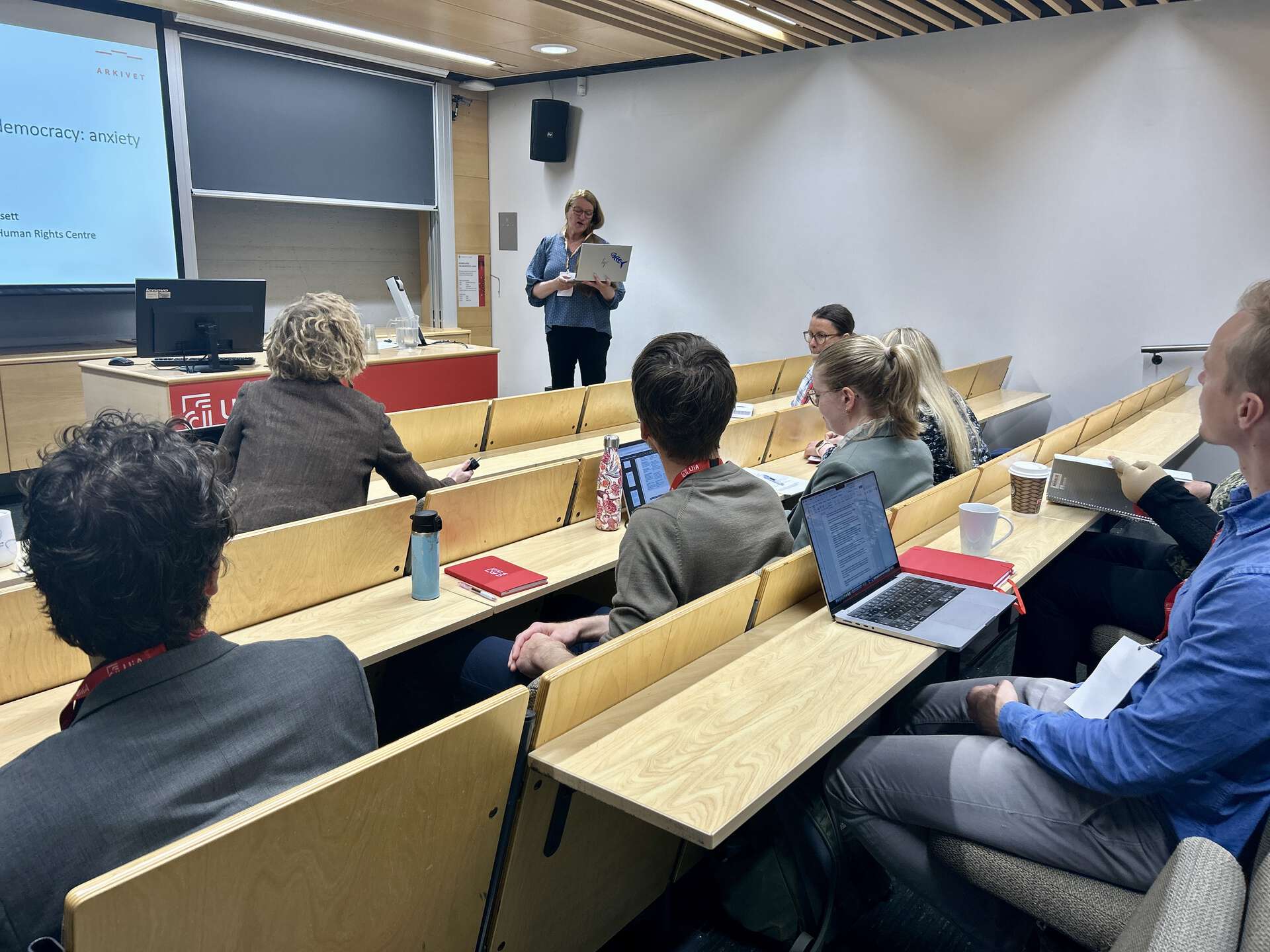
The conference also provides an opportunity for Norwegian researchers to present their work to an international audience. Kristoffer Fjalsett, a PhD candidate affiliated with the ARKIVET Peace and Human Rights Centre and the Department of Religion, Philosophy and History at UiA, presented at a symposium titled “The open-endedness of history and democracy: anxiety and opportunity.”
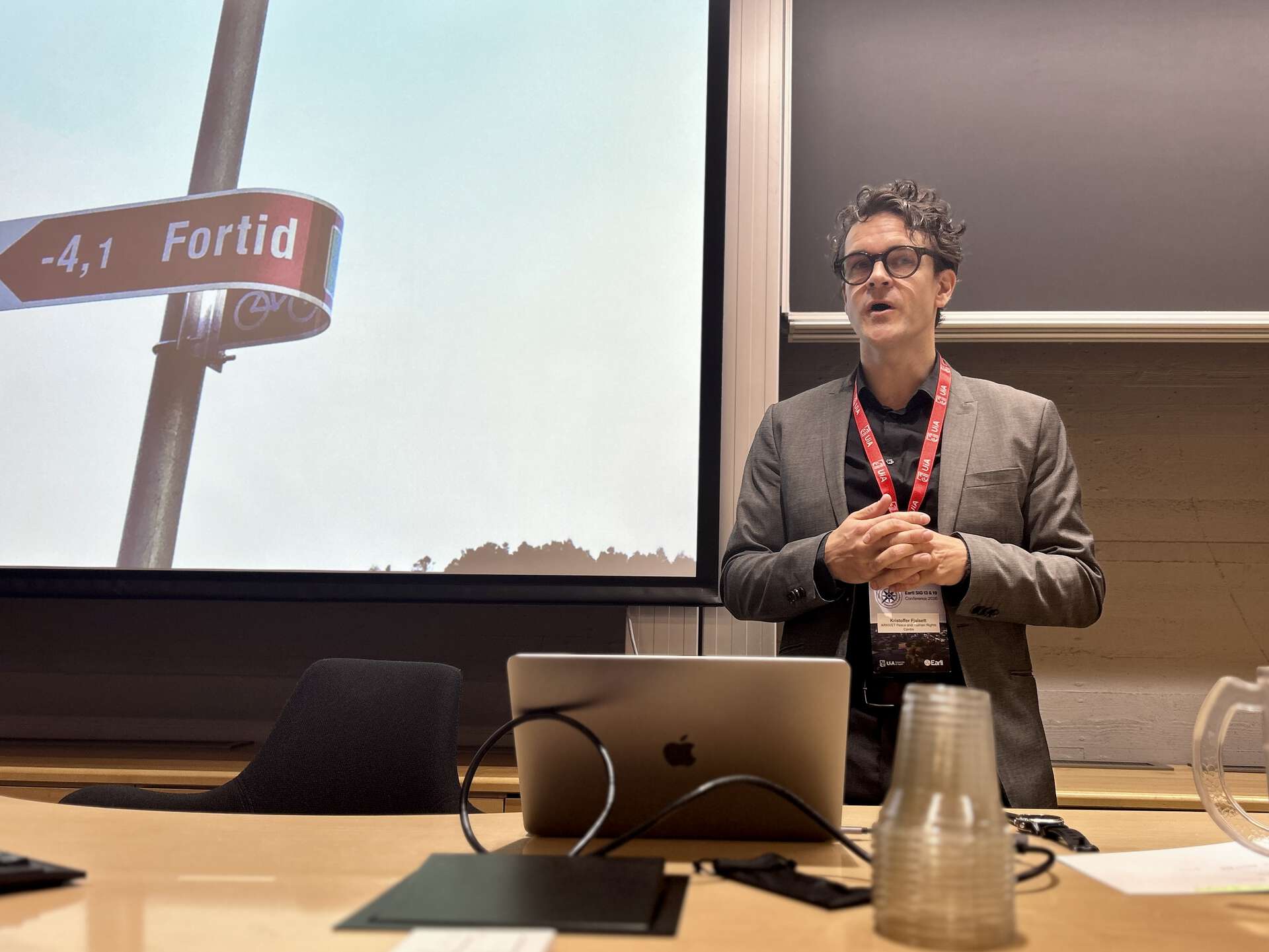
- It is invaluable to present your research to colleagues from around the world. You gain new perspectives, constructive feedback, and make connections that can lead to future collaboration. These kinds of meeting places truly drive research forward, says Fjalsett.
A meeting place for research and practice
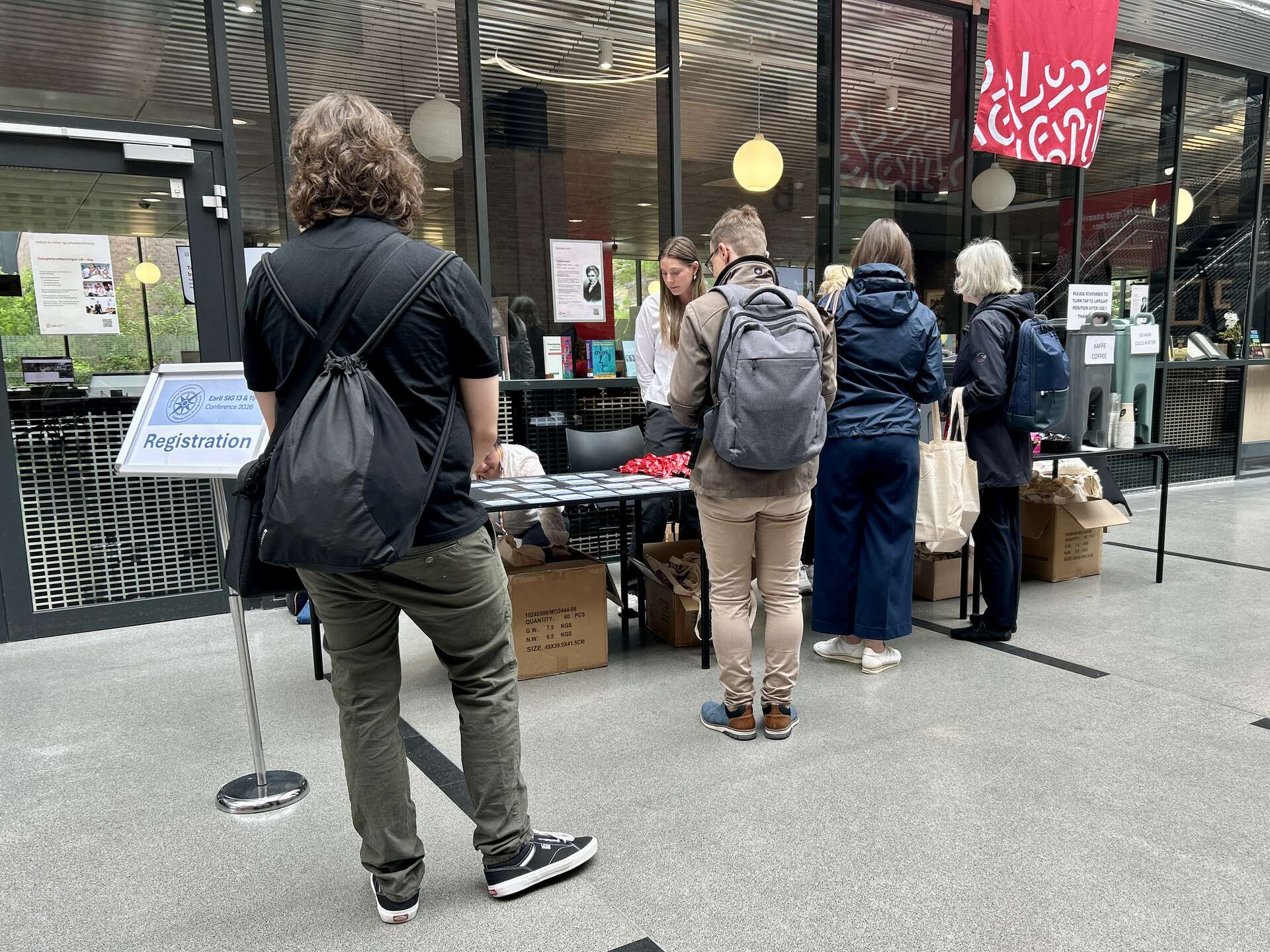
The conference is not only an academic arena, but also an important meeting place for researchers, teacher educators, and practitioners. Over three days, participants engage in discussions, networking, and collaboration across countries and disciplines.
- We hope the conference will contribute to new knowledge, but also offer concrete perspectives on how education can promote dialogue, inclusion, and democratic participation, says Dalehefte.
Facts about the conference
Dates: 3–5 June 2026
Location: University of Agder, Kristiansand
Organisers: SIG 13 and SIG 19 (EARLI)
Theme: Polarisation, education, and citizenship