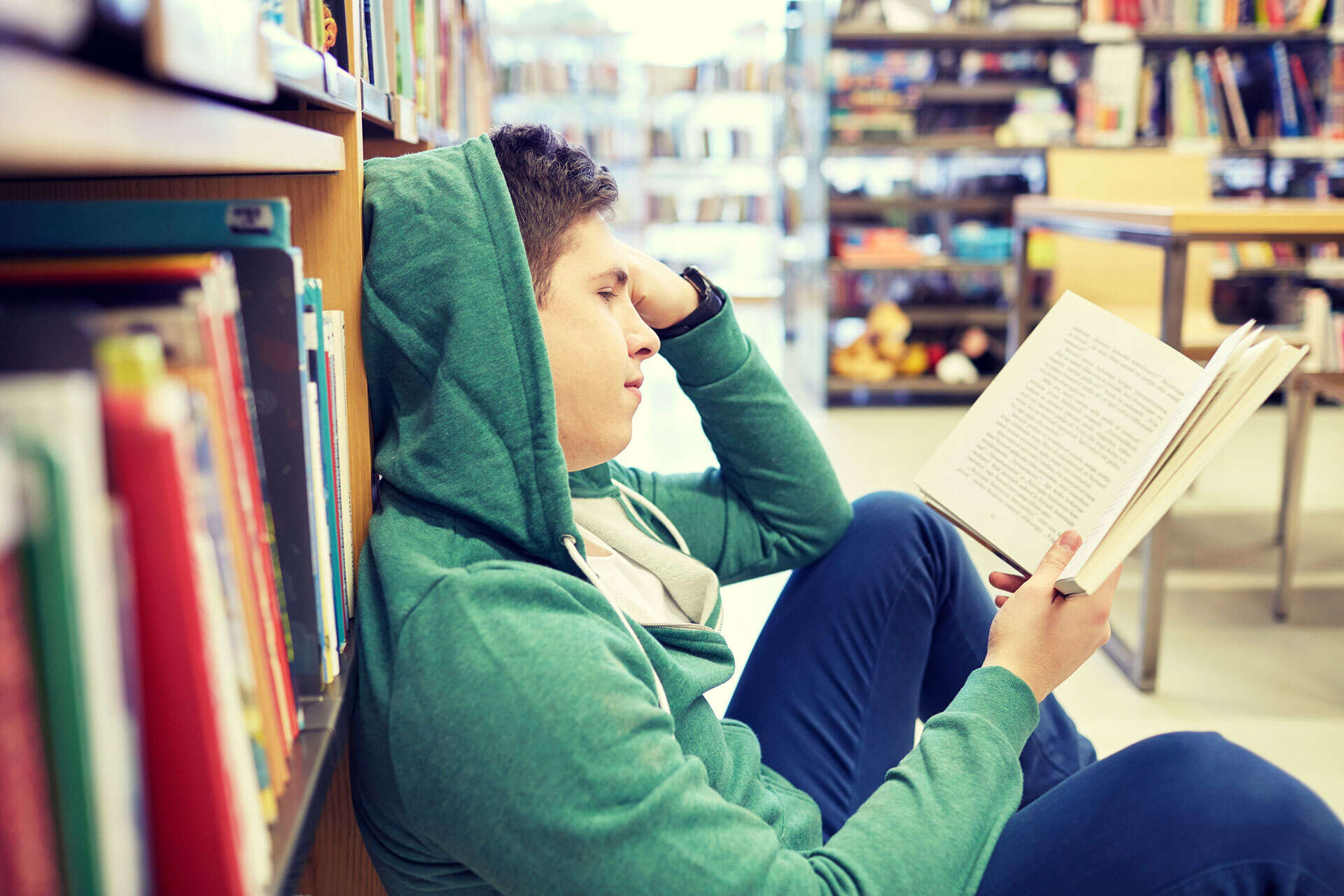
The latest PISA (Programme for International Student Assessment) results, published on 8 September, assess the proficiency of 15-year-olds in reading, mathematics and science. The results show that Norwegian pupils’ performance in reading and mathematics has declined further, whilst their performance in science has remained stable since 2022.
Norway lies below the OECD average in all three subject areas. 34 per cent of Year 10 pupils in the 2024–25 school year are classified as weak readers. Among boys, the figure is as high as 41 per cent, according to the government’s press release.
Noreg ligg under OECD-gjennomsnittet i alle tre fagområda. 34 prosent av tiandeklassingane i skuleåret 2024–25 er definerte som svake lesarar. Blant gutane gjeld det heile 41 prosent, ifølgje pressemeldinga frå regjeringa.
The full PISA 2025 report can be found here.
"We must take the PISA report seriously. Becoming a good reader isn’t some kind of magic trick, but it does require good habits", says Magnhild Selås.
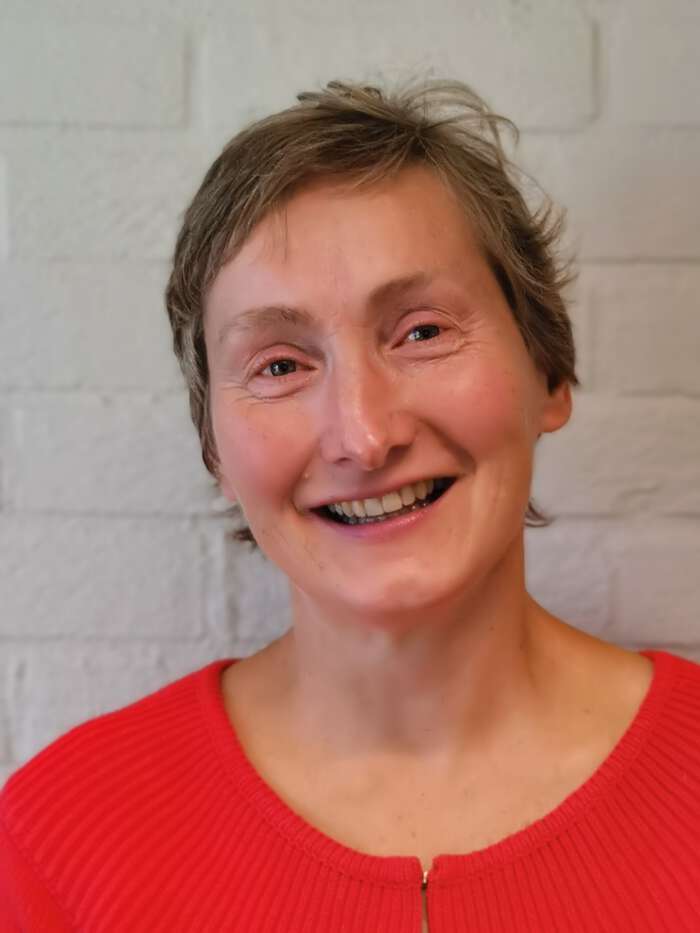
She is a professor at the University of Agder and a specialist in the Norwegian language, reading and writing instruction. Together with Kjersti Breivega, she has, amongst other things, published *Skriveboka – innføring i skriveopplæring* (2024).
"I think it’s a shame if we look for scapegoats and simple explanations, because then we risk coming up with simplistic solutions that lead nowhere. And I don’t think swinging from one extreme to the other is a good idea; we have a tendency to go down dead ends. Politicians, school governing bodies, teachers, teacher trainers, parents and pupils all have a responsibility,” says Selås.
It takes time to read and understand
A large proportion of Norwegian 15-year-olds are categorised as ‘low achievers in reading’ on the PISA scale.
“This means that, technically speaking, the pupils can probably read, but they may struggle to extract meaning from slightly more advanced texts, and it will be difficult for them to read, for example, books at upper secondary level,” she says.
Selås finds it difficult to explain why Norway is below the OECD average.
"Some places may have been more focused on reading long texts, and perhaps they have placed greater emphasis on school textbooks than we have. We also have, to some extent, large classes, which can make it difficult to adapt teaching to suit all pupils", says Selås.
Reading requires practice
Selås emphasises that reading is a matter of practice, and believes the poor results stem from young people reading too little, both at school and at home.
"I don’t think they read enough. You get good at what you practise. That applies to handwriting, it applies to the piano or football, and it applies to reading. You need plenty of practice to make decoding – the link between letters and sounds – quick and fluid, and you need a vocabulary and a general understanding of text and language to grasp the content of what you’re reading," she says.
Parents and schools must take the lead
The researcher believes that 15-year-olds who have scored poorly on the PISA test have a chance to make up for lost ground when it comes to reading.
"You can catch up on some reading practice. There might be a bit of resistance to reading at first; you might pick up a book, give it a go, and then put it down. It’s important to keep looking until you find a book you like. Through literature, you get to discover other worlds; you become wiser, more interesting and more insightful, so it’s worth giving it a go,” she says.
The linguist believes that schools must create space for positive reading experiences and ensure that pupils have good printed textbooks and quality literature for leisure reading.
"Let them encounter literature, and feel free to read aloud to pupils, whatever their age. Audiobooks can be a good addition for pupils with reading difficulties. Use screens thoughtfully in the classroom", says Selås.
She points out that children tend to imitate their parents, and advises them to lead by example.
"Parents must read books themselves and show that they find books exciting. Borrow books and discuss them with your children, and feel free to read aloud to your little ones. And do set limits on screen time: time spent in front of a screen takes time away from other things that may be more valuable", such as reading, she says.
A reading and concentration crisis
Selås believes schools have placed too little emphasis on reading long texts. She argues that the PISA results point to both a reading crisis and a problem with concentration and screen use.
"We are bombarded with short videos that stimulate our dopamine receptors and make us enjoy and become accustomed to that immediate response. Because books provide a slower response, we risk putting them aside, thereby entering a vicious circle of less reading practice, poorer reading fitness, slow vocabulary development and even greater resistance to reading," says Selås.
Here are the linguist’s three tips for developing good reading habits:
- Set aside 20 minutes for reading for pleasure every day.
- You might feel a bit reluctant to read. Accept that, but don’t give up.
- It’s fine to change books, but always make sure you have a book you want to read.