Published
Oct. 16, 2025 12:52 PM
All serious esports teams now include physical training and healthy diets as key parts of player development. They also spend less time gaming.
All serious esports teams now include physical training and healthy diets as key parts of player development. They also spend less time gaming.
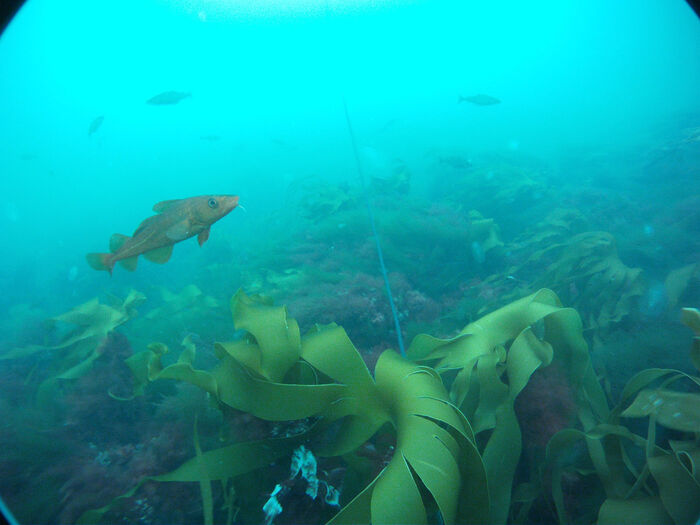
Fish do much more than just swim around in the ocean. They are active climate helpers, playing vital roles in storing and transporting carbon and regulating our climate.
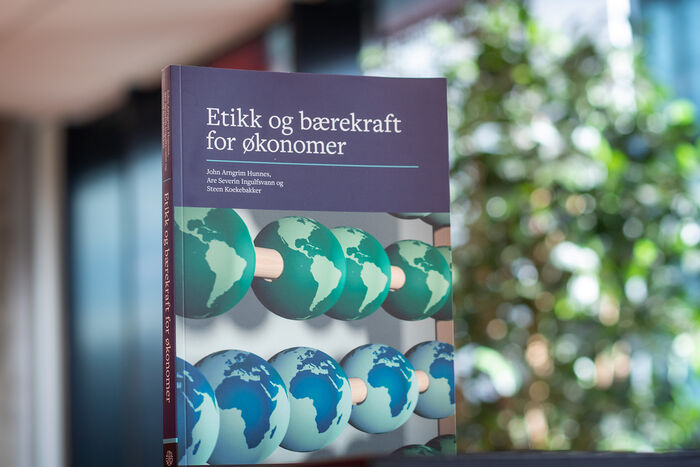
Professors at UiA have written a book about how economists can proceed to make ethical decisions in today's world.
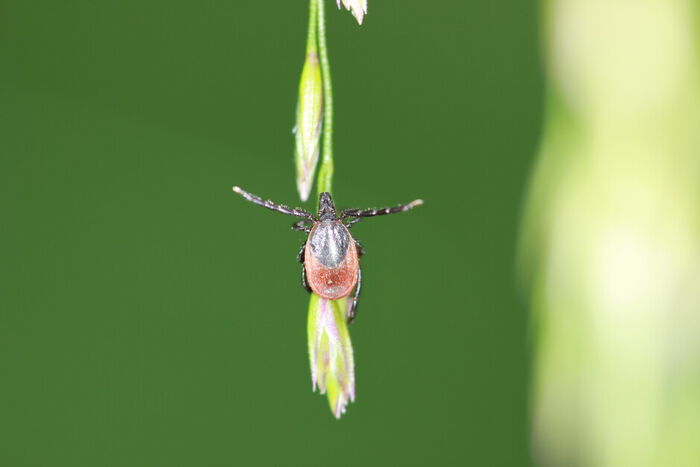
A new European study reveals significant gaps in knowledge about ticks and the diseases they spread. New species of ticks may now be coming to Norway.
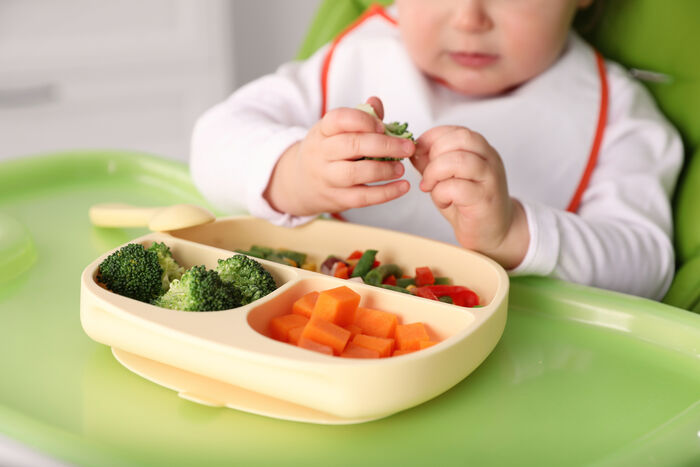
An international study involving over 9,000 children reveals that measures aimed at parents do not work to prevent childhood obesity. “We need to think differently,” says researcher Nina Cecilie Øverby.
New research reveals that unequal treatment can severely impact health – and in surprising ways.
Researchers at UiA warn that Europe's last healthy populations of flat oysters are at risk. They are now calling for better protection to safeguard these stocks.
When Hilde Malmin submitted her master's thesis, her supervisor saw greater potential. Now the result has been published in one of the world's leading journals for international management.
History professor Knut Dørum thinks Norwegian politics has become muddled. There are too many parties and it's difficult to know who to vote for.
For many women who survive gynecological cancer, the desire for sex and intimacy disappears. The healthcare system rarely asks. Their partner might not do so either.
Norwegian teachers are doing the exact opposite of what works best for anxious children, new research shows.
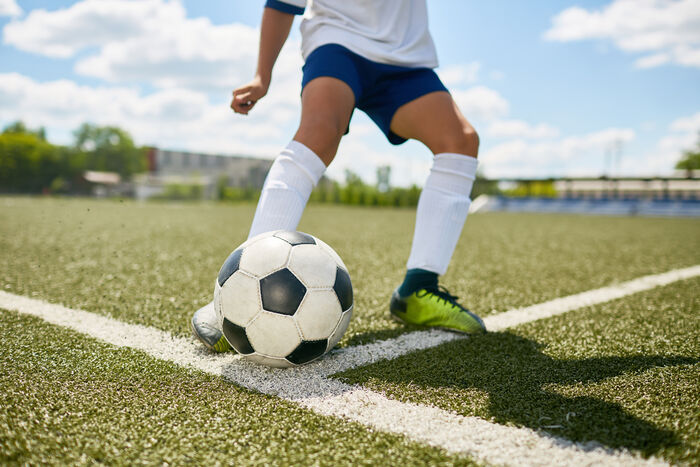
There are big differences in who drops out of sport. Young people who continue with organised physical activity tend to be happier in school and have fewer health issues.
Norwegian municipalities know too little about how to be good employers for teachers and school leaders. A new study from the University of Agder reveals significant gaps in the research on municipalities' role as local school authorities.
UiA researcher calls for clearer sleep guidance to be included in postnatal care.
Norwegian horticulturists have been using pesticides for decades. A new doctoral study shows that many of them had mixed feelings about the poisons they used.
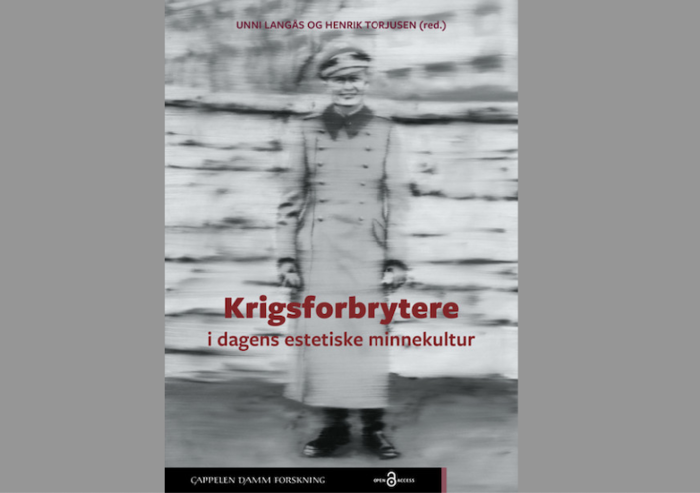
Recent art and literature challenge the traditional narrative of Second World War. Instead of portraying one-sided heroes and traitors, they paint a more nuanced picture of the war.
A new digital system is set to aid authorities in distributing vaccines fairly and avoid waste.
From the first year of school, there's an ideal that teaching should be tailored to each student. But how is this achieved in practice? And how do you do it at universities and university colleges?
Nordic experiences can help Ukraine and other countries with gradual association with the EU.
When jobs are pitted against nature conservation, local communities can become divided. But some arguments struggle to be heard.
Psychodrama makes artistic processes a part of public health work.
"It is widely agreed in research that students learn a great deal from writing together," says Jon Olav Sørhaug.
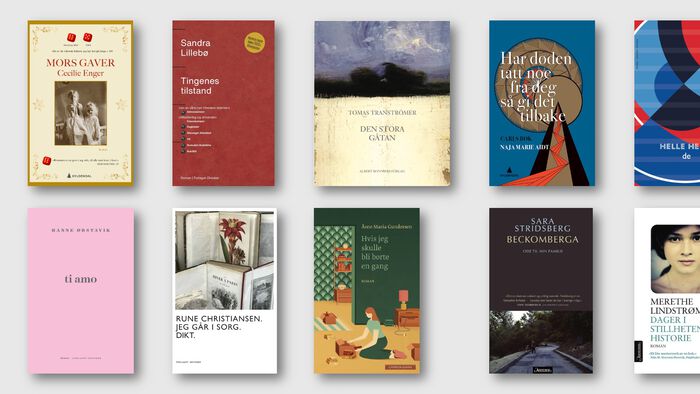
What happens when those affected by a loved one's illness take centre stage in literature? New research shows how fiction gives a voice to those living in the shadow of illness.
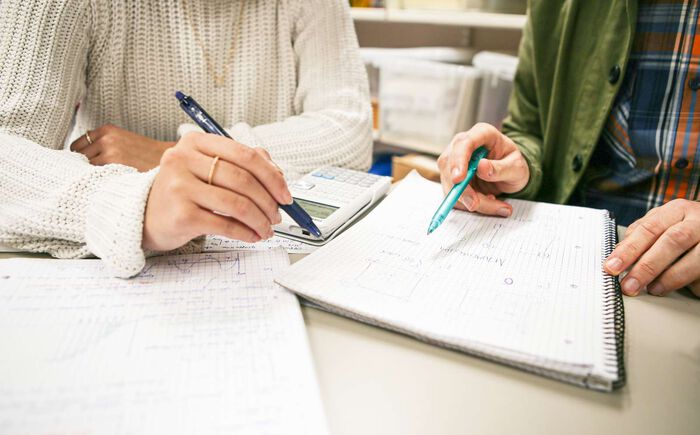
The failure rate decreased from 21 per cent to 11 per cent after students were given the responsibility of teaching engineering students mathematics.
Norwegians trust that public authorities will use artificial intelligence responsibly. Now researchers have developed 12 principles to ensure that this trust is not abused.