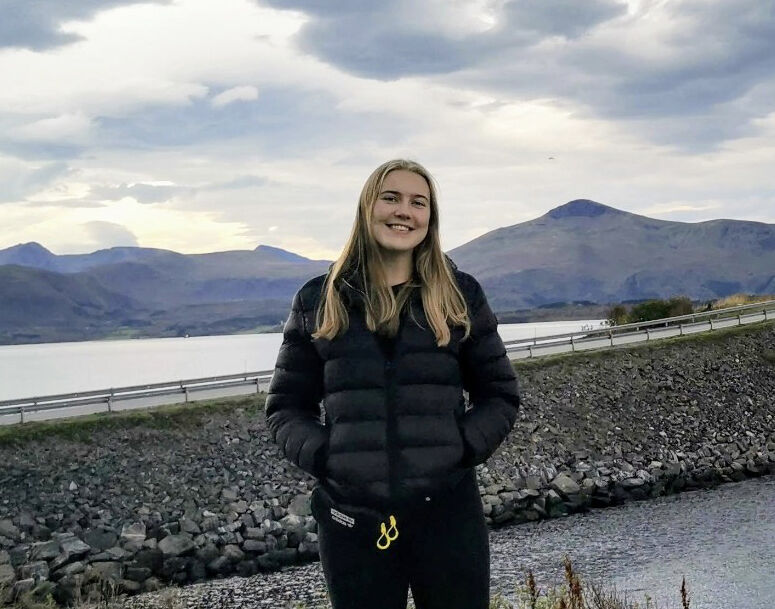
Four years after she finished as a master's student, Hilde Malmin has had research published in the Journal of International Management – one of the most respected journals in international management.
From master's thesis to research article
It all started with a regular master's thesis in 2021.
– Professor Ilan Alon had research proposals that students could choose to write about. One of the proposals was to take a closer look at cultural intelligence, and I became interested in that, says Malmin.
In her master's degree, she investigated which characteristics can predict whether a person has cultural intelligence. She studied data about international companies that had been collected by the research project X-Culture, a research project that collects data on international business from around the world.
Professor Ilan Alon saw the potential in the master's thesis and proposed developing it further into a research article. The collaboration therefore continued after Malmin finished her studies.
New insight
Publication processes in academia can take several years. Along the way, Alon and Malmin have kept in touch.
– It was very exciting that this finally got published. It was good motivation that others saw the potential in this, says Malmin about the collaboration with Alon.
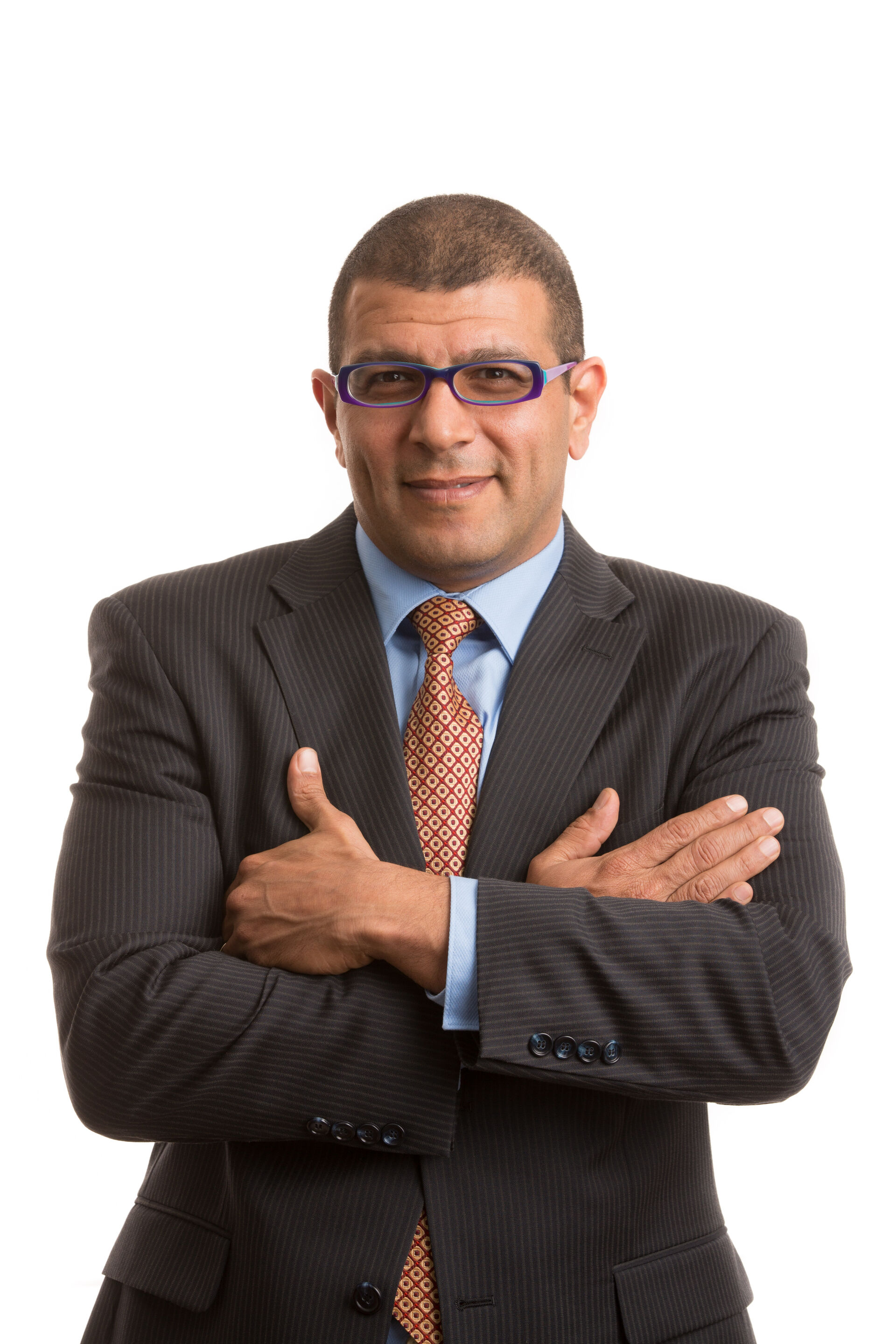
The research article took the master's thesis a big step further, by using different collection models to analyze the data. This provided new insight into which characteristics play a role in cultural intelligence.
Valuable for working life
The study analyzed data from nearly 60,000 students from 160 countries. A main finding was that English skills and motivation to learn are more important than the length of stays abroad.
– If you have lived abroad for a long time, but only surrounded yourself with others from the same part of the world, you don't necessarily have insight into the culture you have lived in. There are many such cultural bubbles, among others in Asia, so you can't always understand long time abroad as synonymous with cultural intelligence, says Professor Ilan Alon.
They found that stays abroad equivalent to two semesters are enough to have good cultural intelligence, and that being good at English is a very strong prerequisite.
– It doesn't take much, but if you're open to a new culture, you'll go far with that. Be a bit humble and curious, says Malmin.
Continued collaboration after master's thesis
Professor Alon says he regularly includes master's students in research projects.
– I have published several articles together with master's students. In some cases, the collaboration continues over a long time, he says. Hilde Malmin works today as a specialist in financial crime at Nordea. There she benefits from what she learned in the research.
– Part of my job is to investigate patterns in bank transactions. There it's important to have knowledge about how different cultures use banks, she says. She hopes the research can lead to better decisions, among other things in hiring processes.
– It's not the case that you must have lived several years abroad to have knowledge about other cultures. Our research shows that curiosity is just as important as experience, she says.