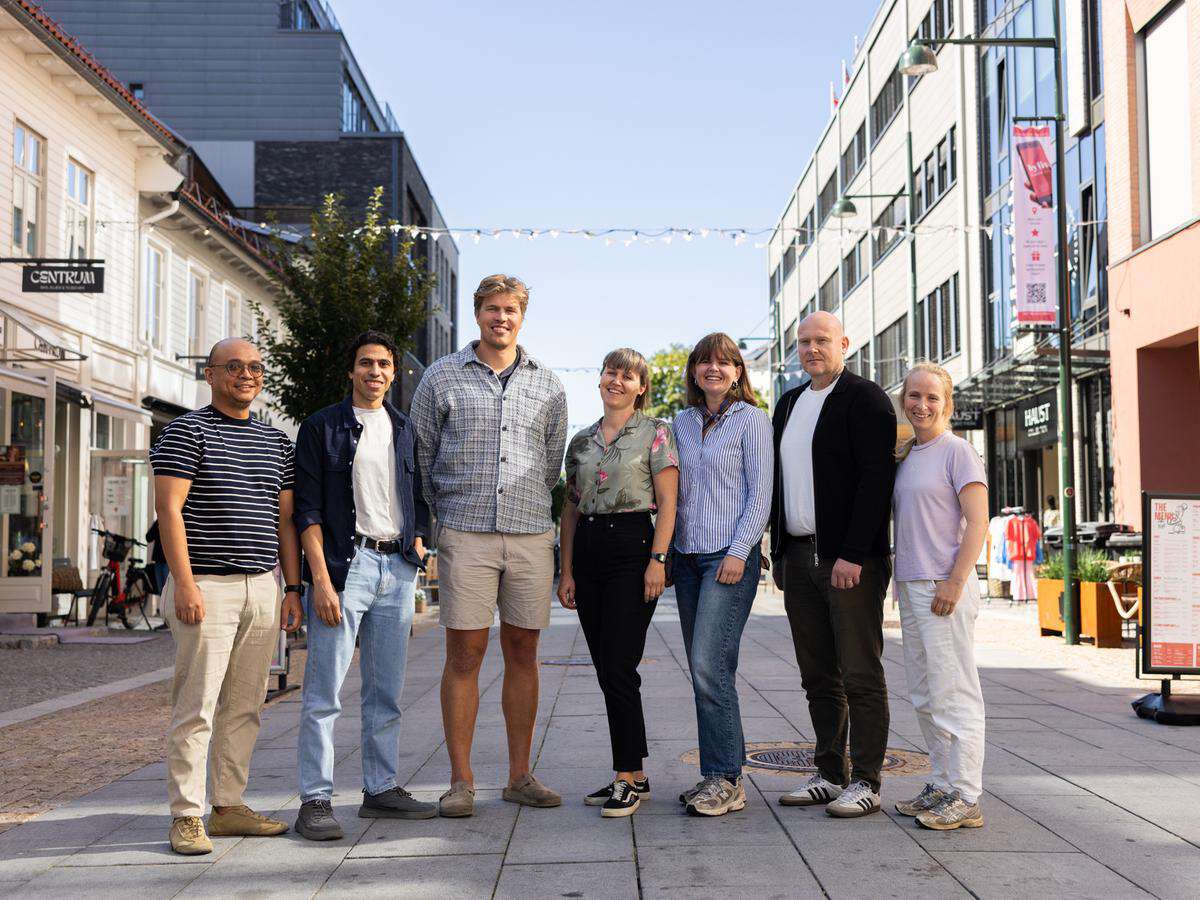
Over the course of two hours (including a break), the audience will meet seven researchers from UiA. One by one, they will take to the stage and present their research project in four minutes. Here, you can gain new insights, be entertained and vote for your favourite.
Read more and secure your ticket to the final show here
More about this year’s participants:
Kay Arne Søgård, Department of Global Development and Social Planning
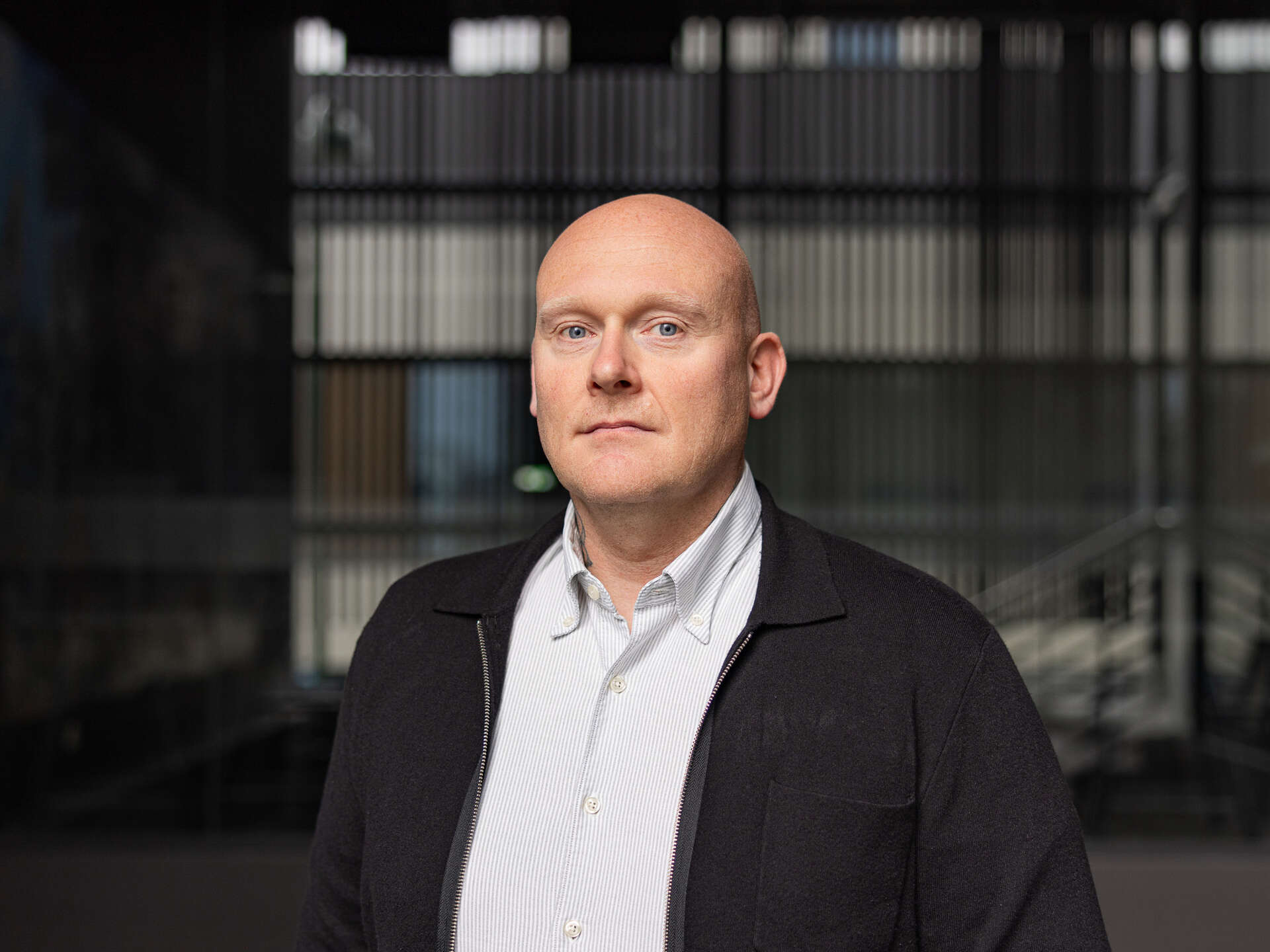
The aim of Søgård’s research project is to develop a better understanding of how civil society mobilises when something serious happens – and what this knowledge might mean for how we understand and facilitate civil society’s role in future emergency preparedness.
In the project, he examines civil society’s spontaneous mobilisation in crises. Among other things, he looks at how people understand responsibility, solidarity and moral obligations, and how this may help to explain why they choose to help others – even in situations involving significant risk.
He also investigates how these volunteers are integrated into crisis management, how they organise themselves, and how their roles and scope for action are shaped through their interaction with established actors and structures.
Helle Marie Vatne, Department of Foreign Languages and Translation
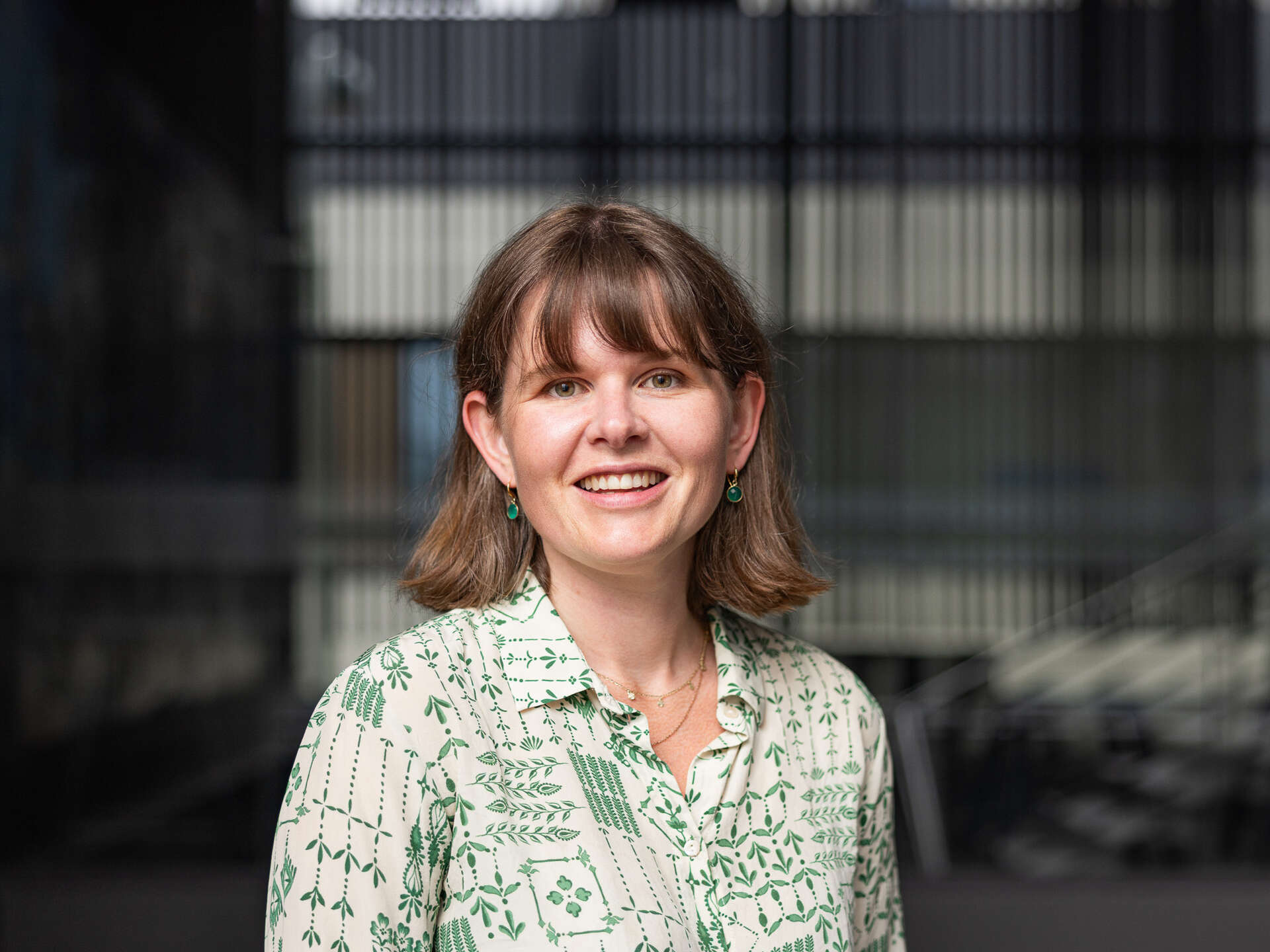
How does contemporary literature portray people fleeing across the Mediterranean? That is the question Vatne poses in her doctoral thesis.
In this project, she takes a closer look at English-language fiction published in the wake of 2015 and the so-called ‘refugee crisis’. Whilst previous research has mainly focused on how literature portrays the home countries refugees leave behind and life in their new country, this research project turns its attention to the act of fleeing itself.
To analyse the novels, Vatne uses the concept of ‘representations’, and in her project she examines both portrayals of the refugee, the role of the Mediterranean in narratives of flight, and how the literature relates to other discourses concerning flight. Central to the thesis are the literary devices that both correspond to, and differ from, earlier migration narratives. A recurring theme is perspective: Who tells the story of flight? What position does the narrative voice adopt, and how is the reader positioned in relation to the narrative?
Marianne Eik, Department of Foreign Languages and Translation / Agder County Council (Public PhD)
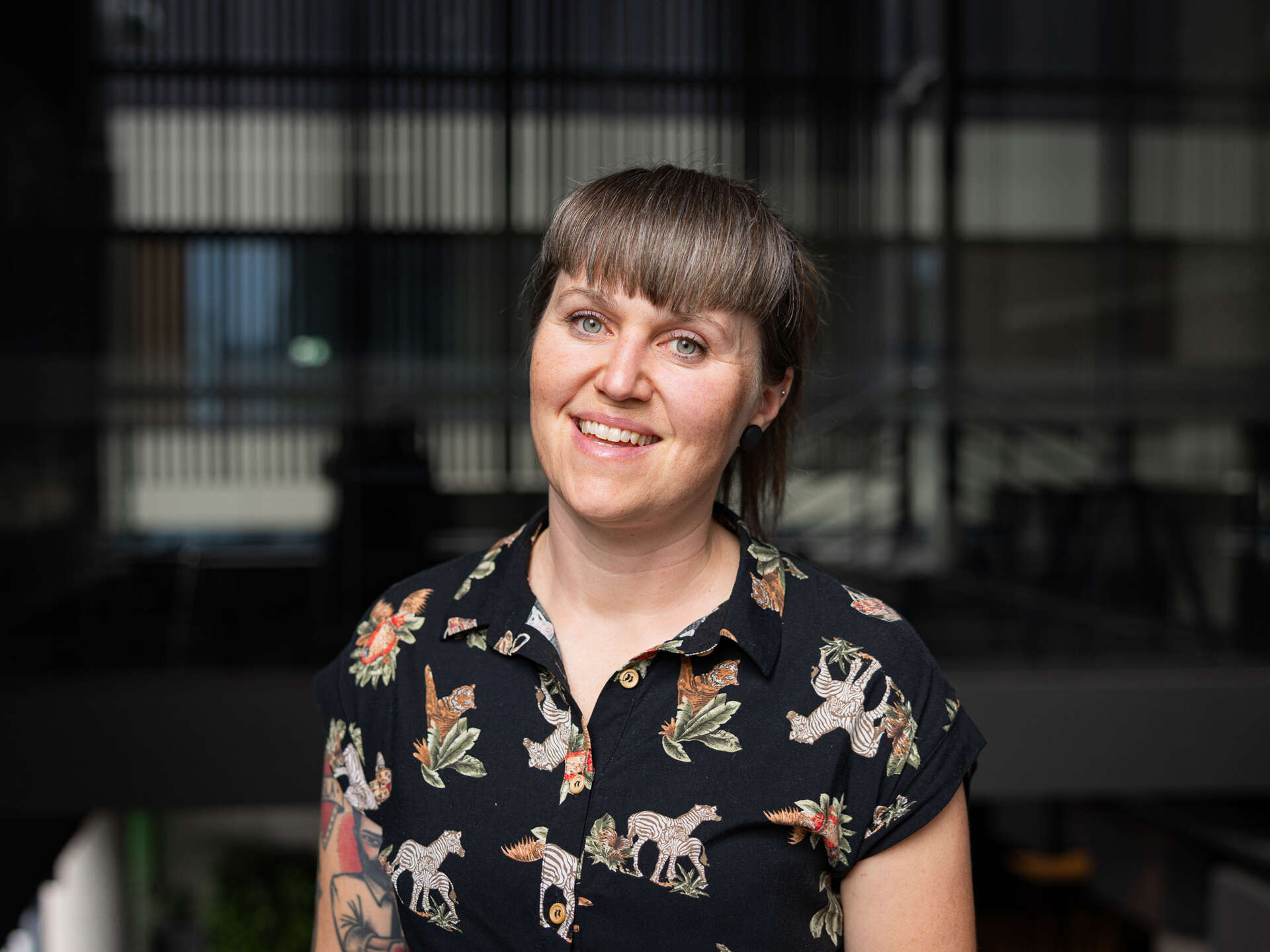
What do we do when the curriculum calls for digital teaching, but teachers lack the time and confidence to work out how digital tools can actually improve learning? Eik’s research project explores this from inside the classroom – as both a participant and a teacher.
Eik is herself an English teacher at Tangen Upper Secondary School and is taking part in the research project alongside colleagues from different schools in the area. Rather than relying on training courses and ready-made solutions, they come together as a professional community. They try out digital activities as pupils, plan lessons together, test them in their own classes – and reflect honestly on what promotes learning and what does not.
Through action research, she is investigating how this collective reflection strengthens teachers’ digital competence and gives them greater confidence in their pedagogical choices. This is practice-oriented research in which the teachers’ experiences take centre stage. The aim is to generate knowledge that is relevant, transferable and applicable in the busy day-to-day life of a school, from teacher to teacher.
Ådne Ausland, Department of Sports Science and Physical Education
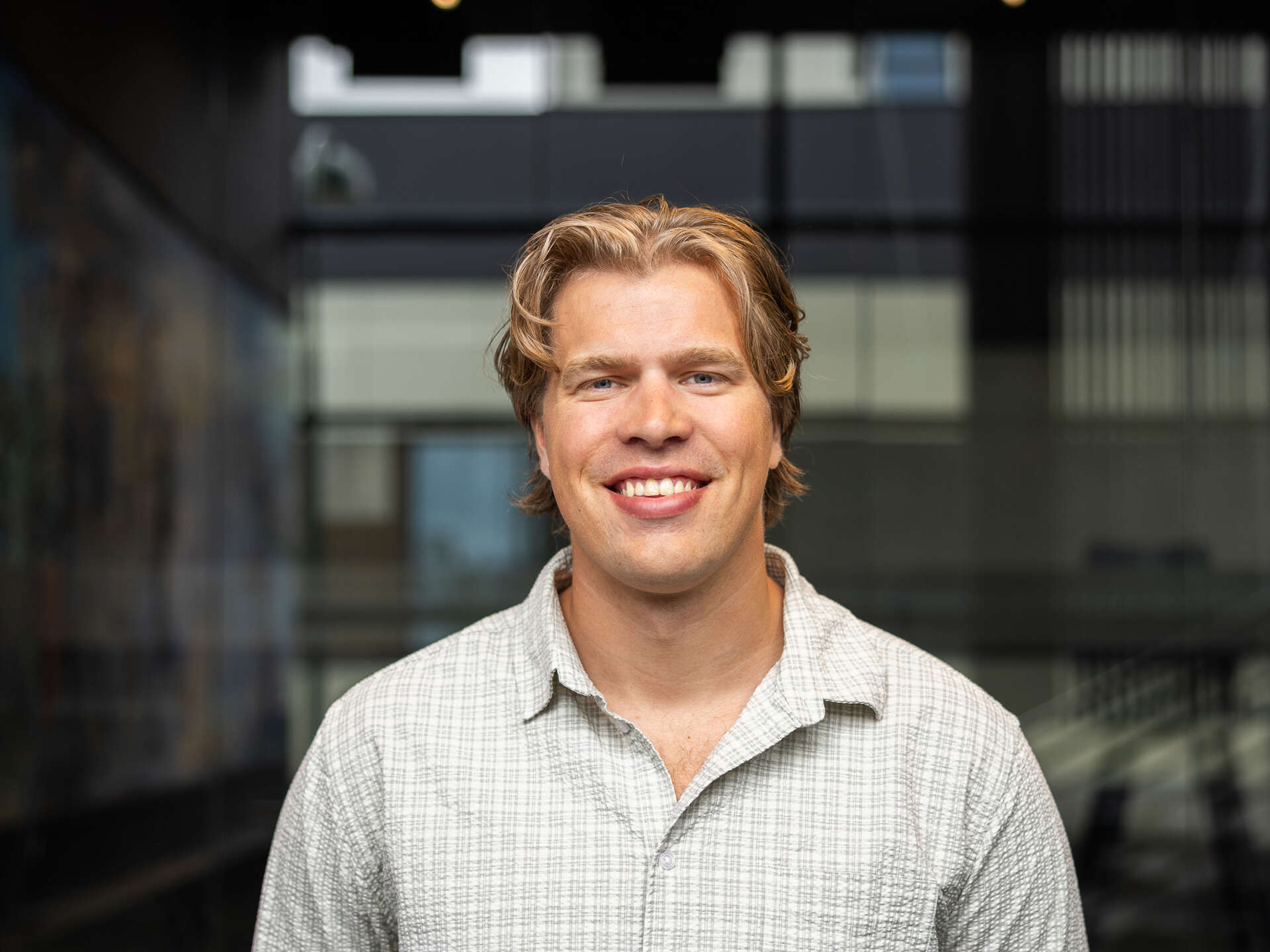
In Auslands’ research project, he is developing and testing a new training programme for coaches who work with female athletes.
The background to this is that most current sports research is based on male athletes. As a result, coaches often lack knowledge about topics that are particularly important for women, such as puberty, the menstrual cycle and REDs (a condition that occurs when the body receives too little energy in relation to what it uses, and which can affect both health and performance).
The training programme is delivered digitally, via videos and online workshops, and runs over 16 weeks. During this time, coaches learn both specialist knowledge and how to build good relationships with their athletes.
The programme has been trialled twice in Norway, involving over 260 coaches from eight of Norway’s largest sports. The next step is to roll out the training programme internationally. The project receives financial support from the International Olympic Committee, and the aim is to ensure that as many female athletes as possible around the world can receive better support and reach their full potential in sport.
Mathilde Elsa Christensen, Department of Health and Nursing Sciences
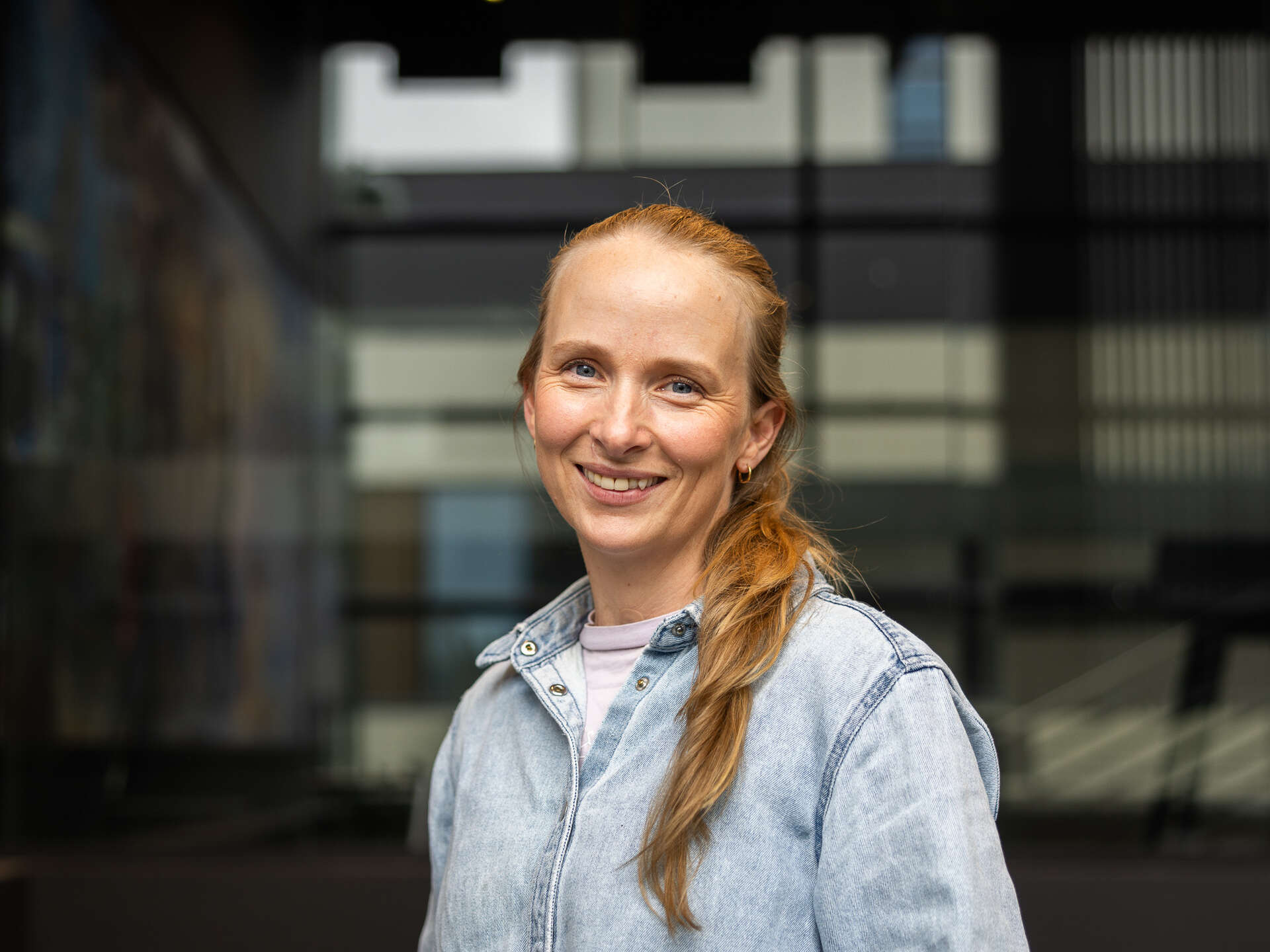
What happens to young people when a family member suddenly falls seriously ill – and life as they know it is abruptly put on hold?
Admission to an intensive care unit often comes without warning. A close family member can, in a short space of time, go from being healthy and present to lying connected to a ventilator, unable to communicate. For young people, the experience of the intensive care unit can feel overwhelming, surreal and frightening. At the same time, they are expected to carry on with their lives as teenagers, support their family and manage their own emotions.
But how do they actually experience this situation? In her research project, Christensen is investigating how young people experience being a relative when a close family member is an intensive care patient. She is particularly interested in young people’s experience of being in the intensive care unit, what was important to them and how they felt in the period that followed.
Ramy Alham, Department of Engineering Sciences
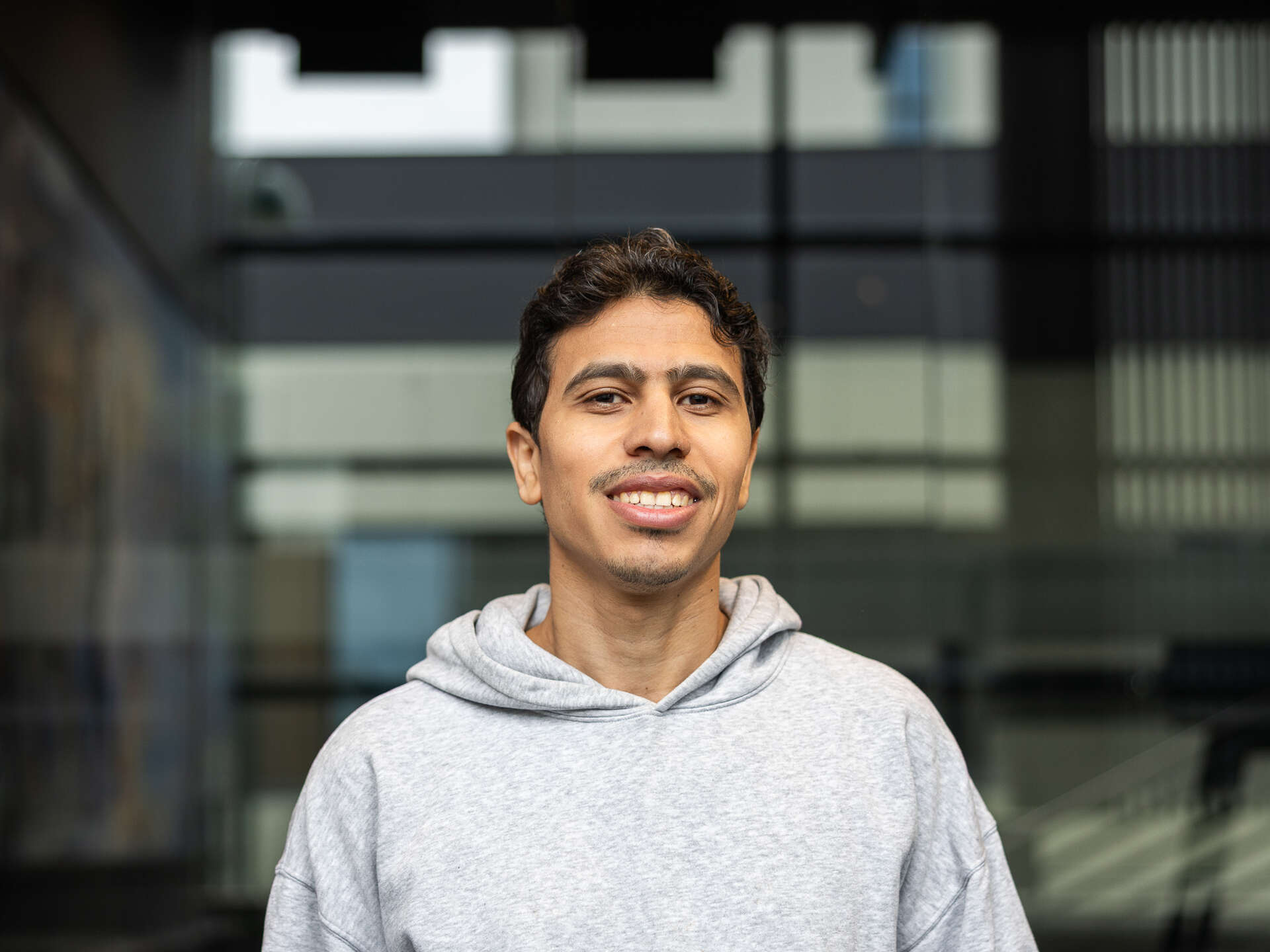
Alham’s research project focuses on developing a climbing crane capable of repairing offshore wind turbines without the need for large and expensive crane vessels.
When an offshore wind turbine breaks down, it is currently both difficult and expensive to repair it. Large crane vessels are required to carry out the work, and these vessels are expensive, difficult to obtain, and can only be used in calm weather.
The solution being explored is a small crane that climbs up the tower of the wind turbine itself to replace damaged parts.
The solution sounds simple, but at sea it is challenging. Waves cause the support vessel to move constantly, and this movement creates dangerous forces on both the crane and the turbine. To understand this better, Alham is developing computer simulations that show exactly when the forces become too risky, and what safety systems are required. The aim is to make wind turbine repairs faster, safer and much cheaper. This could help to reduce the cost of clean energy, to the benefit of everyone.
Jouvan Chandra Pratama Putra, Department of Engineering Sciences
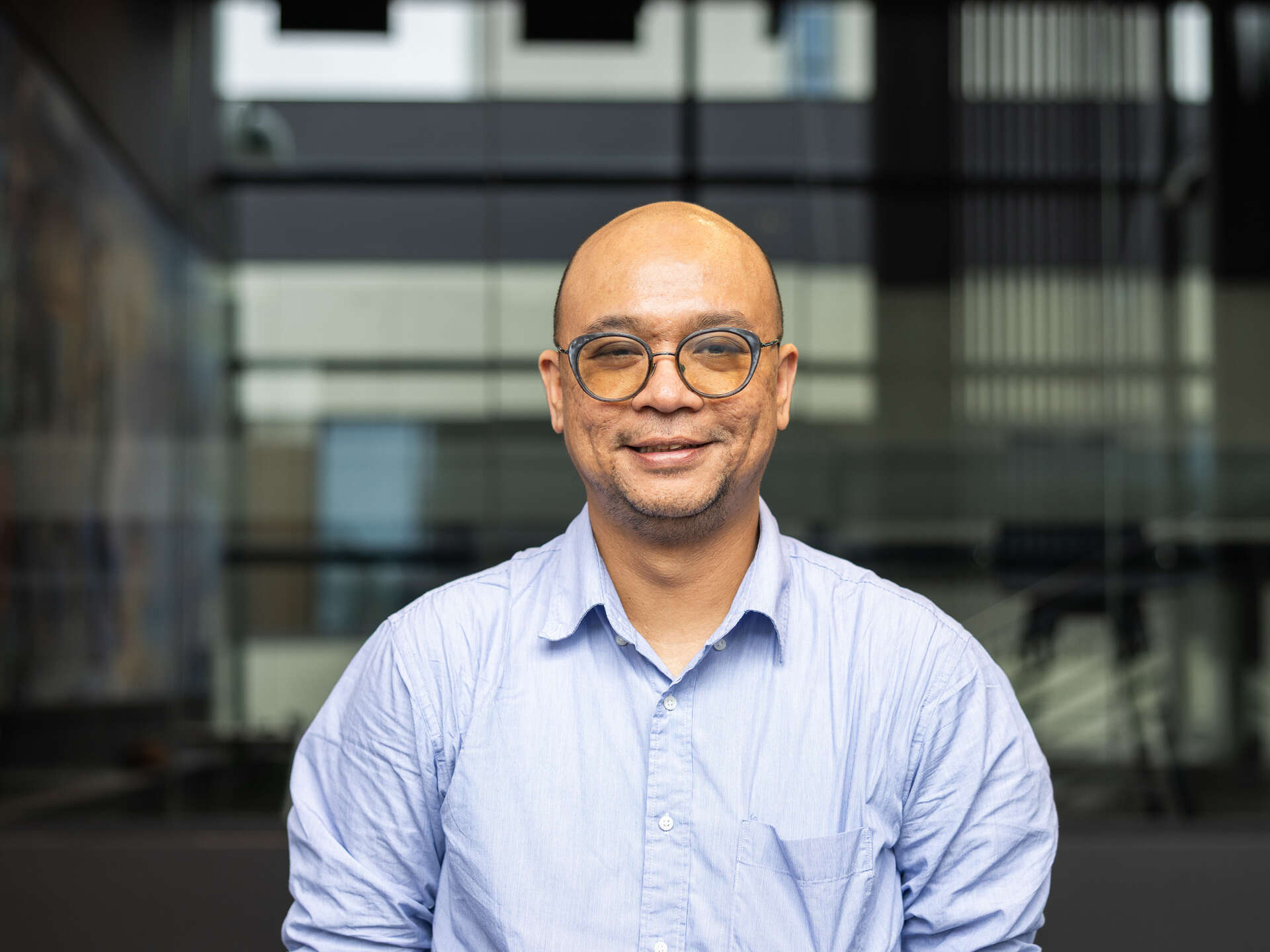
Putra’s research project focuses on how to make the air in timber-framed houses healthier to breathe.
When you walk into a new timber-framed building, it smells fresh, but is the air actually clean? Timber-based building materials can release invisible air pollutants, such as formaldehyde. These can build up indoors if ventilation is not good enough.
In his PhD project, Putra is developing a two-part coating for wooden surfaces that combines biochar from wood with titanium dioxide (TiO₂): the biochar captures the pollutants, whilst TiO₂ uses light to break them down. The research is also linked to the K-HEALTHinAIR project and is investigating whether wooden panels with this coating can serve not only as a building material, but also as a means of improving indoor air quality.