
At the Faculty of Fine Arts at the University of Agder (UiA), there are two small, recently acquired computers that aren't very expensive. Students can use these computers to access free and open AI tools to create images for their studies.
"We use AI with students working with artistic projects. Especially when generating ideas, working with artificial intelligence can be helpful," says Tor Jørund Føreland Pedersen.
Pedersen is concerned that when big companies control how we create content in such a rigid manner, artistic freedom is compromised.
"It's like giving students a paintbrush and saying, 'you can't paint nude models or anything that could be seen as offensive.' That's not a good way to educate artists," he says.

Safe and responsible use
The project at the Faculty of Fine Arts may be limited in scope. But it's a good example of the many ways UiA has adopted AI in recent years.
The University Board decided last June that artificial intelligence should be integrated into research, teaching and administration at the university. AI should be part of all study programmes.
When students at Norwegian universities were surveyed in 2024, students at UiA were the most satisfied with the AI training they received.
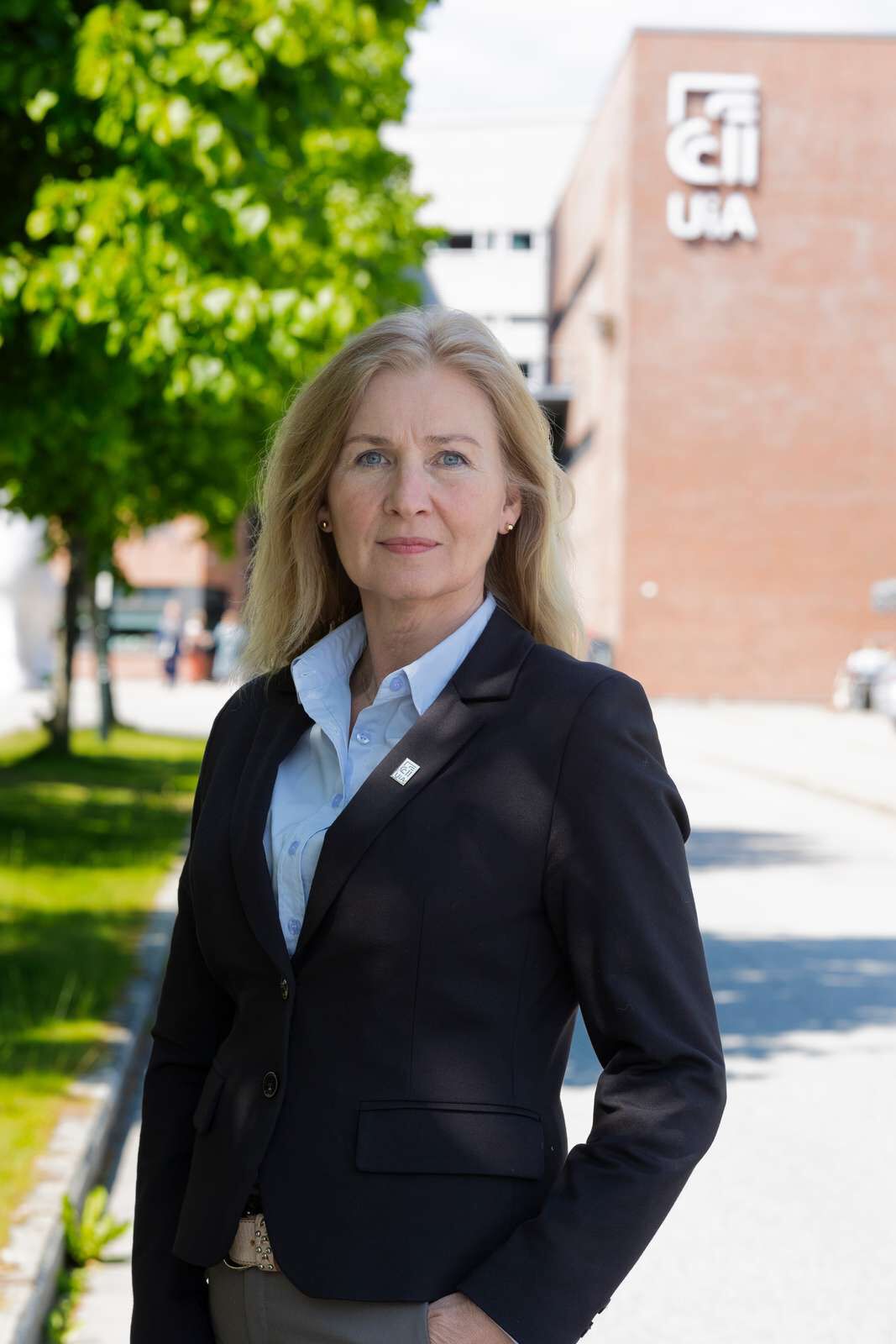
"Students who choose UiA should feel confident that they will develop competence in using new tools effectively and responsibly," says Vice-Rector for Education Hilde Inntjore.
This spring, she was appointed to the government's AI committee.
UiA far ahead
We are far ahead in using AI," says Maj Schian Nielsen.
Nielsen is one of two AI coordinators at UiA, a role she took on in 2023. The arrangement with AI coordinators was highlighted in the report on artificial intelligence in the higher education sector by the Norwegian Directorate for Higher Education and Skills (in Norwegian).
She spends a lot of time talking to and training students and staff in artificial intelligence.

"The introduction of AI has actually improved our collaboration with students. We're somewhat on equal footing in this field; everyone is unsure of what is allowed and what is advisable. Instead of each person figuring things out on their own, we've become better at listening to one another and collaborating more broadly across academic environment," she says.
Several hundred employees at UiA have already completed AI training of varying scope. Additionally, UiA, along with Kristiania University College, has initiated a national network for AI in education. Today, all higher education institutions in Norway participate in this network.
Working more broadly with AI
Nielsen points out that while many have feared we would delegate our thinking to AI, she does not believe this will happen.
"On the contrary, AI has sparked many discussions about the mission of universities and university colleges: What do we want from our programmes, and what do students need to learn? The availability of AI opens up an essential discussion about learning and competencies," she says.
In May, the university's new AI core team had its first meeting. The team will address many of the same issues as the AI coordinators but will ensure that the work is done more broadly and systematically.
"It's about looking at the bigger picture and prioritizing what to develop further. At the same time, we don't want to dampen the enthusiasm among those who are already working on it," says Nielsen, who is part of the core team.
Good solutions must be found
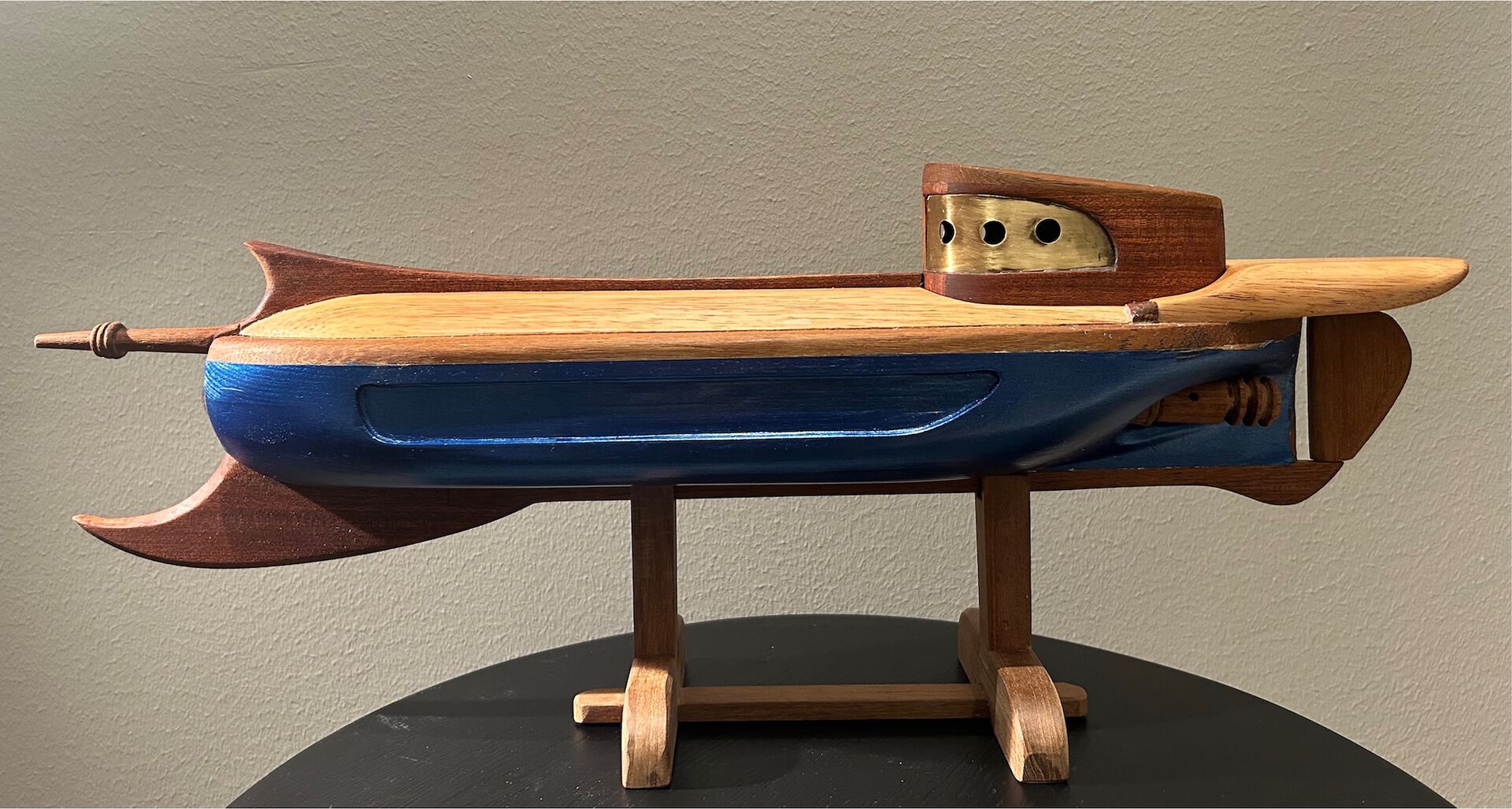
At the Faculty of Fine Arts, Jørund Føreland Pedersen advocates for more collaboration and coordination in the sector regarding artificial intelligence.
"AI is bigger than the internet. It is changing the world, for better and worse. We are several years into this, and it is important for the higher education sector to find good solutions, including for AI generation. Lots of exciting things are happening all the time, but we need good, permanent solutions for how we will work with AI," he says.