AI for Inclusive and Personalized Teaching and Learning

This project investigates how artificial intelligence can be used to support students learning English as a Foreign Language in Scandinavian classrooms. The central aim is to explore how AI tools can influence writing development, cognitive engagement and inclusivity when integrated into regular teaching.
The project uses a 2×2 factorial design where students are assigned to one of four conditions: trained “proper use” of AI vs. general unguided use, and monolingual English-only use vs. translanguaging where students can engage with AI in both English and their other languages. This design makes it possible to study not only whether AI supports learning but also how training and multilingual use affect outcomes.
Data is collected through multiple sources: students’ essays (pre- and post-tests), writing process logs from Google Docs, prompt logs and short surveys on motivation and personalization. A subsample of students will also participate in a physiological strand (e.g., EEG or HRV) offering insights into the cognitive processes involved in AI-assisted writing.
By combining product, process and cognitive data the project aims to contribute to new evidence on how AI can strengthen higher-order writing skills as well as support diverse learners through personalized and inclusive approaches and inform future guidelines for EFL teaching with AI.
Project researcher: Abrar Mohammad Ali, Department of Foreign Languages and Translation, UiA
Literacies for Sustainability in the LK20 Curriculum

How can literary texts contribute to education for sustainable development? What pedagogical potential do environmental narratives offer for navigating the complexities of climate change, species extinction and widespread environmental destruction? These questions form the overarching focus of the research project "Literacies for Sustainability: The LK20 Curriculum and the Implementation of Sustainable Development in Literature Classrooms."
In an era of widespread environmental degradation and global climate change, literary texts are arguably uniquely poised to help young people comprehend the scale and complexity of ecological destruction, envision alternative futures, and grasp the individual’s role in global systems. In the Norwegian national curriculum (LK20), sustainable development forms an interdisciplinary topic that informs pedagogical practice across subjects. But in the context of LK20, the role and potential of literature in the teaching of sustainable development has so far not been extensively researched.
The project seeks to address this lacuna by exploring how literary texts are being used and can be used in education for sustainable development. Focusing specifically on the LK20 curriculum and the Norwegian context, the project hones in on the English and Norwegian subjects, where literature teaching is particularly relevant.
One of the aims of the project is to investigate if and how the sustainable development concept informs the teaching of English following the curriculum reform. As opposed to the Norwegian subject, where the curriculum explicitly lists sustainability as an interdisciplinary topic, the English subject curriculum does not mention sustainable development as a distinct focus area. This omission is surprising considering the core curriculum’s emphasis on sustainability and environmental awareness. The project will contribute to clarifying the ambiguous status of sustainable development in the English classroom by investigating empirically if and how teachers currently engage with this concept in their teaching practice.
Another project aim is to explore questions related to literature and pedagogy in the Anthropocene – the proposed name for the current geological period of anthropogenic environmental change. The project seeks to examine the potential of different narrative strategies and literary genres – particularly those aimed at young readers – in illuminating issues such as petroleum dependence, species extinction and biodiversity loss, climate change, and consumerism.
The purpose of the project is thus twofold: to carry out an empirical study of how the interdisciplinary topic of sustainable development is being taught and operationalized in literature classrooms following the curriculum renewal, and to explore the didactic possibilities offered by literary texts for cultivating environmental awareness and sustainability thinking. By doing so, the project fills a gap in the knowledge about the effects of LK20’s implementation and about how sustainability as an interdisciplinary topic is being realized in Norwegian education. The project will be interdisciplinary in nature and will contribute to new insights within the fields of both pedagogy, literary studies, and sustainability education.
Project researcher: Ida M. Olsen, Department of Foreign Languages and Translation, UiA.
Stedsbasert læring om samer i sør
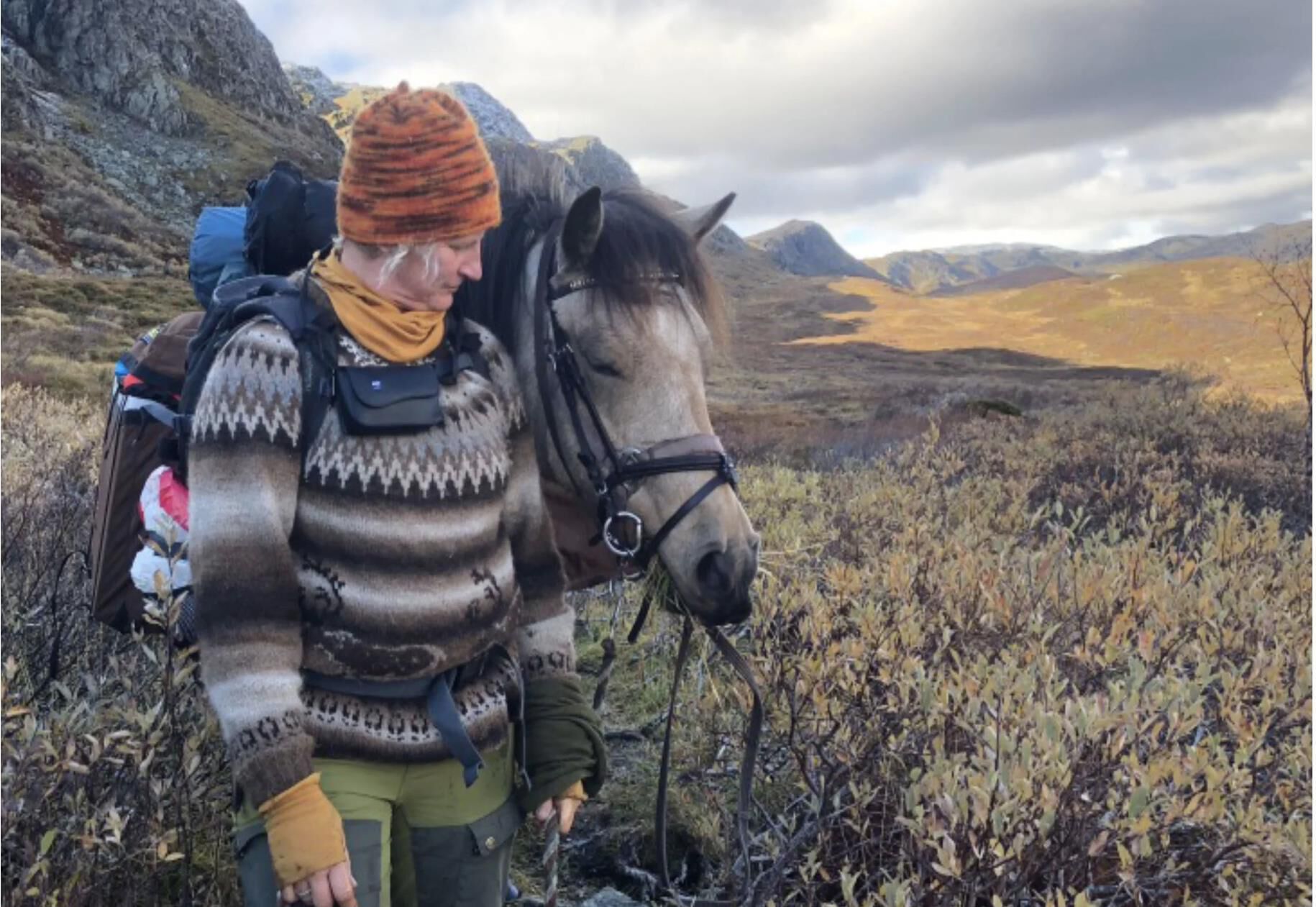
Lærerstudenter ved Universitetet i Agder skal lære om den samiske tamreindriften som har vært i Setesdalsheiene, for å arbeide med samiske perspektiv gjennom stedsbasert læring. Sammen skal studenter og lærerutdannere utforske hvordan landskapet her også har blitt levd i og med av samer. Samarbeidsparner som skal bidra i prosjektet er Bjåen Fjellstove og Villrein, Agder Sameforening og Samisk Allaskuvla. Sammen skal vi løfte frem samisk liv og virke i Agder.
Stedsbasert læring er veletablert som inngang til undervisning om samiske tema og perspektiver, særlig i de samiske kjerneområdene. Dette fordi sted og landskap er så viktig i tradisjonell samisk kunnskap, og er knyttet til samisk kunnskapssyn, verdensforståelse og verdier. Dette utviklingsprosjektet tar denne lærdommen ned til Agder for å undervise lokalt om samiske perspektiv også her sør.
Prosjektleder, Mari Kristine Jore (samfunnsfag) uttaler: “Vi er spente på å undersøke samiske liv og virke i lokalsamfunn i vår region. Kan vi jobbe stedsbasert med samiske tema ved Norges sørligste universitet, kan kanskje flere utdanningsinstitusjoner andre steder utenfor de samiske kjerneområdene også gjøre det?”
Prosjektet er en del av Dembras oppfølging av Sannhets- og forsoningskommisjonens rapport, som kom 1. juni 2023. Det er ett av ni som får tildelt midler for å utvikle kompetanse og undervisningsressurser om samiske tema i lærerutdanningen.
Prosjektleder er Mari Kristine Jore (samfunnsfag), som gjør dette sammen med Irene Trysnes (samfunnsfag) Hilde Kristin Røsstad (historie) og Nils H. Korsvoll (religion). Eksterne partnere er Brith Lillevann (Agder Sameforening), Ragnhild Bjåen (Bjåen Fjellstove og Villrein.no), Marét Hætta (Samisk Allaskuvla) og reindriftssame og arkeologi Mads Danielson.
Les sammendrag fra prosjektets oppstart her.