Published
Mar. 6, 2025 12:00 AM
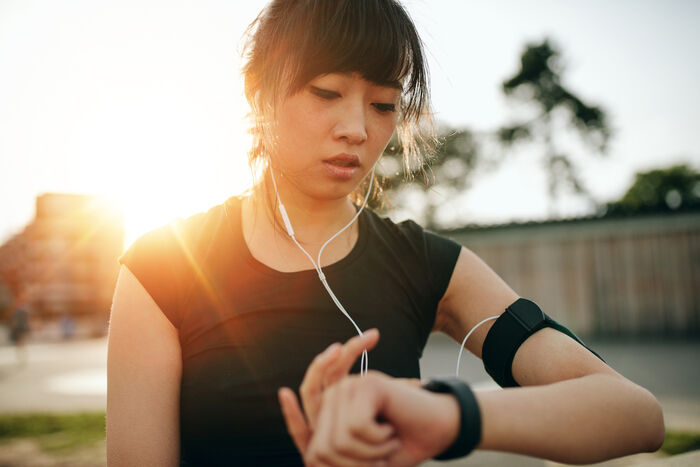
Watches and other activity trackers give you loads of data about how exercise affects your body. Here are five tips to avoid technology causing more harm than good.
Watches and other activity trackers give you loads of data about how exercise affects your body. Here are five tips to avoid technology causing more harm than good.
Many of us are anxious about the future, not to mention the present. We've asked the experts for advice on how to cope with uncertainty.
There are not many programmes designed for young people living with or surviving cancer. UiA and the Hospital of Southern Norway, in collaboration with international researchers, aim to explore how outdoor activities and time in nature can enhance health and quality of life.
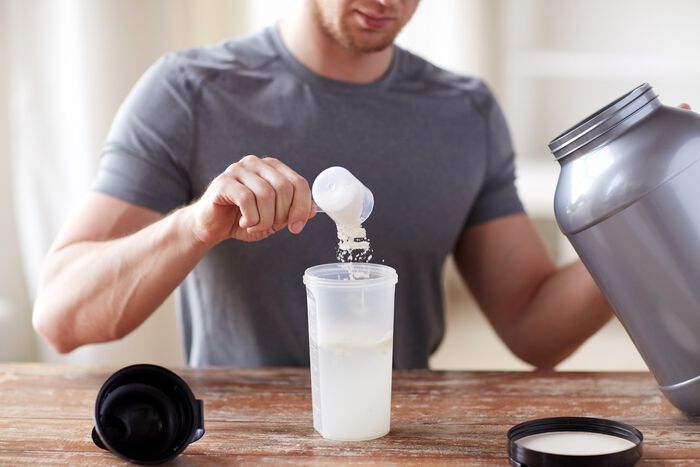
One of the most popular supplements at the moment is creatine. Here is everything you need to know about its use, side effects, and what it can – and cannot – do.
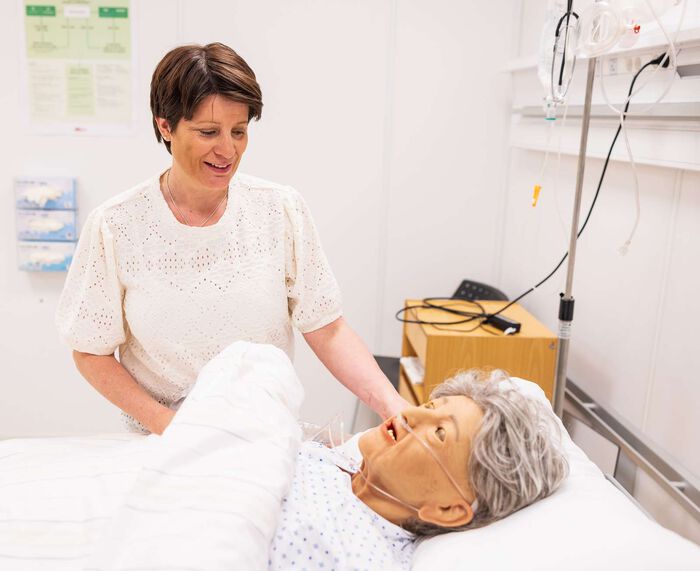
Simulation manikins are now commonly used in nursing programmes. Jorunn Aas Handeland has taken a closer look at how their use affects students.
Researcher Aron Laxdal has analysed 12,000 penalty throws in handball.
Physical activity is beneficial before, during and after chemotherapy treatment. New doctoral research has taken a closer look at those who opt out.
"The UN Committee on the Rights of the Child says that we must listen to children to be able to determine what is in their best interest. The Norwegian child welfare system is currently not doing this well enough," says Monica Strømland.
The University of Agder is collaborating with young people and local stakeholders to develop a healthy and sustainable Nordic diet for the future.
1200 random Norwegians from across the country have undergone physical fitness tests. The findings reveal that a lot of us can improve our fitness by engaging in simple activities such as climbing stairs and walking uphill.
Three quarters of Norwegian youth are not getting enough sleep. "It affects both school and leisure time," says researcher Erik Grasaas who wants healthy sleep habits included in school curricula.
"Not too bad," says UiA Professor Stephen Seiler about the training programme created by ChatGPT.
Football researchers at the University of Agder have examined the introduction of Video Assistant Referee (VAR) in Norwegian top football.
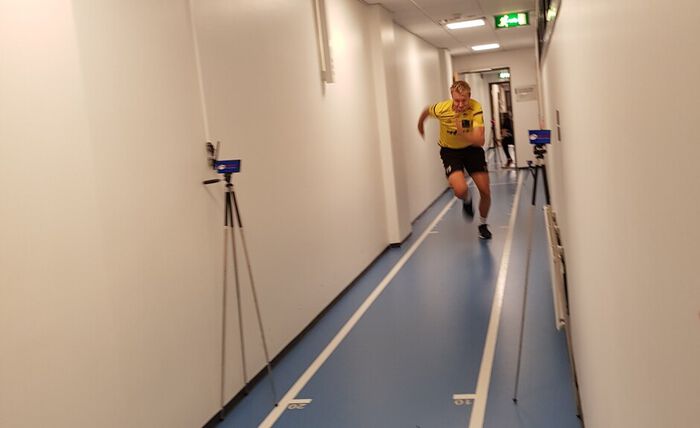
New technology increasingly monitors what athletes do during matches and training.
But perhaps older people won't be the first to use such robots.
Brain researchers hope that the sense of smell can reveal more about how the brain organises information.
Norwegian lower secondary school students are eating breakfast less frequently, and also perform poorly in maths and science. Researchers from UiA have identified this correlation and are calling for measures to be put in place.
The health services and NAV, the Norwegian Labour and Welfare Administration, need to collaborate better to help people with mental illness return to work and improve their mental health," says Ellen Ånestad Moen.
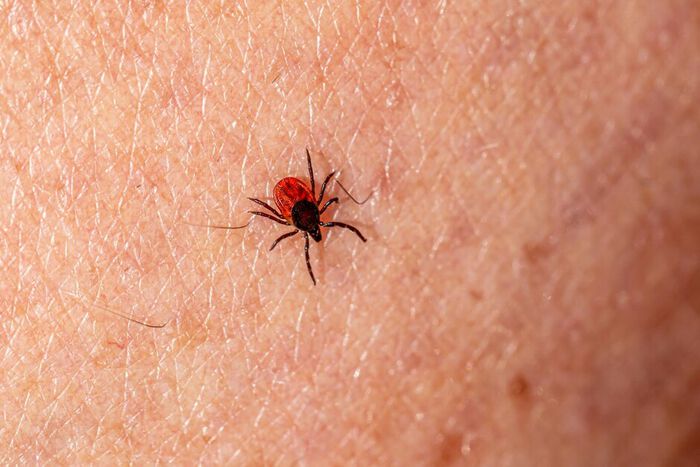
The myth that Norway is not as competent as others in treating Lyme disease is not rooted in reality. However, there is one area where other countries surpass us.
Older people can train at a less intense pace and get the same good results as those who train hard, according to a new study from the University of Agder.
A football team is losing 4-0 in a promotion match. Within six minutes, the game is turned around. New research may shed light on why.
It's not just about practicing a lot, but also about practicing correctly. This is shown by new research from the University of Agder.
Professor Stephen Seiler recently made a guest appearance on the Feel Better Live More podcast, which is one of the most popular podcasts on exercise and health in Europe.
When individuals with disabilities are involved in the development of technology that they will use, it leads to better digital solutions and promotes social inclusion.
“It can be questioned whether the health and social services have made room for the next of kin of addicts,” says a researcher on substance abuse.