Published
Oct. 7, 2026 12:46 PM
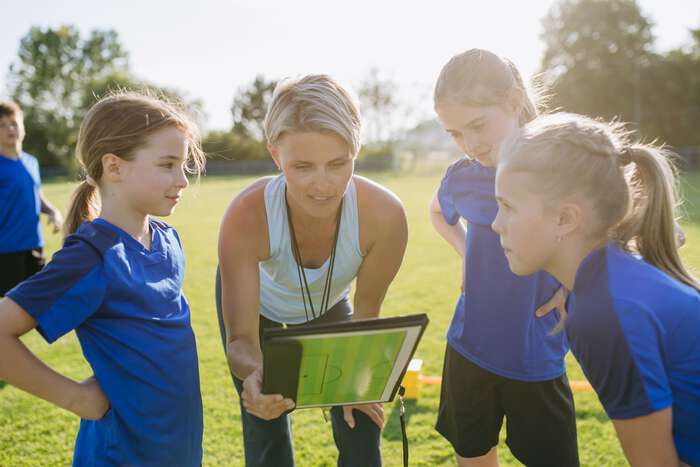
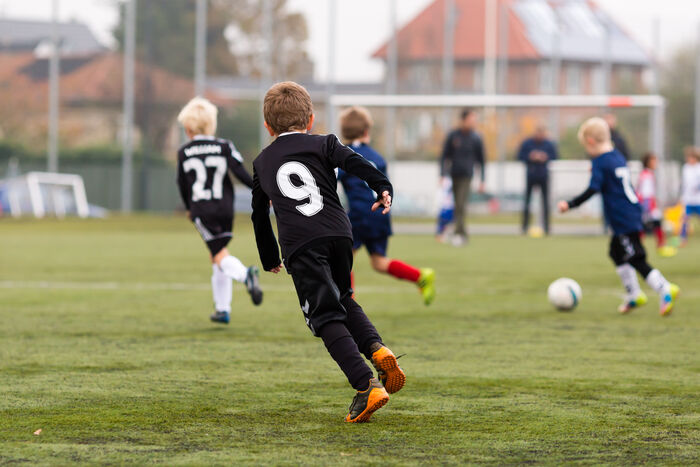
There is a significant gap between athletes’ needs and coaches’ knowledge. Researchers at UiA have three pieces of advice that could make a difference.
There is a significant gap between athletes’ needs and coaches’ knowledge. Researchers at UiA have three pieces of advice that could make a difference.
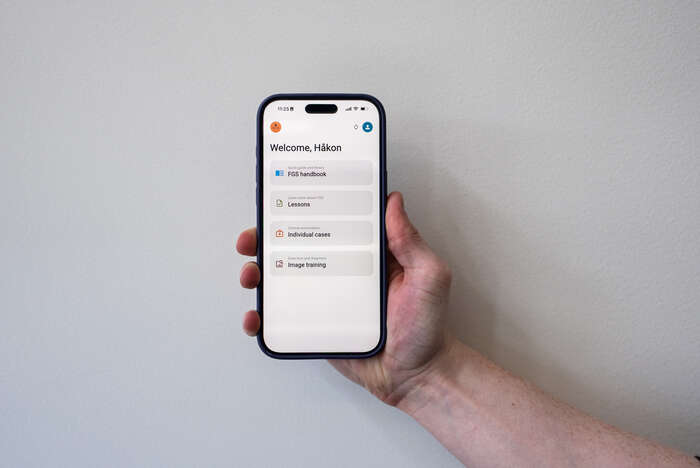
A research project at UiA is working to combat one of the world’s most neglected tropical diseases. A mobile app has now been developed to train healthcare workers in Africa to detect the disease.
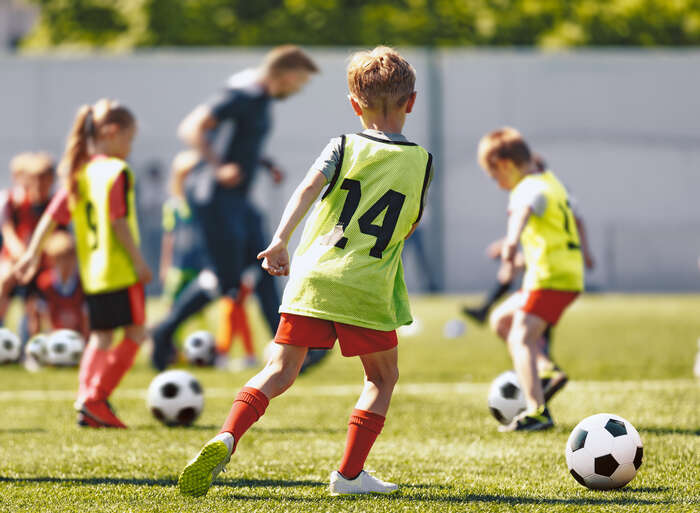
By studying 47,000 children, researchers have determined how many exercise sessions per week are associated with the highest quality of life.
"Politicians should be more open about the kind of healthcare services we can expect to receive", says a researcher who has studied patient complaints.
Typical Norwegian drinking patterns can increase the risk of parents’ behaviour negatively impacting their children.
Nearly half of Norwegian children in middle school don't get enough sleep. For girls in particular, this is closely linked to quality of life.
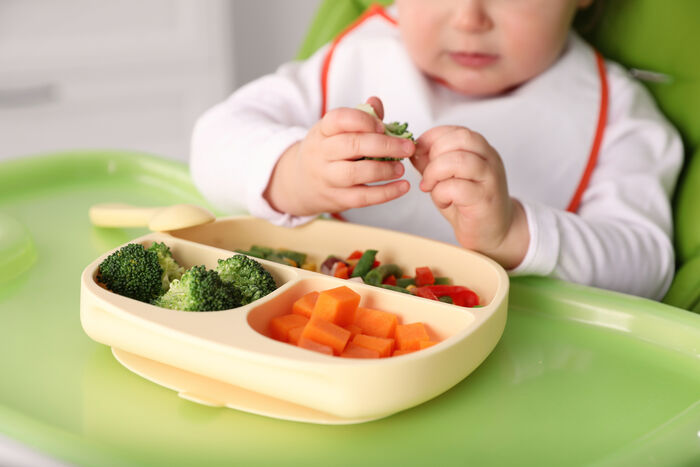
Four-year-olds who eat a lot of snacks show more signs of anxiety, anger and difficulty concentrating.
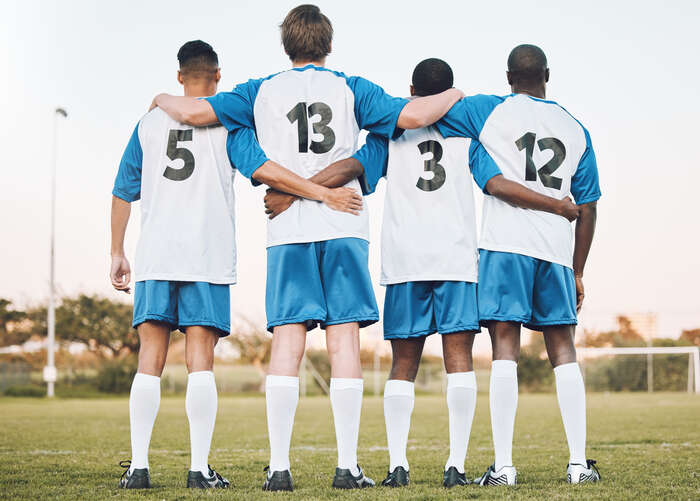
A new study offers a unique insight into just how important team spirit is for a national team – and what fosters it.
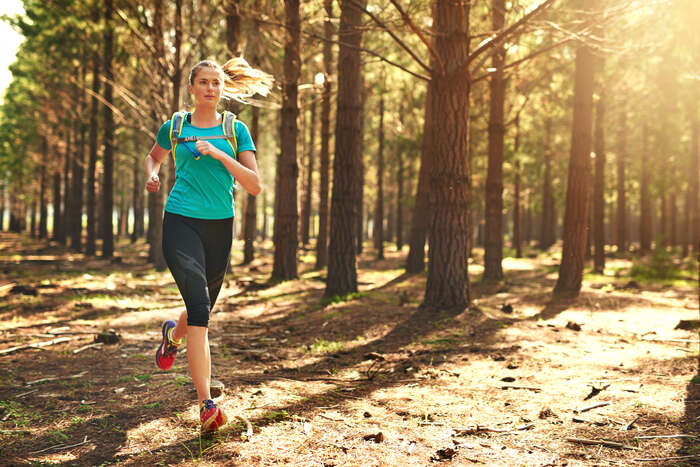
Stephen Seiler is dismayed by the gamification of the running world. The endurance expert would like to see more recreational runners dare to break free from technology.
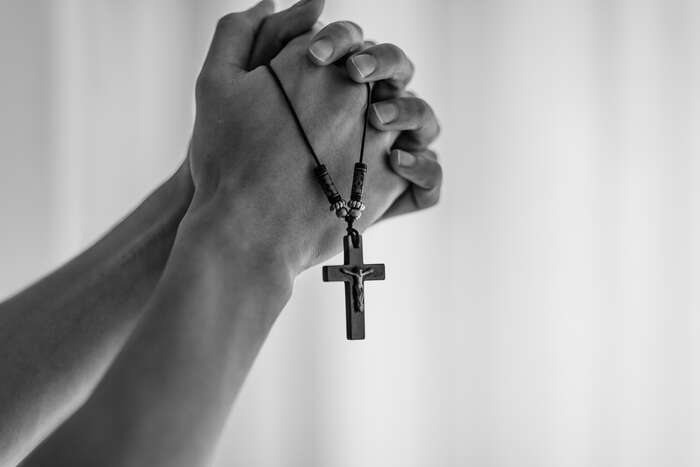
Queer people who have grown up in Christian communities that do not accept them continue to feel that fear and shame long after they have left the congregation.
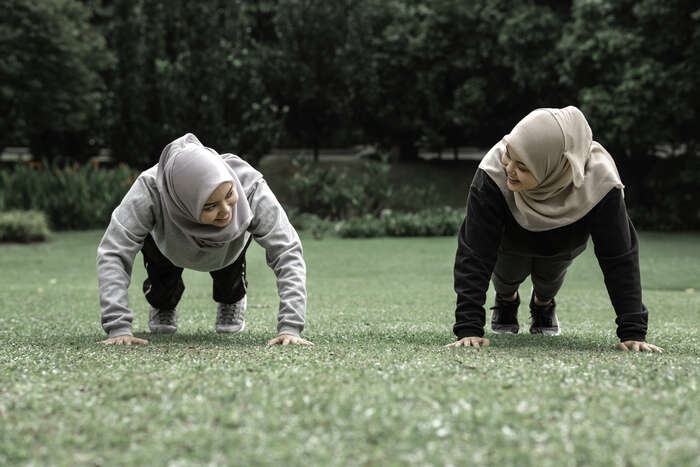
When traditional ball games and high intensity training dominate physical education lessons, girls with minority backgrounds are often left on the sidelines.
When young people reach the age of 16, parents no longer have access to their child’s health information. For many families, this change comes unexpectedly.
Patients with advanced cancer should be involved in decisions about their own treatment. Yet, patients, and relatives and nurses too, are often unsure how exactly this should take place, according to a new doctoral thesis from the University of Agder (UiA).
A new University of Agder study reveals that a large proportion of trans people in Norway pay for gender affirming treatment and care out of their own pockets, even though it is available through the public healthcare system.
Many young people use painkillers daily, says a researcher who has studied young people’s quality of life in Agder.
There are many cases of fathers and sons both reaching elite level in football. New research from the University of Agder offers a unique insight into how fathers influence their sons’ path to the top.
Nurses hold a key position in health and care work in Norwegian prisons. What is it like for them to promote health behind bars? A professor at the University of Agder has written a book about this.
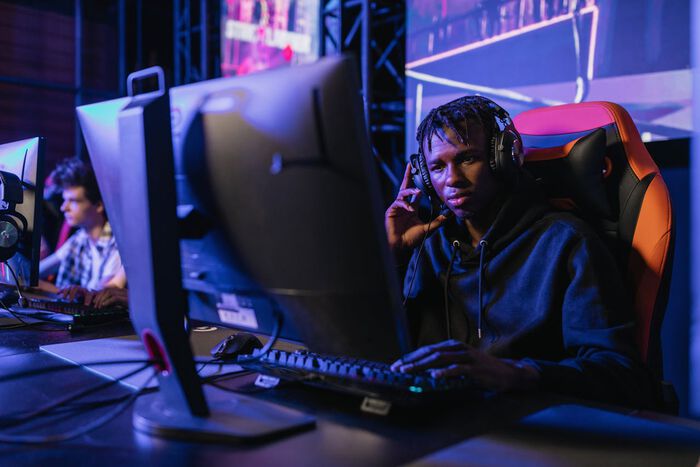
All serious esports teams now include physical training and healthy diets as key parts of player development. They also spend less time gaming.
An international study involving over 9,000 children reveals that measures aimed at parents do not work to prevent childhood obesity. “We need to think differently,” says researcher Nina Cecilie Øverby.
New research reveals that unequal treatment can severely impact health – and in surprising ways.
For many women who survive gynecological cancer, the desire for sex and intimacy disappears. The healthcare system rarely asks. Their partner might not do so either.
Norwegian teachers are doing the exact opposite of what works best for anxious children, new research shows.
UiA researcher calls for clearer sleep guidance to be included in postnatal care.
Overwhelming, demanding – yet a rewarding experience? A new study points to several measures that can make the first practice placement for student nurses safer and more educational.
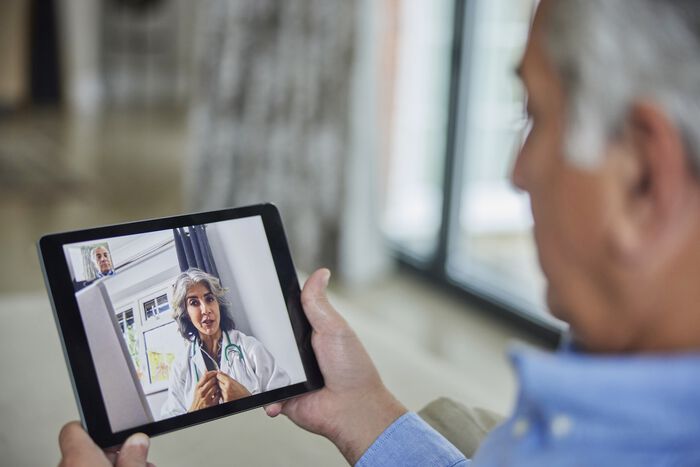
When technology makes doctors more accessible, it can lead to lower quality for patients and increased pressure on already stressed doctors, says Magnus Wanderås.

.jpg?alt=listing)