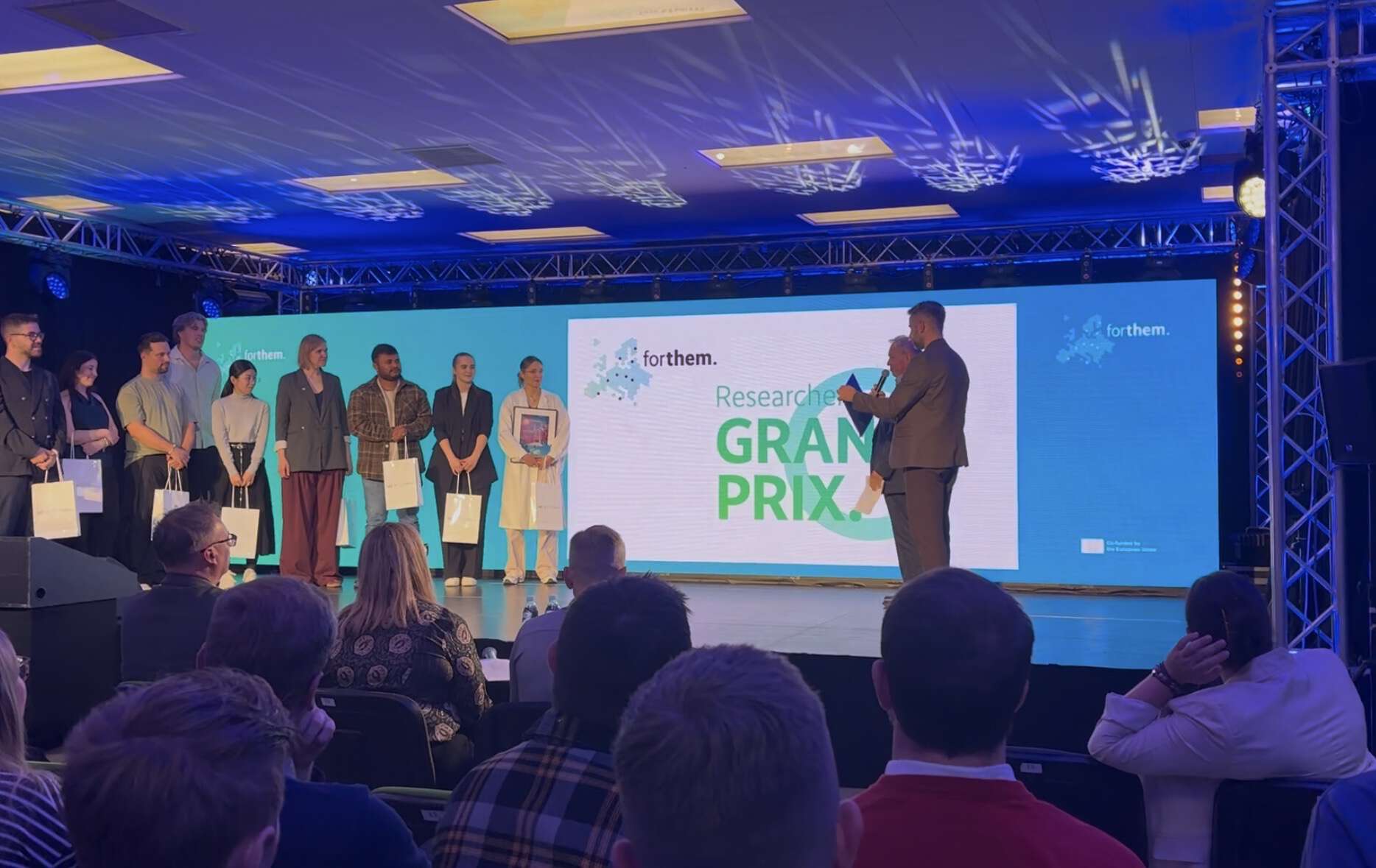
“This competition has become a flagship initiative for our alliance. We are deeply grateful to Arne and the UiA team for bringing this idea to us. The idea struck a chord with us both in our hearts and in our minds,” said Barbara Curyło, head of the Forthem Centre at the University of Opole, from the stage after the final.
The FORTHEM Researcher Grand Prix is inspired by Research Days in Norway. Senior Adviser Arne Martin Larsen put forward the proposal four years ago, during an annual meeting with the Forthem network in Opole. There, discussions centred on what the alliance could do to promote research communication.
The first international final was held in Kristiansand in 2024, and the following year in Dijon, France. Following this year’s final, Larsen was honoured for his commitment and efforts in establishing the competition. He was also praised for ensuring that all participants felt safe and well looked after.
Curyło believes that the ability to communicate is becoming increasingly important.
“Even outstanding researchers can struggle to demonstrate how important their findings are if they are unable to reach a wider audience. Explaining objectives and results, and what they mean for society, is extremely important today,” she said from the stage.
Nine researchers with nine stories
All nine universities in the Forthem Alliance sent researchers to take part in the communication competition in Opole, Poland. Research fellow Ådne Ausland represented UiA. Ausland’s research focuses on how coaches can better understand and support female athletes.
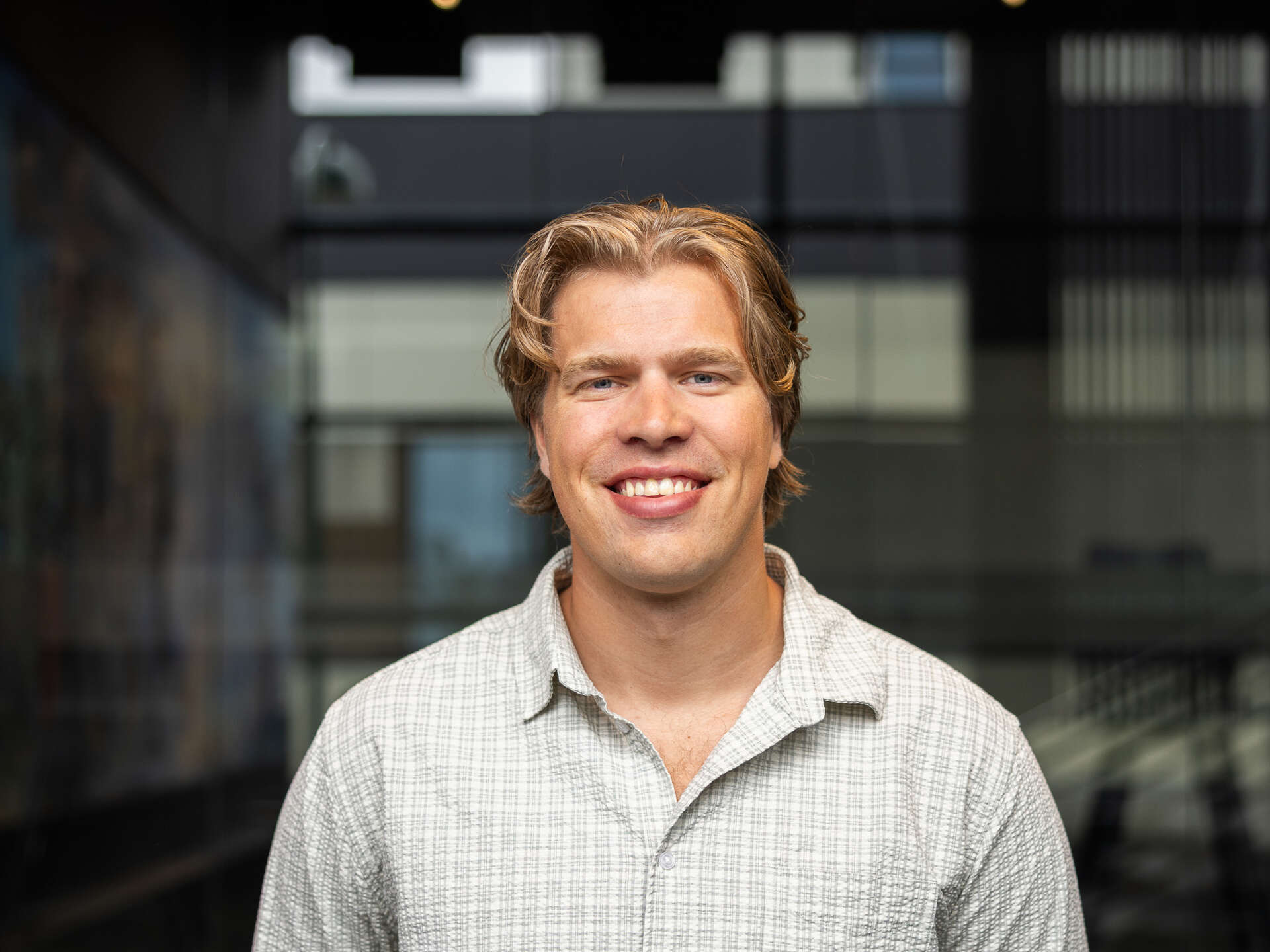
“This has been a really educational and fun experience! It’s been great getting to know and learning from so many talented research communicators in the Forthem team,” he says.
Each of the nine participants had four minutes to present their research in an accessible and relevant way.
Pre-final guidance
The participants gathered for two days of preparation ahead of the final itself. Larsen from UiA acted as mentor to the nine candidates.
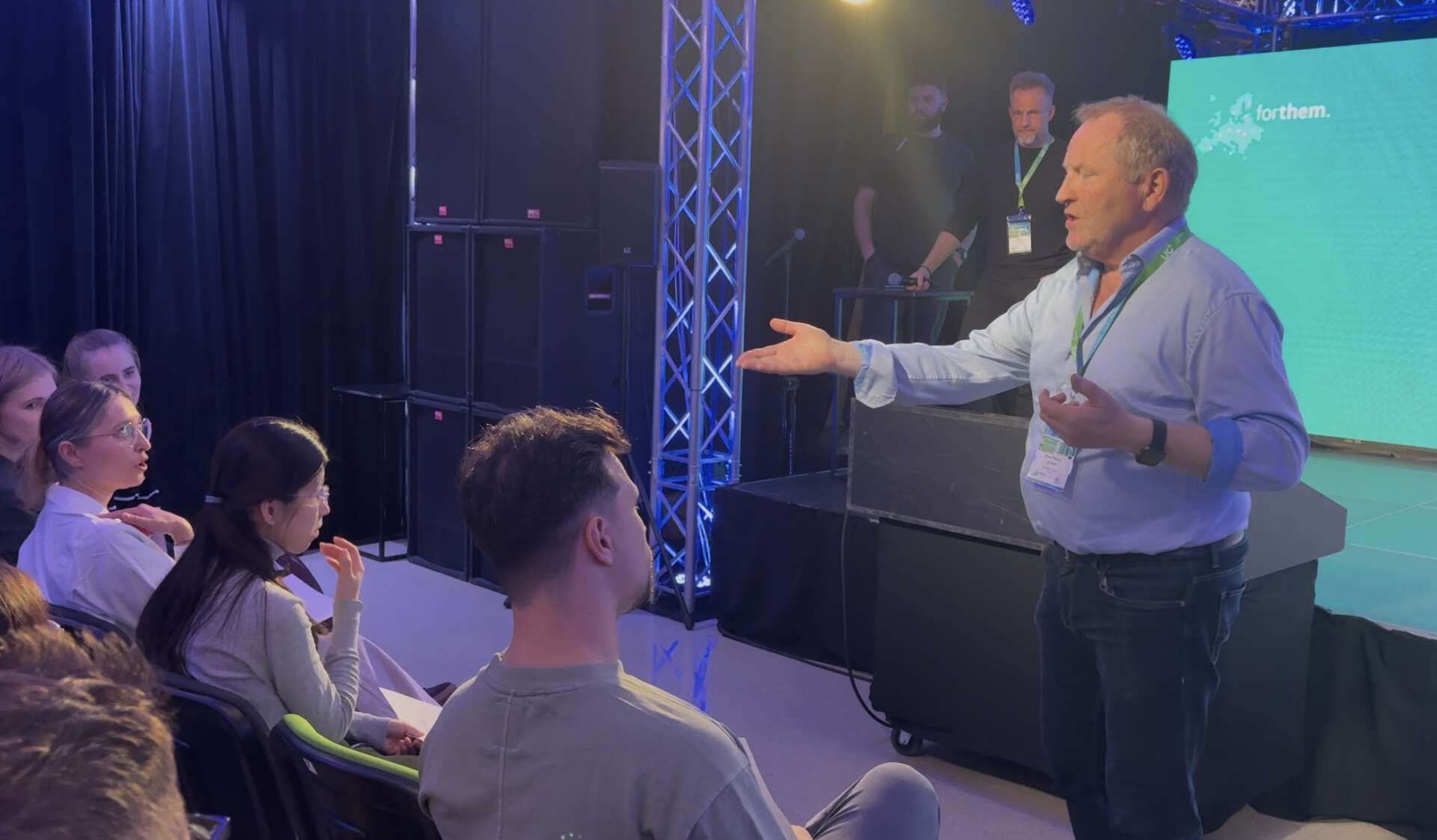
Together with Thomas Fiskå, who is the design coordinator at UiA, Fiskå led the sessions alongside supervisors from all the universities in the alliance. The course days focused on structuring the presentation itself, explaining difficult concepts, connecting with the audience and feeling confident on stage. Through feedback and practice, the research was to be transformed into stories that engage people without specialist knowledge.
Larsen explains that delivering a good four-minute presentation involves more than simply condensing a summary.
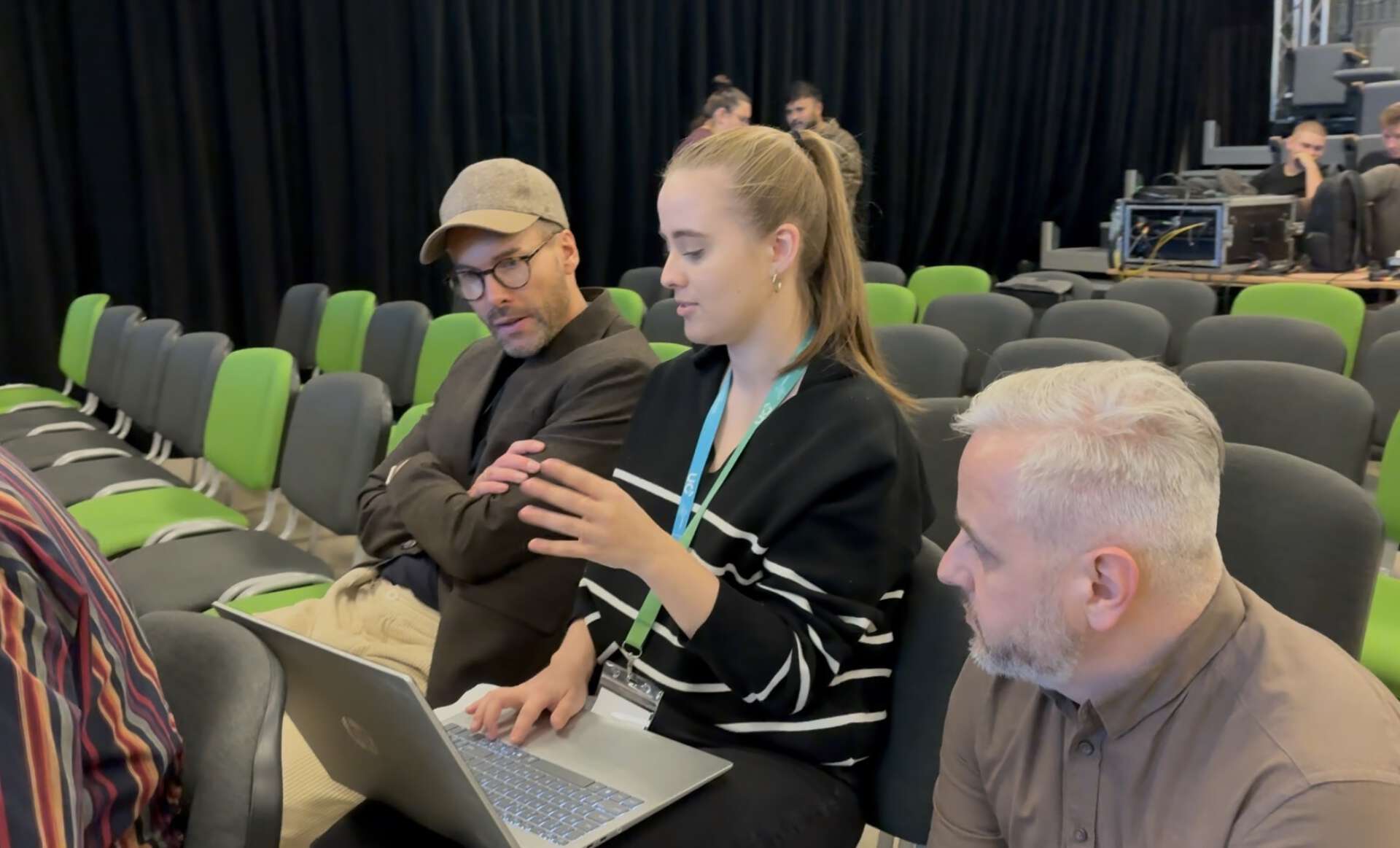
All participants arrive with a rehearsed presentation in their own language, but in this competition they have to deliver it in English and address a European audience. Some therefore needed to refine their message a little, others needed to emphasise their research methodology more, whilst others needed to work through it verbally to get it right, purely from a linguistic point of view, he says.
Fiskå helped the participants with their presentations, using illustrations, colours and animations.
"It was a really wonderful and exciting experience to encounter different cultures, practices and formats. It involved intensive work to arrive at a shared concept in a very short space of time. The hardest part is building trust quickly. But many were keen to receive advice on design and adjustments that could enhance their presentations", says Fiskå.
Winner with a broad international background
Sandra Anna Schwarz from Johannes Gutenberg University in Mainz, Germany, impressed both the audience and the jury, and was ultimately crowned the winner of the evening. Schwarz’s research focuses on the treatment of depression. She is investigating how brain stimulation therapy can be tailored to each individual patient, without the need for surgery, so that it is more effective.
Schwarz was born in Poland, grew up in Australia and studied in the Netherlands
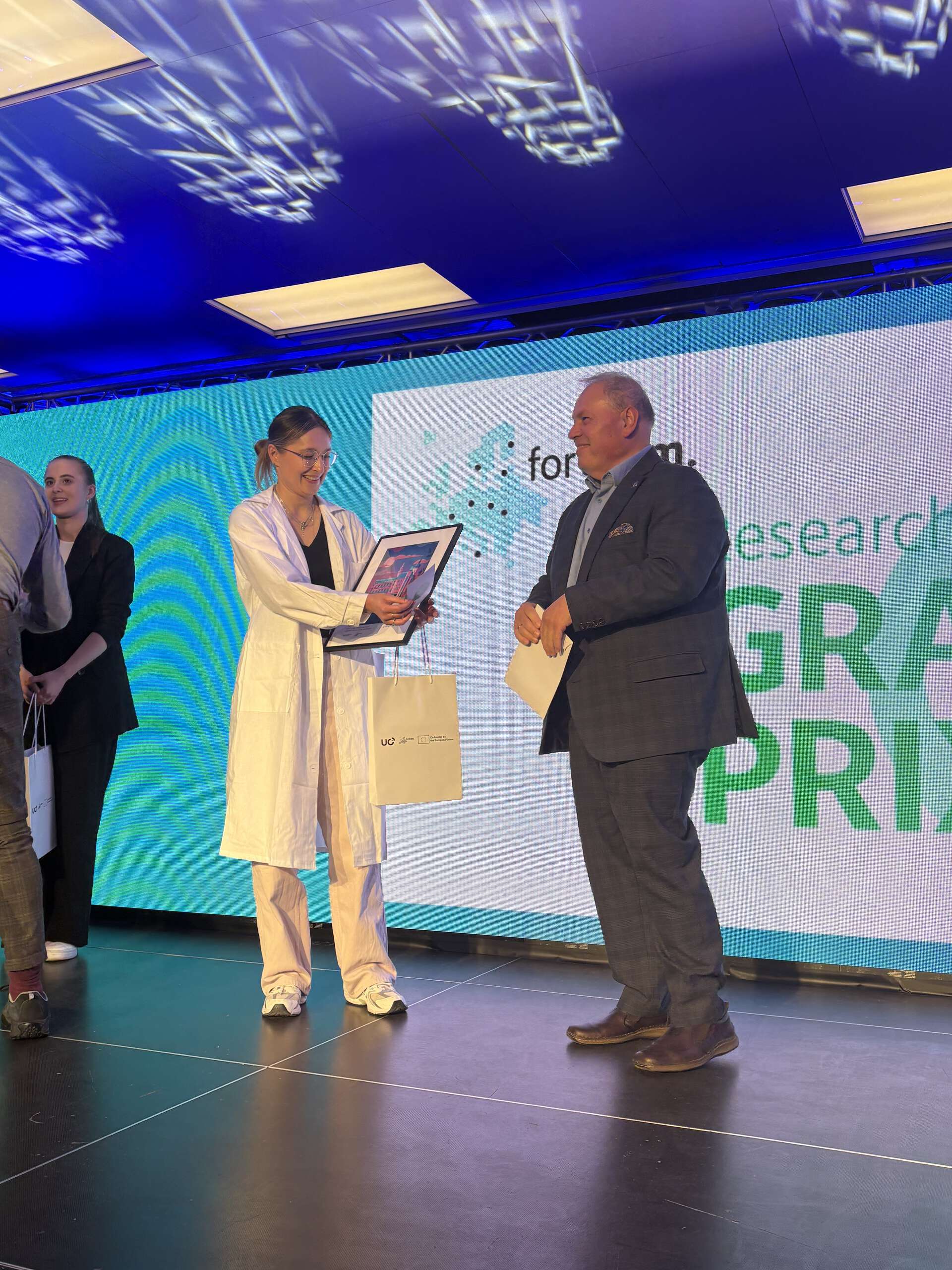
"It was a huge and delightful surprise for me to receive the award. Depression is something most people are familiar with. That’s why I wanted to highlight why this work is so important. And if I helped even one person in the audience who is suffering from depression, then it’s worth all the effort, the preparations and the rehearsals", said Schwarz from the stage.
There were also participants from the University of Burgundy, the University of Opole, the University of Latvia in Riga, the University of Palermo in Italy, the University of Jyväskylä in Finland, the University of Valencia in Spain and Lucian Blaga University in Sibiu, Romania.
Four minutes on stage
Contestant Dan Boldea from Lucian Blaga University in Sibiu, Romania, says that team spirit was just as important as the competition.
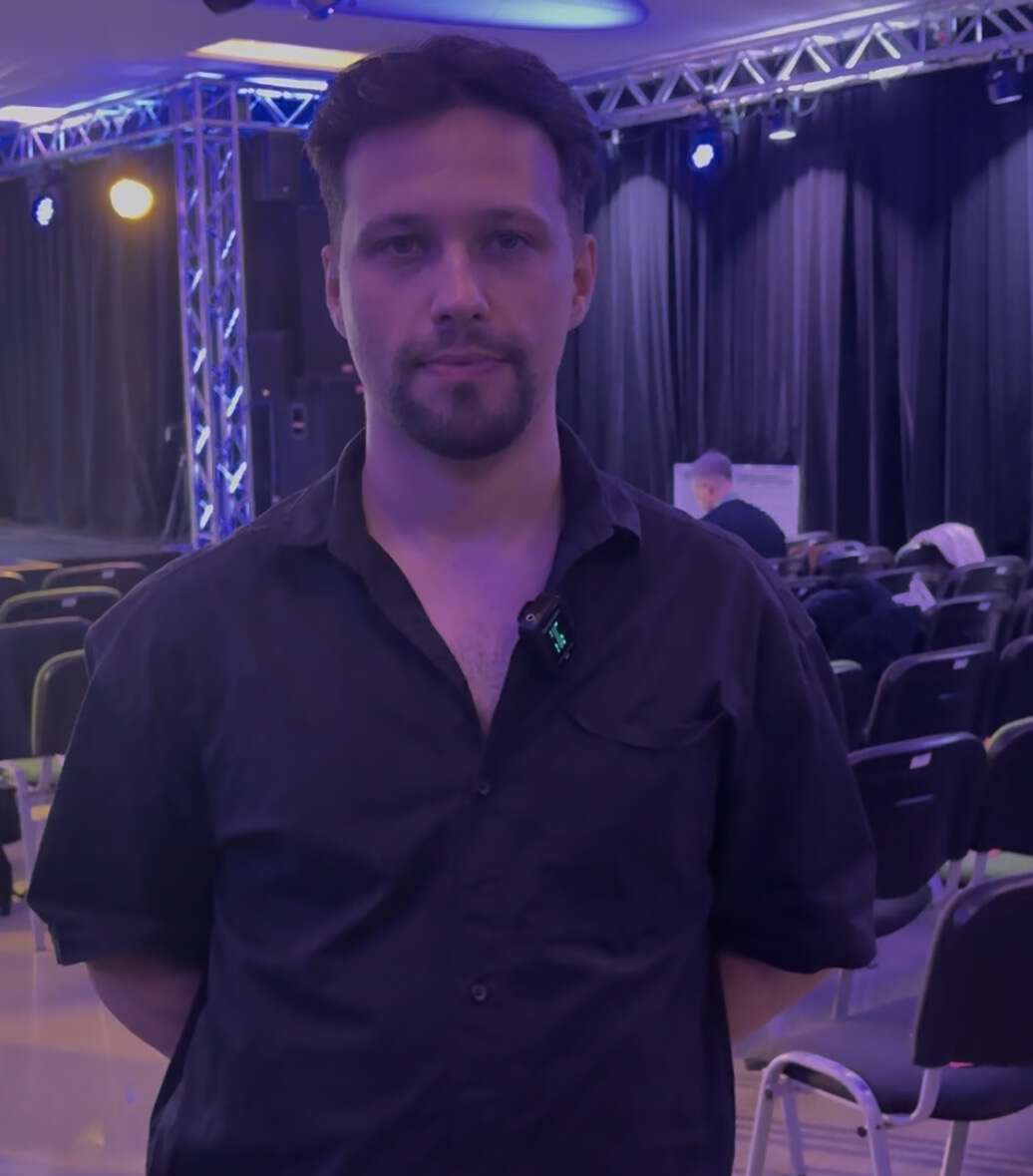
"We each have four minutes on stage, but the most important thing is that we meet fantastic people and exchange ideas amongst ourselves as participants. This can help to make the world a better place", he says.
Read FORTHEM’s article about the final: Sandra Schwarz Wins the FORTHEM Researcher Grand Prix 2026 in Opole: Sandra Schwarz Wins the FORTHEM Researcher Grand Prix 2026 in Opole
Find out more about the opportunities available to you through the Forthem university alliance