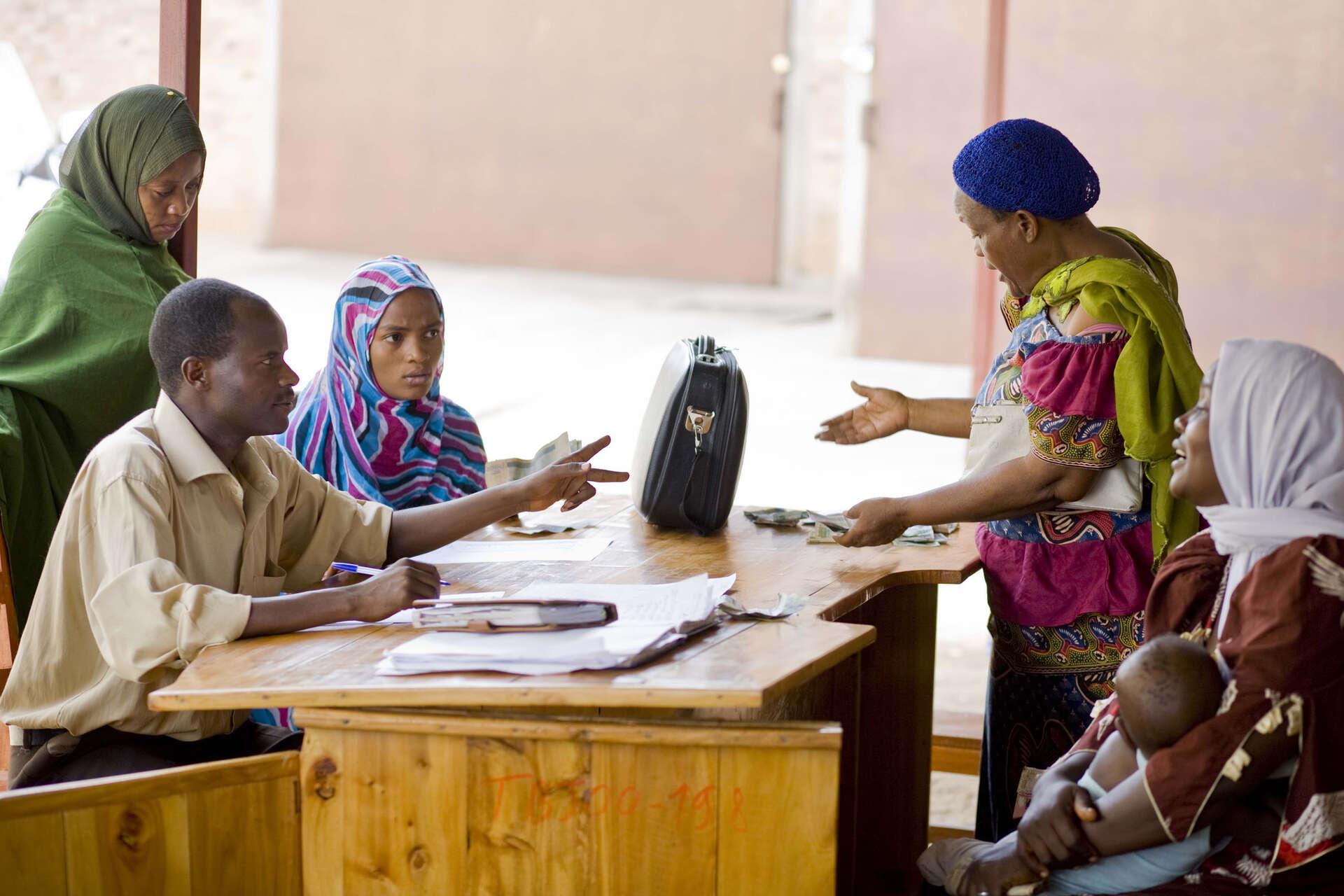
"Today we are the world's largest research community in microfinance, particularly within savings and loan groups. It is not a very large market for this in Norway, but with support from various networks and organisations, we have had the opportunity to train many researchers."
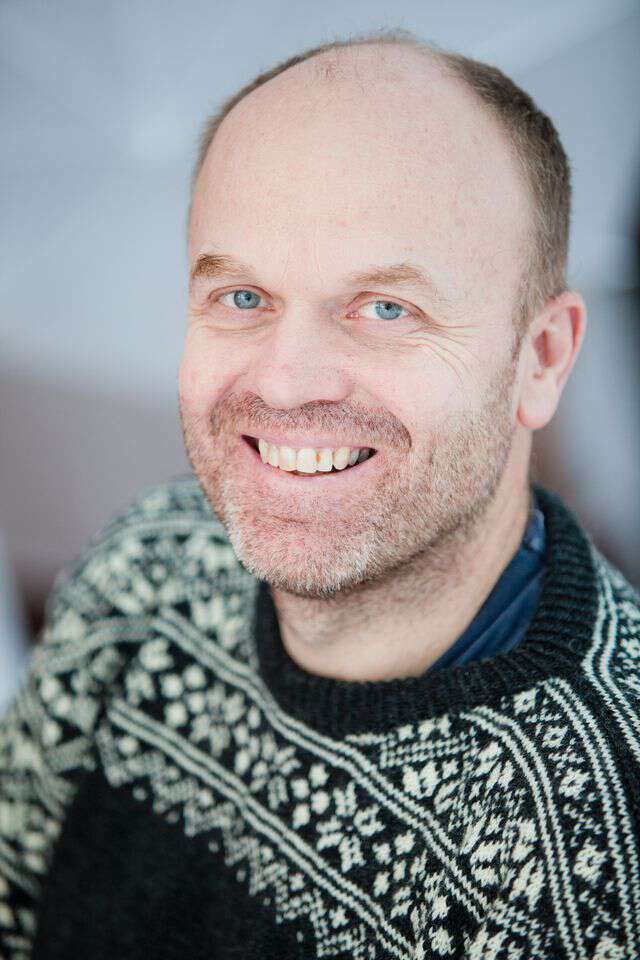
So says Roy Mersland, Professor at the School of Business and Law at the University of Agder (UiA). Last year he was named the world's leading researcher in microfinance. He also heads CERSEM - the Centre for Research on Social Enterprises and Microfinance - one of Europe's leading research environments in the field.
A billion people saving together
Microfinance refers to financial services designed to reach people living in poverty and the enterprises they run. Savings groups are one such service.
"A savings group might be a group of around twenty people who decide to start their own small bank. They meet weekly, and everyone brings along some savings. If everyone brings ten kroner, they have two hundred kroner to lend out," Mersland explains.
Once a year, all loans are repaid and participants receive their savings back – with interest.
"Over a billion people worldwide belong to a savings group. It is the most widespread form of microfinance in Africa. Because the sums are small, it is primarily people living in poverty who make use of it," he says.
Transforming local communities
Savings groups have existed for several hundred years. Even so, it was only around thirty years ago that development organisations managed to crack the code for how to support them effectively.
"Savings groups have become one of the most common development methods. Norwegian organisations also help to set up such groups," says Mersland.
Some groups deliberately remain purely savings and loan groups. In others, the financial activities are supplemented with knowledge-sharing, on topics such as improved farming practices, healthcare, or adult literacy.
"The savings groups then become a platform for other development initiatives beyond the financial and social benefits that come from being part of a group. A doctoral student from UiA researching this has found, among other things, that savings group participants engage more actively in local democratic organisations," says Mersland.
"Has had a lasting impact"
Mersland has supervised twenty people through their doctoral programmes at UiA. Seven more are currently in training.
Among those he has supervised is Richard Sebaggala, who defended his thesis in autumn 2025. He researched the inclusion of people with disabilities in savings groups. Today he is Associate Dean at the School of Business at Uganda Christian University.
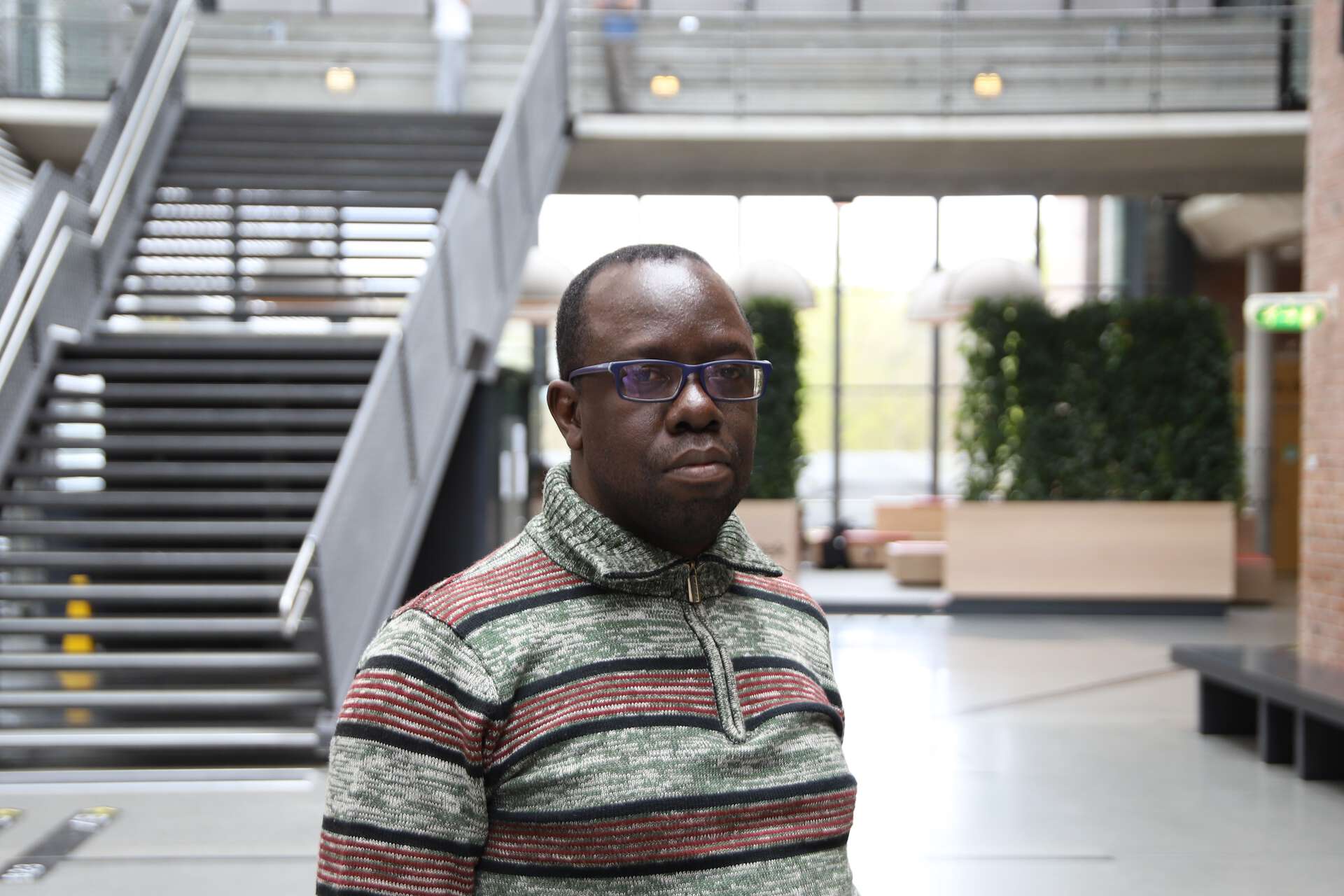
"The training I received at UiA has had an immediate and lasting impact. Thanks to Professor Roy's openness to the responsible use of artificial intelligence, I began exploring AI tools early on in my doctoral work. That experience has shaped the path I have taken since," says Sebaggala.
He explains that UiA has influenced doctoral training at his own university. Among other things, the programme now follows UiA's article-based model – something that remains uncommon in Uganda and across Africa more broadly.
"As Associate Dean, I have a platform to influence doctoral training and research culture at an institutional level. Outside academia, I continue to work as a research adviser to governments and international organisations," he says.
From UiA to the Strømme Foundation
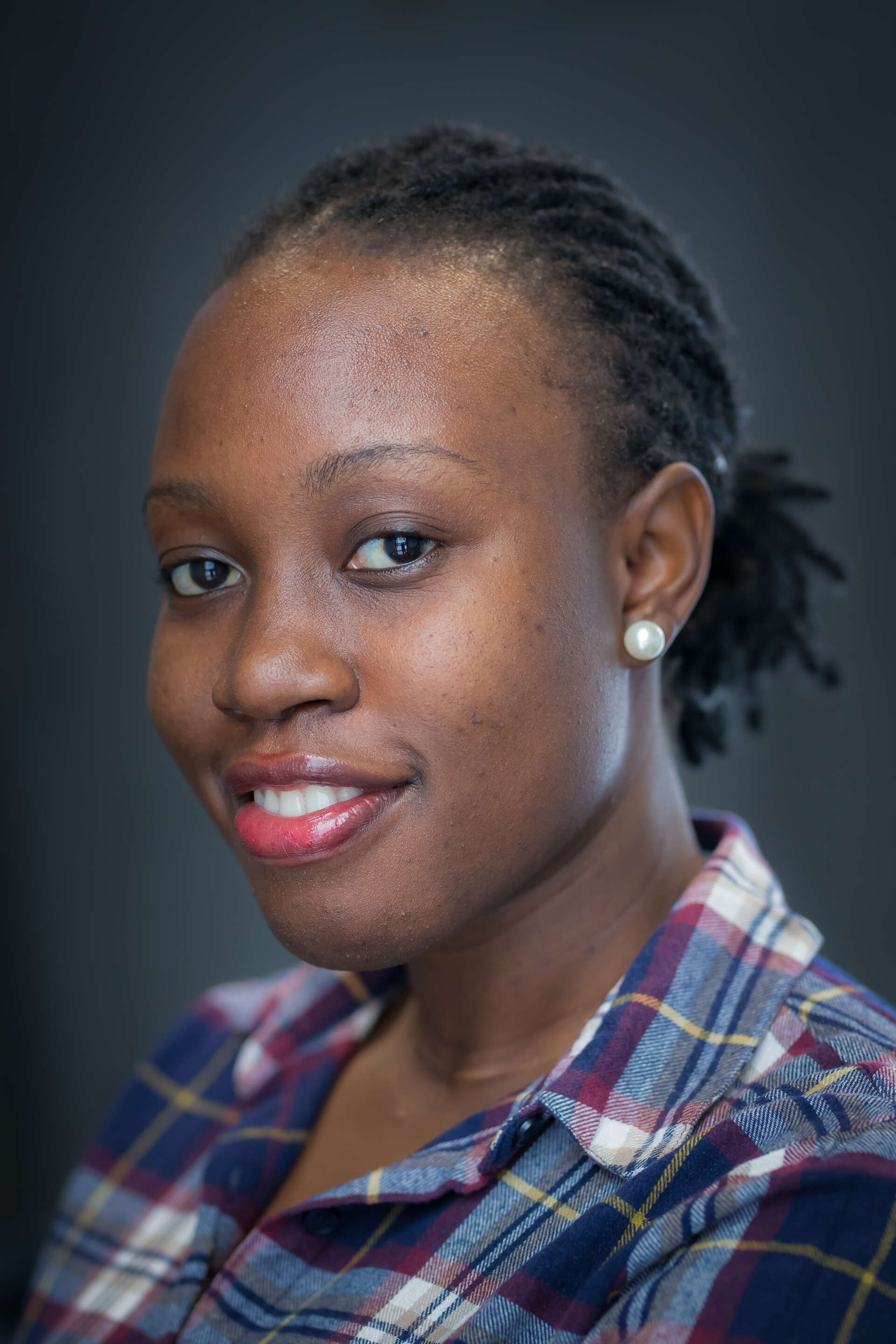
Naome Otiti completed her doctorate at UiA in 2022.
"CERSEM is one of the leading microfinance research institutions in Europe. Studying there gave me the opportunity to learn from and collaborate with other international experts. I also gained access to the research centre's rich global datasets," says Otiti.
She studied alongside doctoral fellows from seven countries and travelled to Ecuador, among other places, to collect data for her thesis. Today she works as an adviser at the Strømme Foundation and as an Associate Professor at UiA.
"My background in poverty reduction research has helped me. I can contribute to discussions about how development organisations can become more effective," she says.
Research that reaches people
Mersland is committed to ensuring that research does not simply sit in academic journals. All articles from the centre are published open access.
"I often say that if I can get a citation in a bachelor's thesis in Uganda, that is just as important as being cited in the very best journal in the field. Because then there is a chance that what I helped write will actually be used by someone going out to work with these things in practice," he says.