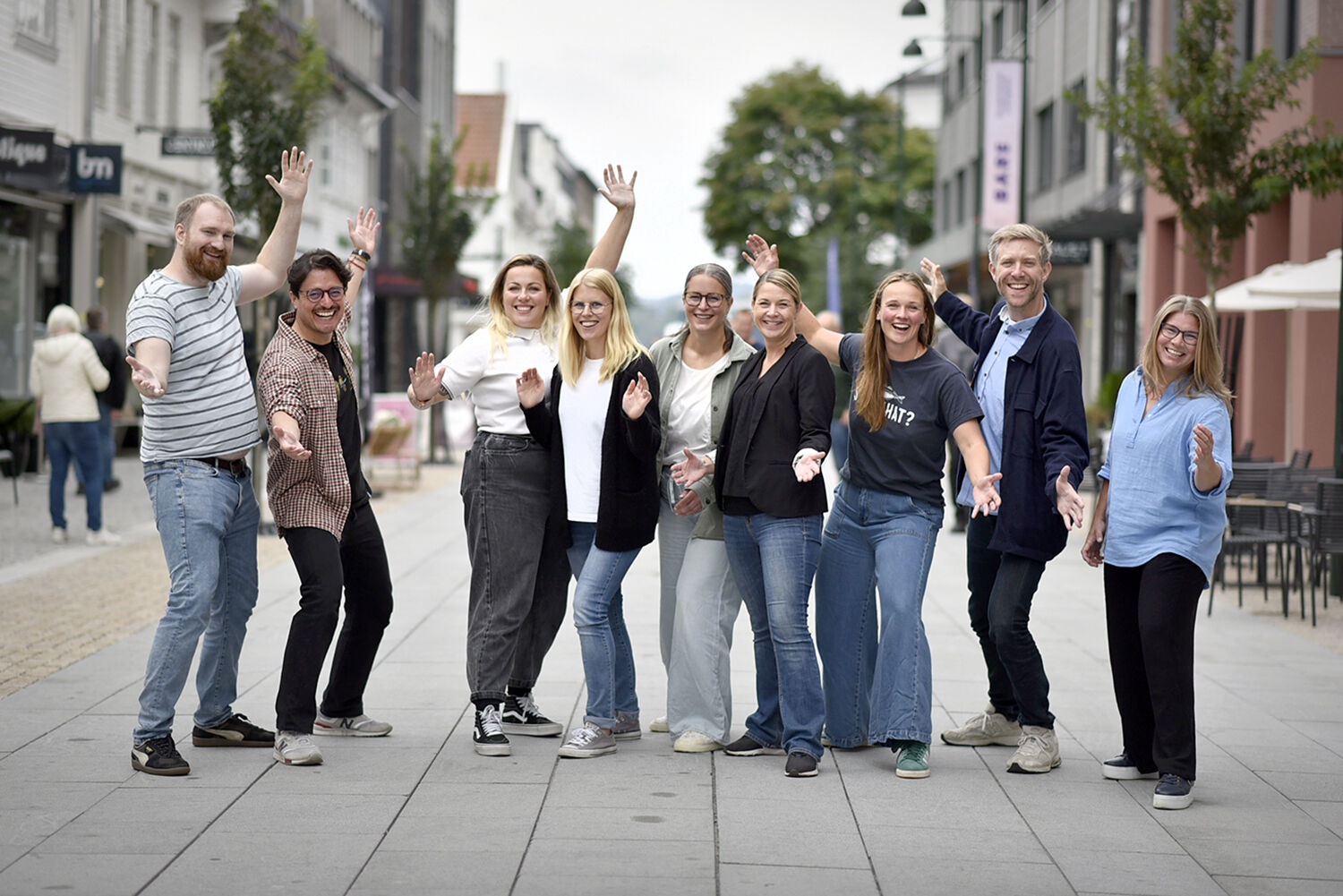
Over the course of two hours (including a break), the audience will meet nine researchers from the University of Agder and Sorlandet Hospital Trust (SSHF). They will take the stage to present their research projects in just four minutes. You will gain new knowledge, be entertained and have the chance to vote for your favourite, determining who will advance to the national final.
Secure your free ticket to the event here
More about this year's participants:
Linda Severinsen, SSHF/University of Oslo, Department of Psychology
Wants the support of parents in child and adolescent psychiatry:
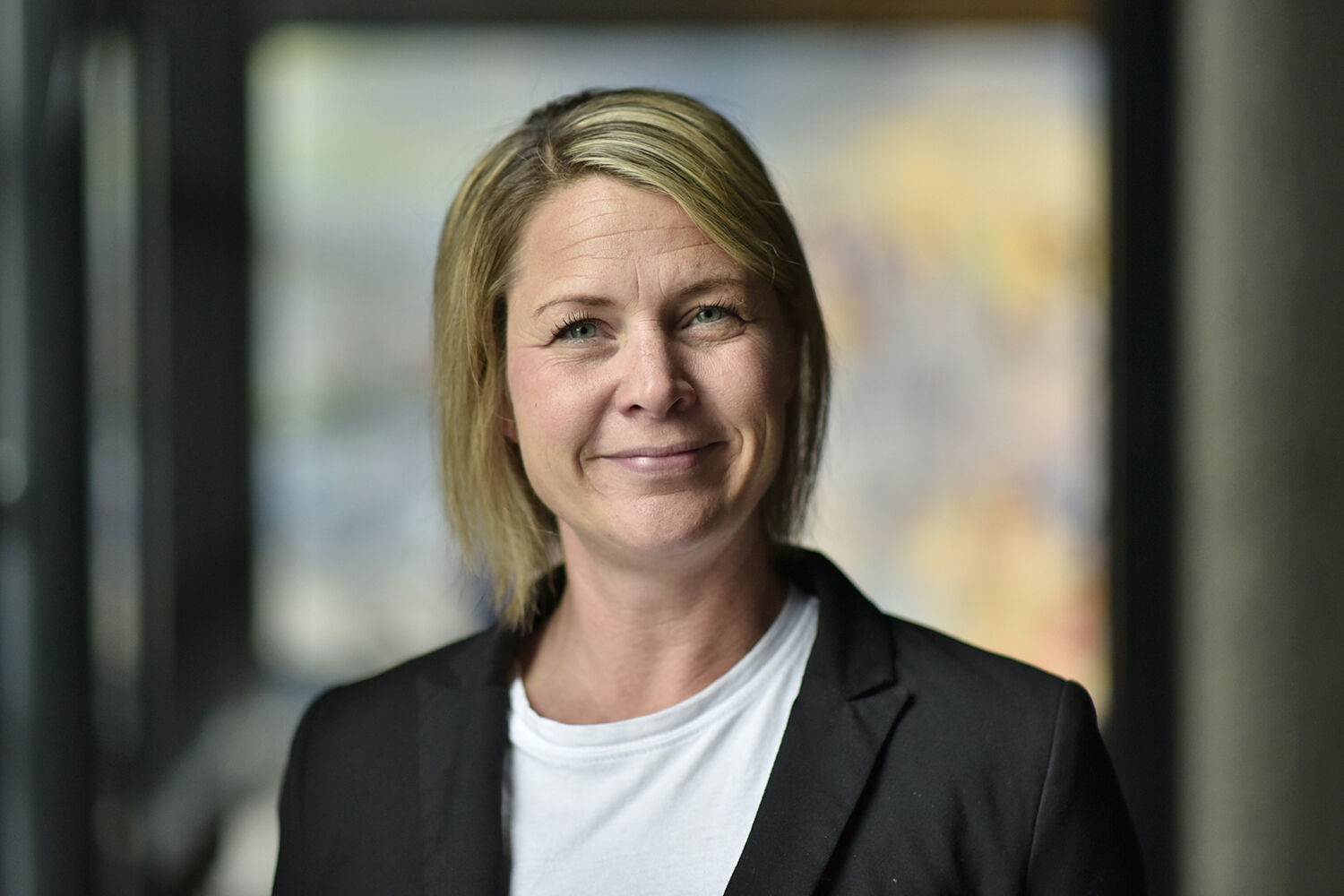
In a randomised controlled trial conducted in child and adolescent psychiatry, we investigated the effectiveness of a parental guidance method, Emotion-Focused Skills Training for Parents (EFST). We wanted to determine if guiding and helping parents could lead to improvements in their children and adolescents. We observed whether they retained or lost their psychiatric diagnosis and watched for changes in symptoms. Participants in the study received either parental guidance (EFST) or the usual follow-up at the clinic. The results showed that support through parental guidance was as effective as, or better than, the standard follow-up. We need to be flexible and adapt the help we offer when children and young people face difficulties. When adolescents are unable or unmotivated to engage in therapy, it is encouraging that structured indirect support through parents can still provide effective help for those struggling.
Gry Fossan, UiA, Department of Education
Do disabled workers get learning opportunities at work?
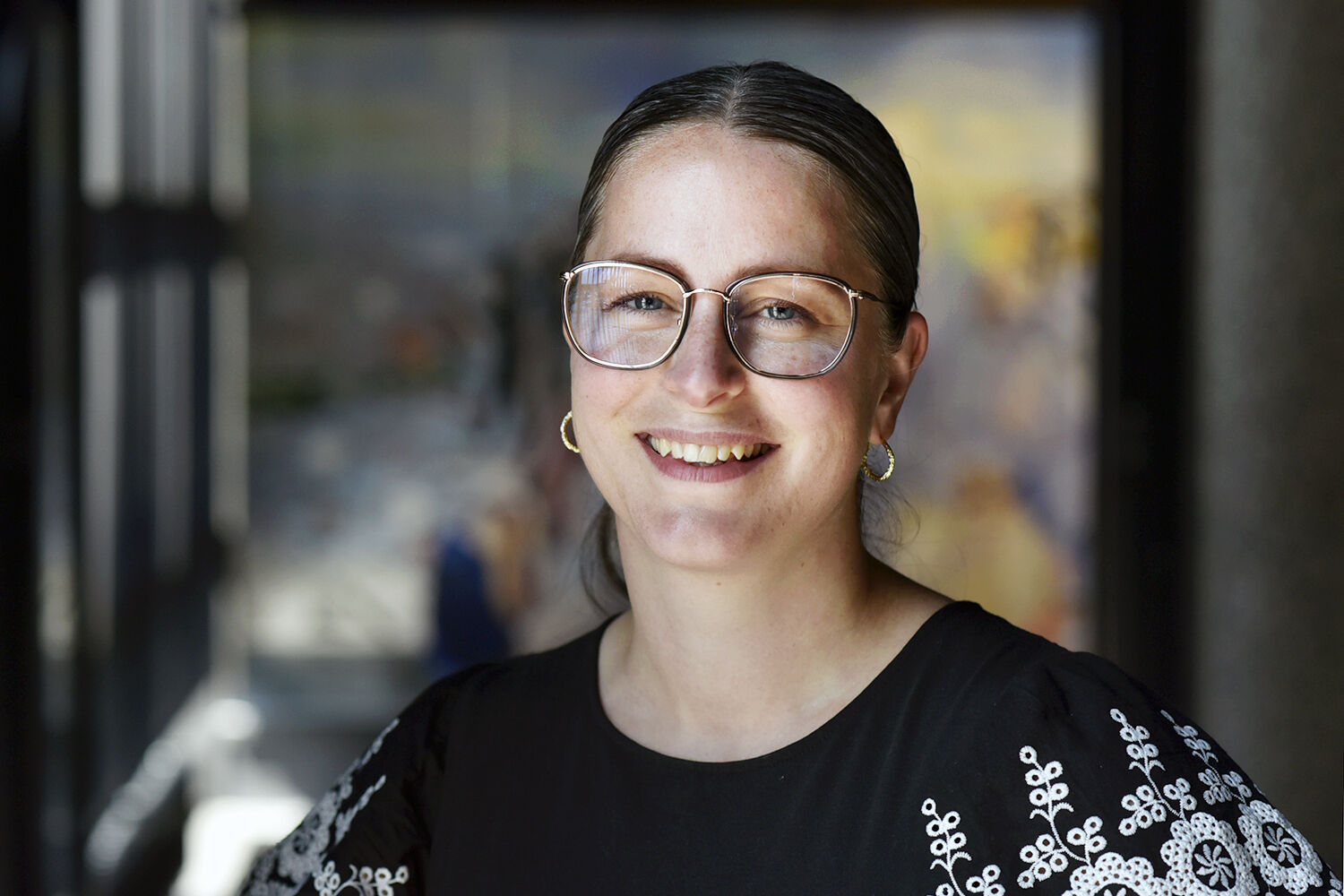
Disabled individuals have resources and ambitions. Through Permanently Adapted Work (VTA), they can be employed while receiving support and guidance in their daily tasks. Professional and personal development are key principles in working life, yet there is little research on job-related learning for this group. Should they simply be grateful for having a job?
"My research looks into the learning opportunities available to workers: the objectives set by inclusive workplaces, the focus of advisers, and how the workers themselves perceive learning at work. The practice field emphasises learning and uses vocational curricula to enhance workers' qualifications and learning. Their learning achievements are also used to underscore their value in society. To understand the workers’ viewpoints, I have shadowed them at work, learned from their experiences, and interviewed them about their personal and professional goals.
Geir Christian Johannessen, UiA, Department of Nordic and Media Studies
Do children understand the news?

Since 2010, NRK Supernytt has been producing news broadcasts for children and "anyone who wants to understand what is happening in Norway and the world." Supernytt enjoys a wide reach among its core audience of 8 to 12-year-olds, especially as the programme is shown in many classrooms. The creators have a clear aim to contribute to children being taken seriously and understanding society, enabling them to become active participants in democracy. But what happens in news dissemination when the format and content are tailored to engage children and connect with young viewers through specific style and presentation choices? Is it possible to create a programme format that captivates children while maintaining journalistic integrity? This is the question the project aims to answer.
Morten Grundetjern, UiA, Department of ICT
Mimicking population groups with digital personas:
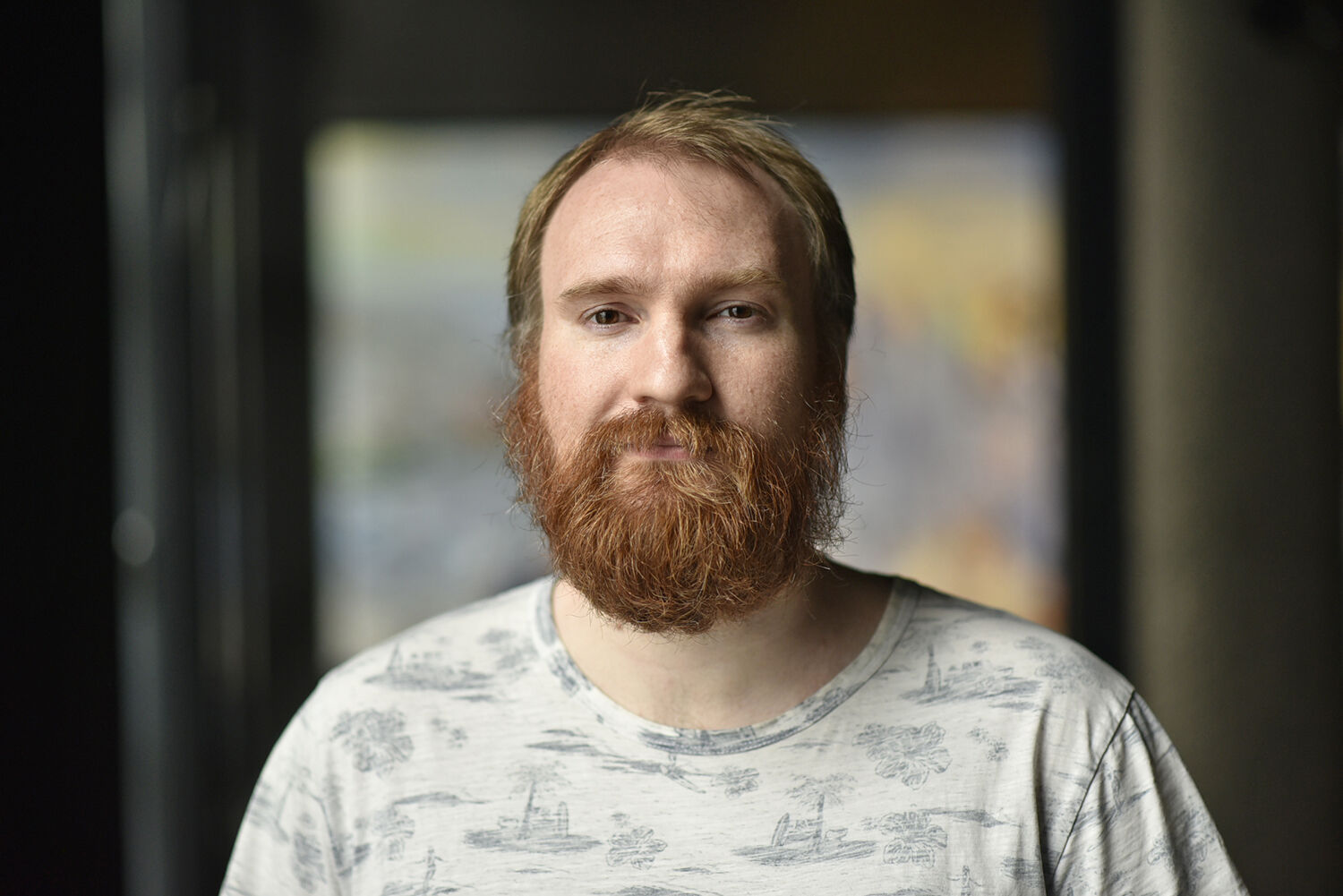
The project investigates whether we can mimic real population groups using digital 'synthetic personas'. Each digital persona is assigned random characteristics similar to those found in the real population. Using a clever method inspired by natural selection, a group is formed such that the responses from a known questionnaire match the response distribution seen in real-world scenarios. With the cooperation of Kristiansand Zoo and Amusement Park, we compare these digital data with observations of actual visitors to test the method's accuracy. The goal is to demonstrate that this approach can be used to understand social trends and predict behaviour in an innovative and novel way.
Marcelo Javier Cárdenas Toledo, RMIT Melbourne/School of Business and Law at UiA (Cotutelle PhD)
Aiming to halve the planet’s food waste within five years:
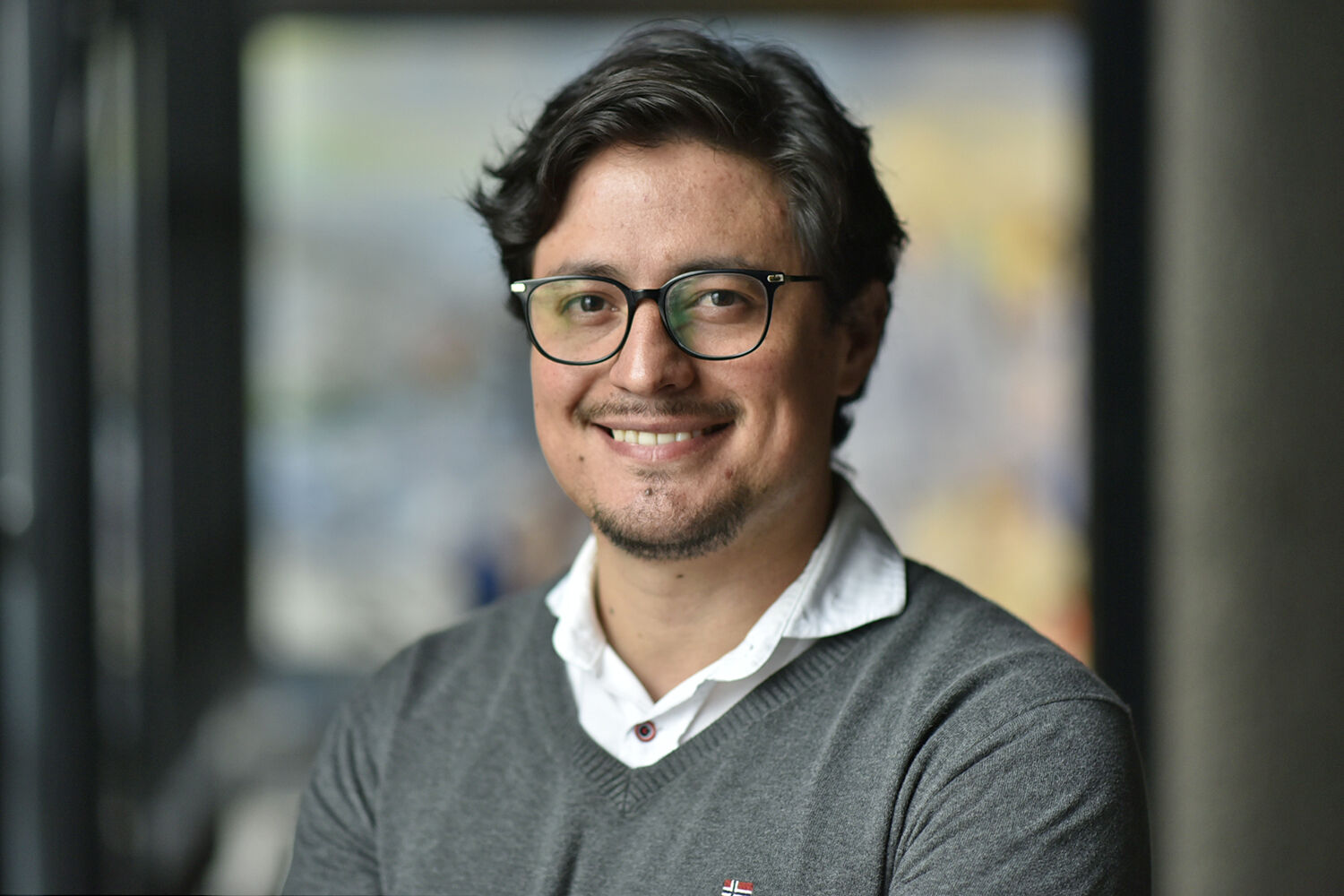
Around a third of all food produced for human consumption is lost or wasted from the farm to the fork. Addressing food waste is therefore crucial if we are going to meet the United Nations' sustainable development goal of halving the per capita global food waste at the retail and consumer level, and reducing food losses along production and supply chains by 2030.
An important step towards this goal is to enhance how food waste can be reduced and understood by adopting Circular Economy practices that prevent food waste generation.
To partake in answering some of the questions related to this, I focus on the hospitality sector, where I use a mixed-method methodology approach through three empirical studies using interviews and online surveys to collect data from Ecuador and Australia for analysis.
• Study 1 consists of a systematic literature review on circular practices in the hospitality sector regarding food waste.
• Results from Study 1 inform Study 2, which aims to explore the current circular economy behaviours consumers engage in when dealing with food waste, from most to least environmentally beneficial.
• Study 2 will inform Study 3 which, at present, is anticipated to develop a measurement scale for circular economy food waste behaviours.
Future results also aim to contribute to the existing literature by providing insights into consumer engagement with circular economy food waste behaviours.
Kaisa Augusta Hansen-Sukow, UiA, Department of Visual Arts and Drama
How engagement in art influences social belonging, self-expression and future aspirations among young people:
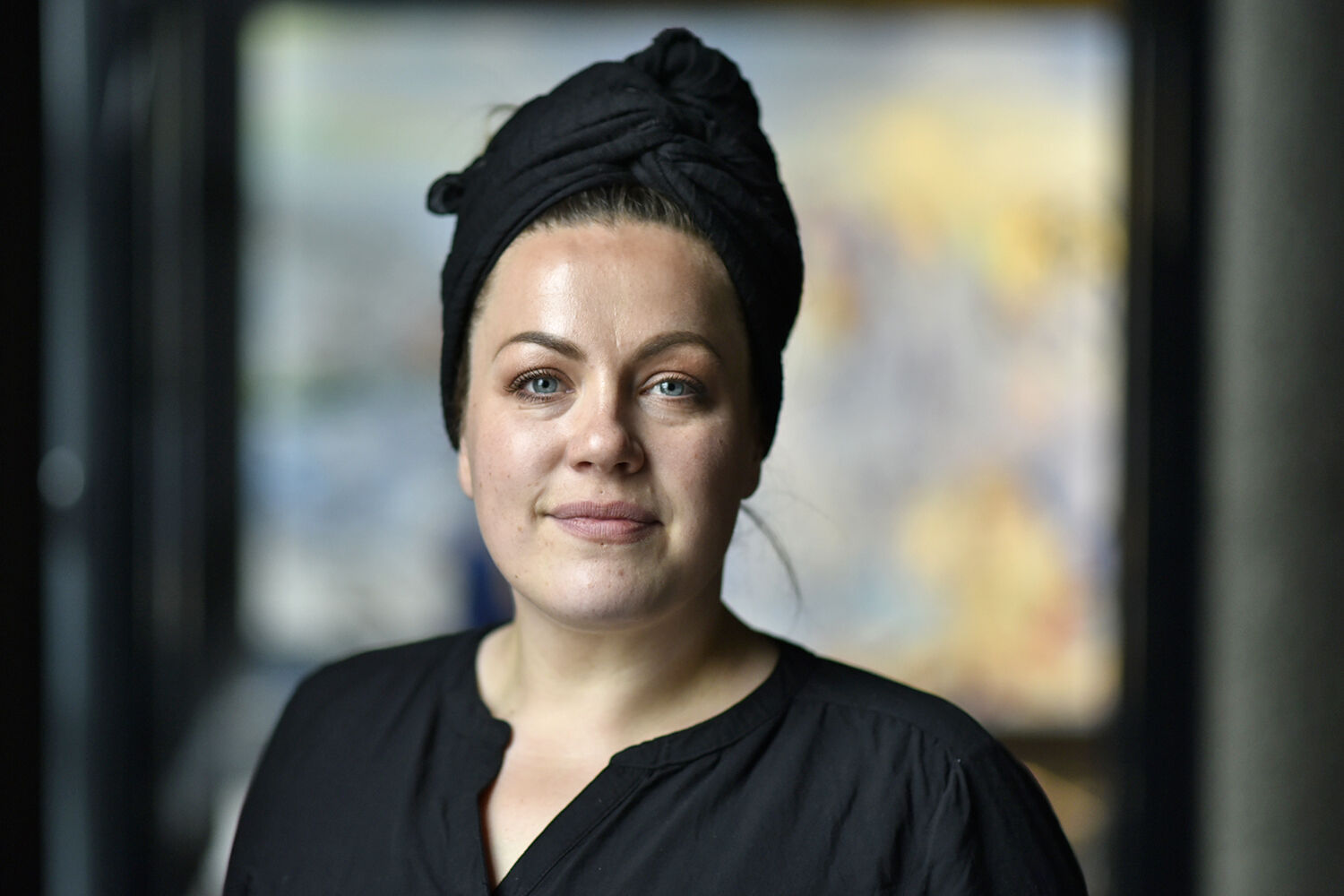
In my study, I employ a participatory action research approach, where young people serve as co-researchers who actively shape the project. Data is gathered through qualitative interviews, observations and self-documented experiences, with a focus on how taking part in art activities influences social belonging, self-expression and future aspirations.
Preliminary findings suggest that participation in artistic activities:
- Strengthens self-efficacy and confidence among young people who have faced challenges in traditional education.
- Reinforces social bonds and networks, reducing feelings of isolation.
- Encourages self-expression and empowerment, enabling young people to articulate their perspectives and develop a sense of community engagement.
The work forms part of the interdisciplinary research project TakepART, linked to UiA's Centre for Research on Public Health and Living Conditions (SFLI). It involves social sciences, health, humanities and arts to understand, identify and promote participation and inclusion in society for youth at risk of marginalisation, referred to as NEET (not in employment, education or training). The main goal of TakepART is to establish long-term collaboration among the cultural and health sectors, educational institutions, community organisations and the municipal sector to enhance social inclusion and participation among NEET youth.
Johanna Bjånes Marcussen, UiA, Department of Natural Sciences/Institute of Marine Research
How many lobsters do recreational fishers actually take home?
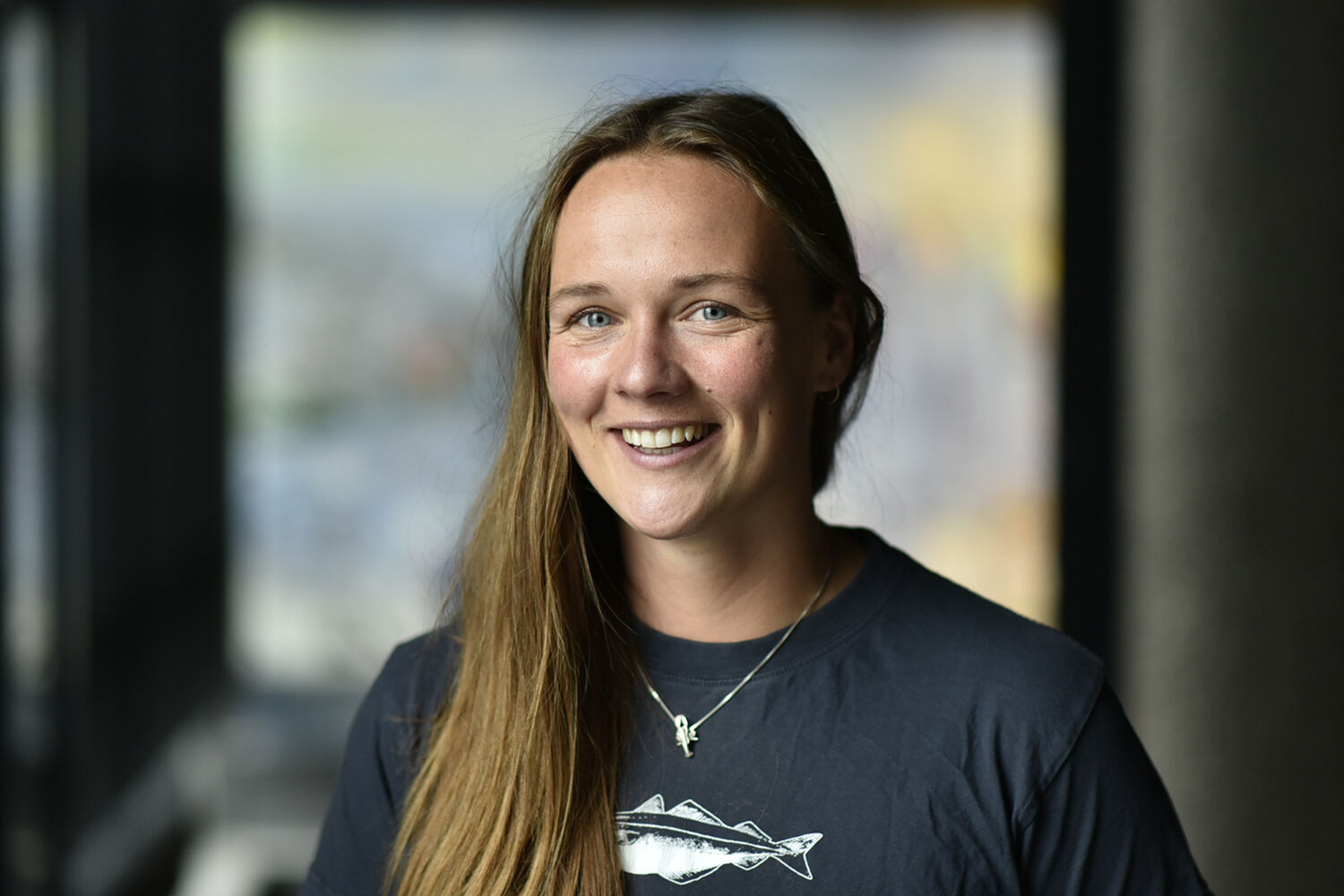
Norway has one of the highest proportions of recreational fishers in Europe, with very liberal regulations for this group. In 2024, more than 30,000 people participated in the popular lobster fishing season. Although the average catch per fisher is relatively modest, together they place a significant burden on the lobster stock. Our estimates show that recreational fishers in Agder capture the majority of the total catch.
Recreational fishing for lobster, like most other species, is neither quota-regulated nor subject to particularly stringent regulations. To ensure sustainable management and fair distribution of shared resources, it is crucial to understand the impact of recreational fishing on fish stocks and society. My project aims to shed light on the effects recreational fishers have on coastal species, especially the lobster population.
Ida Ulrikke Valand, UiA, Department of Nutrition and Public Health
Creating healthier students (young adults):
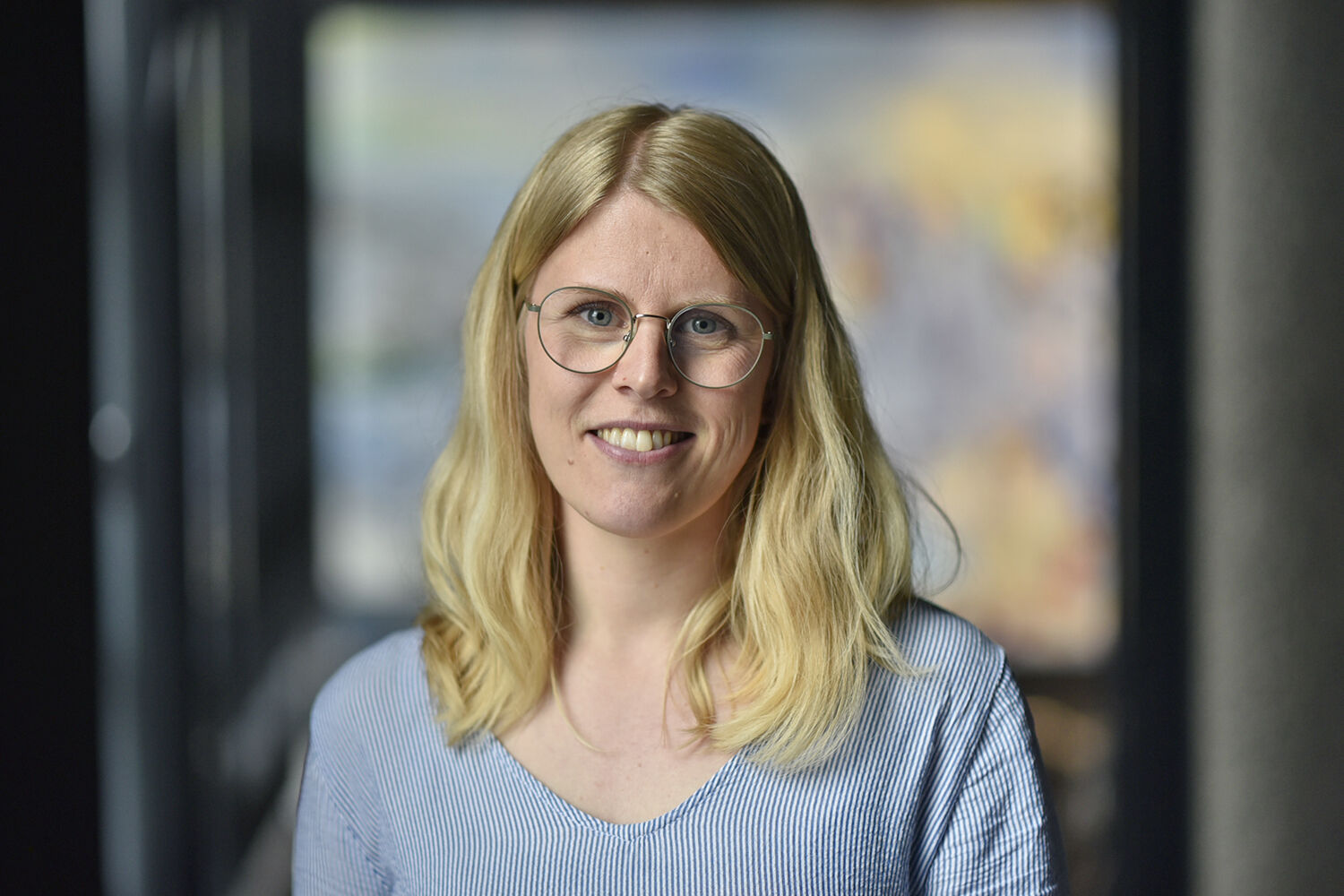
My PhD project involves developing, testing and evaluating a diet and cooking course for new UiA students. The course, called Skills for Life, was co-created with students and colleagues from UiA and was trialled with 28 students in autumn 2023. The food young adults eat affects not only their own health (in both the short and long term) but also the health of their potential future children. Skills for Life is a public health initiative designed to help students transition from living at home with their parents to taking responsibility for their own food and diet. This is important for promoting health and wellbeing for themselves and future generations!
Hanna Oommen, SSHF/University of Southe-Eastern Norway, Faculty of Health and Social Sciences
Do doulas contribute to safer births in Norway?
The number of migrant women giving birth in Norway has increased in recent years. Many, especially those who have recently arrived, feel insecure during childbirth. Research also shows that their birth outcomes are often poorer than those of other women. To address this, eight Norwegian hospitals now use multicultural doulas—female birth companions who share language and background with the pregnant woman, provide support during pregnancy, childbirth and postpartum. Our research project examines whether this arrangement can make births safer, improve experiences and ensure the healthcare system is equally good for everyone.