
Many Norwegian offshore installations are approaching, or have already exceeded, their originally planned lifespans. These structures, such as oil platforms, represent substantial national value that should not be allowed to deteriorate. SFI LEO’s goal is to create technology and systems that enable safer, longer use of existing offshore assets.
SFI LEO is one of two UiA applications to advance to the second round of this year’s SFI competition, and in mid October it was confirmed as one of sixteen shortlisted centres.
UiA heads the project in partnership with NORCE Energy & Technology, NTNU, the University of Stavanger, The Norwegian Institute for Energy Technology, Delft University of Technology and the University of Aberdeen.
Predictive maintenance using artificial intelligence
The centre will develop AI driven systems to predict maintenance needs before failures occur. These systems will aggregate sensor data from equipment and structures, together with weather station inputs, and use AI to detect early signs of wear. The technology will also enable adaptive operation to reduce wear and tear, thereby extending asset life while lowering energy use and emissions.
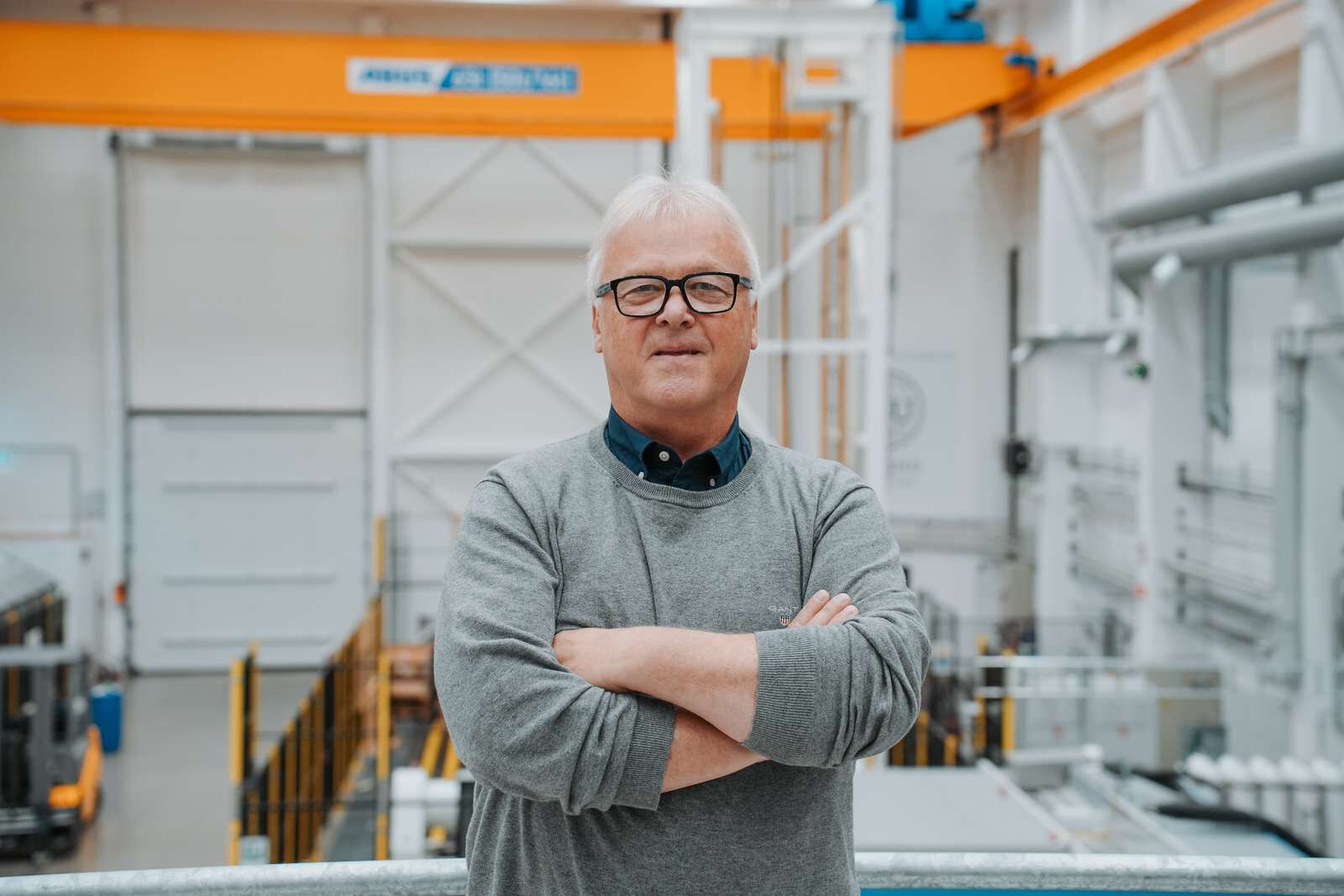
“We’ll develop systems that use artificial intelligence to predict when maintenance is needed — before problems arise,” says Robbersmyr.
Robotics for hazardous tasks
Offshore maintenance often involves high risk tasks. SFI LEO will therefore develop robotics and autonomous solutions to perform the most dangerous operations. Examples include underwater robots for inspecting foundations and pipelines, drones for surveying turbines and platforms, and robotic manipulators to carry out repairs without humans onsite.
“Robots can operate continuously in conditions that would be too hazardous for people, making operations both safer and more efficient,” says Professor Kjell G. Robbersmyr.
Cross industry collaboration
One of the strengths of SFI LEO is its cross industry approach, bringing together expertise from oil and gas, offshore wind and shipping. Many challenges are shared across these sectors, allowing solutions to be adapted and scaled across industries. The centre includes 22 industry partners who will test innovative solutions within their own operations and products.
Significant economic gains
The centre sets ambitious targets: a 30 per cent improvement in efficiency and a 25 per cent reduction in maintenance costs and carbon emissions. Partners estimate SFI LEO could shorten research to implementation timelines by 3–5 years and cut innovation costs by NOK 800–1,200 million, benefits that would strengthen Norway’s position as a leading maritime nation.
Extending the lifespan of offshore installations also benefits the environment. The centre will develop tools to help operators decide when it’s more viable to extend lifespan versus build new. This requires analysis that considers economics, engineering, and environmental impact simultaneously.
Training the experts of tomorrow
SFI LEO plans to train over 20 PhD candidates and involve more than 50 master’s students. Students will work closely with industry on real offshore challenges, acquiring interdisciplinary skills highly valued in the job market.
“The students will gain hands on experience with genuine offshore problems, providing them with skills that employers seek,” says Robbersmyr.
SFI LEO remains in competition with other Norwegian centres for SFI status. The final decision is expected in December.