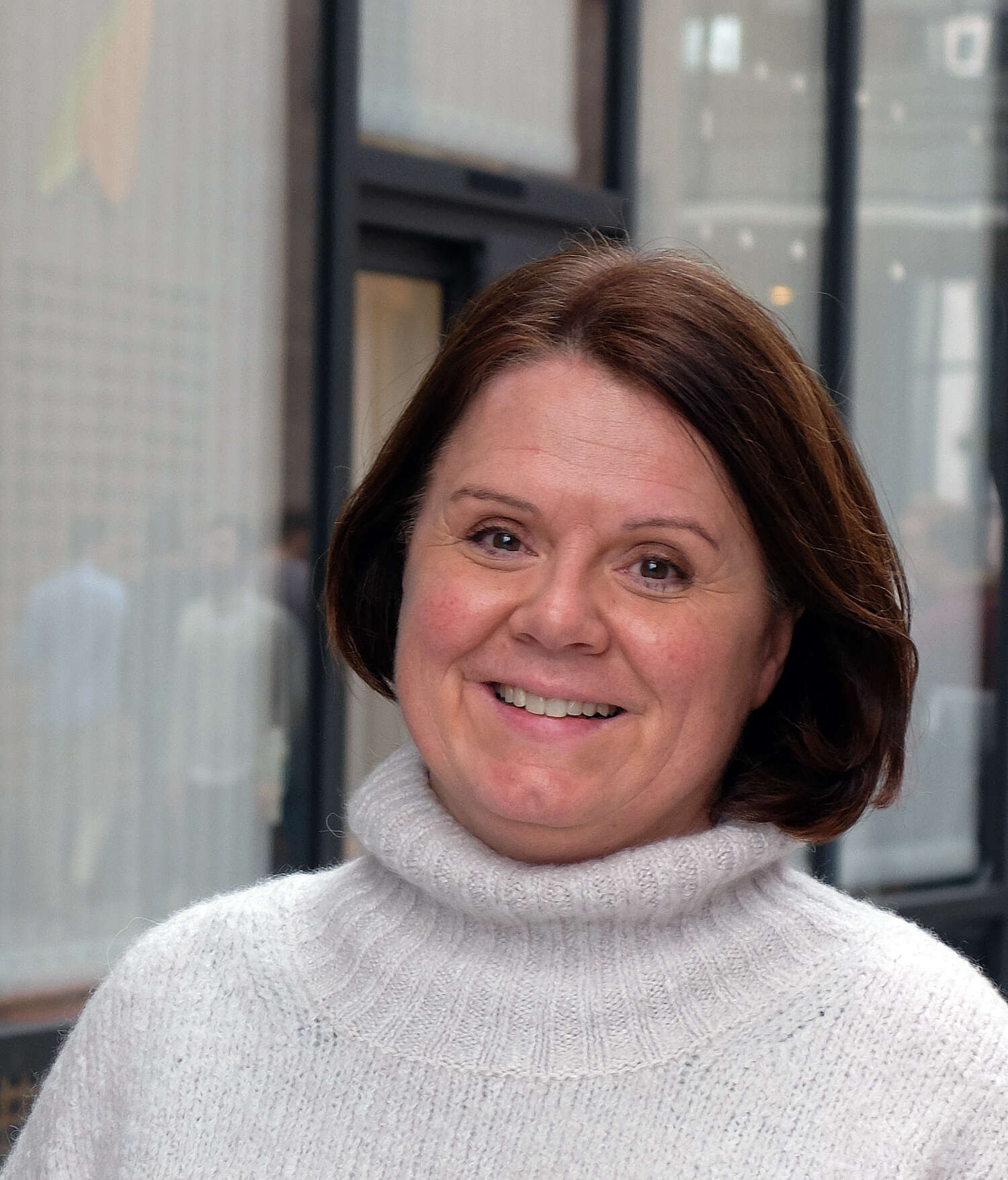
"We are seeing a change in the students coming to UiA. More and more are struggling with basic maths when they start their studies", says Lillian Egelandsaa at UiA.
Many more have a vocational background when they apply for higher education. This means they have studied practical maths at upper secondary level rather than science subjects such as R1 and R2.
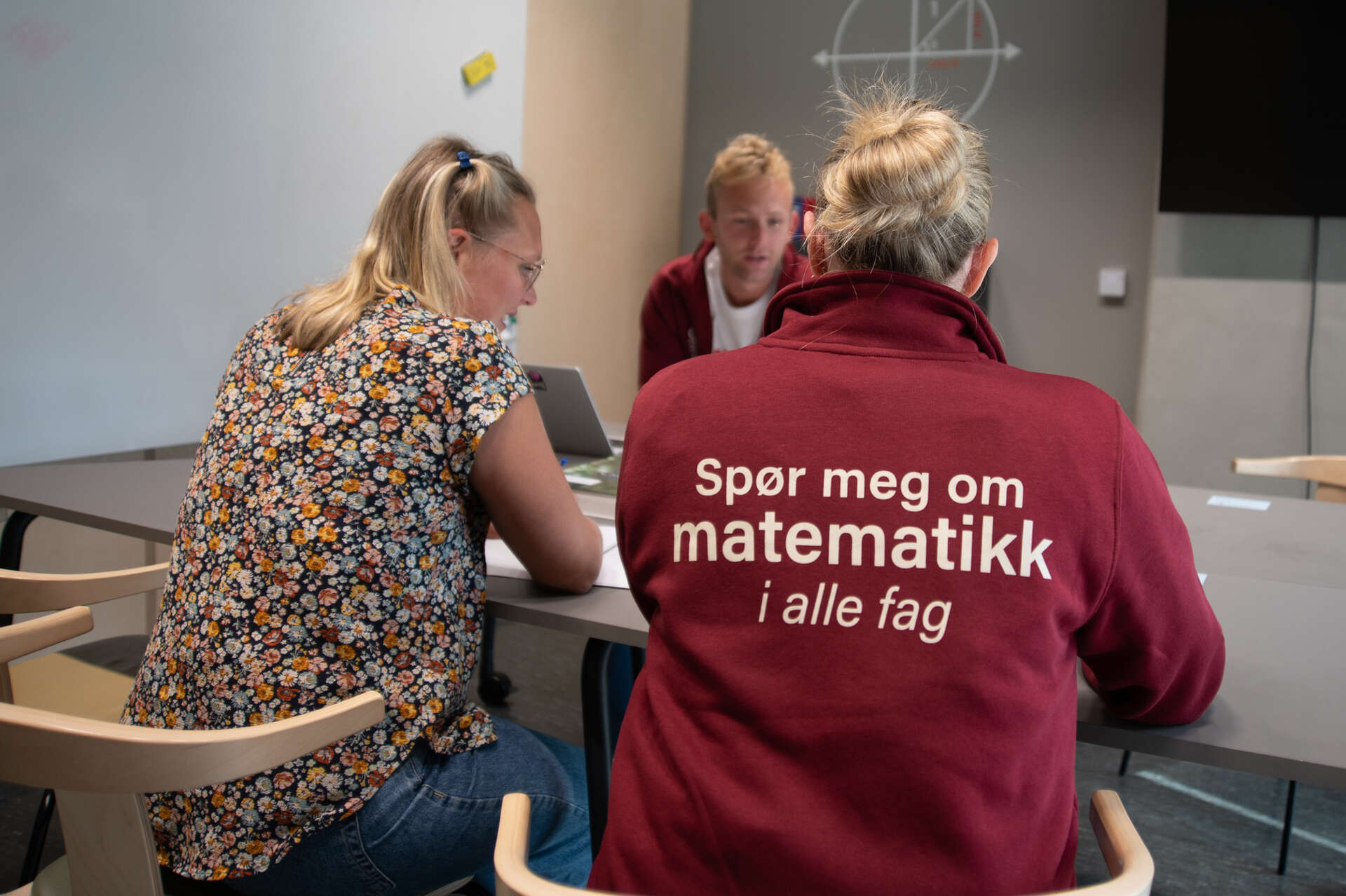
This makes the work of the student mentors even more important. They work as teaching assistants on various courses that include mathematics. They also act as mentors at UiA’s free drop-in sessions offering maths support.
Ten years and many thousands of students supported
The scheme started on a small scale in 2017 and has been run by the MatRIC Mathematics Centre at UiA. Since then, several hundred mentors have completed the mentor training, which takes place over a two-day session at the Skottevik holiday centre the week before the start of term.
The training combines social interaction with practical subject planning. The mentors receive training in communication and how to interact with new students. They work with their subject teachers to plan specific courses and timetables in subjects such as mathematics, natural sciences, coding, physics, statistics, ICT, pharmaceutical calculations and economics.
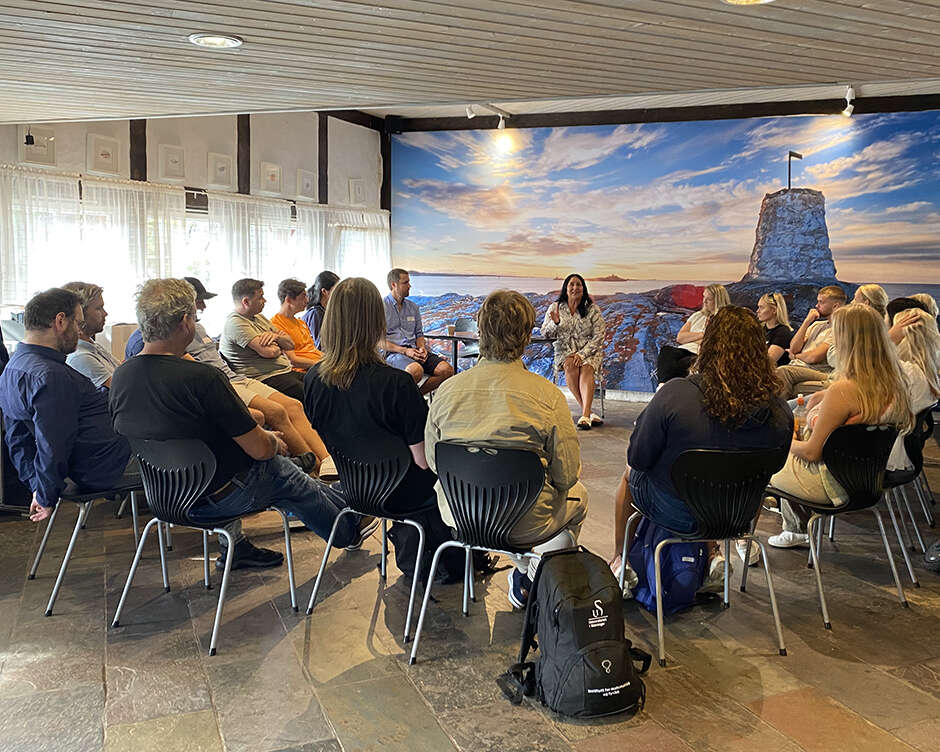
Egelandsaa points out that one of the most important aspects of the gathering is networking amongst the mentors. Former mentors report that the gathering was vital in enabling them to do a good job as mentors afterwards.
“It’s important for mentors to get to know other mentors with whom they can share experiences along the way; this is crucial for them to feel confident in their roles,” she says.
The programme also includes training in emergency preparedness, body language and the use of social media.
“When we started, there were just over 20 participants. The fact that several hundred have completed the training over the past ten years shows just how much the scheme has grown. And think of all the students these mentors have helped along the way. There must be several thousand students,” says Egelandsaa.
Nursing programme included for the first time
In previous years, the student mentoring scheme has developed with mentors from degree programmes in ICT, engineering and the Business School. This year, the scheme is taking a new step and being extended to include more degree programmes. For the first time, the nursing programme will have mentors for the module on medication calculation.
“We heard that many students were struggling with medication calculation on the nursing programme. After discussions with the subject tutors, we agreed that it made sense to bring in mentors for that module too,” says Egelandsaa.
Early years education and natural sciences are also new subject areas this year. Among the 56 new mentors, there are also some affiliated with FYSE (First Year Student Environment), which works to provide first-year students with a safe and inclusive first semester. Around 20 subject lecturers from various degree programmes are also taking part in parts of the training.
More than just maths
During the training, the subject teacher and the mentor plan the term together. Prior to this, the mentors have also taken a separate course in what is known as ‘people skills’.
"Being a mentor isn’t just about subject knowledge. Mentors should engage with fellow students as people, not just as an academic problem," says Egelandsaa.
Experience from previous years shows that mentors also identify students who are struggling in ways other than academically, and can alert the subject teacher if necessary.
“Mentors are often the first to notice that someone isn’t doing well. We take that role very seriously,” says Egelandsaa.
It should be easy to ask for help, and the mentors wear their own mentor jackets whilst on duty to make themselves visible.
"The jackets are about visibility and reassurance. When students can see straight away who they can ask, they feel safe and welcome", says Egelandsaa.