"Microtransactions are now an embedded part of gaming culture, and ultimately it's up to the players to decide how they want to engage with them. For a game like GTA, designed for adult players, these choices should be simpler," says Associate Professor Tobias Scholz at UiA.
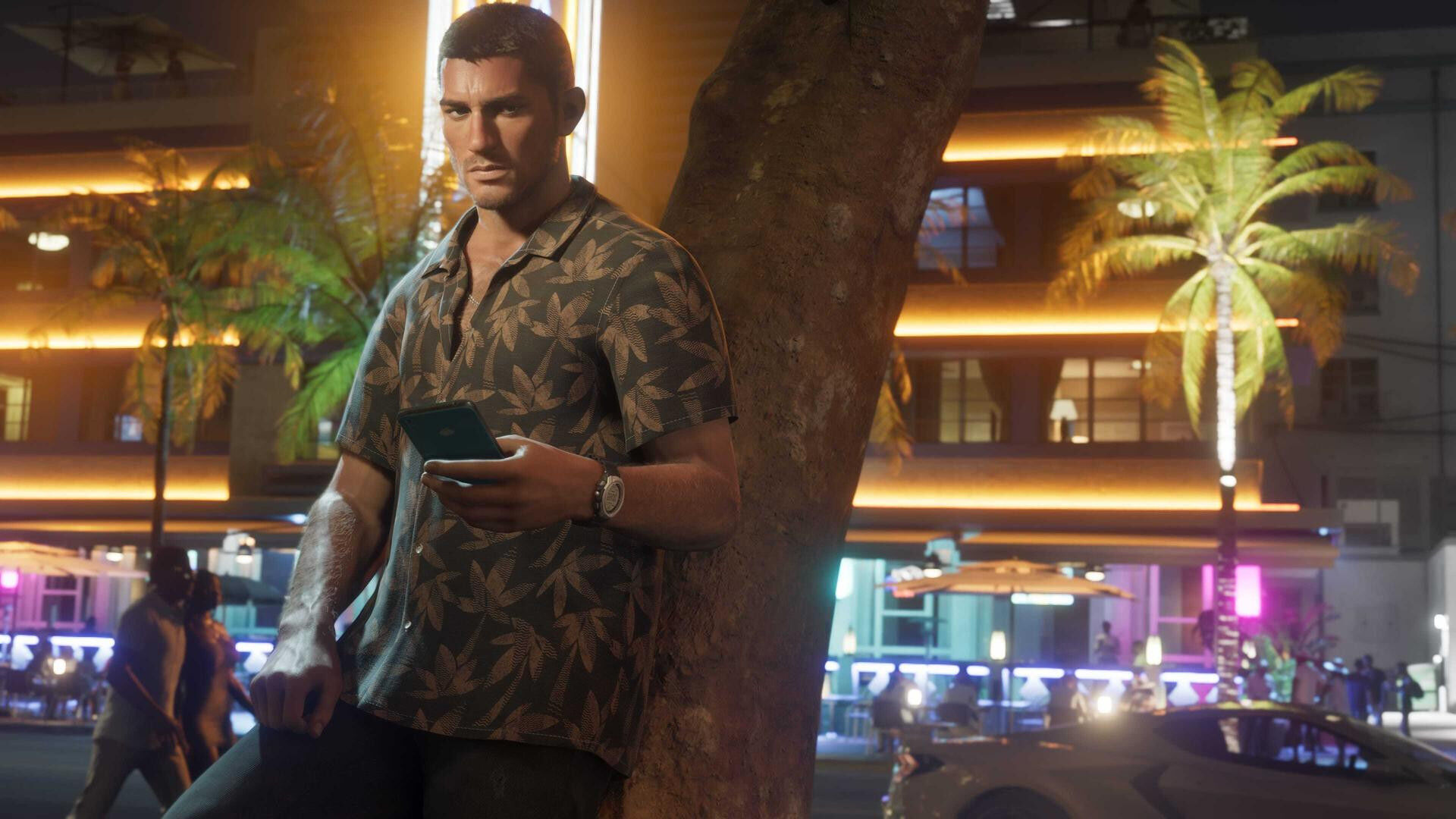
Games today are full of microtransactions. These are small fees that players can pay for cosmetic upgrades or access to new content. Many games also feature their own in-game currency, like in Grand Theft Auto (GTA).
More from UiA about GTA:
Profitable horses
Microtransactions might be small, but they can generate significant revenue for gaming companies. Scholz cites an example from the gaming company Blizzard. In 2010, they introduced the option to buy a flying horse in the game World of Warcraft, priced at $15.
The horse generated enormous revenue for the gaming company. Within three hours of its launch, over 140,000 players queued up to buy it, bringing in $3.5 million for the company.
So naturally, gaming companies invest heavily in microtransactions. Just a few hours of development can result in millions of extra revenue. The Blizzard horse cost a bit more to develop compared to others but made many gaming companies realise the potential of microtransactions. Most amounts are as low as NOK 10-20.
"In the current version of GTA, you can also buy advantages. By spending NOK 700, you get 10 million in the game's currency to use on weapons, cars, outfits and other content. This will, of course, be part of the new game as well, just like in other games," says Scholz.
"No limit on spending"
According to the statistics website Statista.com, 36 per cent of Brits reported that they
first started playing GTA between the ages of 12 and15, even though the game is rated for ages 17-18 in most countries. The game distributors are well aware of this.
"It's already an issue that kids are playing games they shouldn't, but we also need to talk about the money side of things. What outfits a game character has can really impact status among friends, so parents and teachers need to be aware of that," says Scholz.
Many parents are familiar with similar issues in games like Minecraft, Fortnite and Roblox. This aspect of the gaming industry is rapidly evolving, while legislation struggles to keep up. Gaming companies will do whatever they can to maximise revenue from players, as they rely on profit. Some countries have started working on regulations, but most are still just discussing options and are far from implementing concrete measures. Meanwhile, gaming companies continue to amass large profits.
"The key is not to fight against gaming culture, but to help children develop a healthy relationship with both gaming and spending," says Scholz.