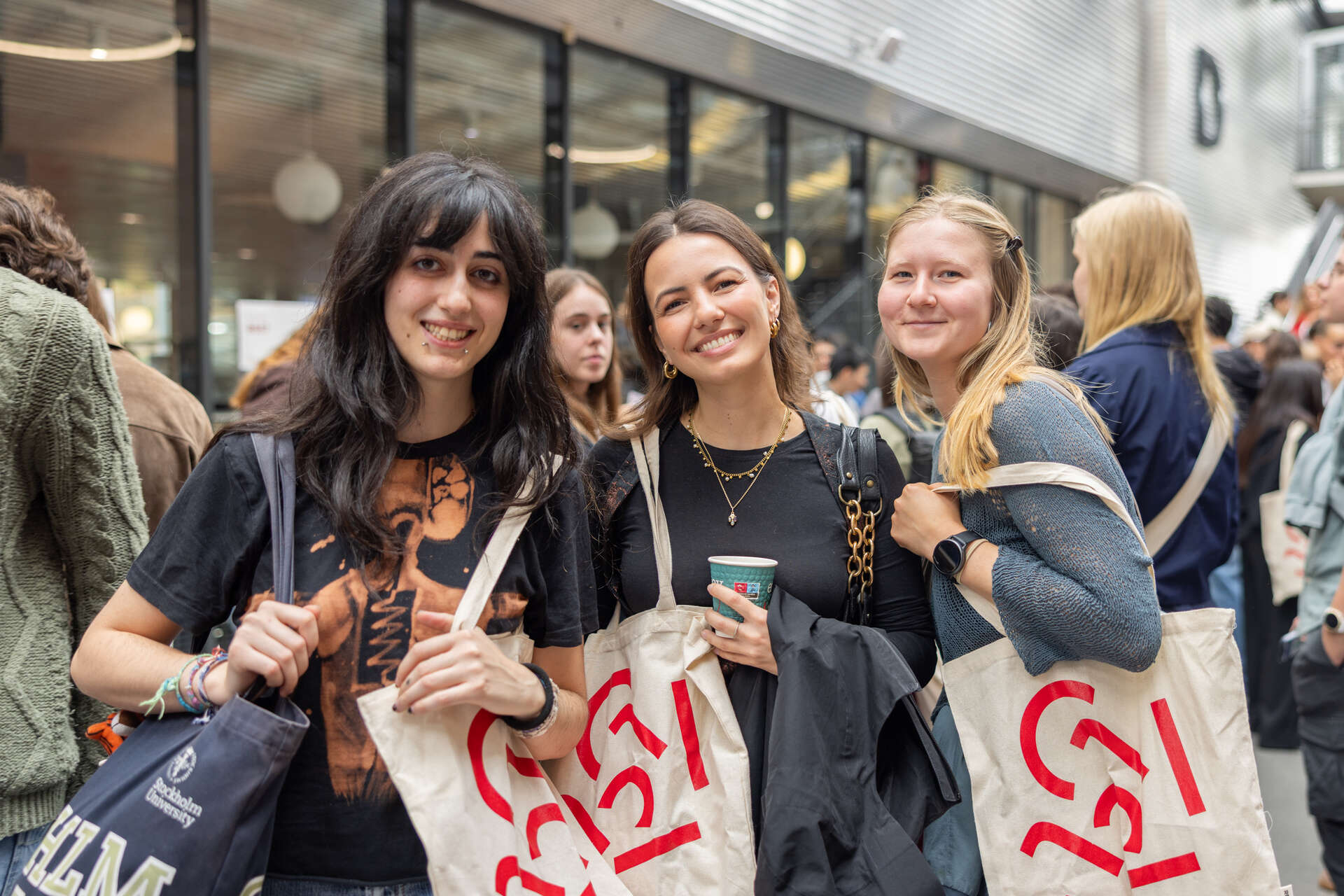
"My first impression of Kristiansand is that it is a peaceful city. I like how quiet it feels compared to Rome, which is where I come from. I also enjoy the fact that everything is within walking distance," says Emma Tedeschi, who is taking a master’s degree in popular music at UiA.
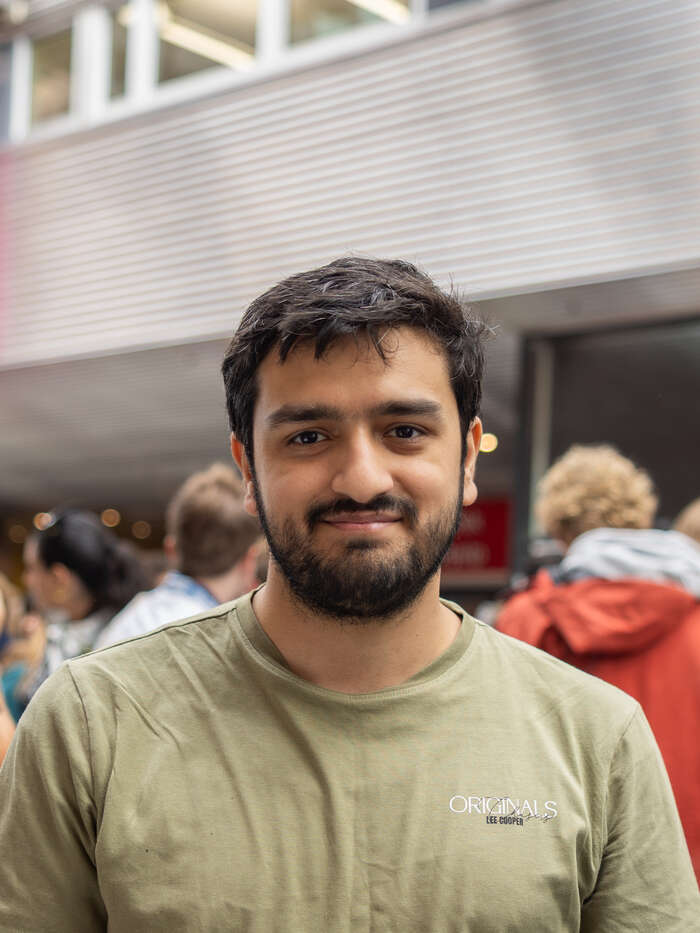
Most of the incoming students are new to Norway, but some are already familiar with the country. Ahmad Munir, from Pakistan, has visited family in Sandefjord a few times before. He is now moving to Kristiansand to take a master’s degree in management and business development.
“I look forward to developing my academic background, and hope that this programme will help open doors in my future career”, says Munir.
Tedeschi and Munir are two of 207 international degree students starting their studies at UiA this semester.
Facts & figures – autumn semester 2026
- UiA welcomes 426 incoming exchange students from 41* different countries and regions (up from 379 students in autumn 2025).
- UiA welcomes 207 new international degree students from 57** different countries and regions (up from 126 students in 2025).
- 86 of the international degree students are starting a bachelor’s degree, and 121 a master’s degree.
- The total number of students may change until 1 September. These are the numbers at the start of the semester.
*Armenia, Australia, Austria, Bangladesh, Belarus, Belgium, Bosnia and Herzegovina, Brazil, Canada, China, Denmark, Finland, France, Germany, Hong Kong, Iceland, India, Indonesia, Ireland, Italy, Japan, Kazakhstan, Latvia, Lithuania, Malaysia, Nepal, the Netherlands, Pakistan, Poland, Portugal, Romania, South Korea, Spain, Sri Lanka, Switzerland, Tunisia, the Czech Republic, Ukraine, the United Kingdom, the USA.
**Albania, Australia, Azerbaijan, Bangladesh, Brazil, Bulgaria, Cambodia, China, Denmark, Egypt, Estonia, Ethiopia, Finland, France, Georgia, Germany, Ghana, Greece, Hungary, India, Indonesia, Iran, Iraq, Israel, Italy, Japan, Kenya, Latvia, Lithuania, Malawi, Mexico, Morocco, Myanmar, Nepal, the Netherlands, Nigeria, Pakistan, Palestine, the Philippines, Poland, Portugal, Romania, Slovakia, Slovenia, South Africa, Spain, Sri Lanka, Sweden, Syria, Tajikistan, Tanzania, the Czech Republic, Turkey, Uganda, Ukraine, the United Kingdom, the USA.
The first days
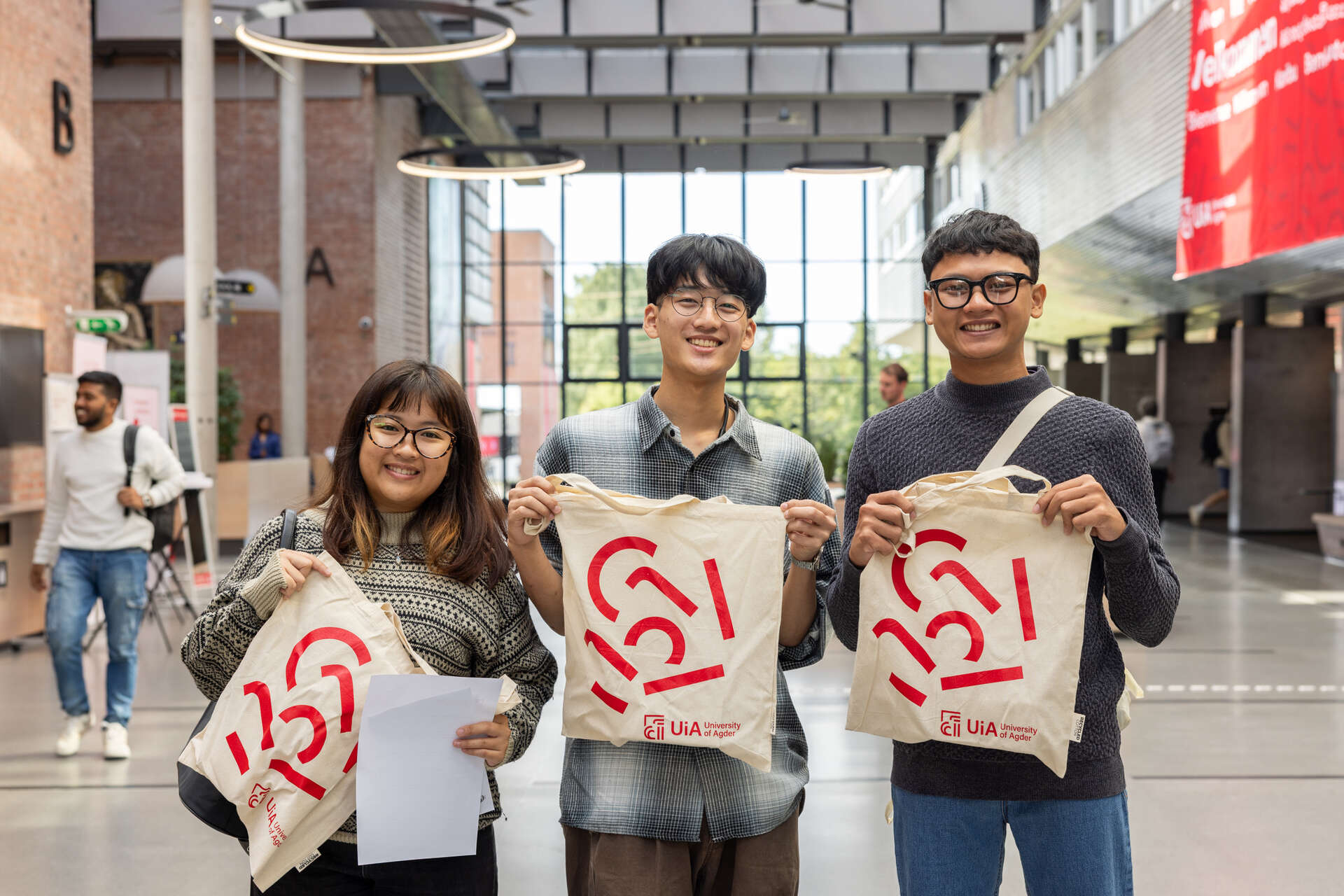
On the designated Arrival Days, the students were met by Erasmus Student Network (ESN) buddies at the airport, train and bus stations. The buddies helped organise transportation, and supported them in settling into their accommodation.
“It’s been a long journey and it took planes, trains and buses to get here. But now I am looking forward to the semester ahead and to exploring Norway”, says Muhammad Syukur Shidiq, a global development exchange student from Indonesia.
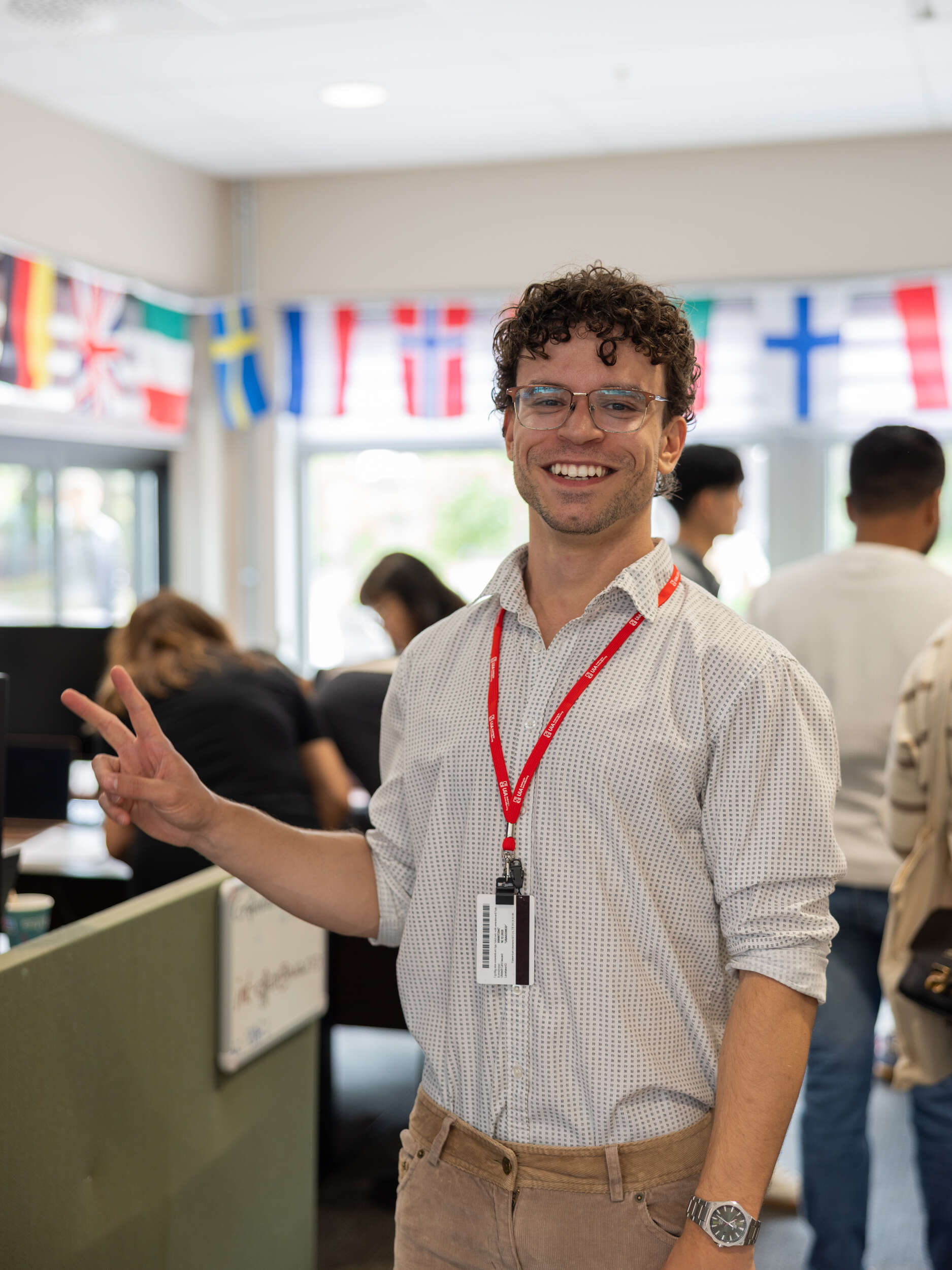
Also ready to receive the students upon arrival at UiA was Rafael Reis, an intern at the Global Lounge.
"It's been a great experience to be able to welcome the new students. I love speaking to new people, and everyone has been so friendly," says Reis.
Reis first arrived at UiA in January as an exchange student himself. He liked it so much that he decided to stay longer in Norway.
"I fell in love with Norway and feel very at home here," he says.
Strategic planning delivers results
The results of UiA’s internationalisation efforts are clear: more international students are choosing UiA as their place of study.
"These numbers result demonstrates the value of the collective efforts made over time and underlines the importance of continuing our work on internationalisation as a strategic priority. Through systematic work on partnerships, student recruitment, admissions, reception and follow-up, UiA has strengthened its appeal as a place of study for international students," says Margrethe Aurora Seljenes, international coordinator at the International Relations Unit at UiA.
UiA has also seen a drastic increase in the number of students paying tuition fees – from 9 fee-paying students in 2025 to 57 this year.
“For the first time since the introduction of tuition fees, we are now once again welcoming more students from outside the EU than from within the EU”, says Seljenes.
Integration is key
While the first weeks are typically very rich in social events and opportunities to meet peers, the following months can be more challenging in terms of integration.
“Making Norwegian friends and feeling like a part of the community is a goal for international students. This is also critical for building a safe learning environment and being able to have academic discussions with students of different opinions, perspectives and cultures,” says Seljenes.
These topics are brought up by the welcoming committee during the first weeks at UiA.
“We prepare the students for some of the most common culture shocks. We also encourage international students to take the first step with Norwegians and not to automatically think that their reserved nature is a sign of rejection,” says Seljenes.
What can help with integration?
- Take the initiative. Even though the English level in Norway is very high, many Norwegians are shy to speak it.
- Join an activity and take part in student politics.
- Learn the language. UiA offers language credited and non-credited courses to students.
- Meet up at the Global Lounge. The International Relations Unit wants to especially invite Norwegian students to come join the international students, get out of their comfort zone speaking English and expand their student experience.