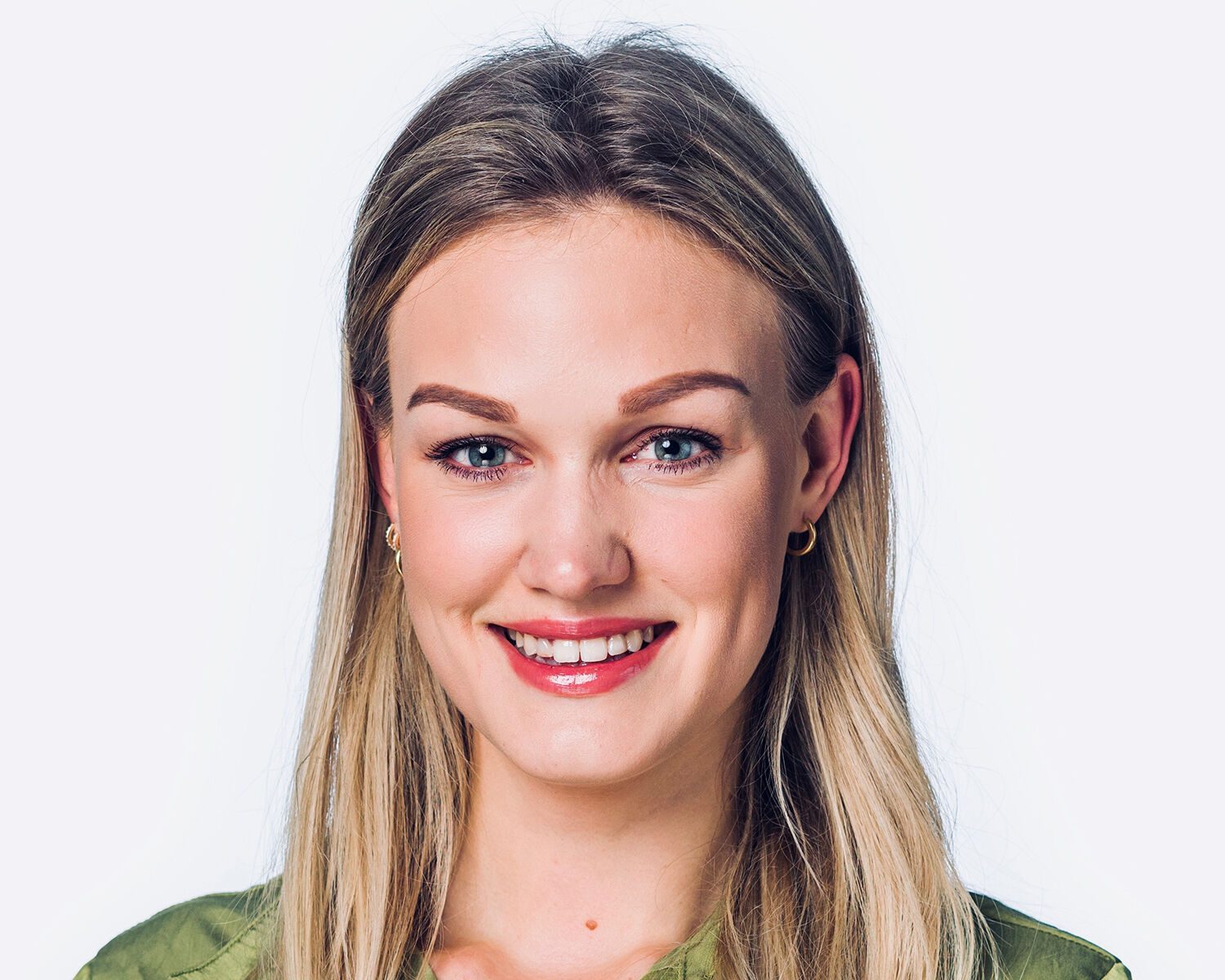
PhD-thesis
Dietary intake, nutritional status, and food literacy competencies among Norwegian youth following plant-based and omnivore diets
- Trial lecture starts at 10:15
- Public defence starts at 12:30
Title of trial lecture: "Bone health in plant-based diets over the life span"
Read the thesis in NVA
Disputation chair: Professor Elisabet Rudjord Hillesund, Head of Department of Nutrition and Public Health, UiA
Assessment committee:
- First opponent: University Lecturer, PhD Liisa Korkalo, University of Helsinki
- Second opponent: Professor Cornelia Weikert, Federal Institute for Risk Assessment/Berlin
- Head of Assessment Committee: Associate Professor Thomas Birkedal Stenqvist, Department of Sport Science and Physical Education, UiA
Supervisors in the doctoral work:
- Main supervisor: Associate Professor Anine Christine Medin, Department of Nutrition and Public Health, UiA
- Co-supervisor: Associate Professor Wim van Daele, Department of Nutrition and Public Health, UiA
- Co-supervisor: Professor Christel Larsson, Department of Food and Nutrition, and Sport Science, University of Gothenburg
Summary of thesis
A well-planned plant-based diet can provide both health and nutritional benefits, in addition to being climate and environmentally beneficial. However, a poorly composed plant-based diet may lead to deficiencies in critical nutrients. This is particularly of concern during youth, when the energy needs are increased, and many young people take greater responsibility for their own food choices.
The aim of this doctoral thesis was to investigate whether Norwegian 16-to-24-year-olds following various types of diets including vegans, lacto-ovo-vegetarians, pescatarians, flexitarians and omnivores (those who consume all animal source foods) are able to secure a diet meeting their dietary needs.
The study was part of the VeggiSkills-Norway project, in which 165 healthy youth participated. They completed questionnaires, repeated 24-hour dietary recalls, provided blood and urine samples, as well as anthropometric measurements.
Findings from this thesis show that youth`s ability to secure a diet meeting dietary needs depended more on the variety and quantity of foods consumed, the use of dietary supplements and food literacy competencies, than on the specific dietary practice followed.
Participating youth, regardless of whether they followed a plant-based or omnivore diet (those who consume all animal source foods) had risk of insufficient intakes of important nutrients such as vitamin D, iodine, and selenium. In addition, calcium appeared challenging in nearly a third within the dietary groups. The findings also revealed that vegans and lacto-ovo vegetarians, in particular, had an increased risk of insufficient intake of iodine and omega-3 fatty acids. In addition, both those following plant-based diets and omnivore diets would benefit from an increased dietary fibre consumption (except vegans and pescatarians), and a reduced intake of saturated fats (except vegans) to align more with dietary recommendations. All dietary groups could benefit from reduced total sugar intake to have a diet more in line with the dietary guidelines.
At the same time, the study showed that vegans had the highest diet quality score while omnivores (those who consume all animal source foods) had the lowest. The omnivores consumed the least amount of vegetables, whole grain products, nuts and seeds, legumes, and plant oils. However, youth, regardless of dietary practice would benefit from increased consumption of fruits and vegetables. Additionally, omnivores also had the lowest level of general nutrition knowledge.
The study further indicates that higher levels of food literacy competencies may contribute to having a diet that aligns more closely with the dietary guidelines.
These findings highlight the potential of enhancing food literacy competencies to support higher diet quality among youth. Youth regardless of dietary practice should receive appropriate education on how to compose a diet meeting their dietary needs to avoid nutrient inadequacy.
What to do as an online audience member
The disputation is open to the public. To follow the trial lecture and the public defence online, register on Zoom.
We ask online audience members to join no earlier than 10 minutes in advance. After these times, you can leave and rejoin the meeting at any time.
Opponent ex auditorio:
Deadline for the public to pose questions is during the break between the two opponents. Questions ex auditorio can be submitted to disputation chair.