PhD-thesis
Assistive Humanoid Robots for enhancing independence, autonomy, and the ability to engage in meaningful occupations. Perceptions and experiences in users with physical disabilities
Title of trial lecture
The transition from laboratory to everyday life - what are the ethical and technical considerations in implementing robotics in home care for people with disabilities?
- Trial lecture starts at 10:15
- Public defence starts at 12:30
Read the thesis in the Norwegian Research Information Repository
Disputation chair: Professor Elin Thygesen, Department of Health and Nursing Science, UiA
Assessment committee:
- First opponent: Professor Praminda Caleb-Solly, University of Nottingham, UK
- Second opponent: Professor Anne Lund, OsloMet
- Chair of assessment committee: Associate Professor Jan Georg Friesinger, UiA
Supervisors in the doctoral work:
- Main supervisor: Associate Professor Hege Mari Johnsen, Fakultet for helse- og idrettsvitenskap, Universitetet i Agder
- Co-supervisor: Associate Professor Dag Tomas Sagen Johannesen, Fakultet for helse- og idrettsvitenskap, Universitetet i Agder
- Co-supervisor: Professor Helinä Melkas, LUT University, Finland
Summary of thesis
Individuals with physical disabilities often face barriers to independence and participation in daily life and frequently rely on caregivers to maintain autonomy at home. Future demographic shifts and healthcare staffing shortages may limit access to adequate home care, further impacting independence and quality of life. Physically assistive robots represent a promising solution to support autonomy and independence, but their adoption depends on user acceptance.
This Ph.D. project explored whether humanoid robots, as assistants for individuals with physical disabilities who are living at home, can enhance independence, autonomy, and engagement in meaningful occupations by addressing key factors such as user needs, acceptance, and functional requirements, thereby informing future research and development. The Ph.D. project addressed three key objectives: (1) to provide a comprehensive overview of robots capable of physically assisting with various activities of daily living (ADLs); (2) to investigate the perspectives of home service users with physical disabilities on robotic assistance and (3) to explore the factors influencing acceptance of the humanoid assistive prototype robot, EVE, among individuals with physical disabilities, during a human–robot interaction involving personalized assistance tasks.
The thesis consists of three published papers. The first was a scoping review based on the Joanna Briggs Institute and PRISMA-ScR frameworks, examining human-like robots with features such as arms and fingers, relevant for ADL assistance. Activities were classified using International Classification of Functioning, Disability, and Health (ICF) framework, specifically within the domains of self-care, mobility, and domestic life. The second study used focus group interviews with 18 adults (aged 18–77) with physical disabilities, including stroke, spinal cord injury, amputation, and muscular dystrophy. Participants viewed videos of the robot EVE and discussed how such assistance could affect their daily lives. Data were analyzed using reflexive thematic analysis. The third study used user testing with nine participants (aged 27–78), who interacted with the robot in two simulated settings—one using the Wizard-of-Oz method, the other with operator control simulating remote service. Interviews following the interactions were analyzed using directed content analysis based on the Almere model and the Domestic Social Robot Acceptance model.
The review identified 44 studies describing nine robots capable of physical assistance. Most participants, often older adults, found the robots acceptable and easy to use, however they desired improved functionality and personalization, and many did not consider the services directly relevant to their own needs. In the focus group study, participants valued robots for physically demanding domestic tasks such as cleaning and laundry, and some were open to support with transfers. A somewhat human-like appearance was preferred, but EVE’s size was a concern, especially for wheelchair users. Participants emphasized the importance of customization, voice control, and privacy in accepting robotic assistance. In the user test study, participants evaluated the robot across seven acceptance concepts: hedonic attitudes, utilitarian attitudes, personal norms, social norms, control beliefs, facilitating conditions, and intention to use. They appreciated the robot’s ability to perform specific tasks aligned with the ICF’s activity and participation domains and were generally comfortable with voice control and minor technical issues. Most perceived the robot as trustworthy and capable of supporting independence, though preferences varied regarding the balance between human and robotic care.
In conclusion, participants with physical disabilities viewed robotic assistance as a potentially valuable tool for increasing independence, reducing reliance on caregivers, and supporting engagement in meaningful activities. Acceptance was high, but contingent on improved technical readiness, personalization, and adaptability for home use. The findings emphasize the importance of aligning robotic functions with user expectations, everyday needs, and social norms, and highlight the potential of assistive robotics to contribute meaningfully to future home care services.
About the candidate
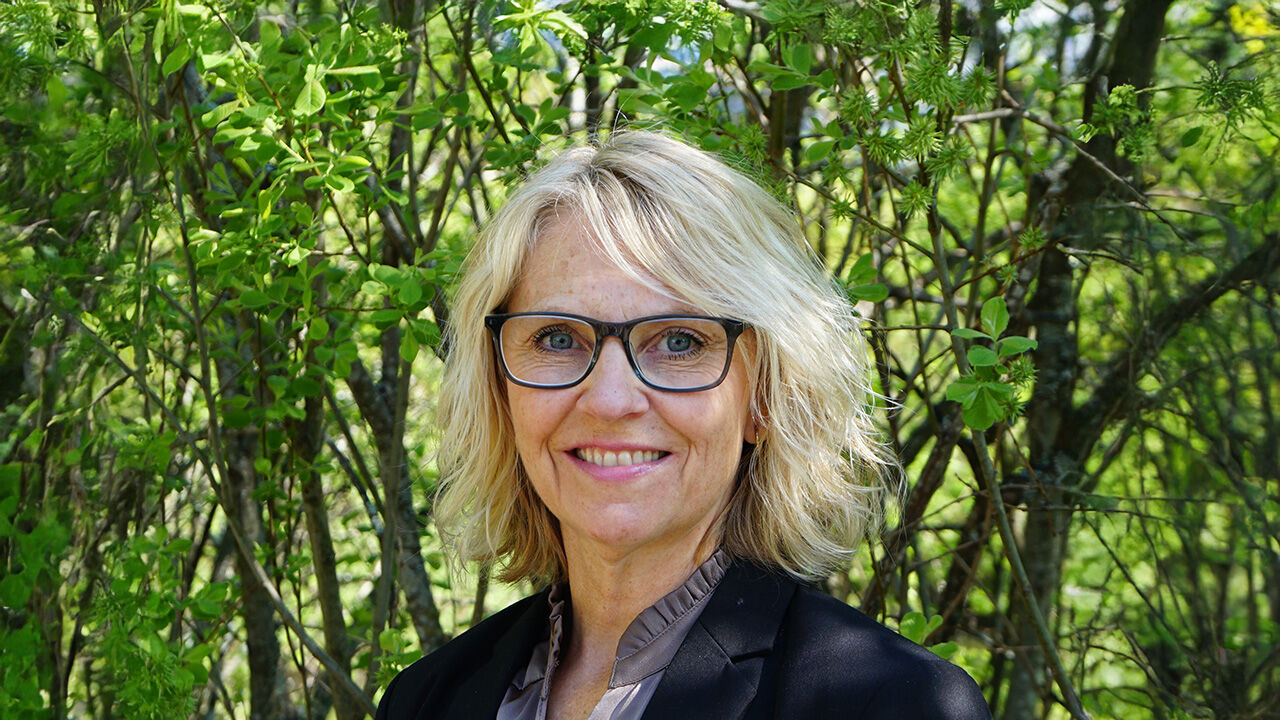
Linda Sørensen (born 1969) graduated as an occupational therapist from Oslo University College (now OsloMet) in 2006. Sørensen has worked at Sunnaas Hospital, since 2006, as an occupational therapist and clinical developer. Later, she has also worked in the innovation department as a project manager and head of Sunnaas Technological Intervention Center. Sørensen has a Master's degree in Health Sciences from the University of Oslo (UiO) with the study "Robotic upper limb training in rehabilitation of patients with cervical spinal cord injury". She has led the establishment of the Robotlab at Sunnaas Rehabilitation Hospital and was the project manager for the HELSEVEL project: Humanoid Robotics in Healthcare - which was funded by the Research Council of Norway.
Sørensen's PhD project is funded by the University of Agder.
What to do as an online audience member
The disputation is open to the public. To follow the trial lecture and the public defence online, register on Zoom.
We ask online audience members to join no earlier than 10 minutes in advance. After these times, you can leave and rejoin the meeting at any time.
Opponent ex auditorio:
Deadline for the public to pose questions is during the break between the two opponents. Questions ex auditorio can be submitted to disputation chair elin.thygesen@uia.no, cc to PhD adm emma.e.horneman@uia.no.