PhD-thesis
Sexual health communication in gynecological cancer follow-up care
Gynecological cancer survivors’ and nurses’ experiences with sexual health communication and its impact on sexual health related outcomes
- Trial lecture starts at 10:15
- Public defence starts at 12:30
Title of trial lecture:
Different theoretical models to approach sexual health issues for health care professionals
An introduction to the most common ways to introduce the concept of sexual health related issues in patient/caregiver situation, the underlying theory and evidence for usage and the strengths and weaknesses of the models.
The talk should include at least these models:
- PLISSIT
- Ex-PLISSIT
- BETTER
Both the trial lecture and the pubic defense will be in Norwegian/Skandinavian, and the Norwegian description is:
Ulike teoretiske modeller for å tilnærme seg seksuelle helseproblemer for helsepersonell
En introduksjon til de vanligste måtene å introdusere begrepet seksuelle helse-relaterte problemer i pasient/omsorgsgiver-situasjoner, den underliggende teorien og evidensen for bruk, samt styrker og svakheter ved modellene.
Presentasjonen bør inkludere minst disse modellene:
- PLISSIT
- Ex-PLISSIT
- BETTER
Read the thesis in AURA
Disputation chair: Associate Professor Dag Tomas Sagen Johannesen, Head of Department of Health and Nursing Science, University of Agder
Assessment committee:
- First opponent: Specialist Consultant in Clinical Oncology, PhD Trine Jakobi Nøttrup, Copenhagen University Hospital, Denmark
- Second opponent: Associate Professor Tommy Carlsson, Department of Health Sciences, Swedish Red Cross University, Sweden
- Chair of assessment committee: Professor Torunn Kitty Vatnøy, Department of Healt and Nursing Science, University of Agder
Supervisors in the doctoral work:
- Main supervisor: Professor Emerita Liv Fegran, Department of Health and Nursing Science, University of Agder
- Co-supervisor: Senior Consultant and Professor Ingvild Vistad, Deptartment of gynecology and obstetrics, Sørlandet Hospital Trust and University of Oslo - Campus Sør
Summary of thesis
Each year, approximately 1,800 women in Norway are diagnosed with gynecological cancer, and around 22,000 women live with such a diagnosis after completing treatment. Many of these women experience long-term side effects that affect their quality of life—physically, psychologically, and socially. Sexual health is often overlooked in cancer follow-up, despite the significant impact cancer treatment can have on women's sexuality.
This PhD thesis is part of the “Lifestyle and Empowerment Techniques in Survivorship of Gynecologic Oncology” (LETSGO) study, in which follow-up care after gynecological cancer was made more personalized for half of the participants (intervention group), while the other half received standard follow-up care (control group). Twelve hospitals participated—five implemented the new follow-up model, and seven continued with usual care. A total of 755 women with gynecological cancer took part in the study.
A key change in the intervention group was that nurses, instead of physicians, conducted half of the follow-up consultations. One of the nurses’ tasks was to systematically address sexual health. Patients were followed for 1–3 years, depending on their risk of recurrence and symptom burden.
The aim of the thesis was to explore how both women with gynecological cancer and nurses experienced sexual health communication, and whether this had any impact on women’s sexual activity and other outcomes one year after end of treatment. The thesis consists of three parts: qualitative interviews with women who had been followed up after gynecological cancer (Study 2), interviews with nurses (Study 1), and a comparison between the intervention and control groups (Study 3) using self-reported data on sexual activity and other outcomes.
The results show that implementation of sexual health communication were well received. The women expressed feeling seen and taken seriously, and the nurses reported feeling more confident in addressing sexual topics. Although there were no statistically significant differences in sexual activity or other measured outcomes, the qualitative findings indicated that sexual health communication held significant value for many women with gynecological cancer.
The thesis highlights the complexity of communication about sexuality and demonstrates the importance of combining qualitative and quantitative methods. The findings underline the need for more patient-centered care and better tools to assess sexual health in clinical practice.
Sexual health is gaining increased attention in cancer care, and this study shows that systematic sexual health communication are feasible in everyday clinical settings. The study provides important insights that can help improve patients’ quality of life and inform the development of national clinical guidelines.
About the canidate
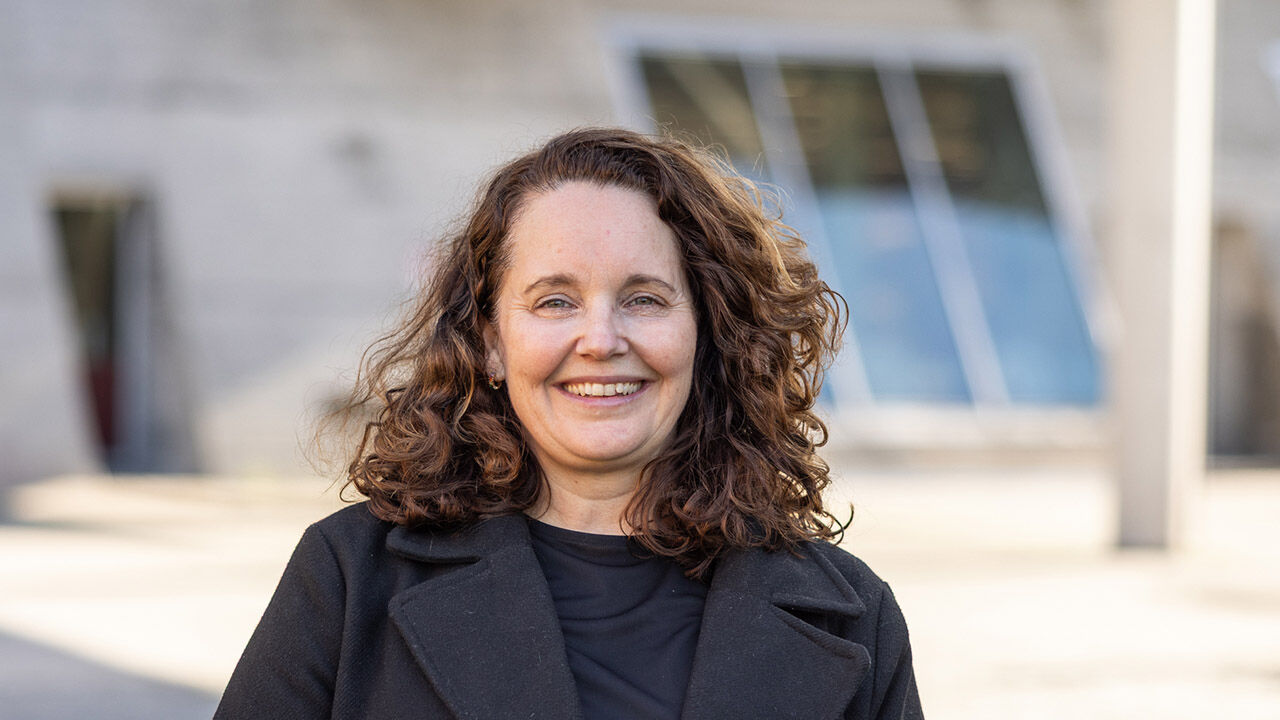
Anita Paulsen (b. 1974) graduated as a nurse from the University College of Agder (now University of Agder, UiA) in 2001. She has worked at Sørlandet Hospital HF Kristiansand in various roles, including nurse, clinical development nurse, assistant ward manager, and research nurse at the Women’s Clinic, the Center for Cancer Treatment, the Surgical Wards and Sexual Assault Referral Center of Agder. For the past 18 years, she has also served as a certified sexological counselor (NACS) at the Gynecological Outpatient Clinic/Women’s Clinic.
Paulsen completed further education in sexological counseling in 2007 and obtained a master’s degree in Clinical Health Sciences from UiA in 2018. She has held several teaching positions at the Department of Health and Nursing Science at UiA and became a permanent university lecturer at the Department of Psychosocial Health in autumn 2019.
Her PhD project was funded by the South-Eastern Norway Regional Health Authority and is affiliated with the LETSGO study at Sørlandet Hospital. Alongside her position as a sexological counselor at the hospital, she has been enrolled in the PhD program at the Faculty of Health and Sport Sciences at UiA since June 2020.
What to do as an online audience member
The disputation is open to the public. To follow the trial lecture and the public defence online, register on Zoom.
We ask online audience members to join no earlier than 10 minutes in advance. After these times, you can leave and rejoin the meeting at any time.
Opponent ex auditorio:
Deadline for the public to pose questions is during the break between the two opponents. Questions ex auditorio can be submitted to disputation chair Dag Tomas Sagen Johannesen, copy PhD-adm. Eli Andås