PhD thesis
Orofacial Signs of Child Maltreatment: Evidence from Clinical Forensic Dental Examinations. Oral Health Outcomes in Children and Adolescents at a Norwegian Children's House
Title of trial lecture
Will be published 14 days before defence.
- Trial lecture starts at 10:15
- Public defence starts at 12:30
Read the thesis in The Norwegian Research Information Repository (NVA).
Disputation chair: Head of Department Dag Tomas Sagen Johannesen
The defence will be conducted in Norwegian.
Assessment committee:
- First opponent: Professor emeritus Göran Dahllöf, Karolinska Institutt
- Second opponent: Senior consultant and Ph.d. Mia Cathrine Myhre, Ullevål University Hospital
- Head of assessment committee: Professor Randi Eikeland, UiA
Supervisors in the doctoral work:
- Main Supervisor: Senior consultant and Associate Professor Unni Mette Köpp, Hospital of Southern Norway, and UiO
- Co-supervisor: Senior researcher and PhD Ewa Szyszko Hovden, Oral Health Centre of Expertise Eastern Norway
- Co-supervisor: Professor emerita Liv Fegran, UiA
Summary of thesis
Dental examinations can reveal important injuries and clinical findings in children referred because of suspected physical or sexual abuse. This doctoral research examined children and adolescents who were referred for dental examinations at a Norwegian Children’s House. The doctoral research investigated injuries and other findings involving the head, face, neck and mouth, as well as the children’s oral health. Previous research in the field was also reviewed.
The examinations revealed a broad range of injuries and other clinical findings. Among the children who underwent an examination of the oral cavity, 76% had at least one finding. Forty-six per cent had one or more findings involving the head, face or neck. Dental trauma was the most common injury in the mouth, while scarring was the most common injury in the head and neck region.
Children referred because of suspected sexual abuse also presented with a broad range of injuries and other clinical findings. These included not only injuries and mucosal changes previously described in the literature, but also common findings such as untreated dental caries and poor oral hygiene. Approximately one in five children had injuries in the mouth, both among those referred because of suspected physical abuse and those referred because of suspected sexual abuse.
There were also differences in oral health between the two groups.
In some of the analyses, children referred due to suspected sexual abuse had more untreated dental caries and greater overall caries experience than children referred due to suspected physical abuse. However these findings should be interpreted with caution, as differences between the groups varied according to factors including sex and ethnicity.
The results therefore illustrate how a dental examination can provide a broader picture of a child’s oral health than an assessment focusing solely on visible injuries.
At the same time, the thesis highlights an important limitation: many of the findings are common and may have several different causes. A dental injury, caries or other oral finding cannot, on its own, demonstrate that a child has been subjected to physical or sexual abuse. The findings must be considered together with other information about the child.
The thesis provides new knowledge about what dental examinations can reveal in children and adolescents referred to a Norwegian Children’s House. This knowledge may also be useful to dental services and other healthcare professionals working with children referred because of suspected physical or sexual abuse.
The doctoral research was conducted as a Public Sector PhD, funded by the Research Council of Norway and Agder County Municipality, in collaboration with the University of Agder (UiA), Sørlandet Hospital (SSHF), and the Oral Health Centre of Expertise in Eastern Norway (TkØ).
About the candidate
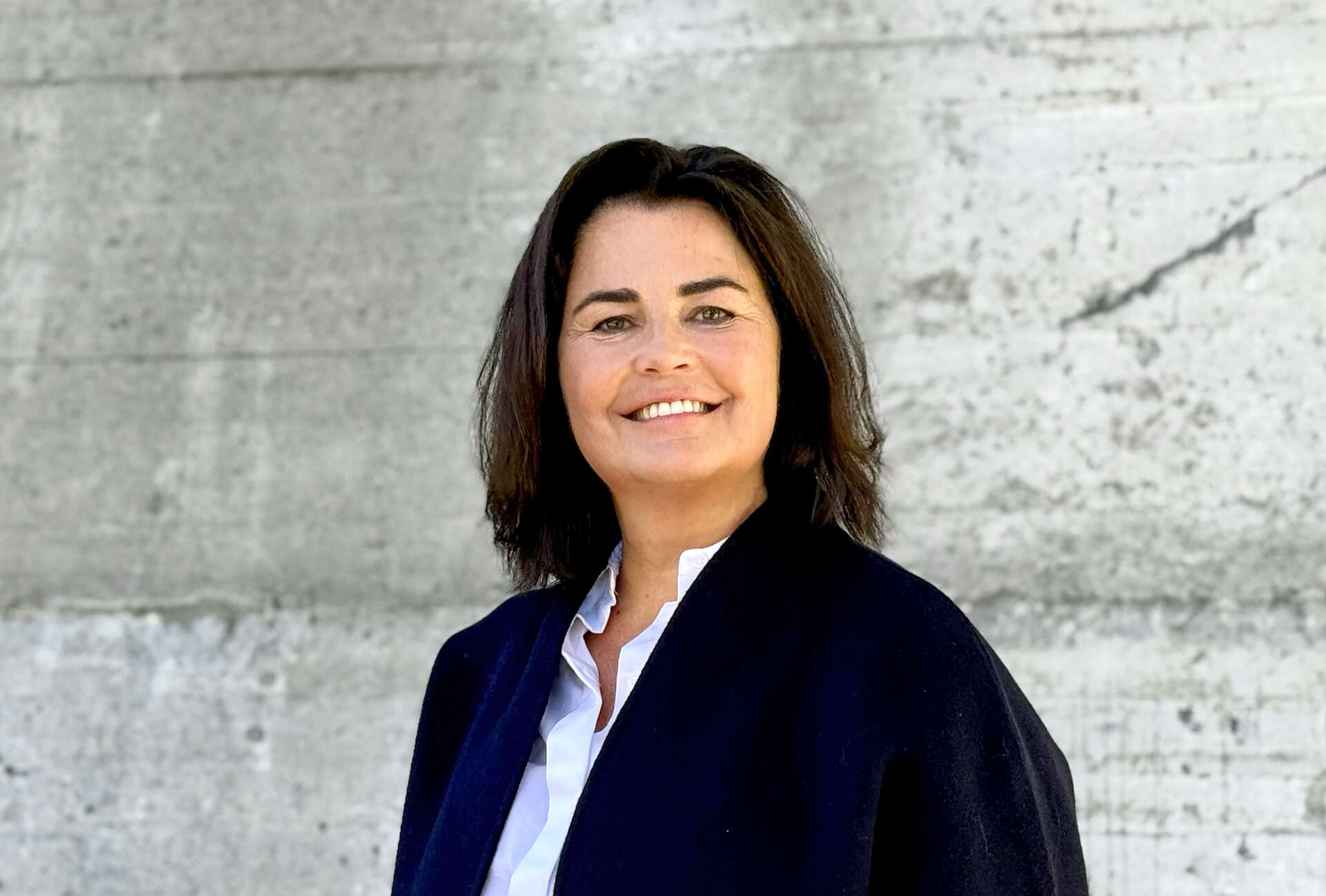
Katrine Håkstad (born 1972) worked on a pilot project on child maltreatment and oral health from spring 2019 before commencing her PhD studies at the Faculty of Health and Sport Sciences, University of Agder, in autumn 2020. During her doctoral period, her mandatory work duties were initially associated with the Children’s Advocacy Center (Statens barnehus) and later with the ORCHID research network at the Eastern Norway Dental Health Competence Centre (TkØ).
Håkstad qualified as a dentist from the University of Oslo in 1999 and has many years of experience in private dental practice (1999–2016). She has also worked in the Public Dental Health Service in Birkeland and with children and adolescents referred for clinical forensic odontology examinations at the Children’s Advocacy Center (Statens barnehus) (2019–2020).
What to do as an online audience member
The disputation is open to the public. To follow the trial lecture and the public defence online, register on Zoom.
We ask online audience members to join no earlier than 10 minutes in advance. After these times, you can leave and rejoin the meeting at any time.
Opponent ex auditorio:
Deadline for the public to pose questions is during the break between the two opponents. Questions ex auditorio can be submitted to disputation chair Dag Tomas Sagen Johannesen dag.t.johannesen@uia.no, cc to PhD adm emma.e.horneman@uia.no.