Music education must be a continuous revolution. It is not enough to reproduce existing formats—we must challenge them. We need to experiment with new learning models, push the boundaries of technology and embrace the unknown," says Andreas Røshol.
He is an assistant professor at the University of Agder (UiA), leading the work on Creative Synergies 2025.
Renowned names from the industry
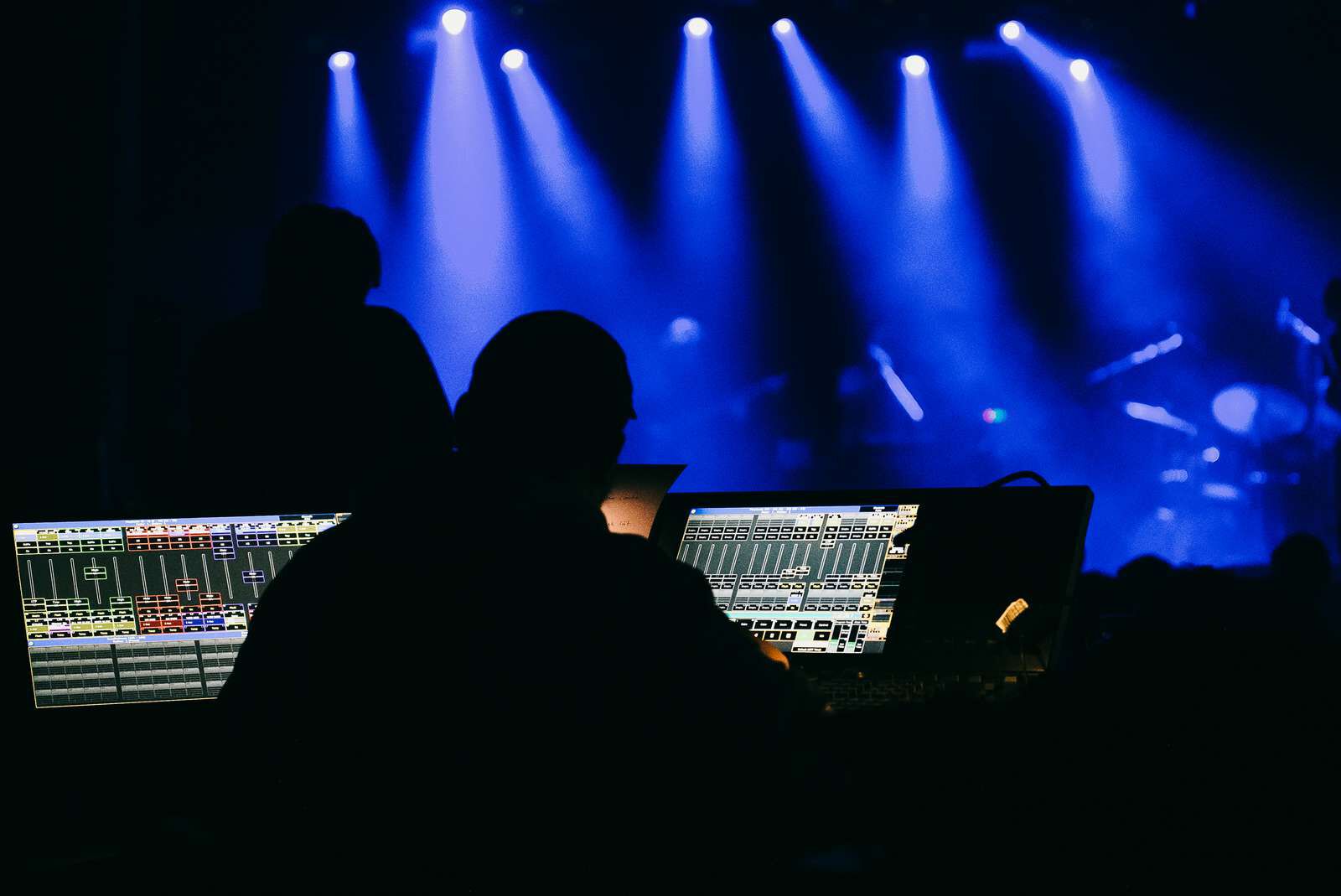
From 24 to 28 February, the student venue BARE in Kristiansand will be filled with over 150 music students collaborating, creating and performing music. At the same time, more than 50 teachers, researchers and artists will take part in roundtable discussions on the future of music education.
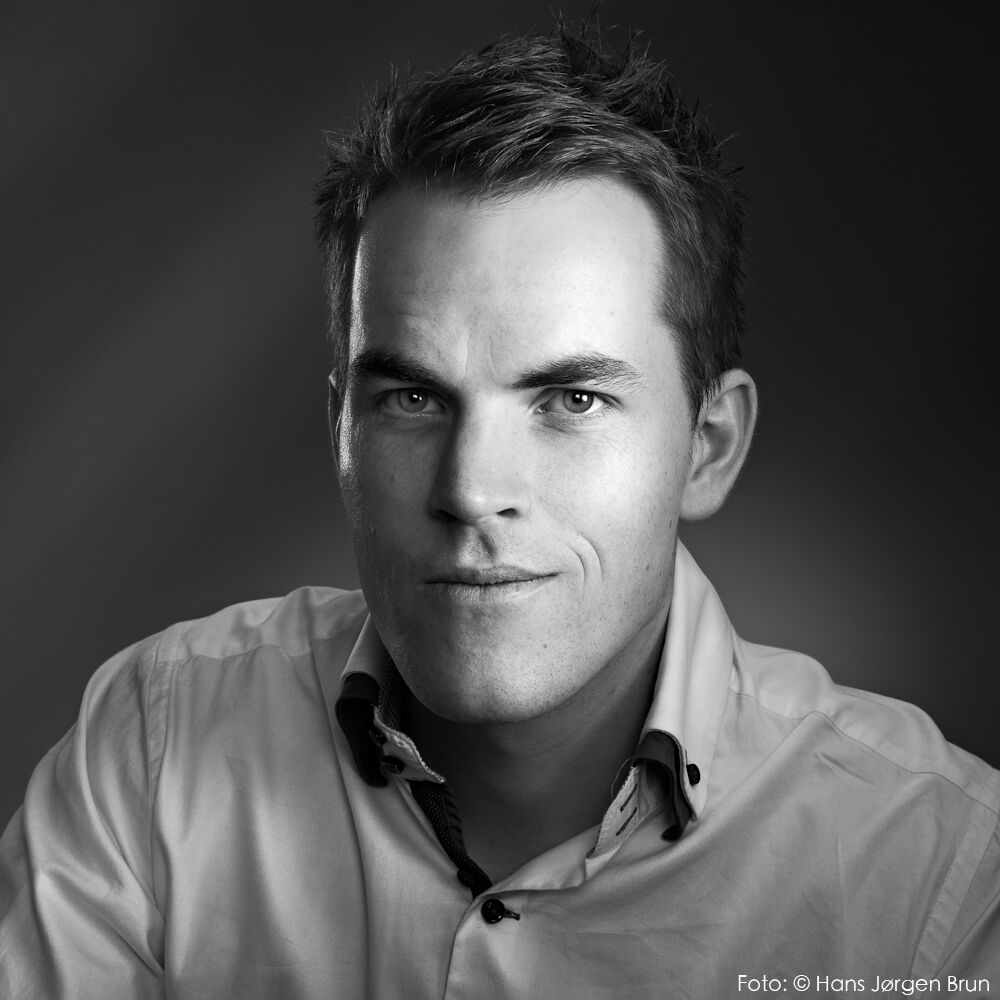
"Learning without resistance is not learning—it is merely the flow of information. Becoming a musician is not just about acquiring skills but about challenging one's own understanding of what music can be. We must create spaces where students and teachers dare to embrace friction, challenge hierarchies and redefine how technology is used in creative processes," says Røshol.
The event brings together renowned names from the music industry, including Joel Hamilton (who has worked with Paul McCartney and Rick Rubin), Bugge Wesseltoft, Bel Canto, SØS Gunver Ryberg, Jan Bang, Alessandra Bossa and Daniel Nordgård.
Annual meeting place
CreaTeME, a Centre for Excellence in Education, aims to explore how music education can be renewed through technology and innovative learning methods. Creative Synergies 2025 will be a key platform for this work.
"Technology is changing how we create music, but it is humans who define its quality. The question is not whether AI can generate music, but how we use technology without letting it take over our decisions. The future of education must focus on activating the student’s artistic voice in a world where technology can quickly become the leading force," says Røshol.
Creative Synergies 2025 builds on established initiatives in Kristiansand, such as the Punkt Festival and the music industry conference KRS Open, with the goal of making it an annual meeting place.
"We must challenge music education to go beyond established conventions. We need to create a platform that not only provides space for learning but also for redefining what music and art can be in a digital age," says Røshol.
Contact
