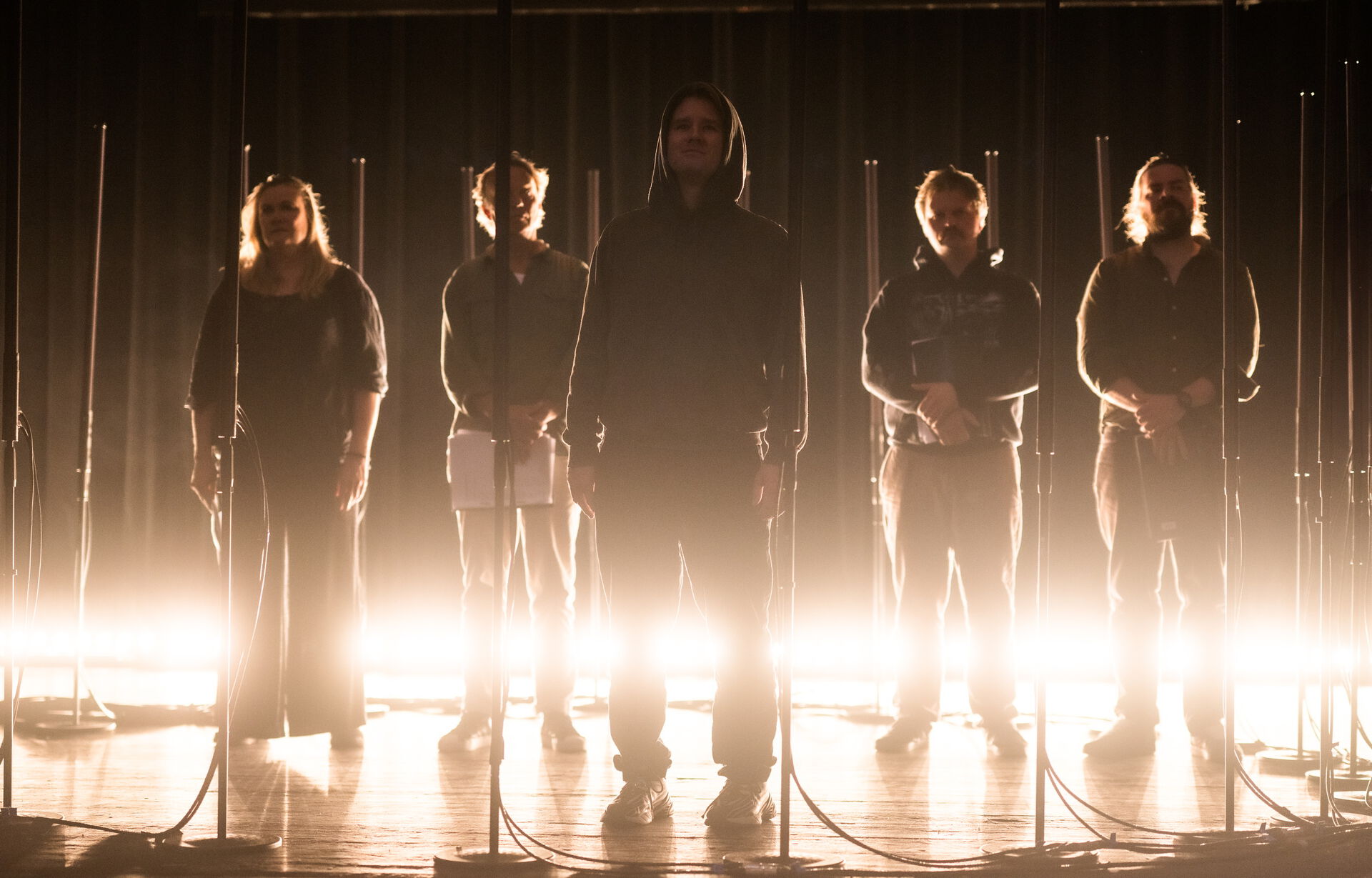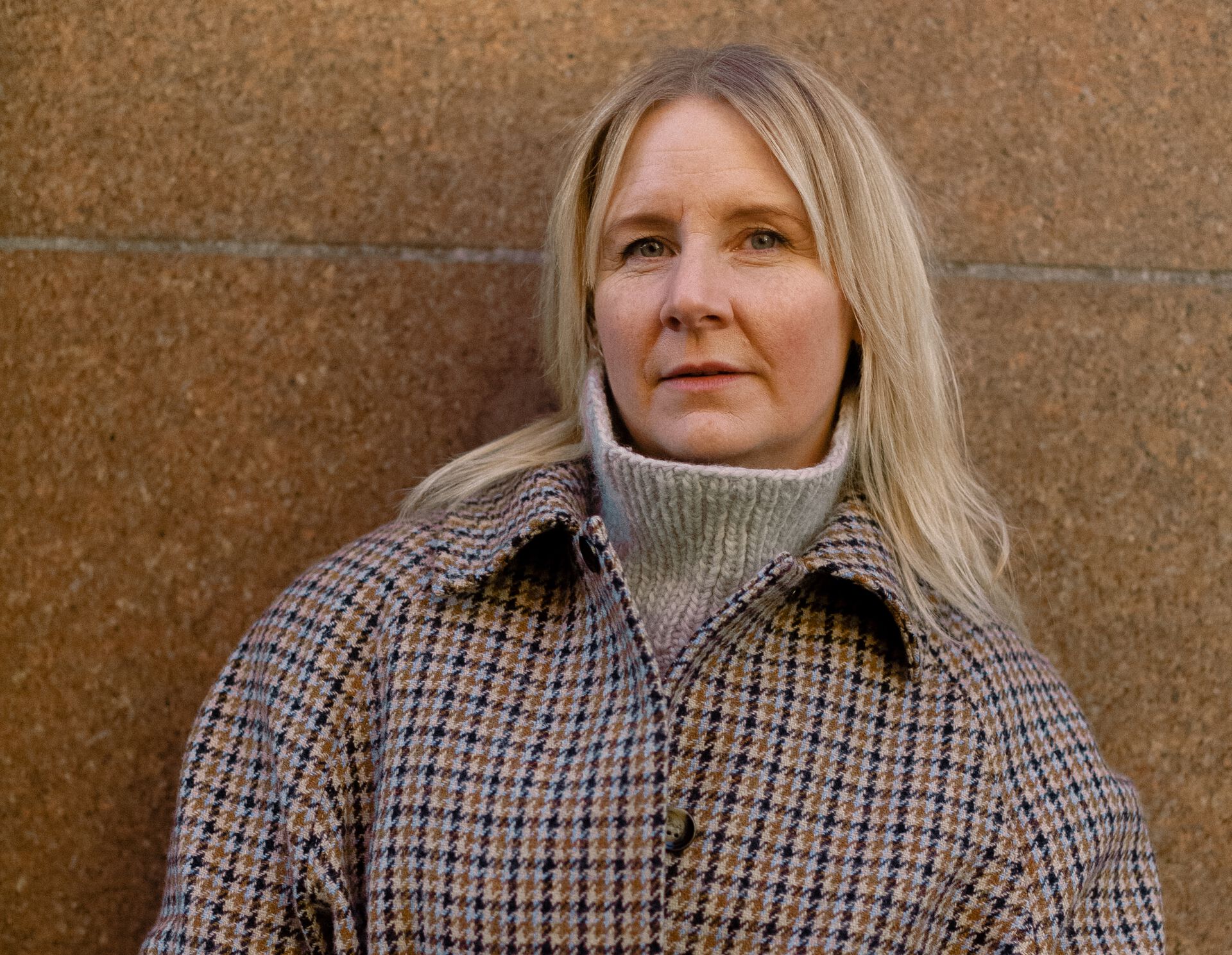
Please give a short theatre bio about yourself - How did you enter the performing arts?
After studying special effects make up at the Nordic Institute of Stage and Studio Arts (NISS) in Oslo, I applied to the Drama for Children programme at what was then Agder University College, later UiA. There I met some inspiring teachers who taught physical theatre, and that’s when I caught the bug. I later joined the then newly established bachelor’s degree in music, dance and drama education, and had the opportunity to go on exchange to Queensland University of Technology (QUT) in Brisbane, where I immersed myself even further in physical theatre and dance. After that, I began searching for a practical master’s degree in physical theatre, and at the time the only place offering one was the Dell’Arte International School of Physical Theatre in Blue Lake, California. I went there on a Fulbright scholarship in 2006 and completed a three year MFA in Ensemble Based Physical Theatre. The rest is history… hahaha.
What are you working on right now – and how did you get there?
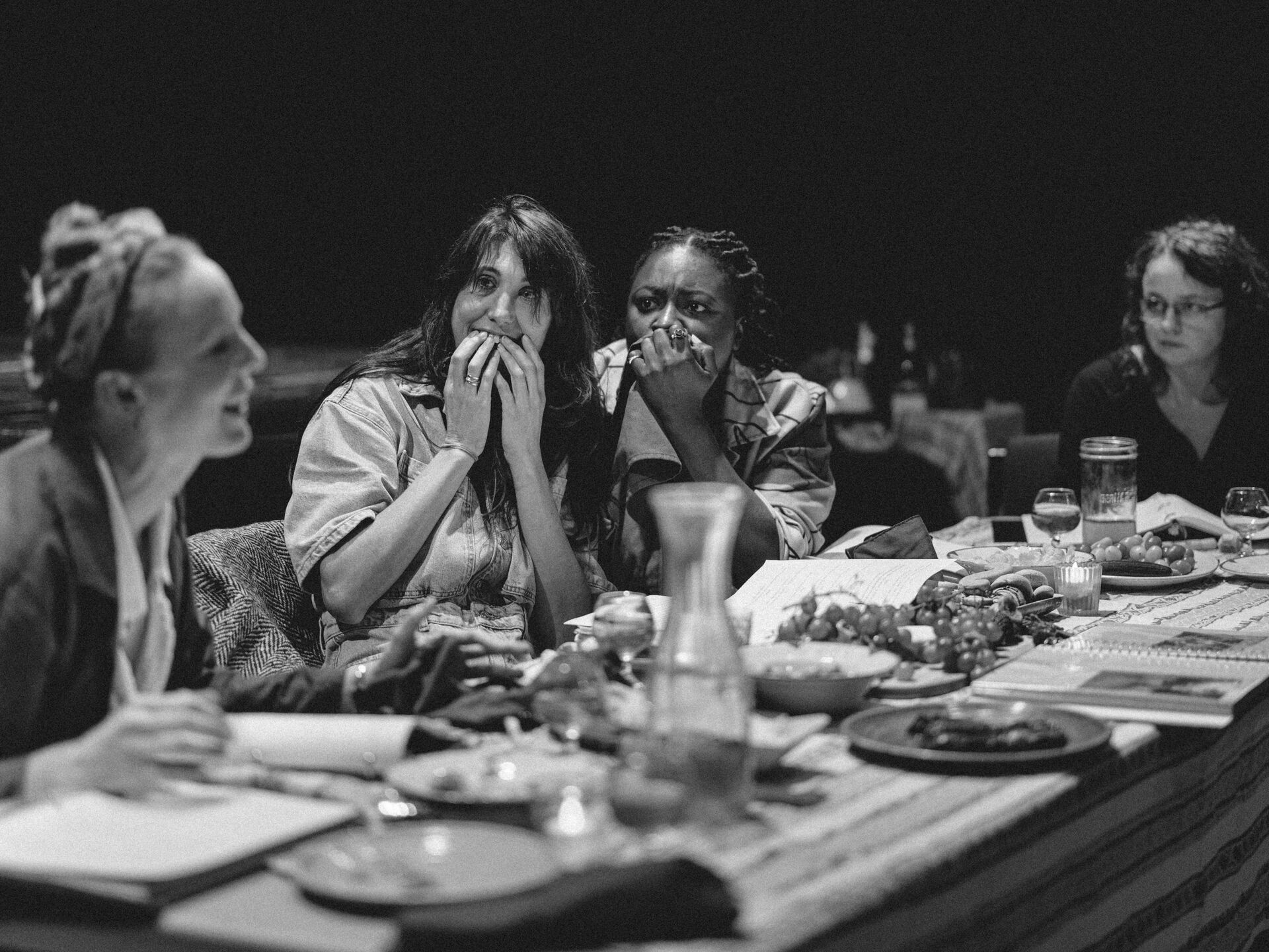
At the moment, my focus is on writing drama and developing writing strategies. I’m currently working on a text for young audiences titled I Call You, which explores the meaning embedded in names and identity. The text is a kind of adaptation of the production Fluid: Negotiating Limits, performed by the performance and research platform Flux Manøver in The Cultural Schoolbag programme in 2022. That piece was wordless and created through a devising process, so I’m now working to capture its essence and translate it into written form. I’ve been awarded a ‘Dramatic Outpatient Clinic’ residency — a text laboratory and intensive workshop supported by, among others, Scenekunst Sør, the regional organisation and competence centre for the performing arts in Agder — and I’m looking forward to exploring the material further, hopefully together with young people later this year.
Also, dramatic writing is a relatively new direction for me, as my work has mostly centred on what the body can communicate in time and space. My way into creating material for the stage has always been to “write on the floor” in collaboration with others. I began writing during the pandemic, which coincided with several life events that meant I couldn’t work creatively in the same way as before. Writing opened up an entirely new world for me, both creatively and professionally. Support from Dramatikkens hus, the national centre for the development of new drama, has enabled me to collaborate with highly skilled dramaturgs and to run workshops with professional actors — experiences that have helped me grow as a playwright.
Congratulations on the award! Please tell us a bit about the prize and what it means for you and your work.
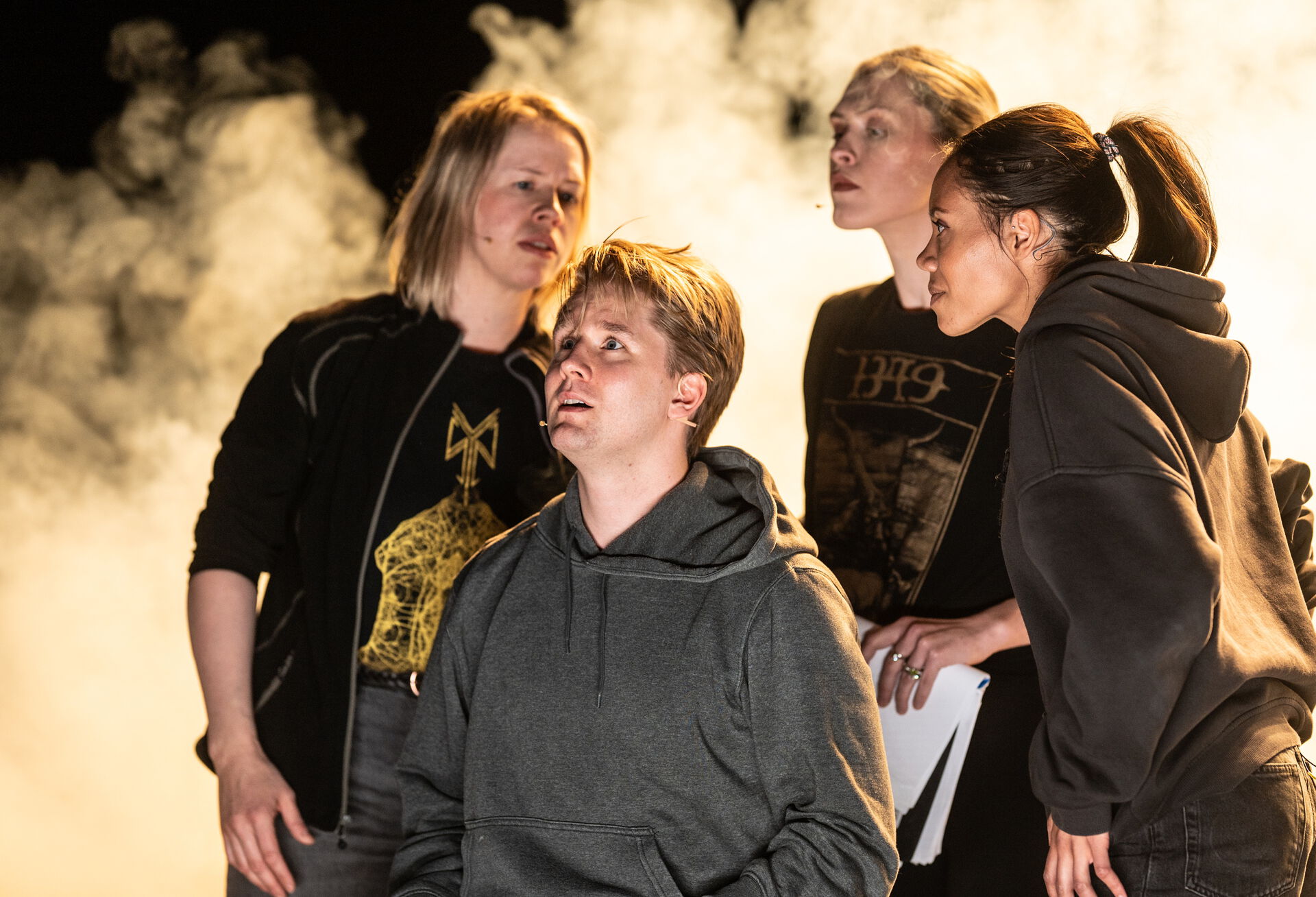
Thank you! My text Angerboda was one of three winning plays at the 2025 Norwegian Drama Festival, a biennial festival that highlights new playwrights and showcases new Norwegian drama. The ‘prize’ is a staging of a play, and my piece was directed by a professional director and performed by actors from, among others, The National Theatre of Norway. It was a real thrill to see the text come to life in that way, while the festival itself is also an important arena for meeting others in the field and sharing the work you’re doing. The whole experience was incredibly rewarding to be part of.
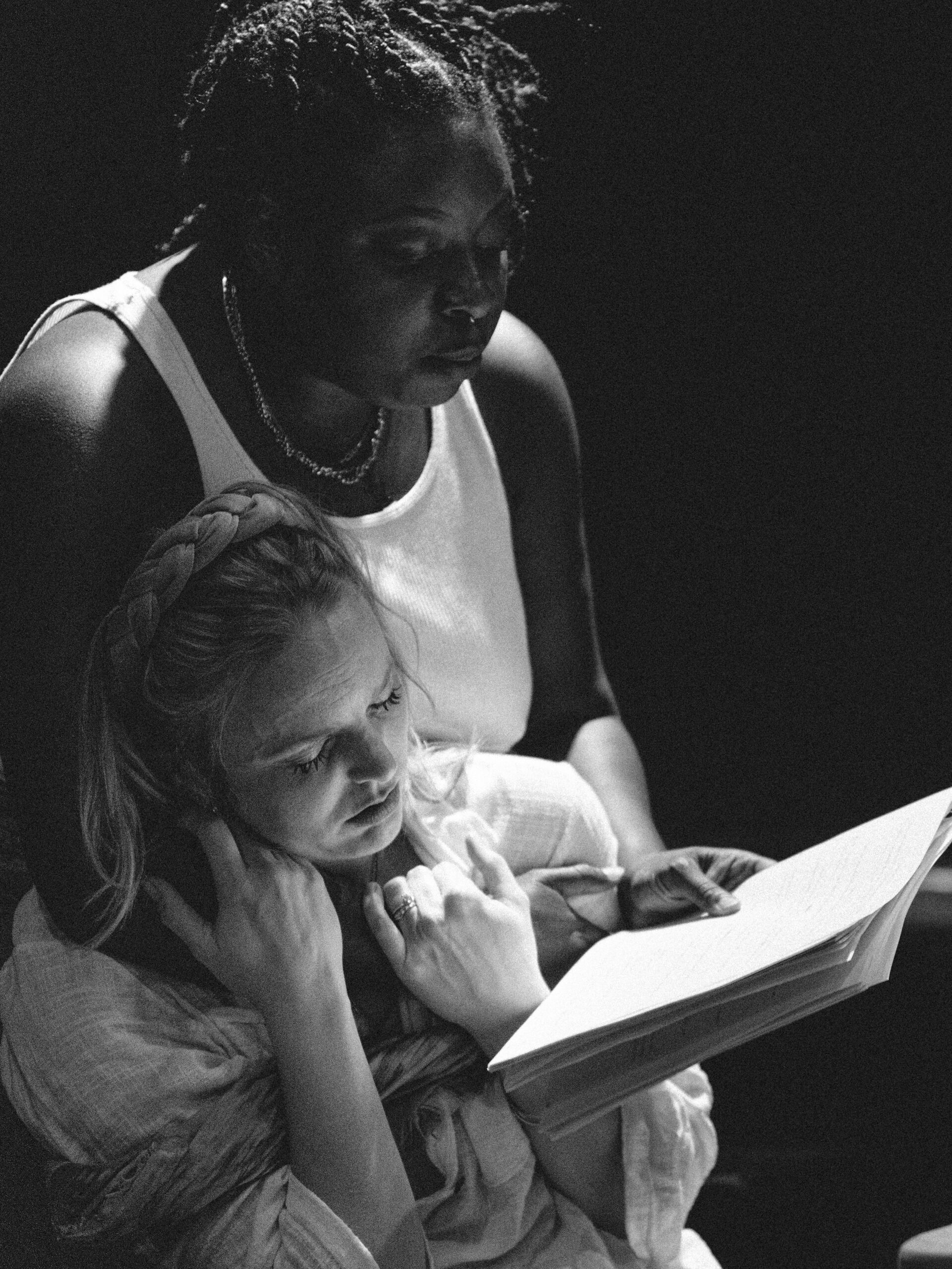
You’ve had a theatre related reading in Canada. In what context was this, and what opportunities does it open up?
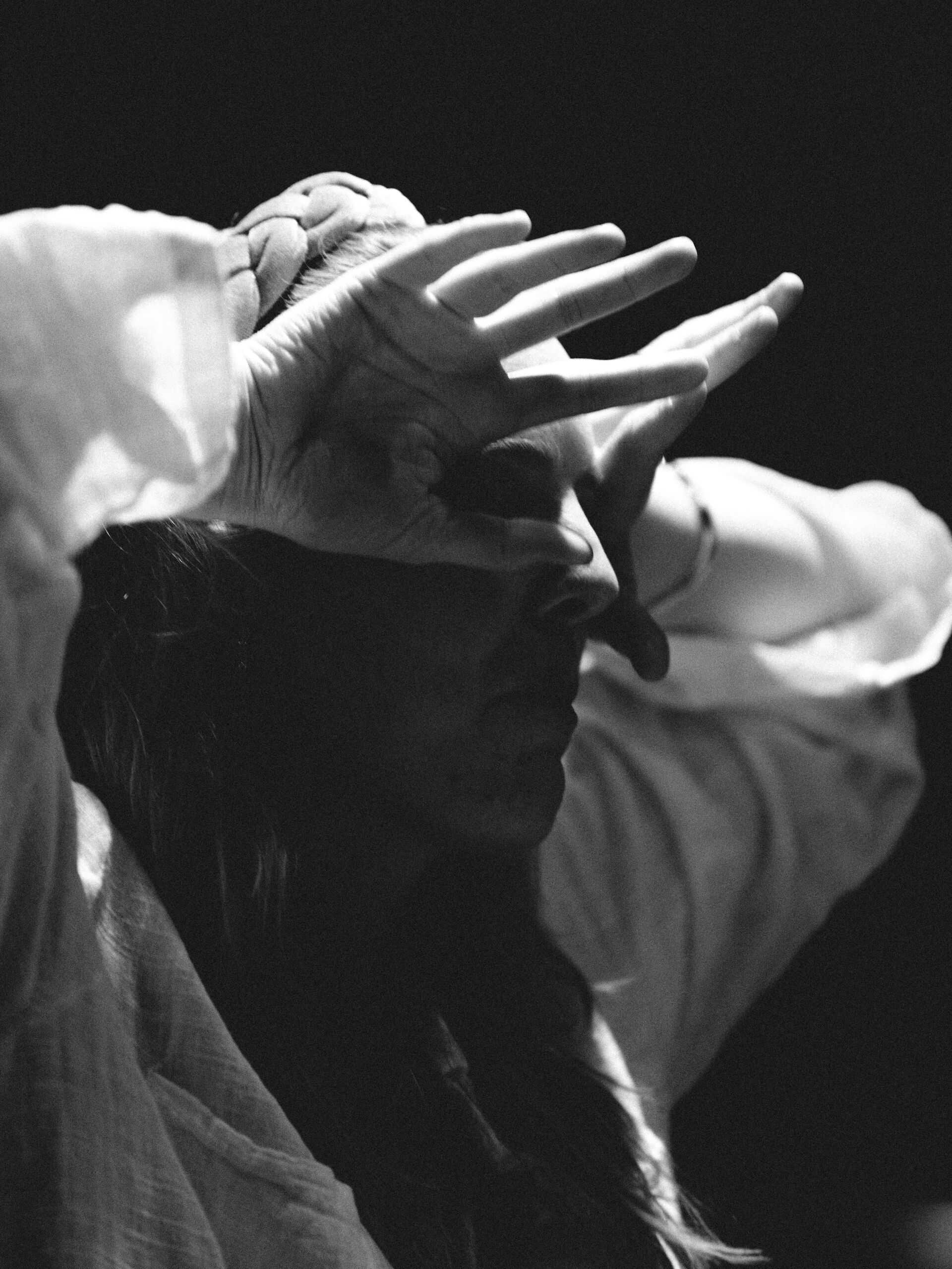
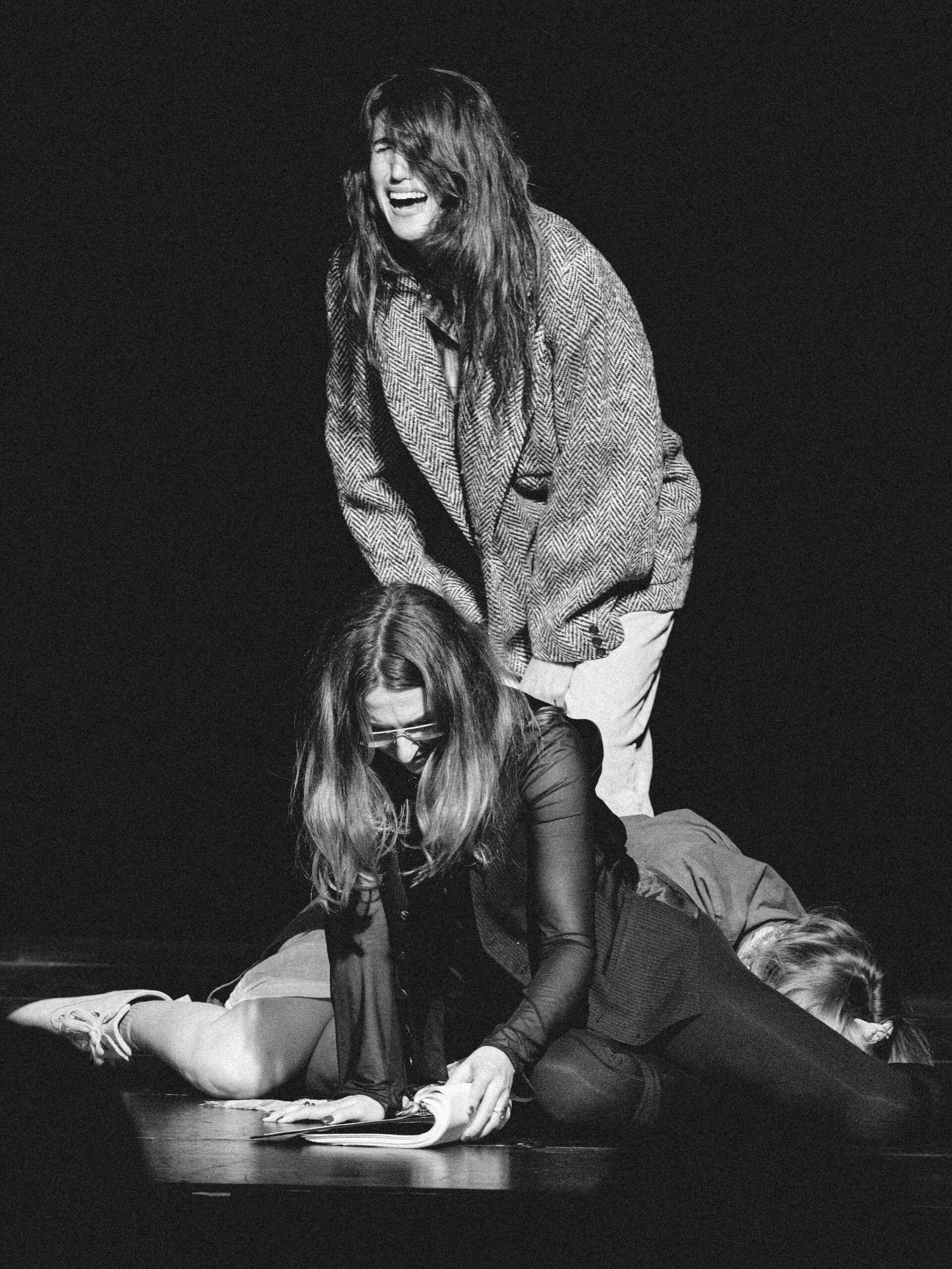
“That’s right! I had a staged reading of my play Adrasteia, which I wrote in 2023 and which was shortlisted for the Norwegian Drama Festival that same year. The reading took place at The Factory in Toronto and was produced by the Canadian performance company Quote Unquote Collective at the end of October. Their invitation also enabled me to receive translation support from the Norwegian Dramatists’ Association, and the play has now been translated into English by Kate Pendry, an artist I hold in high regard.
The reading was supported by the Norwegian Embassy in Ottawa and Dramatikkens Hus, and it has already opened up several opportunities. Among the audience were people from both the theatre and film communities in Toronto. The response was very positive, and we are now exploring a possible film adaptation as well as the potential for a full theatre production and other projects.
So how does it feel to return to the faculty and to UiA?
It’s wonderful! I’m glad to be working in a place where we’re encouraged to be active in our field outside the university as well, and where there is support and flexibility that makes such activity possible. I believe it’s important that those of us who teach in the arts also have the opportunity to create work ourselves, stay up to date, and remain closely connected to the field, so that we can bring this into our teaching, research, and development work. We in the theatre section are also launching a new course in playwriting, starting in autumn 2026, so my colleagues and I are already hard at work developing the course content. It’s incredibly exciting, and I’m really looking forward to getting started.
The performing arts have faced some headwinds since the pandemic – what do you think about the future of this arts sector?
I think we need to rethink things if the performing arts are to remain relevant to more than just the already interested. Art should engage, challenge, and open up new perspectives. It should spark curiosity and create space for reflection and wonder.
Research shows that art and culture are vital for a healthy democracy because they strengthen empathy, critical thinking, and a sense of community. That’s why we either need to bring more people into the theatre, or bring theatre out to more people, so that performing arts are present both in cities and in rural areas.
To achieve this, the independent field must be strengthened, because that is often where innovation happens and where alternative voices are given room. At the same time, we need institutions that dare to take greater artistic risks and give opportunities to artists who have something to say and who create original work. Only then can the performing arts remain relevant, necessary, and alive.