– It was incredibly rewarding to lead an event like this in a new context. What surprised me most was seeing fellow students take ownership and apply what we have learned in a real setting, he says.
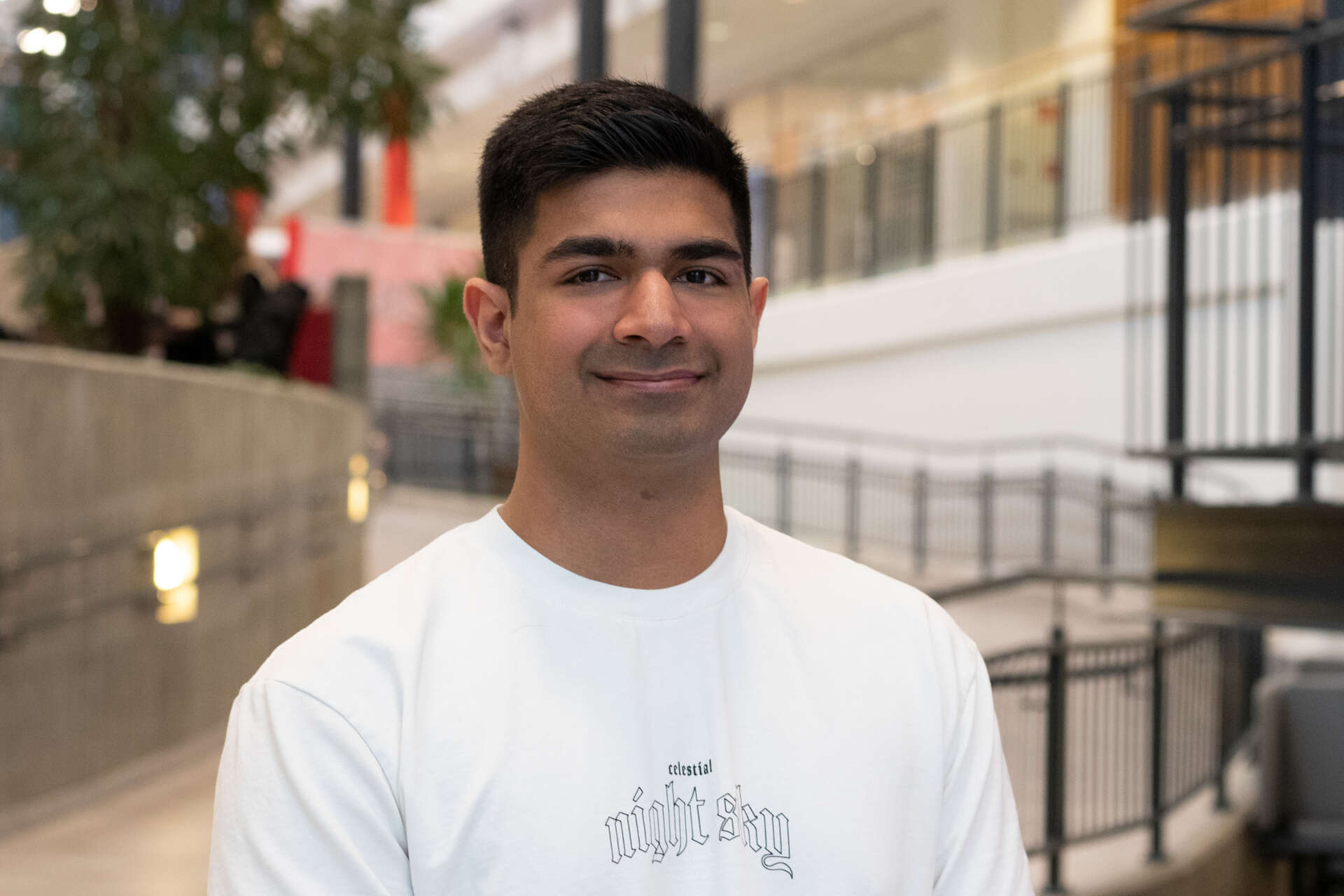
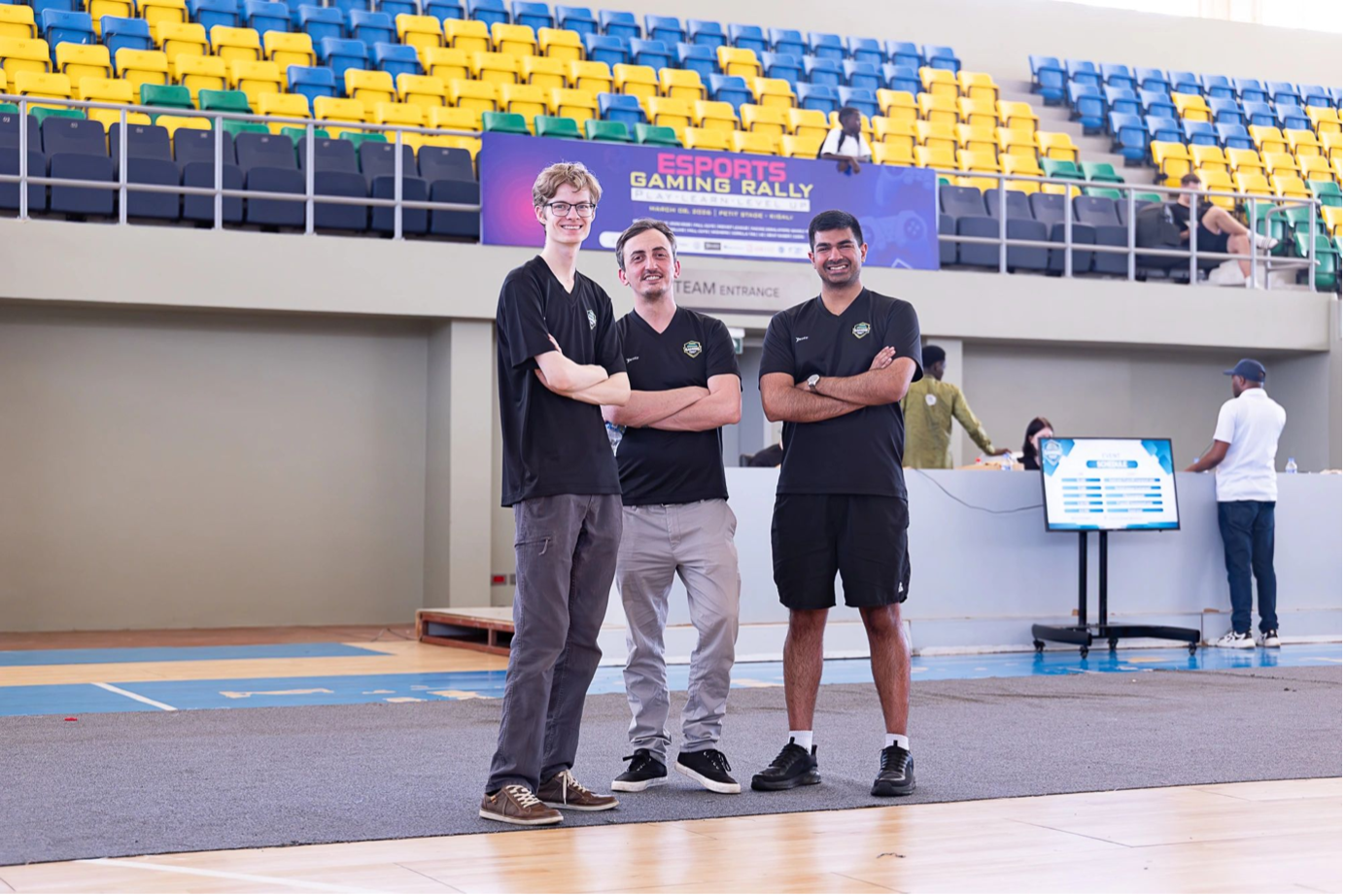
So says academic esports student Zahir Mohamed. Together with five fellow students and two UiA staff members, they recently took part in the Rwanda-Nordic & Baltic Business Forum. One of the headline events was the Esports Gaming Rally, the first of its kind to be held in East Africa. Mohamed led this event.
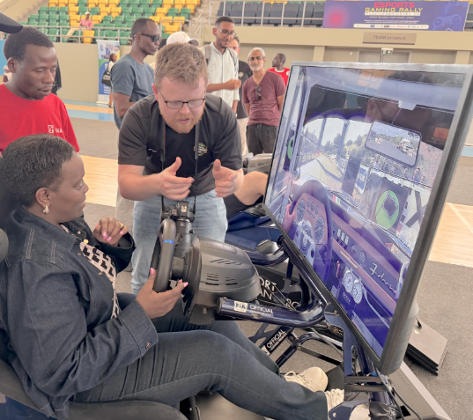
Together with their fellow students, they organised tournaments in titles such as EA FC26, F1 and Rocket League.
– The event showed that esports can be so much more than just playing games. It can bring people together, create shared experiences, and promote learning through collaboration and organisation, he says.
More than winning games
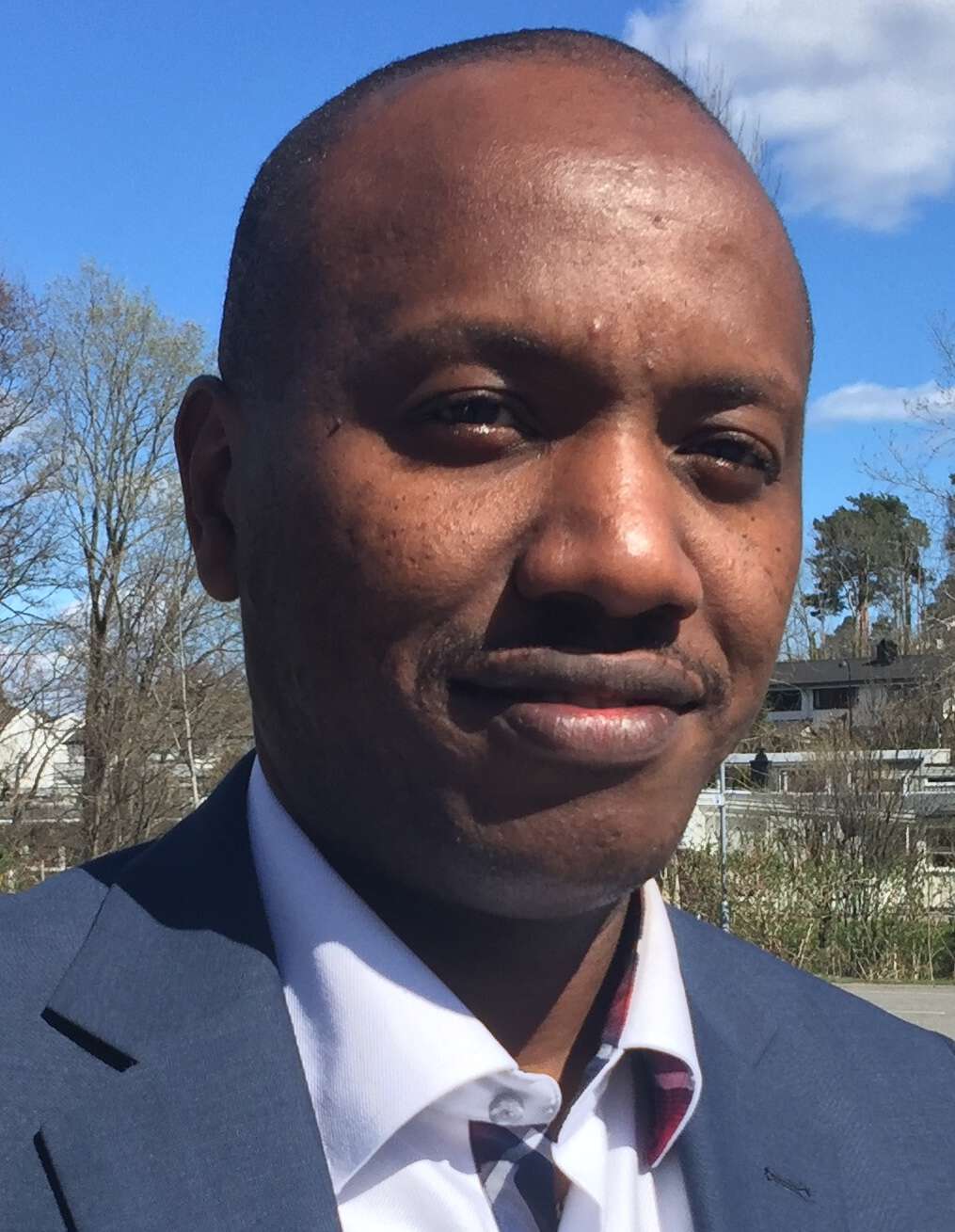
– Esports is a learning arena in which students develop competencies that are difficult to acquire in a traditional classroom, says Ghislain Maurice N. Isabwe, Associate Professor at UiA and leader of the delegation.
The Kigali trip was part of the regular degree programme, not an add-on, for the three bachelor’s students in academic esports and the three master’s students in multimedia and game technology.
The students led several events, coordinated participants from different countries, and dealt with things that did not go to plan.
– This is precisely the kind of experience UiA wants to give its students. Professional esports event management is growing globally, and the need for people who can run such events in an international context is significant, says Isabwe.
Students as teachers
The Rwanda-Nordic & Baltic Business Forum welcomed over 250 participants from Rwanda, Norway, Sweden, Finland and Denmark.
Alongside the tournaments, UiA ran a collaboration with the University of Rwanda. Atdhe Bozhdaraj from UiA and UiA student Niklas Vezina led a hands-on workshop on game design and development, in which participants from Rwandan higher education institutions were introduced to game engines such as Unity and Godot. Bjørnar Helle Mjølsnes, Teo Aanonsen, Ingrid Buskmand, Ralph den Nederlanden and Zahir Mohamed also contributed.
What made the programme distinctive was that the UiA students themselves took on the role of subject communicators.
– I learned a great deal more about game design through this process, but also about teaching others. That has always been something I am interested in, says Ralph den Nederlanden, who is studying for a master’s degree in Multimedia and Game Technologies.
Everyone had to adapt subject content for a new audience in a different cultural context. The students report that the cultural dimension was at least as important as the academic content. The ability to work in international teams and communicate across cultural boundaries is something they would not readily have acquired at home.
Esports as a tool for society
The UiA delegation also contributed to the Business Forum with a presentation and participation in an expert panel. Here, esports was put forward as something more than an industry.
– Esports can be a potential tool for job creation and social inclusion. We need to see the potential in the esports sector, not just for the individual student, but as a driver of digital skills at a societal level, says Isabwe.
The panel emphasised that this requires collaboration between academia, government and business. Isabwe highlighted in particular the need for long-term investment.
Lasting academic ties
The Kigali initiative is not a one-off project. UiA has built up partnerships with the University of Rwanda, INES Ruhengeri and Rwanda Polytechnic over time, supported by the UiA project Transformative Education and Lifelong Learning for Sustainable Growth (TELLS) and Rwanda’s embassy in the Nordic countries. The project is funded by NORAD/NORHED II.
The aim is academic collaboration that endures, with the possibility of joint projects and research across national borders. Nordic countries such as Finland and Sweden have been identified as potential future partners.
– We want to build lasting ties, not just make a trip and go back home, says Isabwe.