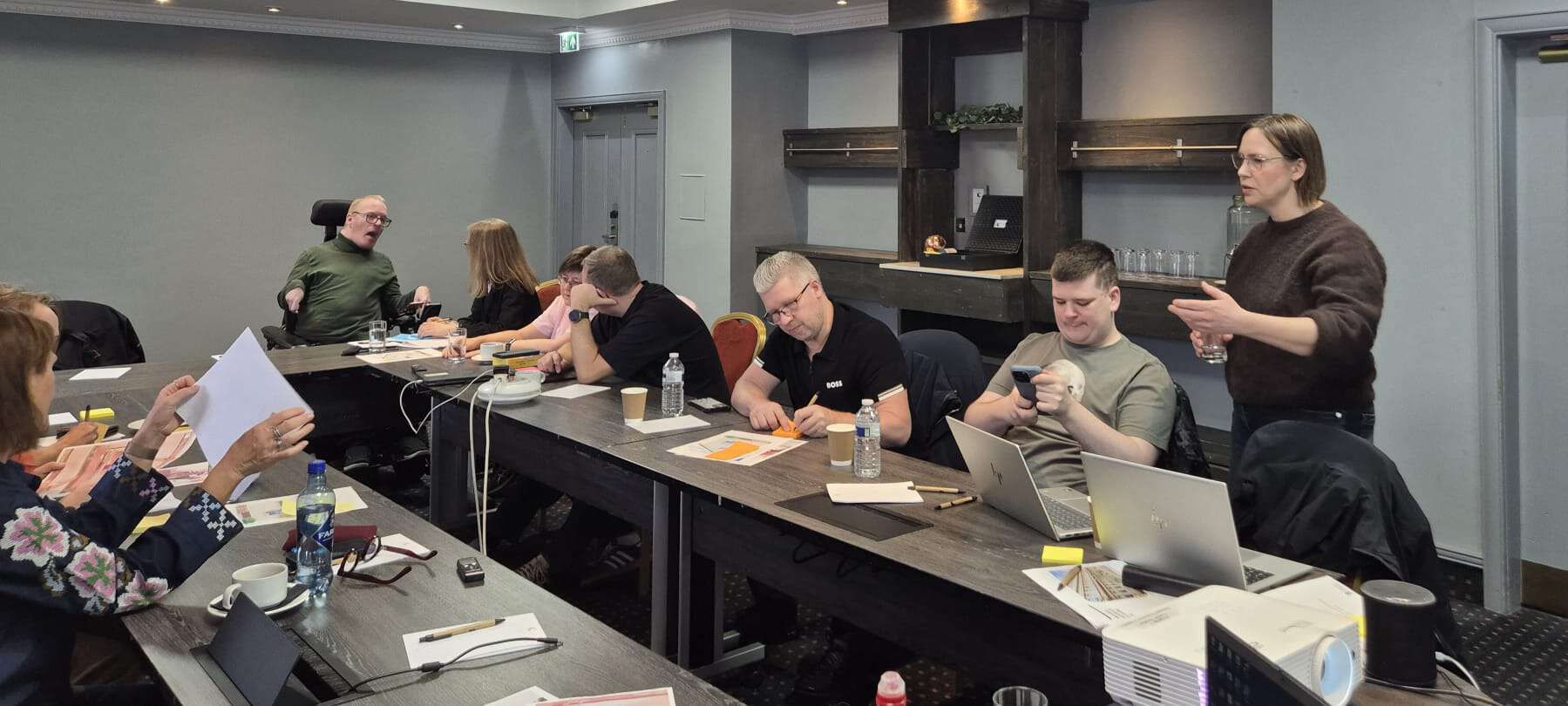
The initiative is led by researchers from the University of Agder and the National Competence Centre on Intellectual Disabilities (NAKU/NTNU) in Norway, together with colleagues from the School of Health & Wellbeing at the University of Glasgow in Scotland. The workshops are organised as part of an international consortium preparing a proposal for an EU Horizon call focusing on innovative healthcare interventions for non-communicable diseases. The call also emphasises the importance of involving patients and caregivers throughout the research process so that their needs are properly addressed.
Participants with ID and their informal carers are therefore not invited into the proposal as symbolic participants, but as active contributors helping to shape research ideas.
Need for better knowledge about cardiovascular health in people with ID
CVD is the leading cause of death among people with intellectual disabilities. Research shows that 42 percent of cardiovascular deaths in this group are considered avoidable, compared with 22 percent in the general population.
Although life expectancy has increased in recent decades, people with intellectual disabilities still live on average about 20 years shorter than the general population. Limited access to timely healthcare and preventive services plays an important role in this gap.
Researchers involved in the consortium previously carried out a pilot study in Norway. The study found that many participants with intellectual disabilities, particularly those with severe or profound disabilities, were unable to complete common diagnostic tests such as blood tests, ECG and blood pressure measurements. These tests are normally essential for assessing CVD and risk. This suggests a need for less invasive diagnostic methods that are better suited to people with intellectual disabilities.
Inclusive research methods in practice
Inclusive research methods were used during the workshops to ensure that participants had genuine opportunities to express their views and experiences. Participants and carers contributed directly to discussions about how a future study on minimally invasive tools for cardiovascular risk and disease assessment should be designed.
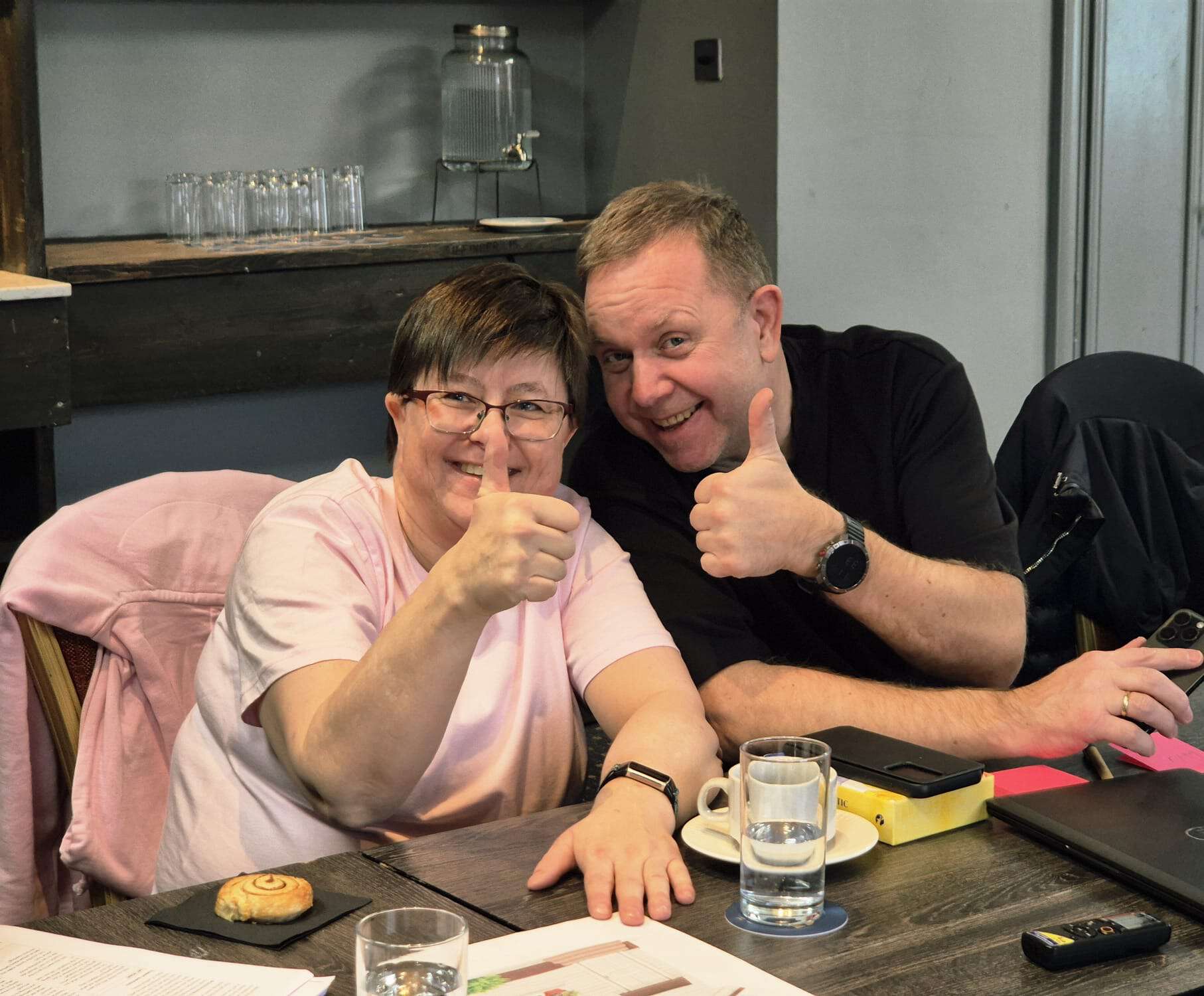
One of the methods used was visual facilitation. For example, participants took their own photographs to explore topics they considered important, and the images were later used to support discussions with the research team. This approach helped researchers better understand how participants experience healthcare encounters and communication with clinicians. It also revealed how diagnostic tests can be stressful or difficult for some people.
Project leader and associate professor Ellen M. I. Ersfjord at the University of Agder says the workshops helped reveal barriers that are often overlooked. These barriers may include communication challenges, diagnostic overshadowing, anxiety in clinical settings, and the importance of trust in interactions with healthcare professionals.
- It is extremely important to consider the lived experiences of people with ID and their carers when designing such a study, Ersfjord says. For example, we have received input on how we should proceed methodically when testing minimally invasive tools for cardiovascular disease and risk in people with ID.
For us, the workshops were a unique and emotionally powerful experience that gave insight into the many challenges and barriers that people with ID and their relatives may encounter
Meaningful involvement during the project
A central part of the Glasgow workshop was a session led by Aaron Hume, a participant with intellectual disability from Scotland.
He raised an important question: How should people with intellectual disabilities participate in an advisory board that provides guidance to researchers during the project?
Drawing on lived experience and previous advisory work, Aaron and the group discussed what meaningful participation could look like in practice. Participants emphasised that advisory boards should not simply demonstrate inclusion. Instead, lived experience should influence real decisions in the research process.
The group also discussed the power relations that can exist between researchers and participants. Many researchers, they noted, have limited experience working with people with intellectual disabilities. This makes lived experience particularly valuable.
Some participants suggested moving beyond the term “advisory board”. Alternatives such as an expert panel or an action group could better reflect a structure where people with lived experience actively shape research activities rather than only commenting on them.
Looking ahead
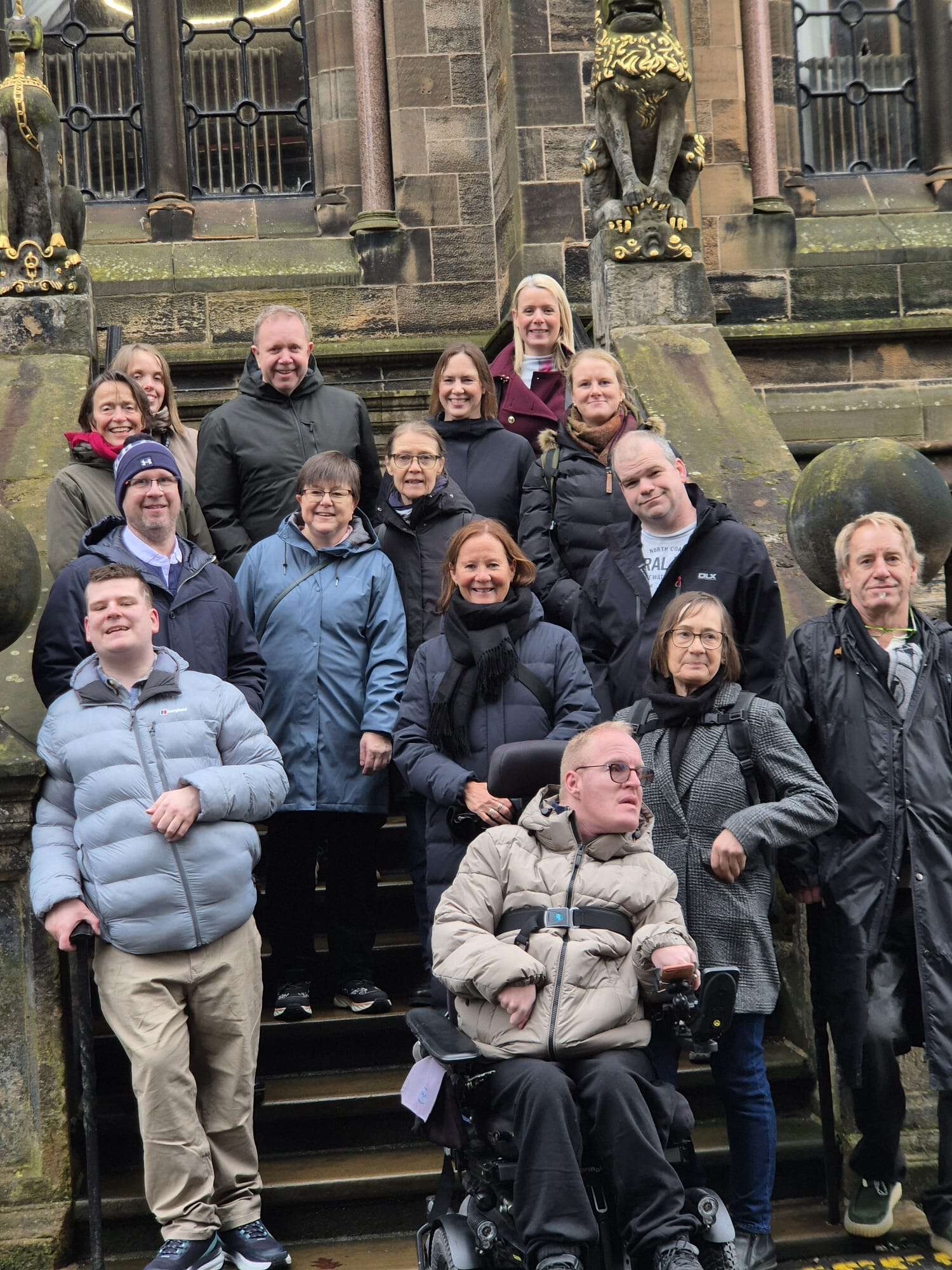
The workshops helped strengthen collaboration within the consortium and provided valuable input for the development of the Horizon proposal.
A relevant horizon funding call has already been identified, and the research team is continuing to refine the project ideas together with partners and workshop participants. The aim is to further develop research on cardiovascular health that takes into account the needs, experiences and perspectives of people with intellectual disabilities and their carers from the very beginning and throughout the project.
Researchers involved in the workshop
Associate professor Ellen Ersfjord - University of Agder, Norway
Associate professor Kim Berge - National Competence Centre on Intellectual Disabilities (NAKU/NTNU), Norway
Associate professor Aud Elisabeth Witsø - National Competence Centre on Intellectual Disabilities (NAKU/NTNU), Norway
Professor Deborah Cairnes - School of Health and Wellbeing, University of Glasgow, Scotland
Research fellow Arlene McGarty - School of Health and Wellbeing, University of Glasgow, Scotland
Credit
This project is funded by Foundation Dam (grant number SDAM_HEL692877) and The Norwegian Association for Persons with Intellectual Disabilities (NFU).