Global Development Studies
KristiansandExplore the world and gain an understanding of global development through studies and fieldwork in different countries.
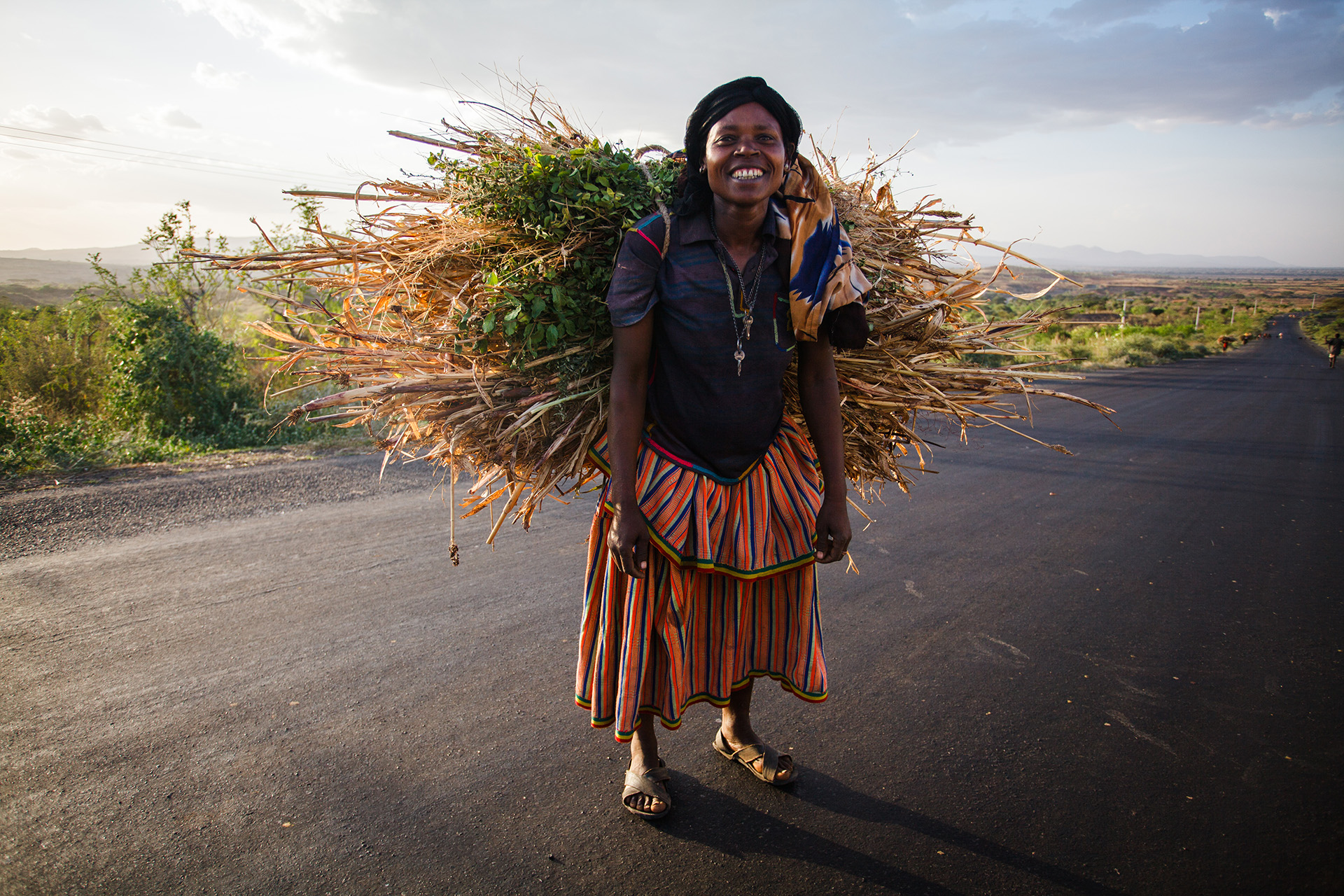
Facts about the program
- ECTS credits:
- 60
- Duration:
- 1 year
- Mode of study
- Full-time
- Semester:
- August 2027
- Application opens:
- 1 February
- Application deadline:
- 1 March / 15 April
- Student places:
- 25
About the programme
Throughout the year, you will acquire both theoretical and practical knowledge through lectures, group work, and a field course. This program is well-suited for individuals who are motivated and committed to making a meaningful difference in the world, but who do not wish to commit to a three‑year bachelor's degree.
What will you learn?
In this program, you will learn about global development issues with a focus on poverty, economic growth, and social, cultural, and political change.
You will gain knowledge about the connections between power, aid, and conflict, as well as the factors that create and maintain differences in social and economic development.
Teaching methods
Teaching language: English.
Lectures, seminars, and group work are included in most of the courses in the study program. The programme also offers excursions, field visits, and dialogue meetings as part of the teaching in some parts of the programme. The program addresses current issues and connects theory to current media coverage and ongoing debates. Guest lecturers from the public sector and humanitarian organisations connect the programme to practical fields.
Field course
In the spring semester, you will have the opportunity to participate in a four-week field course in Uganda/Tanzania, Sri Lanka, or Norway. During the course, you will receive instruction at our partner universities, visit various organisations and institutions, and spend a few days in a local community to gain insight into daily life there. The field course allows you to see the connection between theory and practice.
Participation in the field course in Tanzania/Uganda and Sri Lanka costs approximately NOK 15,000 as a personal contribution, in addition to expenses for airfare, vaccinations, travel insurance, and some meals. The field course in Norway includes two weeks of mandatory instruction, first in Kristiansand and then 2–3 days in Oslo.
Learning environment
You will become part of an international study environment with a strong social community.
All students in the program are connected to the student association Pangea. Student associations are organisations for one or more specific study programs and bring together students within a field across different year groups. The association organises both academic and social activities, and you can contribute by taking on a role. You can also participate in a wide range of other student activities regardless of your program.
Career prospects
A degree in global development studies opens up opportunities for jobs in administration, planning of development cooperation, humanitarian work, and volunteering organisations working on development projects. You can also work with international cooperation and information work in public or private organisations. Alternatively, you can engage in work with immigrants, refugees, case handling, or administration in the public sector.
What can I do with my degree?
A degree in global development studies opens up opportunities for jobs in administration, planning of development cooperation, humanitarian work, and volunteering organisations working on development projects. You can also work with international cooperation and information work in public or private organisations. Alternatively, you can engage in work with immigrants, refugees, case handling, or administration in the public sector.
Further studies
The program can be included as an elective unit in various bachelor’s degrees at UiA. Thus, you can combine your studies with other fields such as economics and social sciences, media, history, and languages. The one-year program in Development Studies is identical to the first year of the bachelor’s degree. If you wish to continue, you can apply to progress to the bachelor’s degree in Development Studies.
What is it like to be a student on this programme?
Chat with our students. Student chat
Learning environment
You will become part of a social and international student community and can engage in the program's own student organisation, Pangea, as well as active interest groups at UiA.
All students are connected to the student association Pangea. Student associations are organisations for one or more specific study programs, and bring together students within a field of study across different academic years. The student association organises both academic and social activities, and you can contribute by taking on positions of responsibility. You can also participate in a variety of other student activities regardless of your field of study.
See what you can get involved in:
Being a student in Kristiansand
Kristiansand is a lively student city with around 110,000 inhabitants and more than 10,000 students. Housing is relatively affordable, with several hundred student residences both on campus and between campus and the city centre.
There is such a good atmosphere and people are so welcoming! I do not think I have met a single person who is not happy with Kristiansand as a student city.
- Fredrik, student in Kristiansand
Get to know Kristiansand and UiA:
Admissions
Application period
- EU/EEA applicants: From 1 February to 1 March.
- Nordic citizens and applicants with a permanent or renewable residence permit in Norway: From 1 February to 15 April.
Admission requirements
Entrance requirements are the Higher Education Entrance Qualification for international applicants and certified language requirements in English.
Higher Education Entrance Qualification
The general basis for admission to universities and university colleges in Norway is called the Higher Education Entrance Qualification. You may find what is considered university entrance qualifications from your country in the 'GSU' list. This list states the basic requirements for admission to higher education in Norway. Please download the latest version of the 'GSU' list from this website.
How to apply
The Section for Admissions at UiA can answer questions about the application process. For questions about the programme itself, please contact your faculty. See the contact details at the bottom of this page.
Contact the Section for Admissions
Phone: +47 38 14 15 64
Phone hours: Monday - Wednesday - Friday 9:00 - 11:00
Contact

- siv.i.kolstad@uia.no
- Phone
- +47 38 14 11 37

- eric.kimathi@uia.no
- Phone
- +47 38 14 10 19