Ole-Martin Melleby Haug
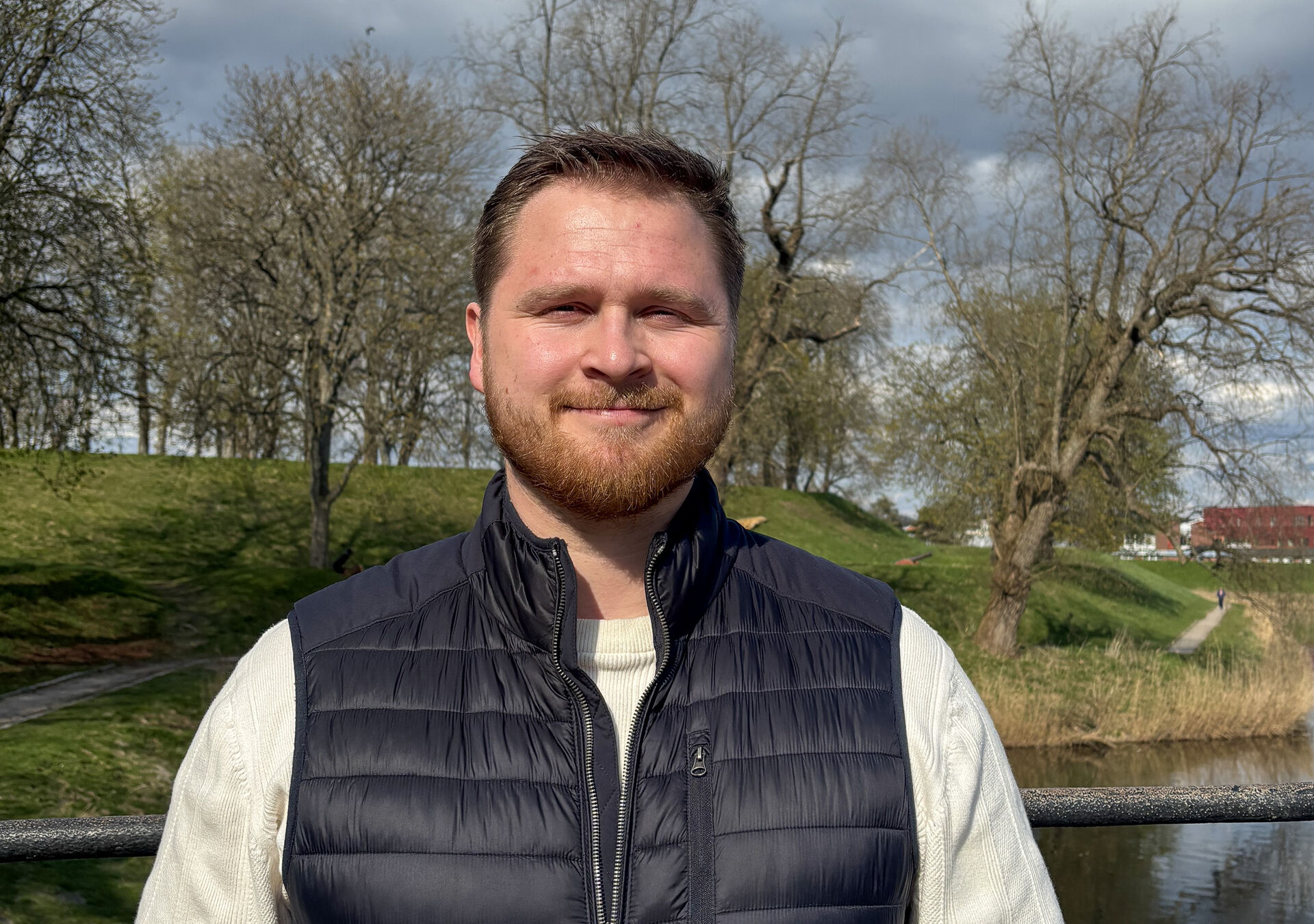
- Job: Senior Executive Officer
- Employer: Agder Police District, Immigration Administration Section
- Graduated from UiA: 2023
Study programme:
How did you get a job after your studies?
I started looking for work while I was writing my master's thesis, and stepped up my search once the thesis had been submitted. When I applied for the position at Agder Police District, I hadn't realised that my degree qualified me for that kind of job. I was fortunate enough to be invited to an interview as early as August 2023, and was offered a temporary position later that autumn. Since 1 January 2025, I have held a permanent position.
The transition from studying to working was more demanding than I had expected. Adapting to new ways of working and thinking has taken a lot of energy. The job also requires extensive knowledge across several areas, which has been challenging, but also incredibly rewarding.
What do you do in your job, and how do you use your education?
We receive and process applications for various types of residence permits, answer enquiries through our advisory service and conduct interviews for a range of case types. We also work on establishing identity, revoking permits granted on false grounds, and preventing forced marriage, among other things.
My degree and my time at university taught me to think critically and form my own opinions. One of the most important ways my master's programme prepared me for working life was by building my capacity for hard work and my ability to gather and process large amounts of information. Most employers will have high expectations in this regard.
Did you have a clear career plan as a student?
No, I didn't. My plan was to finish my degree first, then work out what I could do and apply widely. That's why I was so surprised to discover that social scientists could work in the police. As soon as I saw that, I knew it was the job I wanted. I spent a lot of time writing a strong, relevant cover letter and was lucky enough to be invited to an interview.
What was it like studying at UiA?
I quickly grew fond of Kristiansand. I hadn't been there as an adult before I moved, and I didn't know anyone. Even so, I soon felt at home and have never regretted moving south.
Looking back, I sometimes miss student life and the freedom to plan my own days.
What did you value most about your studies?
From the very first semester of the master's programme, there was a strong emphasis on group work. I really liked this, as our class was very small and we got to know everyone within the first few months. It was also great that everyone seemed motivated to contribute and put real effort into their groups. I think group work can be especially rewarding at master's level, because it's clearer that everyone has chosen to be there. My experience during my bachelor's degree in Oslo had been rather different, so I was pleasantly surprised by how much I enjoyed it.
This has also proved very useful in my job, where we often need to work together to solve the tasks and cases we are given.
Why did you choose this programme?
When I was applying for master's programmes, I wasn't sure what I wanted to do. This programme seemed varied and opened doors to many different areas of the job market. I have also always been interested in globalisation, development and migration, and thought I might enjoy working in those fields. So the programme was a good match for what I was looking for.
Would you recommend the programme?
Definitely. A master's degree in Global Development covers so many fascinating and topical issues, and gives you the chance to learn across a wide range of subjects. I'd also say that the programme qualifies you for jobs you might never have considered – I think I'm an example of that myself.
Do you have any advice for future students?
- Be prepared for the transition from studying to working to be challenging. Even if you have long days and work hard as a student, working life can present entirely new demands. That's why I think it's important to be kind to yourself and let the learning process take the time it needs. At the same time, starting work is really exciting – you meet so many talented people and make new friends.
- Be patient: it can take a while to get interviews and land a job. I think I sent 20–25 applications without hearing anything back. So try not to let it get to you if you don't get the response you'd hoped for. Eventually, you'll find your way into the job market and things will become clearer.
Read about Global Development, Crisis and Change