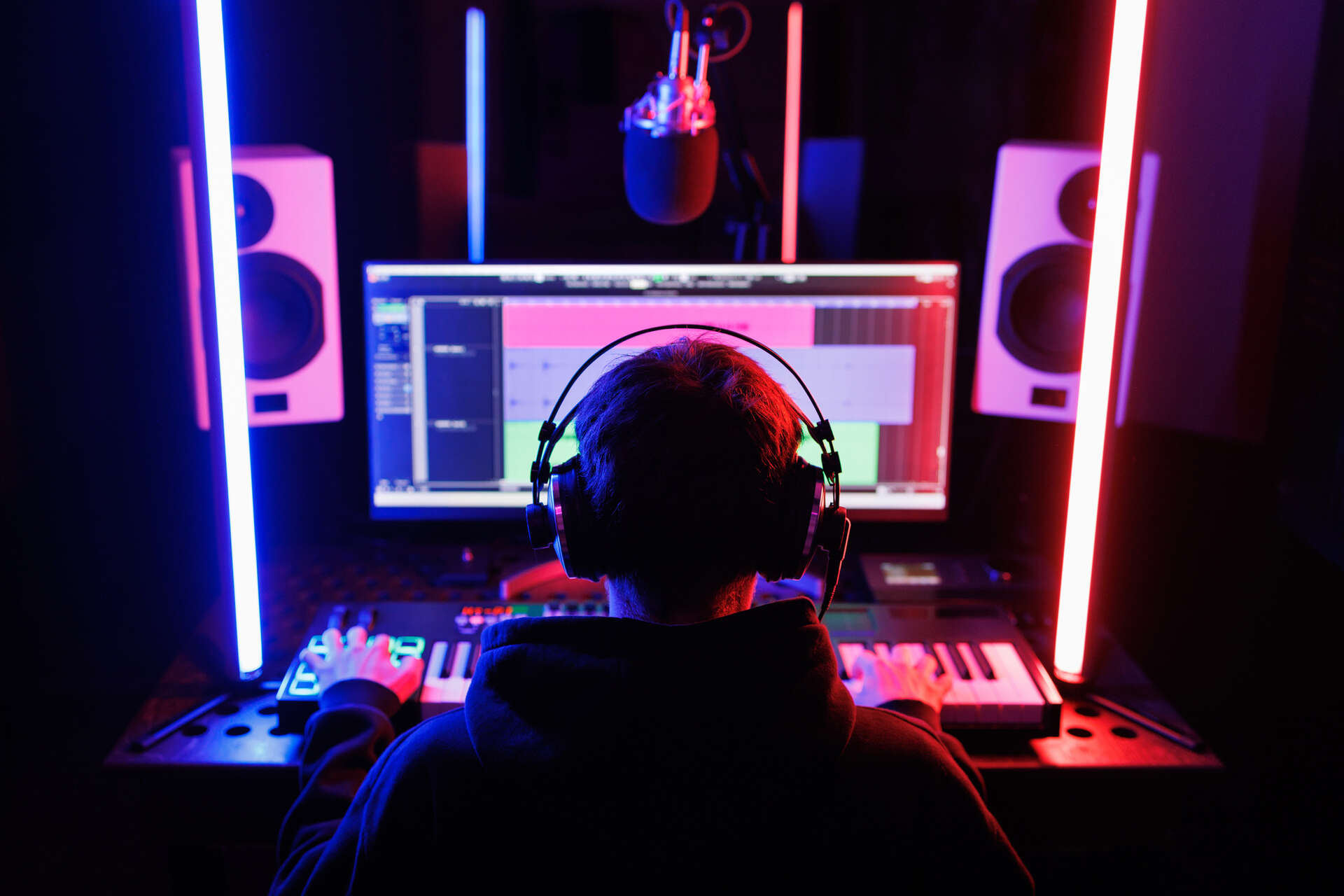
When music students are asked what they find most difficult about making music on a computer, they rarely mention mixing or sound design. The biggest challenge is finishing their songs.
“I was interested in understanding the reasoning behind the choices I make as a musician, but also in challenging those choices and expanding what I see as possible,” says Andreas Waaler Røshol.
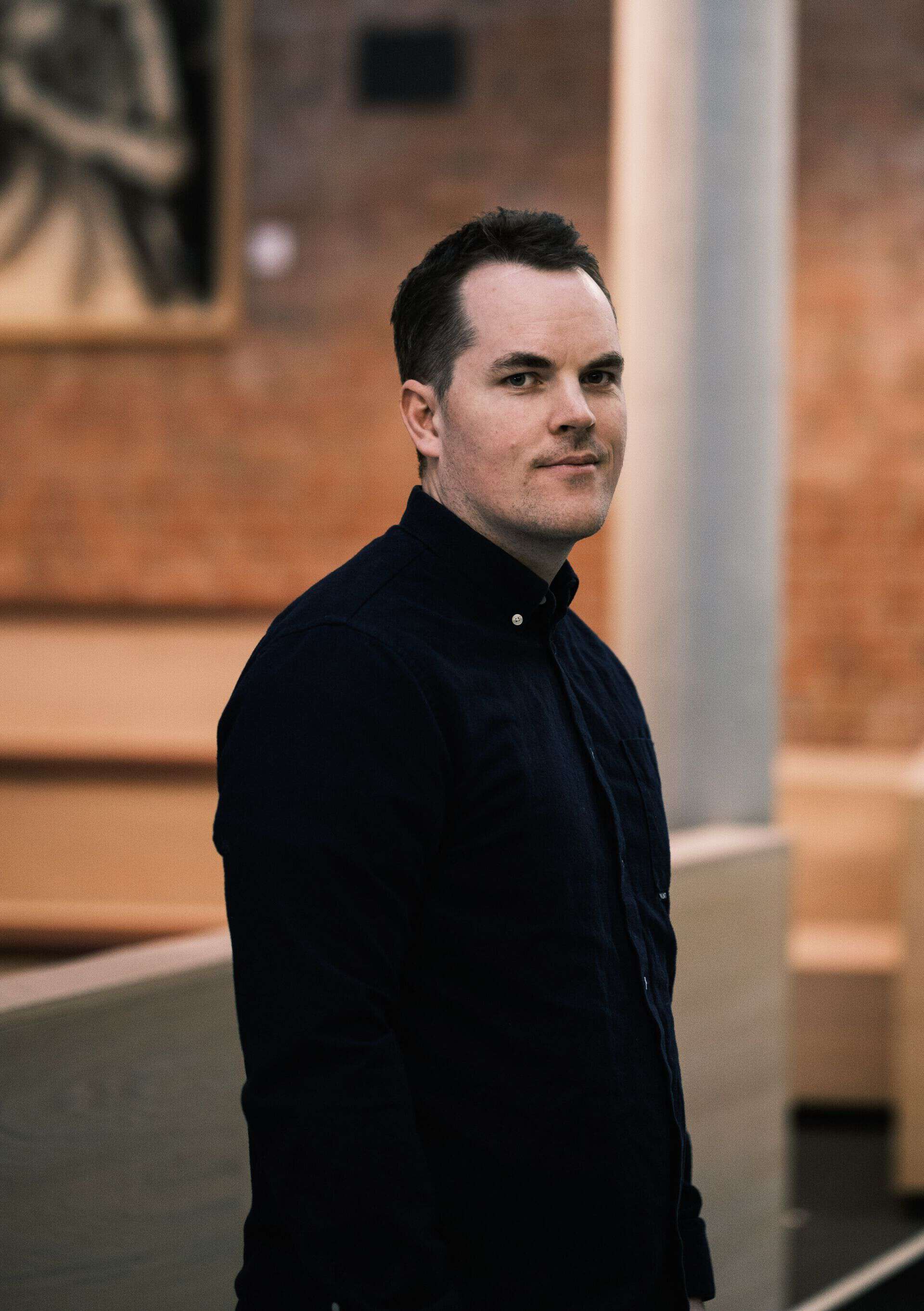
Røshol has been making music on a computer since he was ten years old. Today, he is an Associate Professor at the Department of Popular Music at the University of Agder, and has recently completed a doctoral degree in music production.
In the study, he draws on his own practice as an artist and producer as the foundation for his research. He uses three key concepts to explain his findings: hauntology, overproduction, and what he refers to as “poetic belief”.
Computers remember everything
The first concept concerns the role of the past in music. Røshol uses the term “hauntology”, an idea drawn from the philosopher Jacques Derrida and later popularised within electronic music by cultural critic Mark Fisher.
“When you work with music on a computer that has a perfect memory, you have access to everything you’ve done before. You can retrieve fragments from earlier collaborations and recombine them in new ways,” says Røshol.
Unlike a songwriter composing on the guitar without saving versions along the way, the computer stores every single version of a song as it develops. This creates a vast archive of ideas. But it also makes it harder to let go of what has come before, whether that’s an earlier version of a track or the wider history of music.
“The experience of a song or a chorus depends on what came before, what follows, and what we expected to come. In many ways, what you hear now is haunted by what lies behind in the composition,” he says.
The trap of overproduction
The second concept is overproduction. When one and the same person is songwriter, producer and artist, the temptation to add more layers of sound can be even greater. Often, it’s not necessarily about improving the music, but about making oneself less exposed.
“If you have a vocal without any processing, there’s very little to hide behind. When you add a lot of embellishment, it can make it harder for the listener to connect with the emotions beneath,” says Røshol.
He points out a paradox: the more technically skilled you become as a musician, the easier it is to build defences around the vulnerable aspects of your music. Early versions of a track often carry more immediate emotional impact.
“Overproduction costs you nothing but time. It’s very easy to add a new idea. But sometimes the early versions are better, precisely because you haven’t had time to overthink them,” he says.
Music to lose yourself in
The third concept is what Røshol calls “poetic belief”: the listener’s willingness to surrender to the music.
“You want to be able to listen and feel that the music invites you simply to experience it, without overthinking,” he says.
The opposite happens when you become too aware of the individual elements at the expense of the whole, whether it’s a lyrical cliché, an unusual pronunciation, or a sound you’ve heard too many times before.
Røshol believes the key lies in balancing the familiar with the new. If the music is too easily linked to something you’ve heard before, it becomes uninteresting. But it cannot be too unfamiliar either.
In sound design and songwriting alike, it is often about not steering interpretation too strongly in one direction, but instead opening a space where the listener can step in, reflect, and immerse themselves. This is where the imagination is activated, he explains.
A future with AI
Røshol observes that many of the students he teaches must navigate an ever-expanding range of possibilities when producing music. This can make it even harder to determine when a track is actually finished.
“As the tools become more advanced, it becomes even more important to know what you’re listening for and what you consider important. When artificial intelligence can also offer suggestions and solutions, the ability to evaluate and choose becomes even more crucial,” says Røshol.
He sees no indication that artificial intelligence will make music production easier. It may become easier to get started, but deciding what to keep will remain just as demanding.
“Artificial intelligence doesn’t necessarily make music production easier. Rather, it expands the range of possibilities available on the computer, making it even more important to know what you want to keep, develop, and stand by,” he says.
He believes this makes education all the more important in helping musicians develop artistic judgement and a distinct voice that goes beyond the most generic solutions.
Røshol is now working on turning his research into a book. He also teaches as programme leader for the bachelor’s degree in electronic music at the University of Agder.