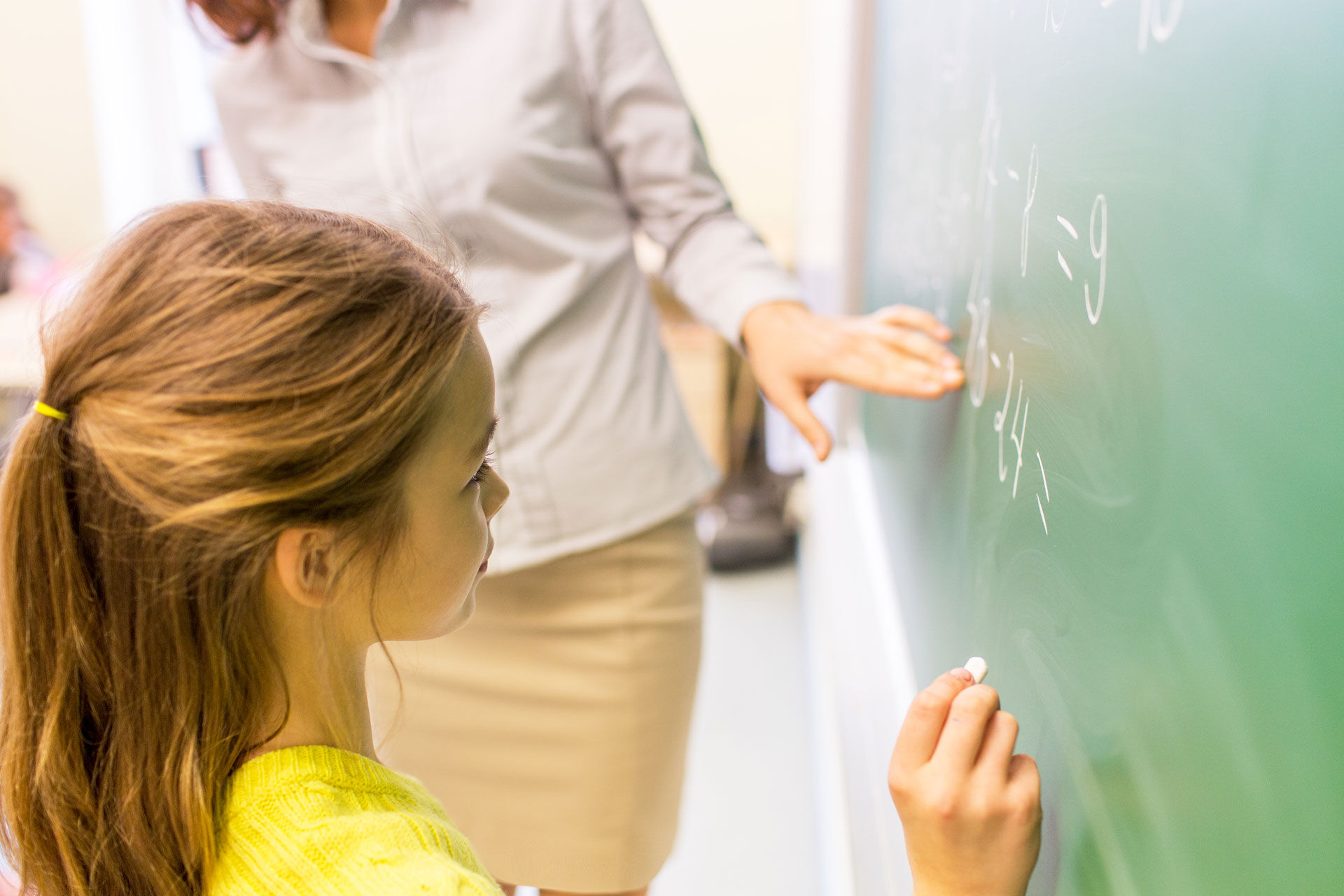
Teacher education often receives criticism for being too theoretical. Many students lack more training in how to teach in practice when they enter schools.
They now receive this at the University of Agder (UiA) through Amalie Sødal's teaching.
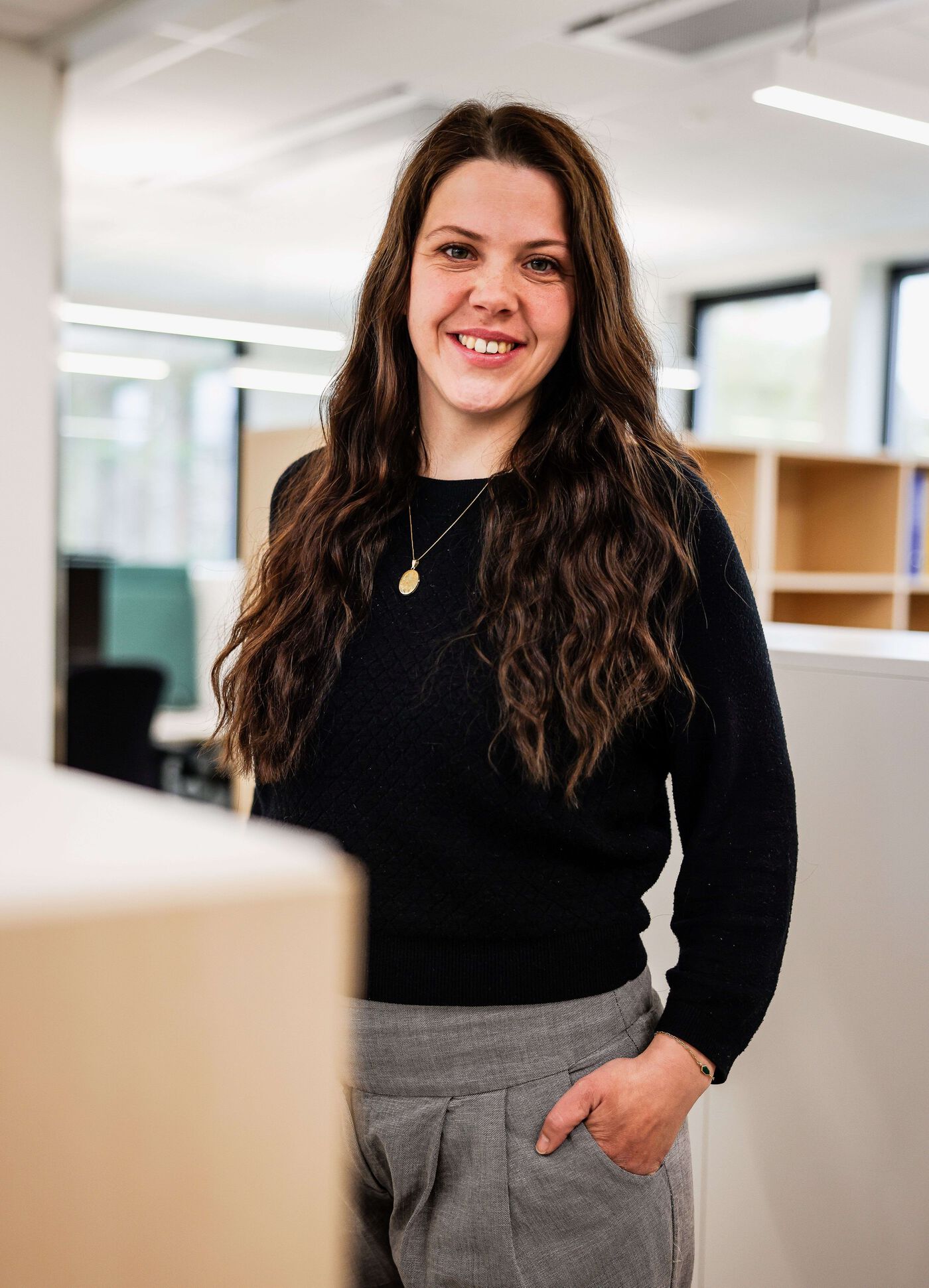
She researches teaching methods in mathematics and recently completed her doctorate with a thesis on teaching mathematics.
"All teachers gradually develop a resource bank for various subjects they teach. With this programme, students get a range of different methods for teaching pupils maths from day one as teachers," says Sødal.
The resource bank is a collection of various tasks, activities, reflections and thoughts about learning and teaching. Additionally, it contains tips about research literature that provides practical advice on good lessons.
"The resource bank should help with the transition from student to teacher, from one's own learning to teaching and instructing others," says Sødal.
Ownership of teaching
The researcher hasn't created one resource bank for all students; the students have themselves created their own resource collections – under Sødal's guidance.
She says it's rather useless to inherit teaching programmes from others.
"You can learn from others and let yourself be inspired, but teaching becomes best when you yourself think through details and the whole from the ground up. This way you get ownership of the teaching. You get the material under your skin and become more confident when you teach," she says.
The students have thus themselves decided what should be included in the resource bank. They have themselves formulated how the various teaching and learning programmes can be used in school. Additionally, they have written down which theories and sources underpin the measures.
"A resource bank shouldn't just be a collection with many tips. It should be personal resources that reflect back to the teachers and their thoughts about mathematics," says Sødal.
Between theory and practice
During her doctoral work, Sødal worked with seven students. They each developed their own resource bank over one year.
The results show that the resource bank can build bridges between theory and practice and improve teaching. Sødal highlights three benefits of working this way:
- Self-insight and self-confidence: Students discover how they themselves think about teaching mathematics, how they can use this in practice and become more confident in the classroom.
- Testing and adjustment: Different ways of teaching are tried and adjusted along the way when students are on placement at a school.
- Theory and practice: The resource bank teaches students how they can use various theories to support different methods and activities in teaching.
Feel professional
"After students have worked with the resource bank for a whole year, they're left with a sense of professionalism. They feel they master the field, and that they've gained useful baggage and a certain weight as maths teachers," says Sødal.
The students themselves have expressed themselves thus about the resource bank:
Josefine: I wish this had been introduced earlier in teacher training as I think there are several good tasks I've forgotten because it's starting to be a while ago.
Henning: I feel a bit more professional having the resource bank and a bit more ready for various maths lessons that might come.
Gustav: I like how it feels to have the resource bank. I like that I feel the tasks I choose are well thought through, it gives a sense of security and professionalism.
Oda: I've become a bit better equipped for what awaits when one starts working, that one has some aces up one's sleeve.
Part of the education
The resource bank is now part of the teacher education programme at UiA. Sødal encourages students to create their own teaching programmes and note experiences along the way.
"With the resource bank, teacher students get a head start, with a good collection of advice about teaching mathematics from year one to upper secondary. It's easier to facilitate good and varied teaching when you have broad competence about mathematics and different ways to teach. Such a resource bank can make the transition from student to teacher smoother," says Sødal.
Reference
Amalie Sødal: A Resource Approach to Mathematics Teacher Education, doctoral thesis, University of Agder, 2025