Published
June 27, 2022 12:00 AM
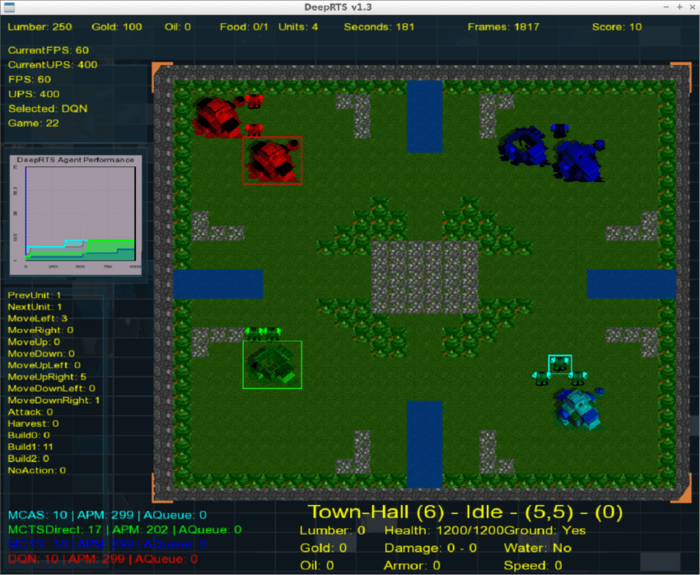
Per-Arne Andersen has developed computer games that researchers can freely use to train artificial intelligence to perform various tasks.
Per-Arne Andersen has developed computer games that researchers can freely use to train artificial intelligence to perform various tasks.
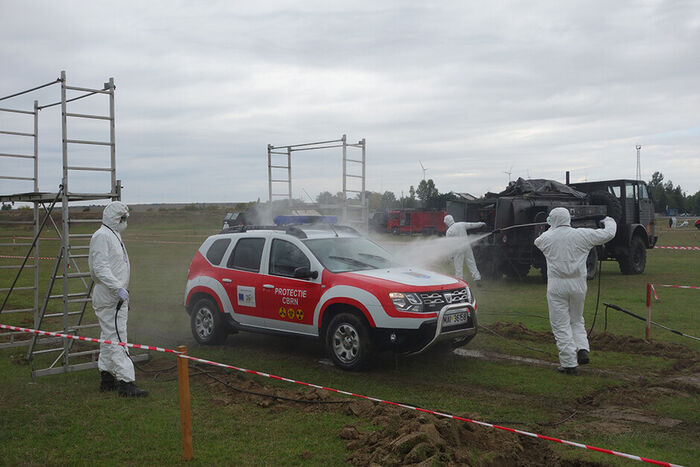
Good collaboration between experts from different countries bodes well for nuclear safety, according to a researcher at the University of Agder.
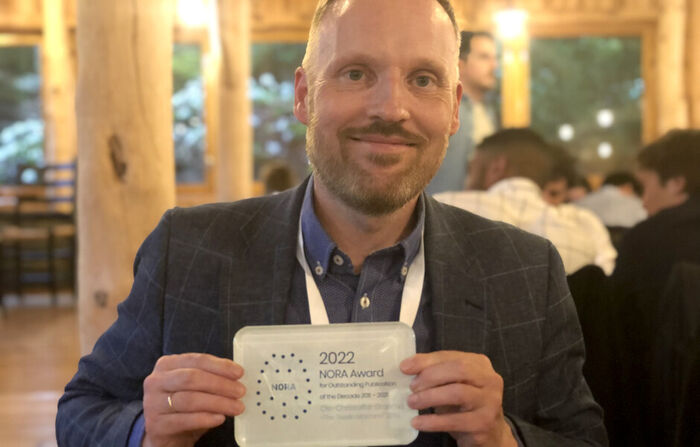
UiA professor Ole-Christoffer Granmo has been named the researcher of the decade in the field of artificial intelligence.
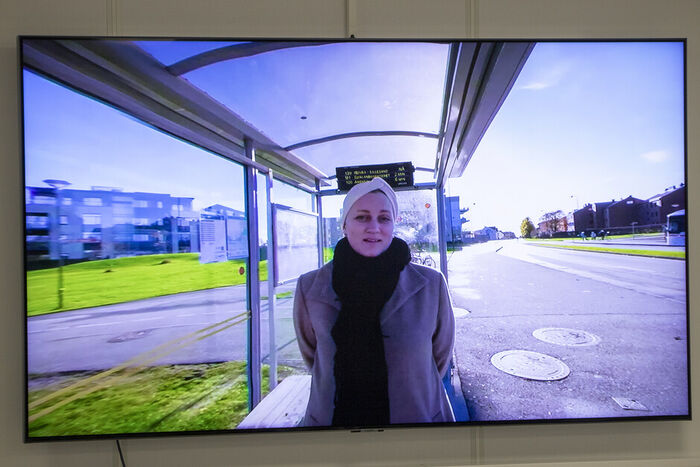
Many people with intellectual disabilities begin to receive disability benefits straight after completing upper secondary school. Can new technology help more people into employment?
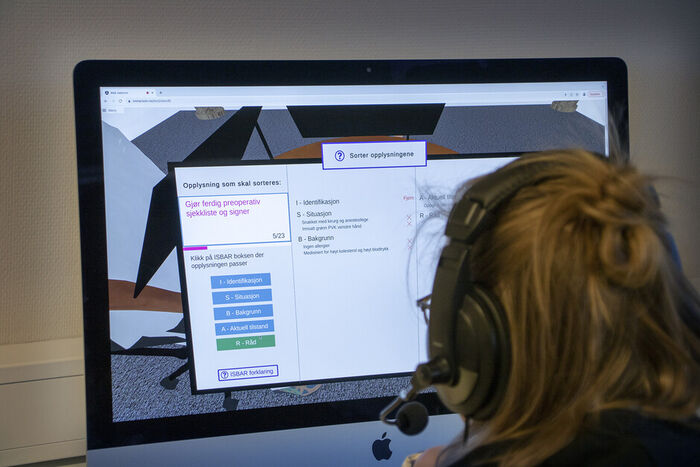
Getting practical training in nursing requires many resources. Can virtual reality technology make it more efficient?
Much of what gives us value as human beings cannot be recreated in machines. That is the opinion of Einar Duenger Bøhn who is out with a new book on the philosophy of technology.
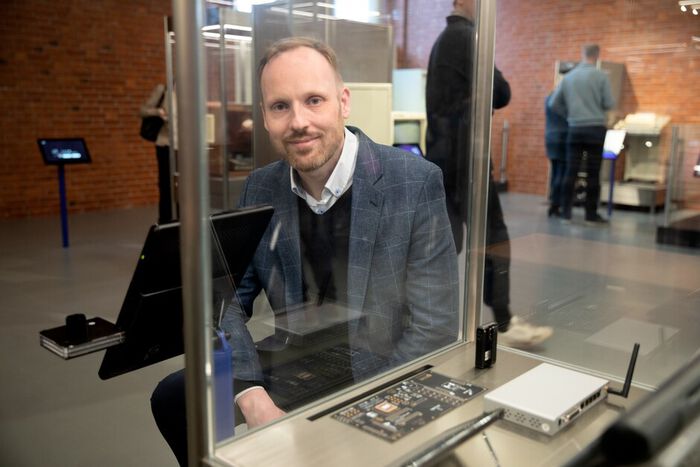
UiA professor Ole-Christoffer Granmo’s Tsetlin machine is part of the new exhibition at the Norwegian Museum of Science and Technology.
The pig is squealing. But what is it trying to say? New research uses artificial intelligence to improve animal welfare in pig farming.
Until recently, programming was a job reserved for humans. But this might change in the near future.
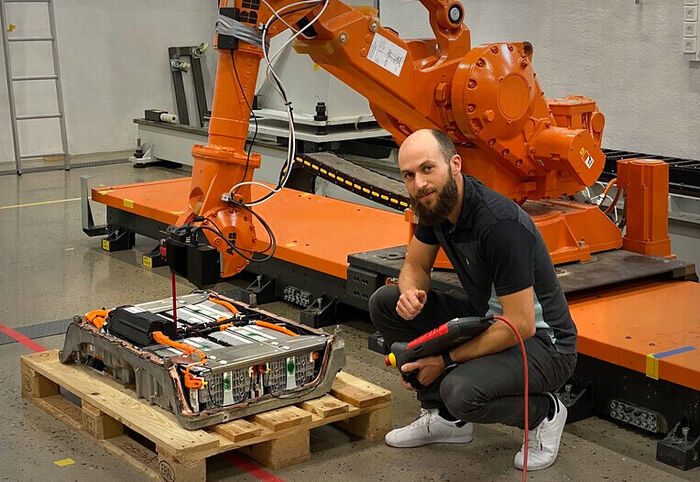
Associate Professor Martin Choux at the University of Agder will lead a four-year research project on battery recycling with support from Horizon Europe.
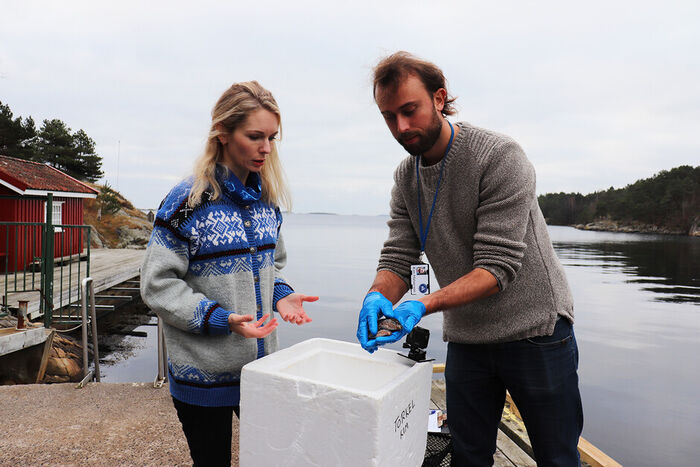
Marine biologist Kim Tallaksen Halvorsen calls it revolutionary, the research being done using sonar, camera and artificial intelligence along the coast of southern Norway.
The new brain researchers at the University of Agder have worked closely with Nobel Prize winners May-Britt and Edvard Moser. The couple has roots in Kristiansand.
Research couple Hanne and Tor Stensola from Kristiansand return home to establish neuroscience as a new academic field at UiA. The initiative has received 26.5 MNOK in funding from regional partners and will strengthen UiA's expertise in psychology.
The university in the south of Norway is initiating a large-scale collaboration with business and industry to develop battery expertise within research, education, and co-creation.
Technology developed in the MSCA-RISE project CLOVER have a high potential for innovation, the European Commission's Innovation Radar says.