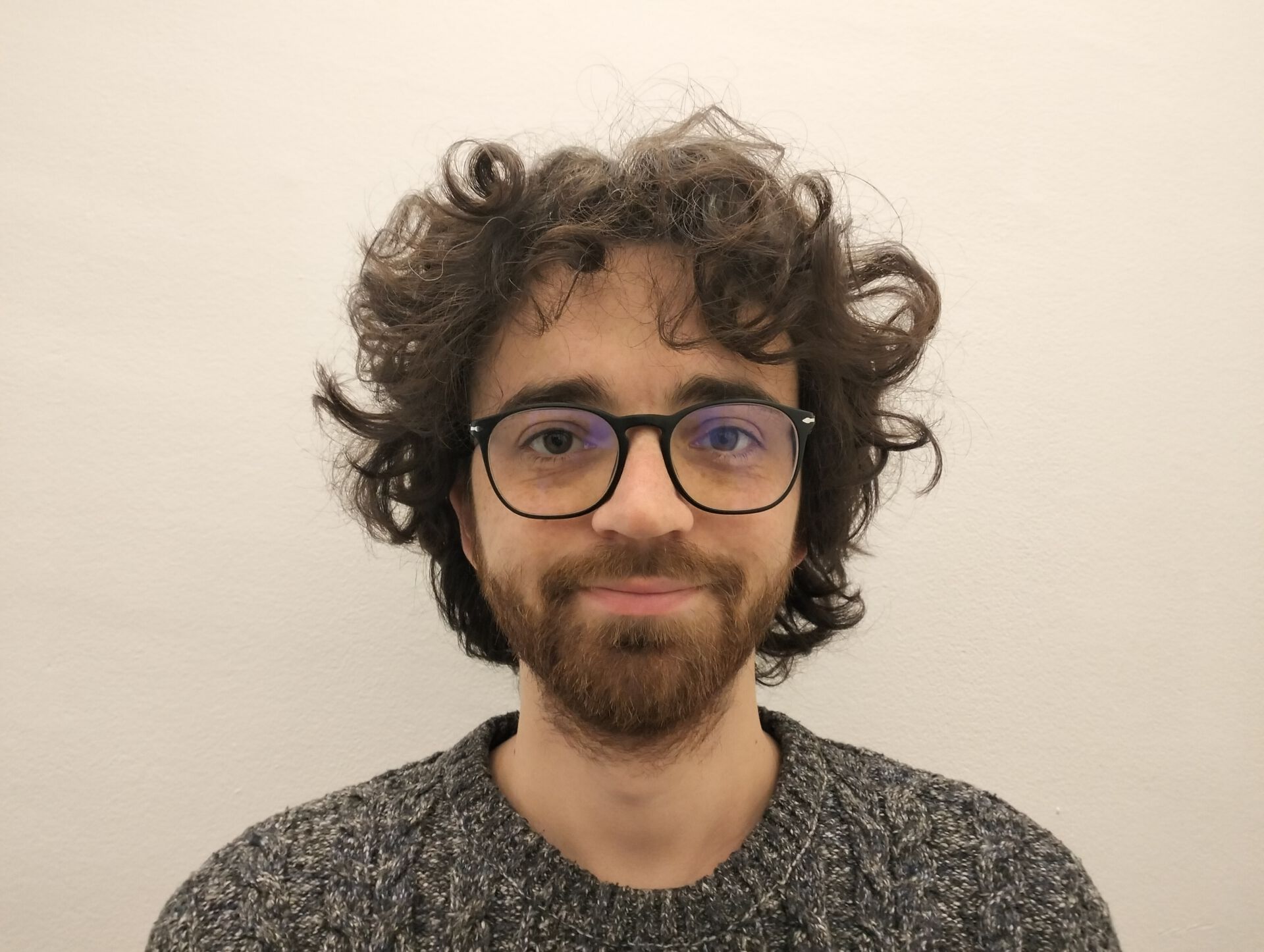
- Trial lecture starts at 10:15
- Public defence starts at 12:15
Title of trial lecture:
“Looking at the sciences: critically discuss its benefits for society and one’s academic career”
Read the thesis in AURA
Assessment committee:
- Dr. Andrea Scharnhorst, DANS-KNAW, The Hague
- Professor Emmanuele Pavolini, University of Milan
- Professor Romulo Pinheiro, University of Agder
Supervisors in the doctoral work:
- Marco Seeber, professor, University of Agder
- Flaminio Squazzoni, professor, University of Milan
Debernardi has been part of a Cotutelle agreement with admission to the PhD programme at both University of Agder and University of Milan.
Summary of thesis
Scientific research: how it works
Our societies increasingly depend on science, yet we still know surprisingly little about how the scientific community operates. Over the past few decades, the nature of research has transformed dramatically, driven by internal changes and deliberate science policies. While we have a solid understanding of measurable aspects like publication counts and citation trends, questions about what drives scholars to choose specific research topics remain largely unanswered.
Why do researchers focus on certain areas? Do academic systems—through peer review, hiring practices, and funding competitions—influence the diversity of topics pursued? And how do these forces shape the freedom scholars have to ask bold, innovative questions?
This dissertation discusses these questions, taking advantage of new tools like language modeling to analyze the textual content of scientific papers. It is structured in two parts: the first establishes the theoretical framework and methods, while the second presents three empirical studies. The first study maps global patterns in climate change research, uncovering how countries specialize. The second investigates how research topics affect the success of European Research Council proposals, shedding light on institutional selection of research topics. The third tracks individual researchers across disciplines and countries, exploring how their focus evolves over time due to career stage, mobility, and collaboration.
Together, these studies aim at mapping the forces shaping the trajectory of modern science and the choices researchers make along the way.
What to do as an online audience member
The disputation is open to the public. To follow the trial lecture and the public defence online, register on Zoom.
We ask online audience members to join no earlier than 10 minutes in advance. After these times, you can leave and rejoin the meeting at any time.
Opponent ex auditorio:
Deadline for the public to pose questions is during the break between the two opponents. Questions ex auditorio can be submitted to disputation chair, Dean Leif Skiftenes Flak