“I believe innovation should do more than solve technical challenges. It should help us imagine better futures. Nature-inclusive design is how we turn innovation into care for people, ocean ecosystems and for our future”, says Doina Huso.
She is a PhD-student from Albania, currently working on sustainable innovation at the University of Agder (UiA).
Huso was part of the winning team at the NID4OCEAN hackathon, which was held in late August at UiA’s Campus Grimstad. Also on the team were Michael Geis, Jayachandra Malavatu and Sreekumar Pookudi.
Floating foundation
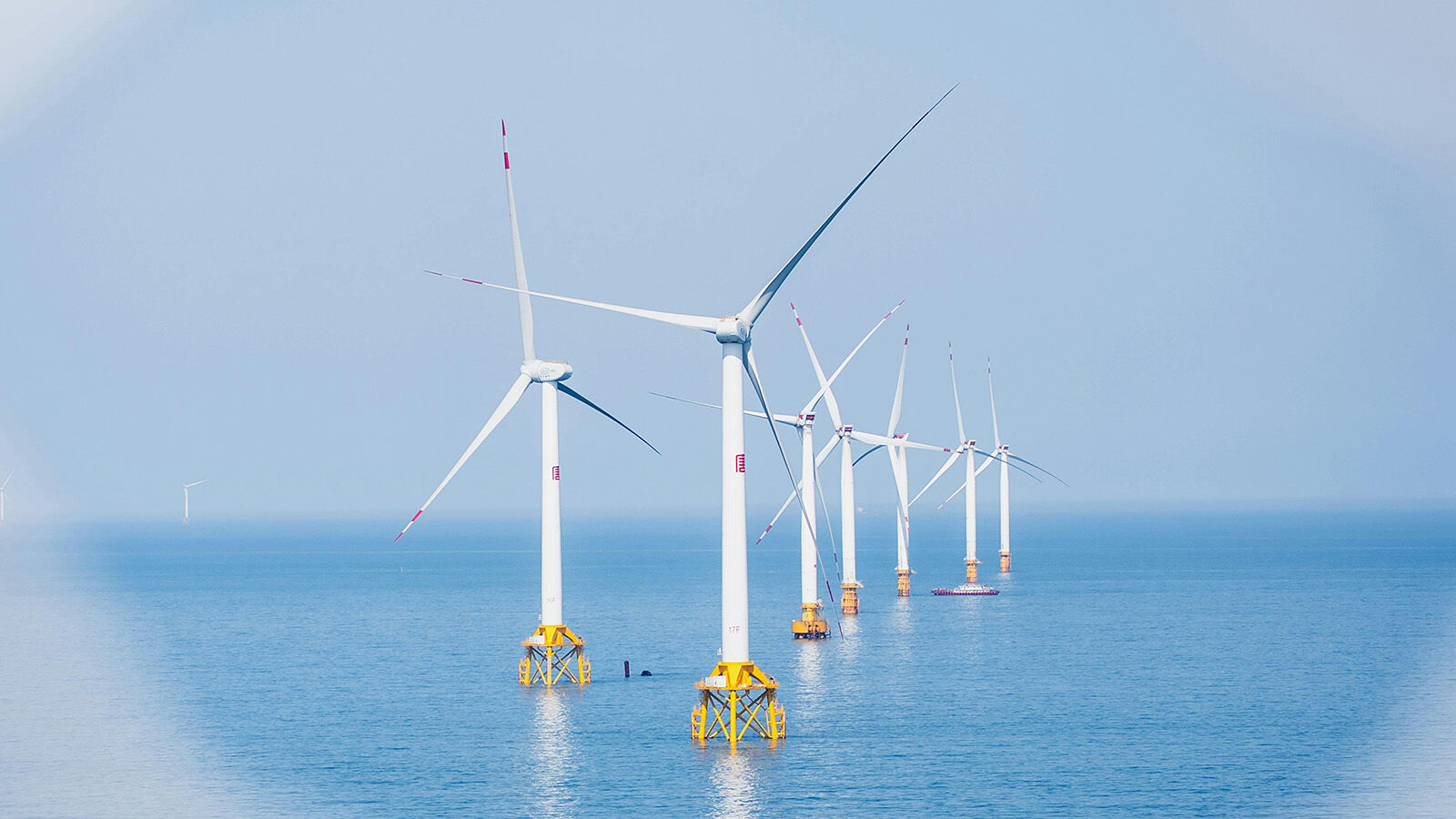
The aim of the hackathon was to develop concepts for floating offshore wind turbines. The concepts had to be innovative and nature-inclusive, but also realistic to implement. The hackathon included students from all levels of higher education, from many different disciplines.
The group’s winning concept focused on the floating foundations of offshore wind turbines. These foundations are currently made from plastic. They proposed replacing this plastic with concrete.
“Concrete is a natural material. It also absorbs CO2 and has a comparable buoyancy to plastic. Concrete is also naturally porous, which allows marine life to thrive on it. In this way offshore windfarms can become much more environmentally friendly”, says Geis, a German bachelor student in e-sports.
The team received praise from academics and industry experts in the hackathon.
On the way to Spain
“I was a bit surprised that our idea was considered so feasible. The experts, some of them from Equinor, said that this could be implemented fairly easily in their installations”, says Geis.
The prize was a ticket to WindEurope 2026 in Madrid. There the team will showcase their idea on an international stage.