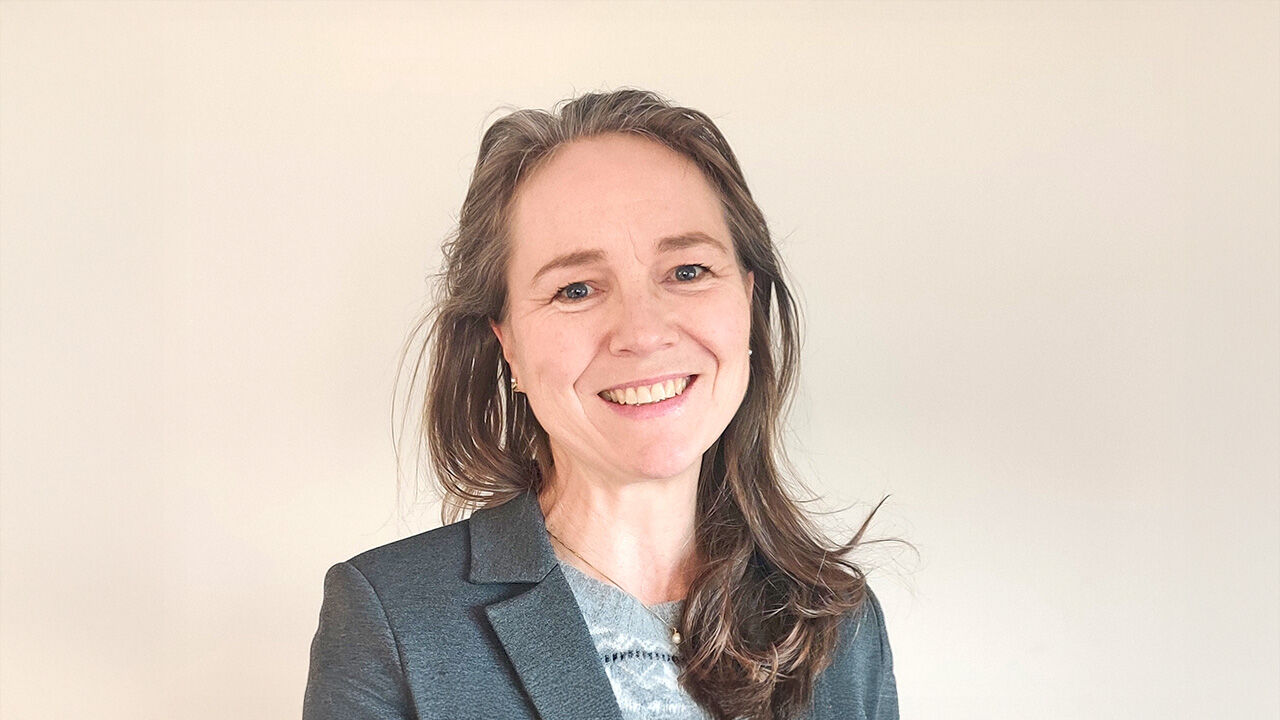
PhD-thesis
Exploring and Evaluating Strategies to Improve Outcomes in Outpatient Treatment of Substance Use Disorders in Norway
- Trial lecture starts at 10:15
- Public defence starts at 12:30
Title of trial lecture: How can we prevent dropout in psychosocial intervention studies?(-will be in Norwegian: Hvordan kan vi forhindre frafall i psykososiale intervensjonsstudier?)
Read the thesis in NVA
Disputation chair: Professor Stephen Seiler, Department of Sport Science and Physical Education, University of Agder
Assessment committee:
- 1. opponent: Professor Mads Uffe Pedersen, Department of Psychology and Behvioural Sciences - Centr for Alcohol and Drug Research, Aarhus University, Denmark
- 2. opponent: Associate Professor Rune Mentzoni, Department of Psychosocial Science, University of Bergen
- Chair of the evaluation committee: Professor Mariann Fossum, Department of Health and Nursing Science, University of Agder
Supervisors in the doctoral work:
- Main supervisor: Professor John-Kåre Vederhus, Department of Psycohsocial Health, University of Agder and The Addiction Unit (ARA), Department of Psychiatry, Sørlandet Hospital Trust.
- Co-supervisor: Professor Siri Håvås Haugland, Department of Psycohsocial Health, University of Agder
Summary of thesis
Substance use disorders (SUDs) are often long-term conditions with a high risk of relapse, and individuals with these disorders have complex needs across multiple life domains. Traditionally, SUD treatment has been based on inpatient care in residential institutions, but since the 1990s, there has been a gradual systemic shift toward outpatient treatment in Norway. Outpatient treatment is considered more cost-effective, increases accessibility, and reduces the stigma associated with seeking help. However, there is limited consensus on what outpatient SUD treatment should include, and clinical practice varies significantly.
The aim of this thesis was to explore and evaluate interventions that could enhance the effectiveness of outpatient SUD treatment in Norway. The thesis comprises two independent studies. The first was a quasi-experimental study investigating the effect of a pre-admission telephone reminder, with the goal of improving attendance at the first appointment and reducing treatment dropout. The second was a randomized controlled trial (RCT) examining the effects of infralow frequency neurofeedback (ILF-NF) as an adjunct to standard treatment, with quality of life as the primary outcome measure.
Key findings indicated that the telephone reminder did not improve attendance rates nor reduce treatment dropout. The neurofeedback intervention did not lead to improved quality of life compared to standard treatment, but it did reduce patients’ reported restlessness—an important factor in relapse prevention. Furthermore, an observational study based on the same data showed that, overall, patients experienced improved functioning over a five-month period of outpatient treatment.
The thesis concludes that outpatient treatment can be a valuable approach for individuals with SUDs, but challenges such as low attendance rates and treatment dropout need to be further addressed. Although the primary outcome measures in the NF study did not show significant differences between the groups, one secondary outcome measure was significantly better in the intervention group. This suggests that combining elements from traditional psychosocial methods with neurobiological approaches may be beneficial in certain areas and highlights the importance of an integrative treatment approach. Such an approach may help tailor treatment to individual needs and optimize treatment outcomes. Further research is needed to explore these findings in more depth and to identify which subgroups may particularly benefit from incorporating neurobiological components into treatment.
Although treatment monitoring was not systematically examined in these studies, the findings suggest that it may be a valuable tool for individualizing treatment and ensuring better follow-up of patient progress in an outpatient setting.
What to do as an online audience member
The disputation is open to the public. To follow the trial lecture and the public defence online, register on Zoom.
We ask online audience members to join no earlier than 10 minutes in advance. After these times, you can leave and rejoin the meeting at any time.
Opponent ex auditorio:
Deadline for the public to pose questions is during the break between the two opponents. Questions ex auditorio can be submitted to disputation chair Stephen Seiler, copy PhD-adm. Eli Andås.