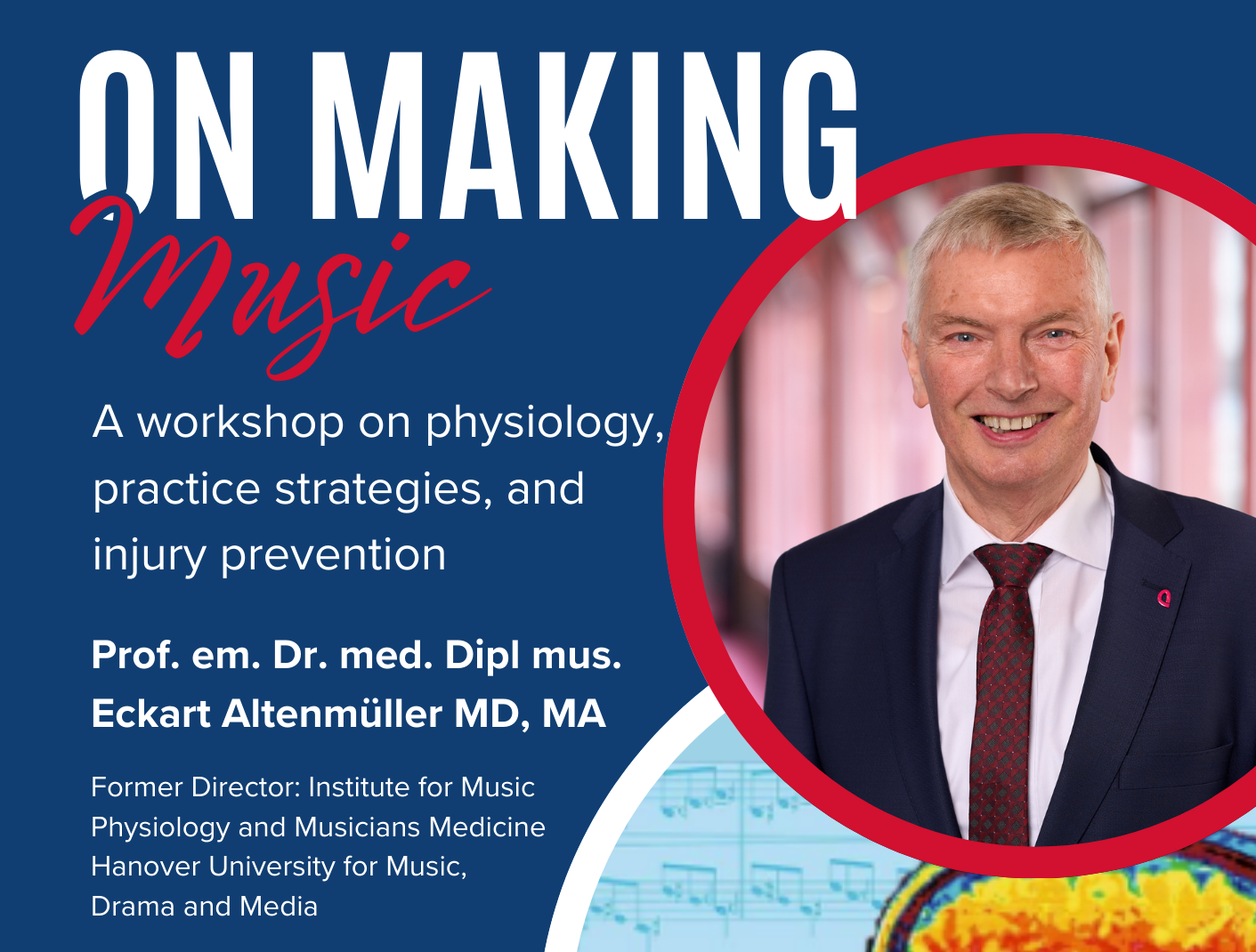
This groundbreaking workshop with Prof. Dr. Altenmüller is earning enthusiastic praise from students and professionals alike for its fresh, science-driven approach to life as a musician. Titled On Making Music, the workshop held at UiA’s Department of Classical Music and Music Education delivered an engaging and highly practical exploration of the physiological and psychological foundations of playing music—offering participants powerful tools to perform better, practice smarter, and stay healthy for the long term.
Translating complex brain and body science into clear, actionable guidance through interactive sessions gave attendees essential insight into the muscular and nervous systems that underpin musical performance. Rather than treating technique and health as separate concerns, the program elegantly weaves them together, emphasizing injury prevention and sustainable artistry.
Participants particularly praise the workshop’s focus on healthy musicianship. With many performers struggling silently with overuse injuries, tension, and fatigue, the course provides timely education on preventing muscular and nerve damage. Practical exercises help musicians recognize early warning signs and adopt safer playing habits—an approach widely described as both empowering and overdue.
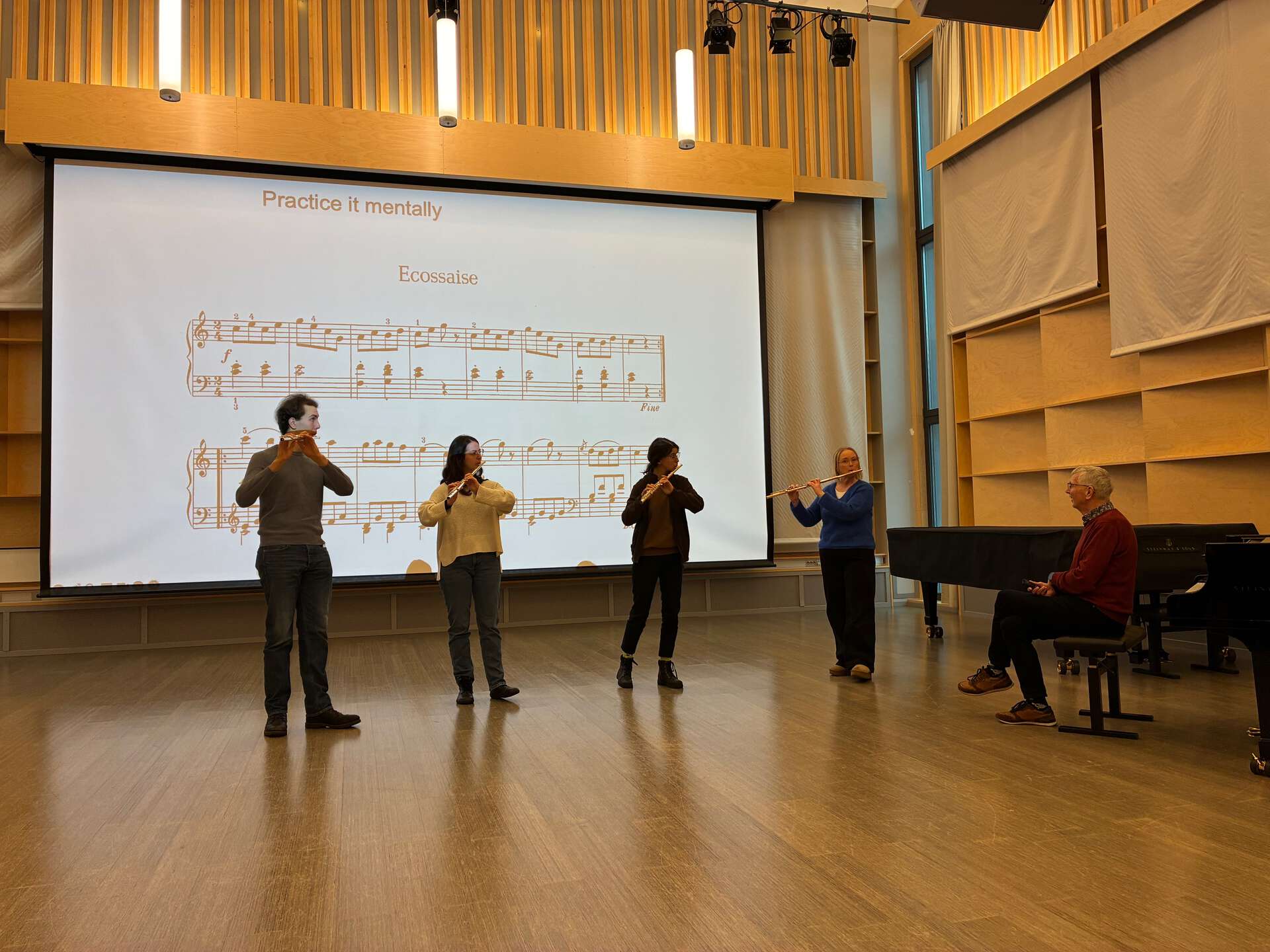
Another standout strength was the workshop’s deep dive into effective practice strategies. Drawing on brain and sports science, the sessions reveal how memory, sight-reading, and skill acquisition actually work at the neurological level. Musicians learn how to practice more efficiently, replacing hours of unfocused repetition with targeted, evidence-based methods that accelerate progress.
Moreover, the workshop did not shy away from the mental and emotional realities of performance. Thoughtful modules on coping with and preventing stage fright, managing psycho-mental overload, and building overall well-being provide a holistic framework rarely found in traditional music training. The inclusion of guided mental practice techniques further strengthened the program’s modern, athlete-inspired philosophy.
Health protection was another major highlight. From hearing conservation to strategies for avoiding chronic pain and musician’s dystonia, the workshop delivered practical, preventive knowledge that many participants say should be standard in every music educational institution.
The overall verdict from attendees is overwhelmingly positive: Music in Your Brain succeeds in bridging the long-standing gap between artistic training and scientific understanding. By equipping musicians with both knowledge and hands-on tools, the workshop not only enhances performance quality but also promotes longevity and well-being in a demanding profession.
In an era where sustainable performance is more important than ever, this forward-thinking program is being hailed as an essential resource for the next generation of healthy, resilient musicians.