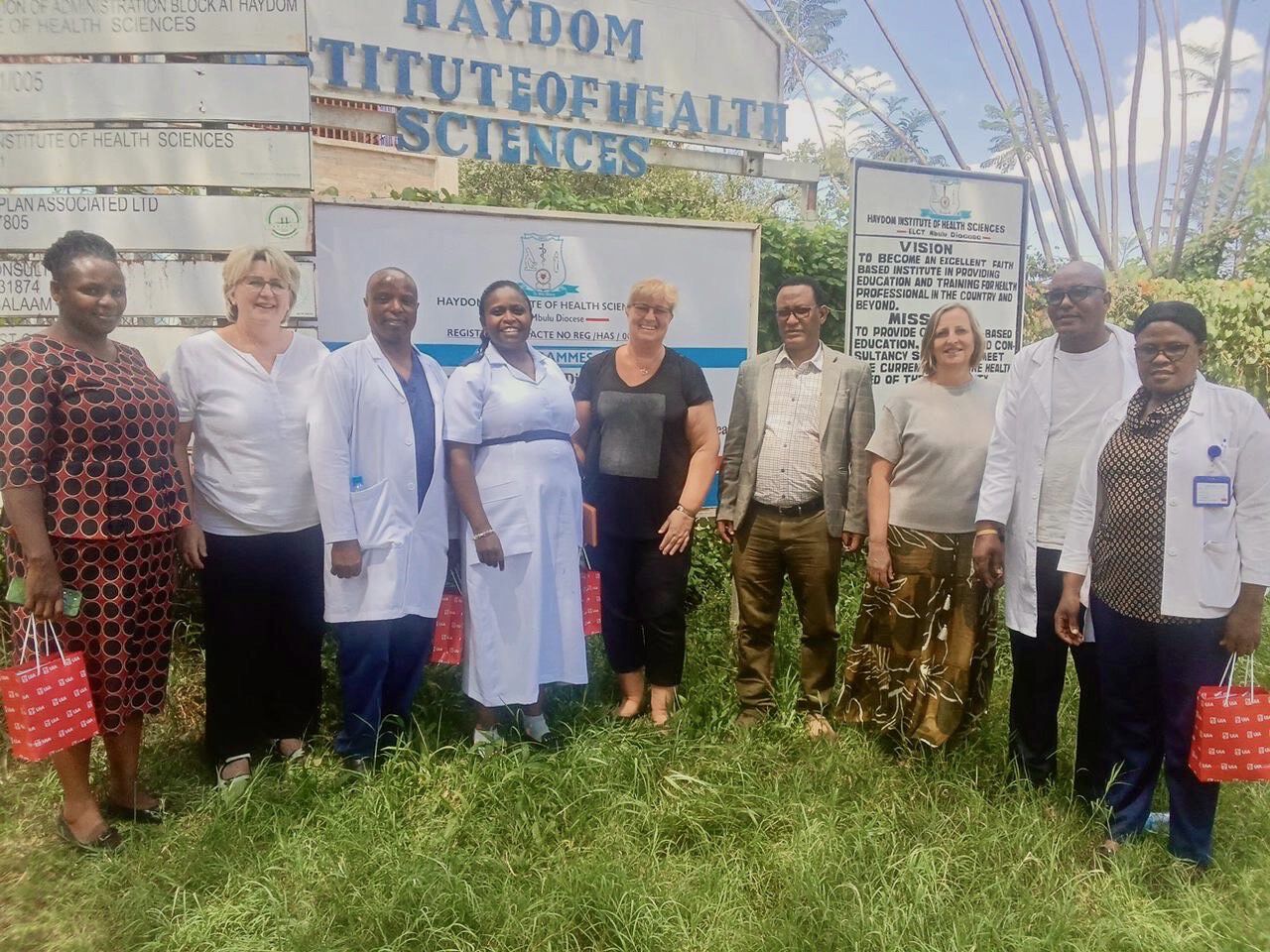
"We are very pleased with the good cooperation with the Haydom health sciences institute in Tanzania. Training there will give our students experience with diseases they never see in Norway."
This is what Vigdis Landsverk says. She oversees practical training in UiA's bioengineering programme and was part of the team that travelled to Tanzania this spring to finalise the agreement with the Haydom Institute of Health Sciences.
The institute is affiliated with Haydom Lutheran Hospital, located south of the city of Arusha in Tanzania. UiA previously had a cooperation agreement with the hospital from 2007 to 2020, but this ended during the Covid-19 pandemic.
The hospital was founded in 1955 by Norwegian missionaries. It maintains a strong connection to Southern Norway through fundraising campaigns, joint projects and friendship groups.
Under the new agreement, UiA can send up to six bioengineering students each autumn semester and another six each spring semester. Students must be in their fifth or sixth semester. The training period lasts for six weeks.
Aside from the arrangement for bioengineering students, UiA also has a separate agreement in place for nursing students.
Different diseases abroad
Landsverk teaches medical microbiology to UiA students. She explains that the diseases encountered in Tanzania are quite different from those in Norway.
"In Norway, most diseases are linked to lifestyle. In Tanzania, infectious diseases pose the greatest challenges," she says.
Students will gain experience with diseases such as tuberculosis and malaria, which are rarely or never seen in Norway. Landsverk notes that patients tend to be much sicker when they come to hospitals in Tanzania.
This will teach students how to manage particularly difficult cases. They will also better understand how poverty impacts health.
"Students often gain more confidence as professionals. They see diseases they don't encounter in Norway and learn to work in very different conditions," says Landsverk.
Mobile units reach more people
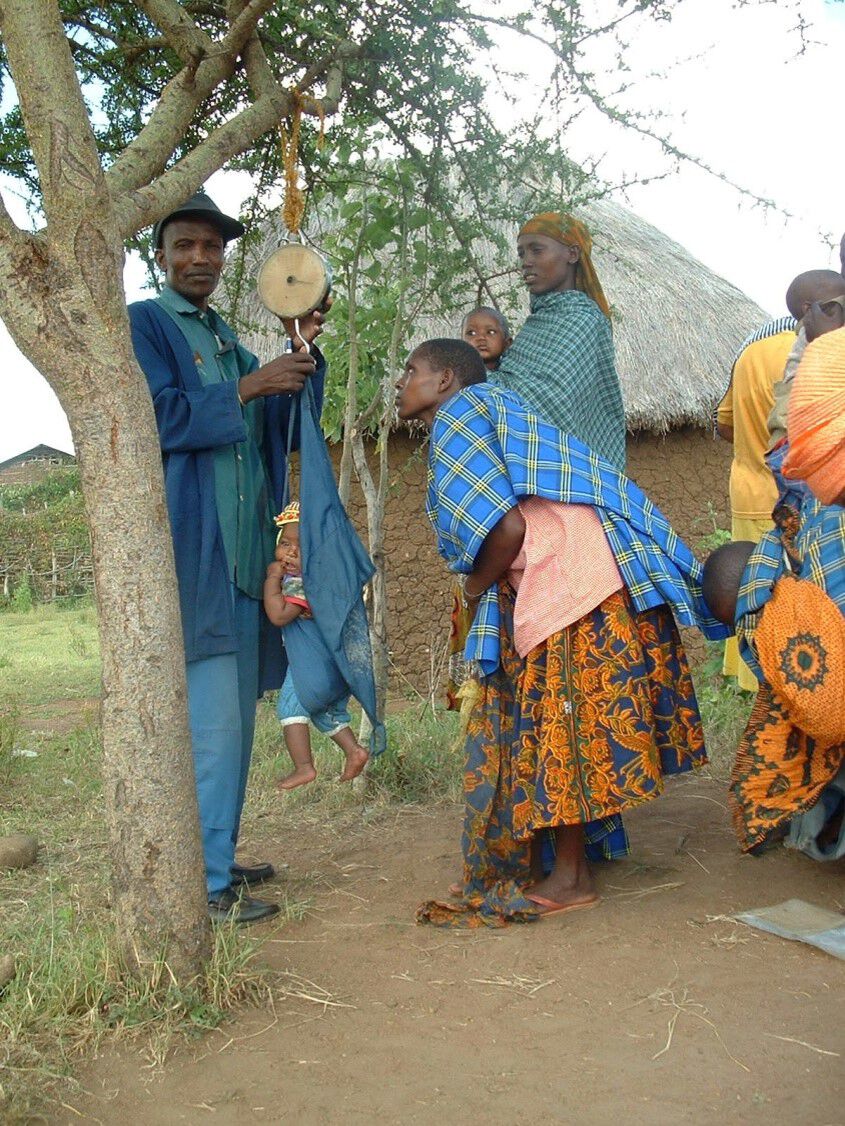
The practical training for bioengineering students will mainly take place in laboratories. However, one day of the training involves accompanying one of the mobile health stations. The hospital operates 25 such units. These stations are set up where people live, often far from the hospital.
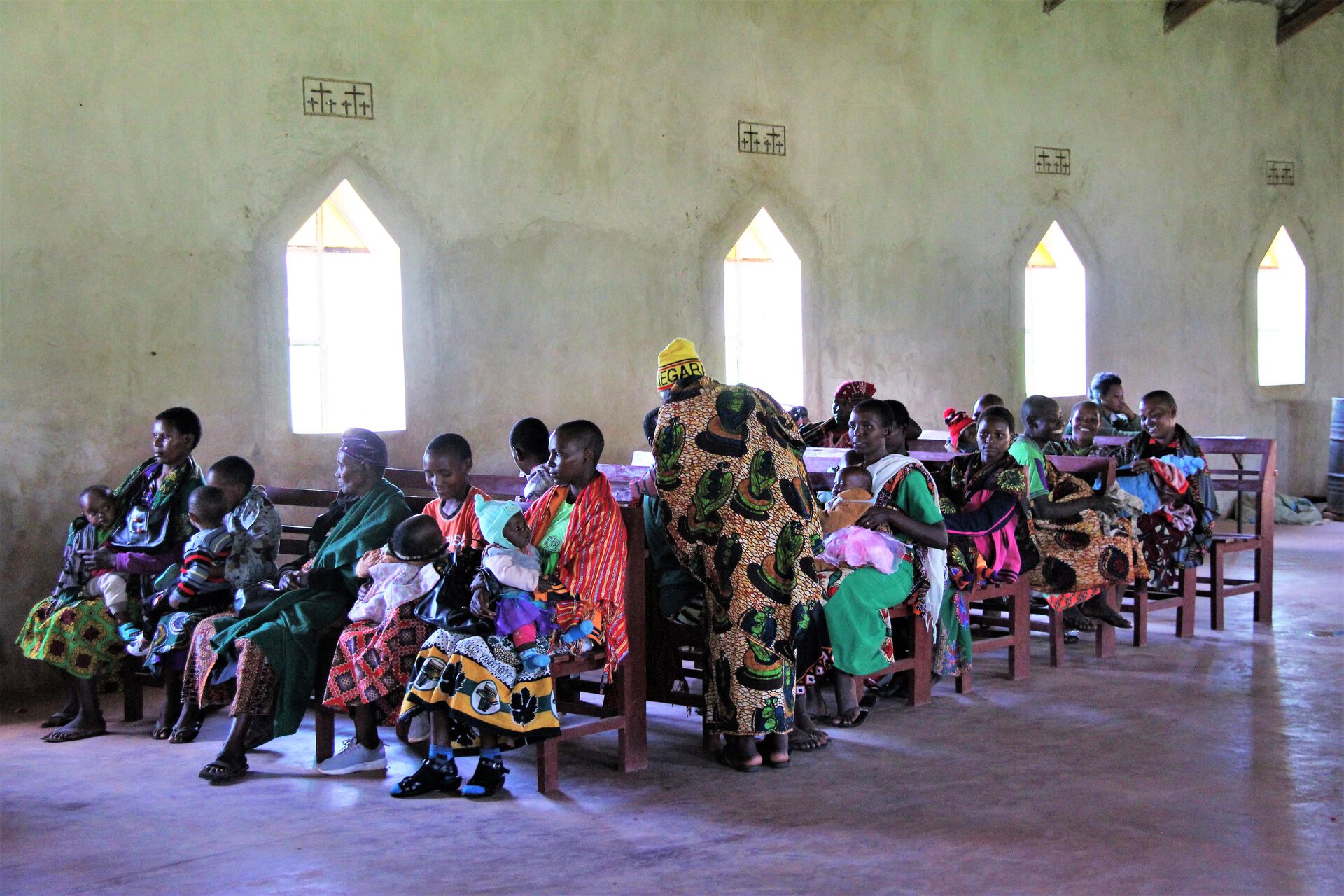
During their visit, Landsverk and the UiA team were able to join a health station at a local church. At these stations UiA bioengineering students will take part in vaccinations and other preventive work for the local community.
"People here work with limited resources but still manage to reach many people. This offers a good cultural perspective on healthcare and will be a valuable experience for our students," Landsverk says.
Working together across professions
The health sciences institute in Haydom provides education in laboratory work as well as nursing and a three-year clinical programme. There is good cooperation between these programmes and the hospital.
Exchange students from many different countries come to Haydom. UiA students will have the opportunity to meet nursing, midwifery, medical and physiotherapy students from around the world.
"It's great to have people to share experiences with. Bioengineering students can, for example, join ward rounds with patients at the hospital. Medical students might also visit the labs to learn about the work there," Landsverk says.
"This is valuable for their future careers. Students gain insight into the entire healthcare process and see how different professions work together," she says.
UiA students will also have local students as mentors during their stay. They will all live together in a house on the grounds. Experiencing the basic standard is part of the learning.