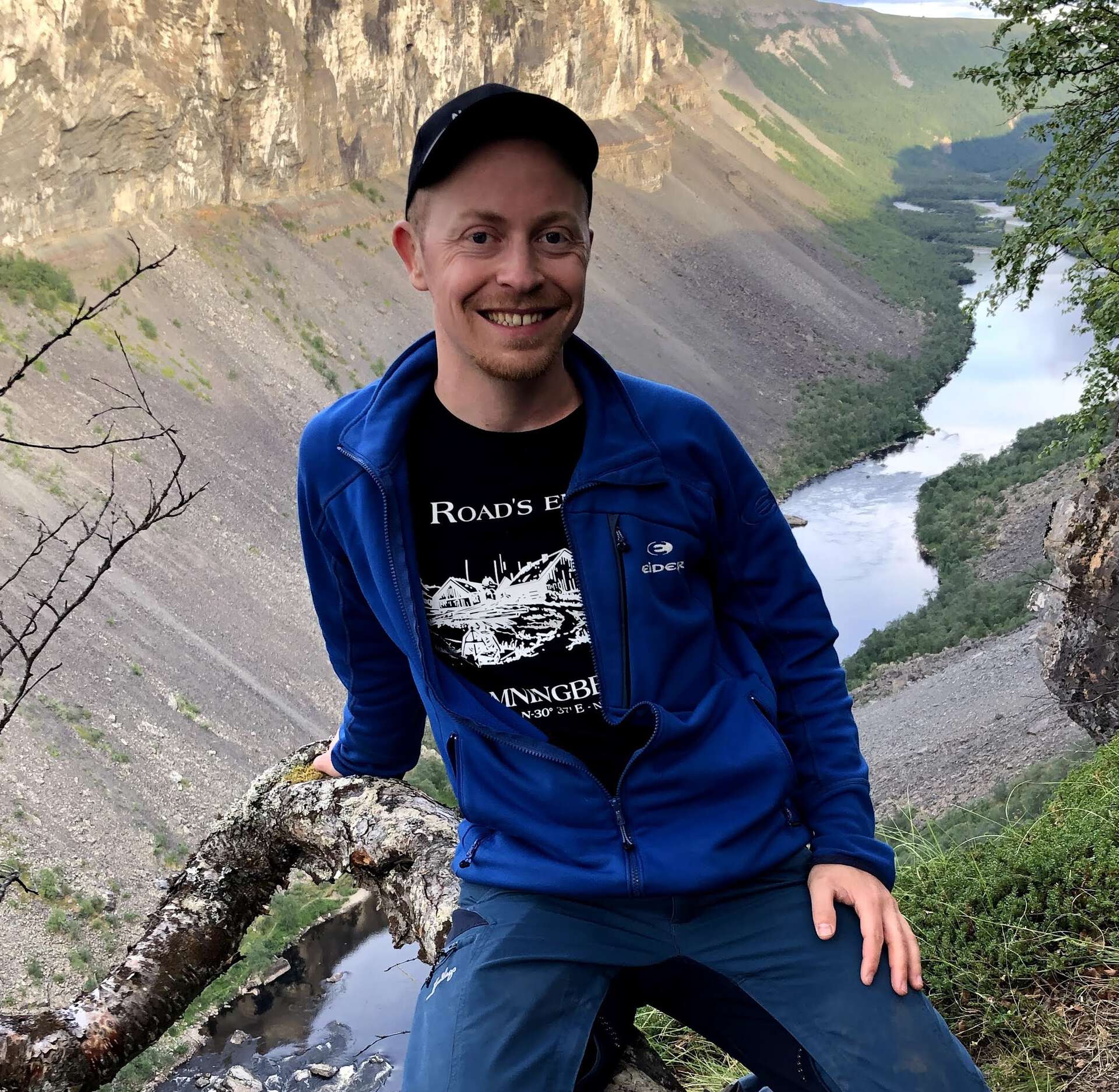
Background and experience
I am a marine evolutionary biologist. Originally from France, I studied marine biology during my MSc at the European Institute for Marine Studies in Brest, France, and completed my Master's thesis at the University of Algarve in Faro, Portugal.
In 2014, I moved to Bodø in northern Norway to pursue a PhD at Nord University, where I investigated the population genomics of Calanus copepods. These small crustaceans are keystone species in North Atlantic and Arctic marine ecosystems, and are widely used as indicators of climate change. Since then, I have continued to investigate the evolutionary biology of emblematic marine zooplankton, including Calanus copepods, pteropods (sea snails), and krill, through research positions at Nord University, Uppsala University in Sweden, and the Natural History Museum in Oslo.
Research
My main research interest is in using genomics to understand the molecular mechanisms underlying adaptation in marine organisms. Ultimately, I aim to understand their evolutionary potential, and in particular their capacity to adapt to ongoing and future climate change by investigating the genetic basis of adaptation.
My research focuses primarily on marine invertebrates, with a particular interest in developing genomic approaches for species that remain challenging to study with current technologies. Small invertebrates often present numerous technical challenges for obtaining and analysing genomic data, and developing methods to overcome these challenges is an important part of my research.
At UiA, my current research focuses on the distribution of different genetic lineages of the blue mussel (Mytilus edulis) across the Skagerrak region, and on understanding the adaptive mechanisms underlying their differences in habitat distribution. A particular focus is on investigating the adaptive role of structural variants, which are large sections of DNA that can differ between individuals or genetic lineages and appear to be widespread across mussel genomes.