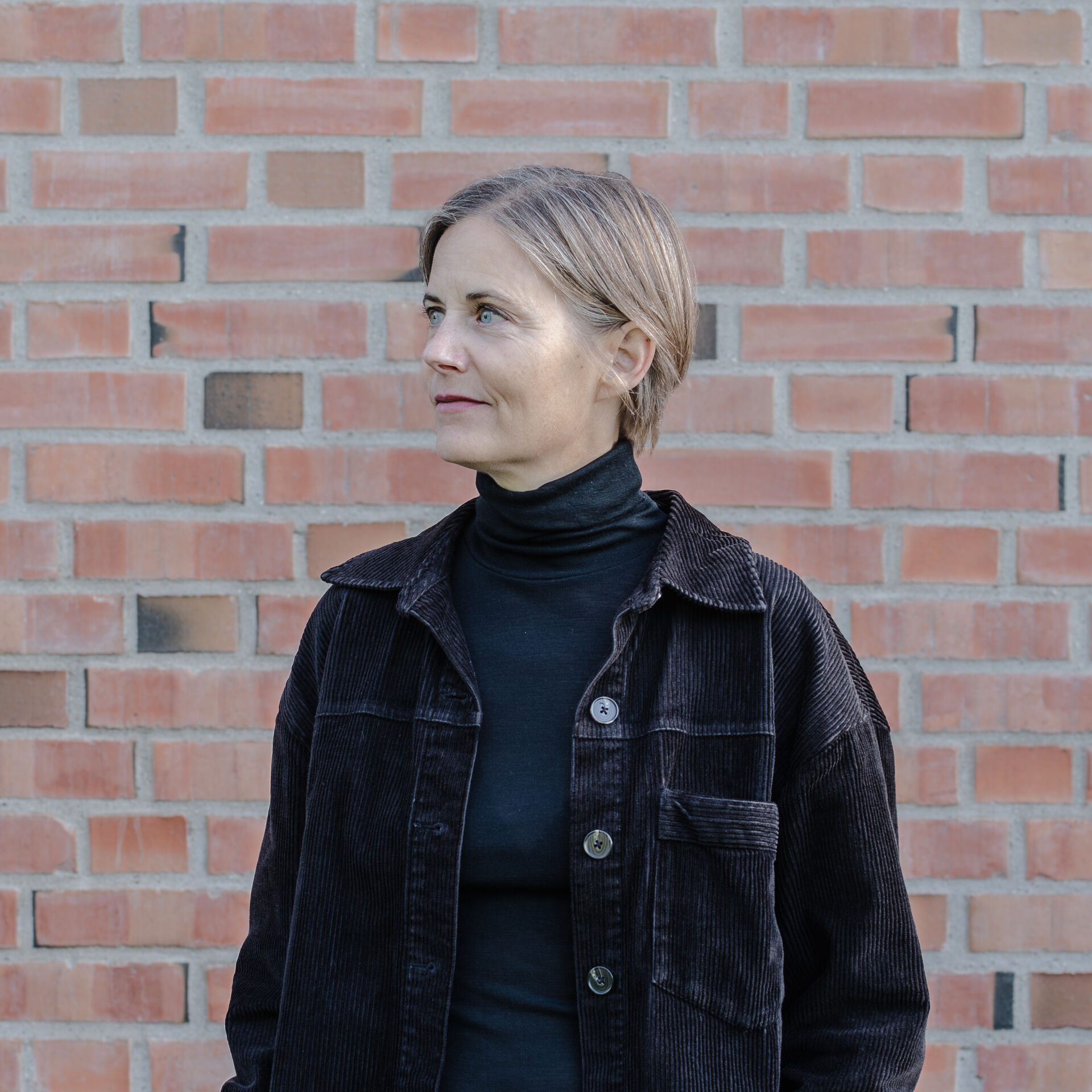

Background and experience
From September 2025 I am PhD research fellow in history didactics with the project 'Historical Periods: Exploring the Didactics of Menstrual History'.
I have been employed at the University of Agder as lecturer in history since 2019 and will retain 25% of this position throughout the research fellowship period. Relevant previous work experience includes teacher in upper secondary school (2005-2011), education manager at ARKIVET Peace and Human Rights Centre (2011-2014), and programme manager of upper secondary teacher education at UiA (2014-2019).
Areas of responsibility
PhD research fellow in history didactics, lecturer in history, and coordinator for teacher education in history.
Teaching
I teach history didactics and supervise student teachers during their teaching practicum. I have previously been responsible for the following courses:
- History didactics in teacher education for lower and upper secondary school,
- Norwegian history for international students with a main focus on the uses of history and the long lines of Norwegian history and the history of Agder,
- Global history with a main fous on the long lines of economic and political history.
Research
My research interests are history teaching in schools and museums, the uses of history, historical consciousness, environmental history, and menstruation history.
Abstract of 'Historical Periods: Exploring the Didactics of Menstrual History'
Ten years ago, an article in Cosmopolitan declared that 2015 was the year that ‘the period went public’. Since then, there has been a wave of menstrual activism, and menstruation has hit the screen with films like ‘Turning Red’ and ‘Period. End of Sentence’. Globally, the UN addresses menstrual health as a human rights issue, and locally, tampon boxes are placed matter-of-factly on desktops in Norwegian classrooms. Menstruation is everywhere, not least as a part of embodied human life – a fundamental experience for half of the world’s population.
In Norway, politicians, activists, and educators agree that knowledge about and openness around menstruation is crucial, and that education plays a vital role in conveying both. Yet, in this context, it strikes me – a history teacher and educator through twenty years – that I have read hundreds of pages and taught hundreds of lessons about bleeding bodies on battlefields, but I have never read or taught anything about a menstruating woman.
In my PhD-project I explore which didactic insights can be gained when history teaching makes menstruation its point of departure. I will develop a school project on menstruation history and teach this to students in Norwegian upper secondary school. An essential part of the school project is that students will be asked to conduct interviews with parents and grandparents about their experiences with menstrual products, education, and attitudes. I ask:
- How do students articulate an understanding of the bodily event of menstruation as historically situated?
- How do students reflect on the absence of menstruation in historical narratives?
Through my project, I hope to contribute to the field of history teaching and learning, which is of relevance to academics, educators, school textbook authors, and teachers alike. In doing this, my study may also contribute to the broader conversation on women’s health.